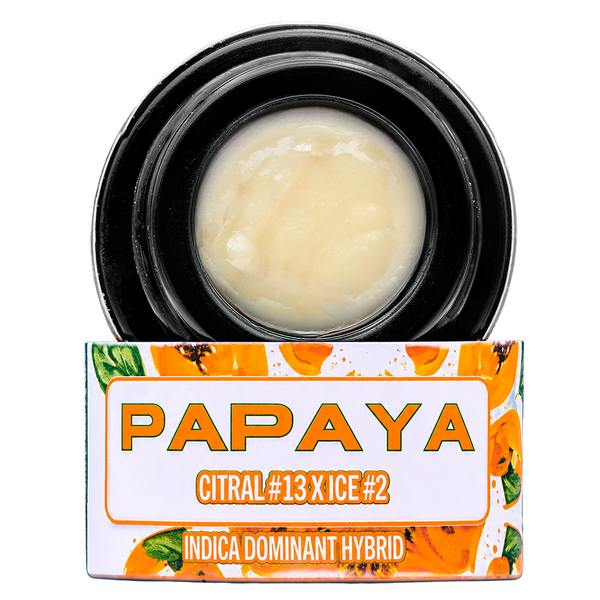
On sale· 20% OFF
THC 81.28%·CBD 0.26%Indica-Hybrid
UmamiiUmamii | Live Rosin Jar | Papaya · 2g
$80.70$100.88
$94after tax

weeddispensarynearme.com
You must be 21 years or older to enter. By entering, you confirm you’re of legal age in your state to purchase cannabis.
For use only by adults 21+ • Keep out of reach of children
Tompkinsville sits at the northern edge of Staten Island where Victory Boulevard meets Bay Street and the harbor opens wide — a neighborhood with a distinctly unhurried character and an eye for quality. For the adult-use cannabis shopper who prefers their concentrates solvent-free and their sourcing transparent, rosin has become the category worth knowing in Richmond County's ZIP 10304.
About Rosin
Rosin occupies a singular position in the New York licensed cannabis market: it is the one concentrate format that requires no chemical solvents whatsoever in its production. Instead, cultivators and processors apply calibrated combinations of heat and pressure — typically via hydraulic or pneumatic presses — to either fresh-frozen flower, dried and cured flower, or sieved kief and hash to yield a full-spectrum oil that retains the plant's native terpene and cannabinoid profile with remarkable fidelity. That transparency of process is precisely why discerning concentrate shoppers gravitate toward it. Within New York's Office of Cannabis Management framework, all licensed rosin must pass the same rigorous third-party testing protocols applied to every adult-use product: residual solvent panels (which rosin passes easily, having none), heavy metals, microbial contaminants, and accurate potency labeling. This means that when you pick up rosin at a licensed dispensary in Richmond County, the certificate of analysis on file reflects what is actually in the jar — a meaningful assurance in a market that continues to mature and tighten its standards. The format itself comes in several textures depending on starting material and post-press processing: a glossy, sappy rosin pressed directly from flower; a sandy, crystalline 'badder' or 'batter' that has been whipped to introduce air; a crumbly 'wax' consistency; and the increasingly sought-after 'jam' or 'live rosin' category, pressed from fresh-frozen material that has never been dried, preserving the most volatile and aromatic terpene fractions. Each texture carries slightly different handling characteristics and use-case considerations. For New York shoppers entering the concentrates aisle for the first time, rosin represents a logical step up from flower — familiar in its plant-derived character, yet meaningfully more potent and efficient per session. Licensed retailers across Staten Island are stocking an increasingly sophisticated selection as the state's cultivator and processor tier continues to expand.
Rosin for Tompkinsville shoppers
Tompkinsville has its own particular rhythm. The neighborhood around Bay Street and Victory Boulevard draws a working waterfront energy: people who commute by ferry into Lower Manhattan, tradespeople who head out early and return late, and a long-established residential community that tends to value authenticity over trend-chasing. That cultural disposition aligns naturally with rosin's appeal — it is a category defined by what is not in it rather than by marketing gloss. The harbor-facing topography of 10304 also introduces a practical consideration. Salt air, moisture cycling from Upper New York Bay, and the seasonal temperature swings that anyone who has stood on the St. George waterfront in January versus July understands intimately — these conditions matter when storing and handling a concentrate. Rosin is more temperature-sensitive than distillate cartridges or edibles; warmth can cause a sappy rosin to lose structure, while a cooler environment keeps its consistency stable. Tompkinsville residents who walk home from the ferry terminal on a humid August evening or brave a February wind off the Kill Van Kull will want to keep their rosin in an airtight, light-opaque glass container, ideally refrigerated between sessions. For the after-work occasion that so much of Tompkinsville's social life centers on — a decompression moment after the ferry crossing, a quiet evening with harbor light coming through the window — rosin's efficiency is a genuine advantage. A small amount delivers a more complete terpene experience than a much larger quantity of flower, meaning sessions can be calibrated precisely and deliberately rather than casually accumulated.
What to look for
Selecting rosin in a licensed New York dispensary rewards shoppers who know the four primary variables: starting material, terpene profile, texture, and THC potency relative to intended use. Starting material is arguably the most consequential choice. Live rosin — pressed from fresh-frozen flower — commands a premium and delivers the widest terpene expression, including light monoterpenes like myrcene and ocimene that evaporate during conventional drying. Cured flower rosin trades some of that aromatic breadth for a more stable, often more affordable product that still outperforms most solvent-extracted concentrates in terpene retention. Terpenes to look for on the label or accompanying COA include myrcene for a physically relaxing, earthy character; limonene for a brighter, more citrus-forward disposition; and beta-caryophyllene, the only terpene that interacts with endocannabinoid receptors directly, lending a subtly spiced, grounding quality many concentrate enthusiasts favor in the evening. Pinene and terpinolene tend to appear in more uplifting, resinous profiles suited to an active afternoon rather than a winding-down session. THC potency in licensed New York rosin commonly ranges from the mid-60s into the low 80s as a percentage of total cannabinoids — a significant step above flower. For shoppers new to concentrates, the standard guidance applies: start with a very small amount, allow adequate time to assess, and increase gradually over subsequent sessions. Format trade-offs are worth considering as well. Sappy rosin is easiest to portion for a dab rig but the least portable. Badder and batter are scoop-friendly and travel better. Rosin cartridges, while slightly processed, offer discreet portability that suits a Bay Street commuter who may want a low-profile option.
Why ZenZest for rosin in Tompkinsville
ZenZest Cannabis Dispensary's Staten Island location at 2343 Forest Ave — approximately 4.1 miles from the heart of Tompkinsville along the Victory Boulevard corridor — serves as Richmond County's reference point for a curated, licensed concentrates selection. The store's floor staff are trained to walk shoppers through certificate-of-analysis documentation, explain terpene profiles in plain language, and match the texture and potency of a given rosin to what a customer is actually looking for rather than simply what is highest on a shelf. For Tompkinsville residents who prefer to shop from home, ZenZest offers free same-day delivery on qualifying orders over $100 to more than 80 New York ZIP codes, including 10304. That means a live rosin, a cured flower rosin, and an accessory or two can arrive the same day without the commute up Forest Avenue — a meaningful convenience for anyone whose schedule is already shaped by ferry timetables and the particular demands of daily life on the North Shore.
ZenZest Staten Island · 2343 Forest Ave, Staten Island, NY 10303 · 4.1 miles from Tompkinsville.
$94after tax
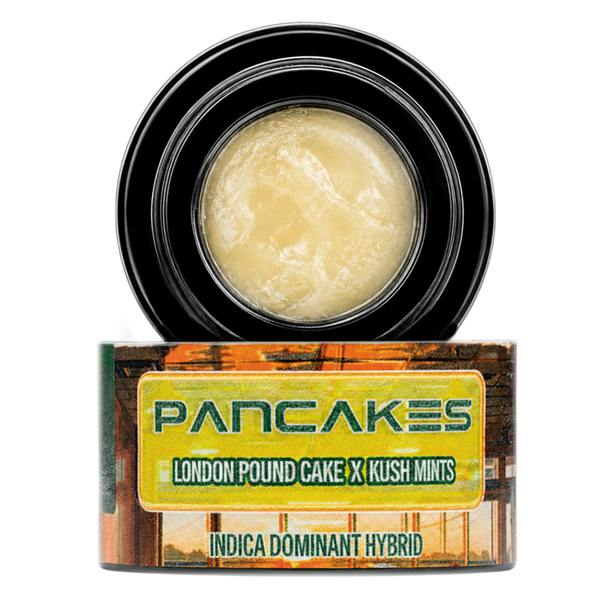
$99after tax

$99after tax
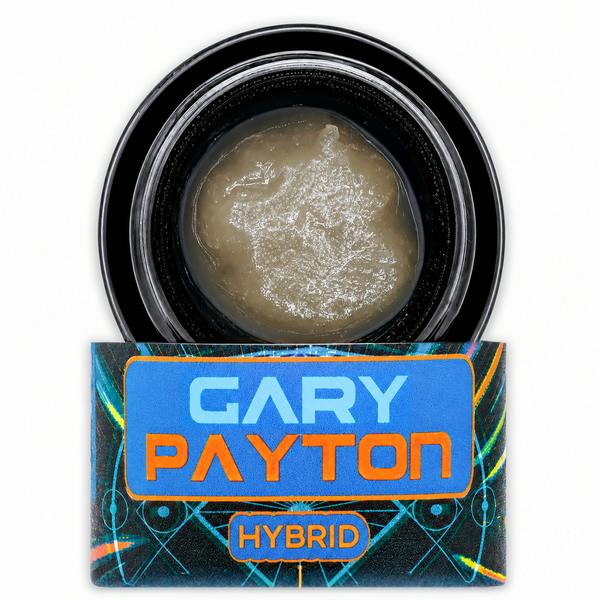
$93after tax
Rosin is distinguished by its exclusively mechanical extraction process — heat and pressure, nothing else. Unlike BHO (butane hash oil), CO2 oil, or distillate, rosin contains zero residual solvents because none were introduced in the first place. New York's licensed testing regime confirms this on every product's certificate of analysis. The result is a concentrate that preserves the plant's native cannabinoid and terpene ratios more completely than most other formats available on Staten Island dispensary shelves.
Storage is the variable most likely to degrade rosin quality between purchase and use. The humid, salt-air environment around Bay Street and Upper New York Bay can accelerate terpene oxidation if rosin is left in a warm or light-exposed space. An airtight, UV-opaque glass jar kept in a cool drawer or, ideally, a refrigerator will preserve both texture and aroma for weeks. Allow refrigerated rosin to return to room temperature before opening to prevent condensation from introducing moisture into the jar.
Live rosin is pressed from flower that was frozen immediately after harvest, preserving the most volatile terpenes — the aromatic compounds that evaporate during conventional drying and curing. Cured flower rosin uses dried material and offers a more familiar, sometimes earthier profile at a lower price point. For a first-time concentrate shopper in 10304, cured flower rosin is often the better starting point: the terpene profile is rounder and easier to interpret, the price is more accessible, and the potency is still meaningfully higher than flower.
Licensed rosin products in New York typically test between the mid-60s and low 80s in total THC percentage, compared to the mid-teens to high 20s for most flower. That concentration differential means a portion roughly the size of a small grain of rice is a reasonable starting point for anyone building familiarity with the format. The standard adult-use guidance — start low, go slow, and allow at least 15 to 30 minutes before reassessing — applies with particular relevance to concentrates in this potency range.
For a winding-down, post-commute occasion, terpene profiles leaning toward myrcene and beta-caryophyllene are worth seeking out. Myrcene contributes an earthy, subtly herbal character associated with physical ease, while beta-caryophyllene — uniquely among terpenes — interacts with the body's CB2 receptors and is often described as grounding and subtly spiced. Both appear prominently on COA terpene panels and can be requested from staff at a licensed Staten Island retailer.
Rosin is versatile in its consumption formats. Traditional dab rigs paired with a quartz banger offer the most complete terpene expression because temperature can be controlled precisely. However, purpose-built rosin vaporizers — sometimes called 'e-rigs' or portable dab devices — are increasingly available through licensed accessory retailers and offer a more portable option. Rosin cartridges, which are slightly processed to improve flow at lower temperatures, work in standard 510-thread batteries and are a practical choice for Tompkinsville residents who value discretion and portability.
Yes. Under New York Office of Cannabis Management regulations, every adult-use cannabis product — including rosin — must pass third-party laboratory testing before it can be placed on a licensed retail shelf. Testing panels cover microbial contaminants, heavy metals, and potency accuracy. Residual solvent testing is also required, though rosin passes easily given no solvents are used. Shoppers can ask to review a product's certificate of analysis at any licensed dispensary, including ZenZest Staten Island.
Hash rosin is produced by pressing ice-water-extracted bubble hash — itself a solventless concentrate — rather than whole flower. The additional refinement step removes a significant portion of plant material before pressing, resulting in a product with a cleaner mouthfeel, often lighter color, and more concentrated terpene-to-cannabinoid ratio. It is typically the most expensive rosin format on a dispensary shelf. Flower rosin, by comparison, is more widely available in New York's licensed market and offers an excellent balance of quality and accessibility for most shoppers.
Practically speaking, yes. During warmer months — when Bay Street and the Victory Boulevard corridor see genuine humidity and heat — sappy or 'saucy' rosin textures can become difficult to handle and portion cleanly. Badder or batter textures, which have been whipped to a more stable consistency, hold their shape better in warmer conditions. In winter, when temperatures off the harbor drop sharply, any rosin will firm up considerably; allowing it to reach room temperature before use prevents waste and makes portioning cleaner.
ZenZest Cannabis Dispensary offers free same-day delivery on orders exceeding $100 to over 80 qualifying New York ZIP codes, which includes 10304. Orders are placed through the dispensary's licensed platform, and delivery is handled within the same business day for orders placed within the eligible window. Residents near Bay Street or anywhere across the Tompkinsville footprint can have rosin and any other licensed adult-use products delivered directly, bypassing the commute to the Forest Avenue store.
Pick your store
We'll show pricing, deals, and delivery zones for the store you pick. You can switch any time from the header.