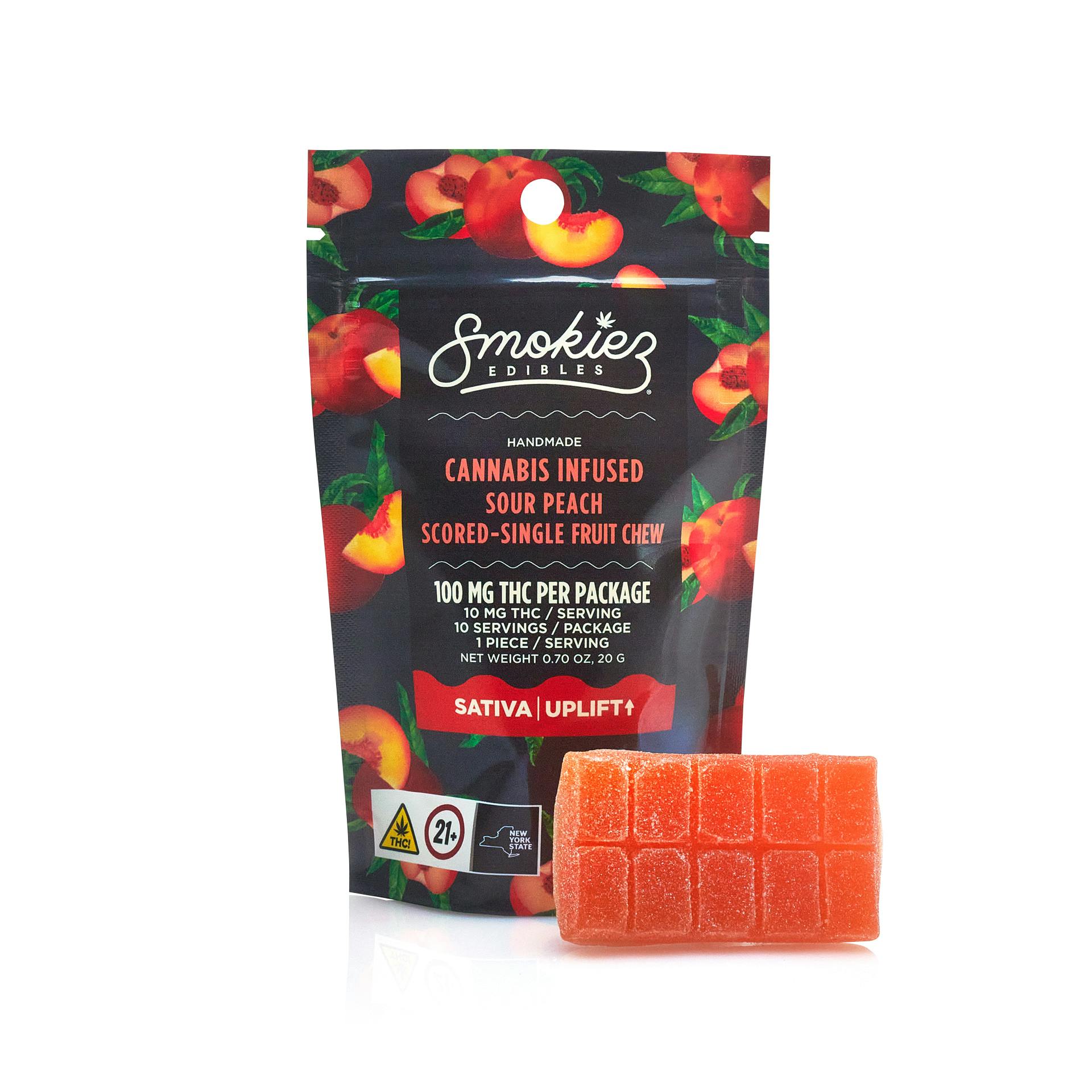
THC 0.4%·CBD 0.02%Sativa
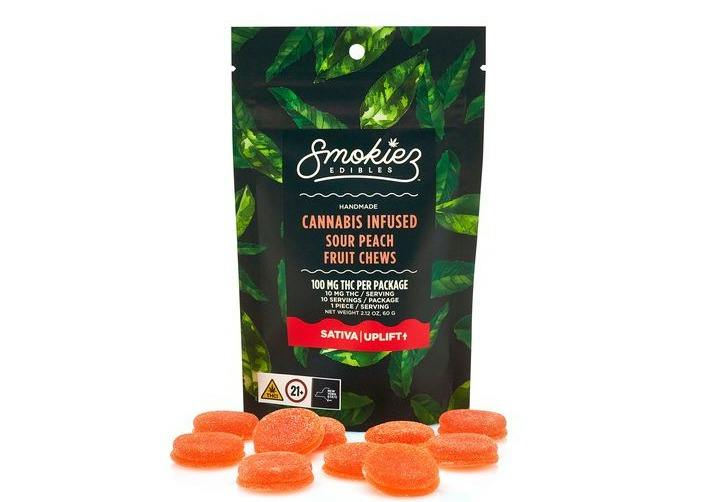
Smokiez EdiblesSour Peach Sativa Scored-Single Piece 100mg THC Fruit Chew · .1g
$15.93
$18after tax
weeddispensarynearme.com
You must be 21 years or older to enter. By entering, you confirm you’re of legal age in your state to purchase cannabis.
For use only by adults 21+ • Keep out of reach of children
Syosset, the quietly polished Nassau County enclave anchored by Jericho Turnpike and the leafy corridors of Underhill Boulevard, has developed a discerning appetite for adult-use cannabis — and edibles in particular. For the 21-and-older resident who values precision, discretion, and a refined experience, New York's licensed edible market offers an increasingly sophisticated selection worth knowing well.
About Edibles
Edibles occupy a unique and consequential position within the adult-use cannabis landscape. Unlike inhalation methods that deliver effects within minutes, edibles are metabolized through the digestive system and processed by the liver, converting delta-9 THC into a compound that produces a longer-lasting, often more body-centered experience. That distinction matters enormously for new and returning consumers alike, and New York's licensed market reflects it — products must comply with strict dosing limits set by the Office of Cannabis Management (OCM), with most single-serving items capped at 5 mg of THC and packages generally not exceeding 100 mg total. The category itself spans considerable ground. Gummies remain the dominant format, prized for portability and consistent per-piece dosing. Chocolates and confections from New York licensed producers have grown more refined in texture and flavor profile, shedding the medicinal aftertaste that once characterized early-market offerings. Beverages — sparkling tonics, enhanced seltzers, dissolvable powders — represent the frontier of fast-onset edible technology, with some nano-emulsified formulations beginning to close the gap between ingestion and effect. Within New York's licensed dispensary environment, every edible on the shelf carries a certificate of analysis (COA), ensuring that the THC and CBD content printed on the label reflects what is actually inside the package. This regulatory rigor is meaningful. Consumers can approach a licensed product with confidence that the 5 mg gummy they select has been tested for potency, residual solvents, microbials, and heavy metals — a level of accountability that unlicensed market products simply cannot provide. For shoppers new to edibles, the standard guidance holds: start with a low dose, allow at least 90 minutes to two hours before considering any additional serving, and choose a comfortable, familiar setting. The delayed onset is the characteristic most frequently underestimated, and patience is the single most effective tool a first-time edible consumer can bring to the experience.
Edibles for Syosset shoppers
Syosset sits comfortably in the middle Nassau County corridor, where the pace of Jackson Avenue's neighborhood streets contrasts pleasantly with the commercial rhythm of Jericho Turnpike. The community skews toward established professionals, families, and commuters who appreciate quality and subtlety in equal measure. It is, in other words, precisely the demographic for whom edibles were designed: adults who may prefer not to smoke, who value a predictable and contained experience, and who are accustomed to reading labels with care. The Long Island Rail Road's Oyster Bay Branch serves Syosset station, placing many residents on an evening commute that can stretch to 45 minutes or more into Penn Station or Grand Central Madison. An edible consumed after dinner at home — rather than during or before that commute — fits naturally into this rhythm. The format's discretion is another asset: a tin of gummies on a kitchen counter reads as unremarkably as a supplement, appropriate for a neighborhood where low-key domesticity is the prevailing aesthetic. Syosset winters, while milder than upstate, still bring the grey, compressed quality common to Nassau County from December through March. During those months, a warming evening with a low-dose edible and no obligation to step outside has genuine appeal. Summers along the Underhill Boulevard and Jackson Avenue corridors invite a different cadence — weekend afternoons, backyard gatherings, and the general ease of Nassau County at its most pleasant — occasions where a precisely dosed, slow-building edible suits the unhurried tempo far better than any faster-acting format.
What to look for
Selecting an edible thoughtfully begins with understanding what drives the experience beyond the THC number on the front of the package. Terpenes, while more commonly discussed in the context of flower, are present in full-spectrum and broad-spectrum edibles and contribute meaningfully to effect character. Myrcene, for example, is associated with a more relaxed, settled quality; limonene tends toward a lighter, more uplifted profile. Products that disclose their terpene composition — or that specify a cultivar-derived extract rather than distillate alone — give the consumer a more complete picture. THC potency in edibles should be evaluated relative to personal experience and intention. For those new to the category or returning after a significant break, the OCM's standard 5 mg serving is a sensible starting point. More experienced consumers may look for 10 mg servings or products with a balanced THC-to-CBD ratio, which many users find produces a more measured, even experience. CBD does not diminish the effect of THC so much as it appears to modulate its character — a consideration worth exploring through a licensed retailer's staff recommendations. Format trade-offs deserve careful thought for Syosset shoppers in particular. Gummies and chocolates offer long shelf lives and easy portability — relevant for anyone keeping a supply at home rather than purchasing impulsively. Beverages and dissolvable powders, with their faster nano-emulsified onset, suit occasions where the traditional 90-minute wait is impractical. When comparing products, examine the extract type (distillate versus full-spectrum live resin), the sugar and ingredient quality for health-conscious consumers, and whether the product carries a clear lot number traceable to a COA — all markers of a licensed, accountable product worth the premium.
Why ZenZest for edibles in Syosset
ZenZest Cannabis Dispensary operates as one of the more accessible licensed options for Syosset residents, with the Queens location at 272-06 Union Tpke, Bellerose, NY 11004 sitting approximately 12.8 miles west — a straightforward drive along the Nassau-Queens corridor that most Syosset commuters know intuitively. The store carries a curated selection of New York licensed edibles across formats, and the staff approach product guidance with the kind of measured, informed tone that suits a community that values substance over spectacle. For those who prefer to skip the drive entirely, ZenZest offers free same-day delivery on orders over $100 to more than 80 New York ZIP codes, with coverage that extends into Nassau County. Placing an order from a Syosset address — 11791 — and having a licensed, properly packaged edible selection arrive the same day represents exactly the kind of convenience that makes the licensed market a genuinely competitive option. The delivery window allows shoppers to browse the full menu at their own pace, read COAs, and make considered selections without the pressure of a retail floor.
ZenZest Queens · 272-06 Union Tpke, Bellerose, NY 11004 · 12.8 miles from Syosset.
$18after tax

$45after tax
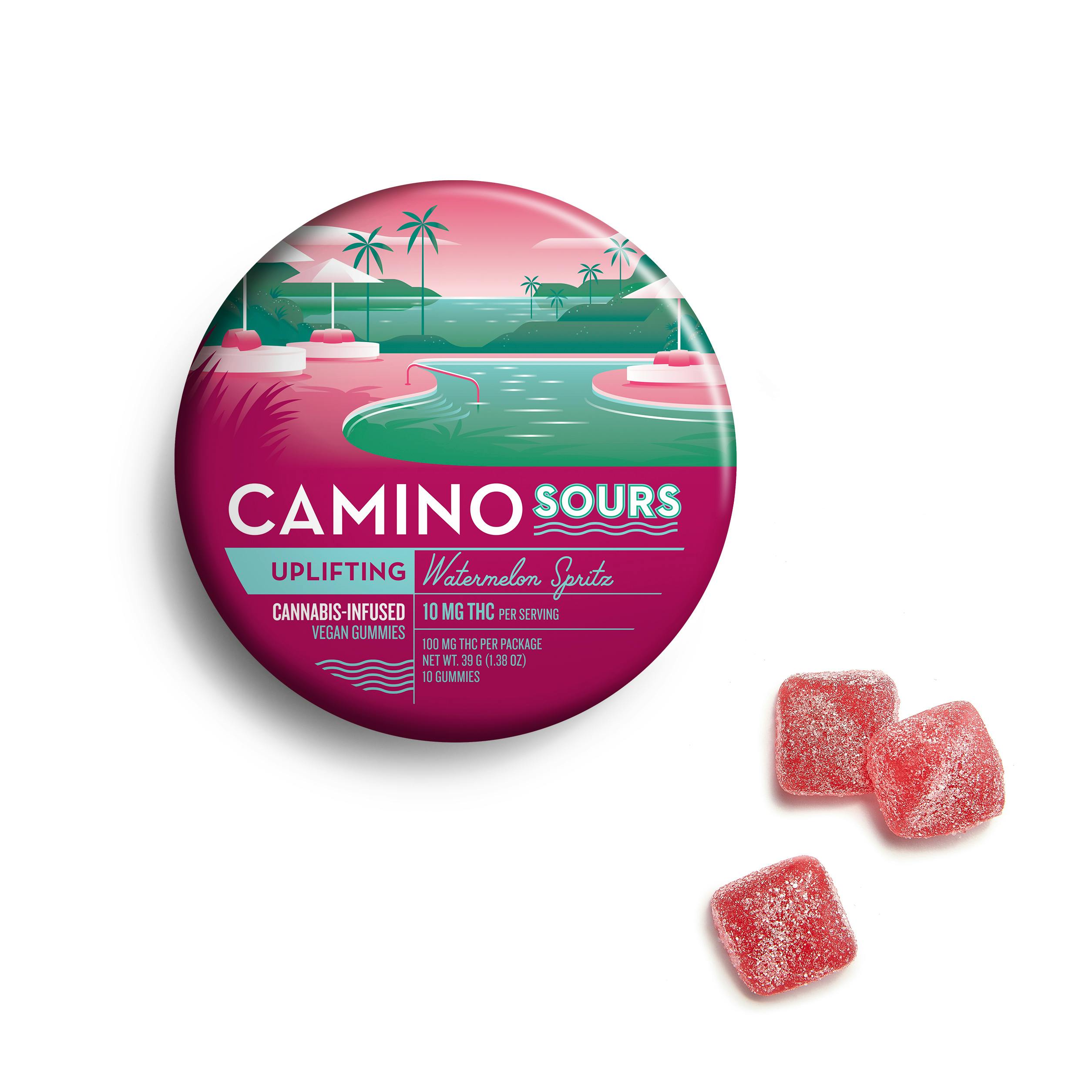
$32after tax

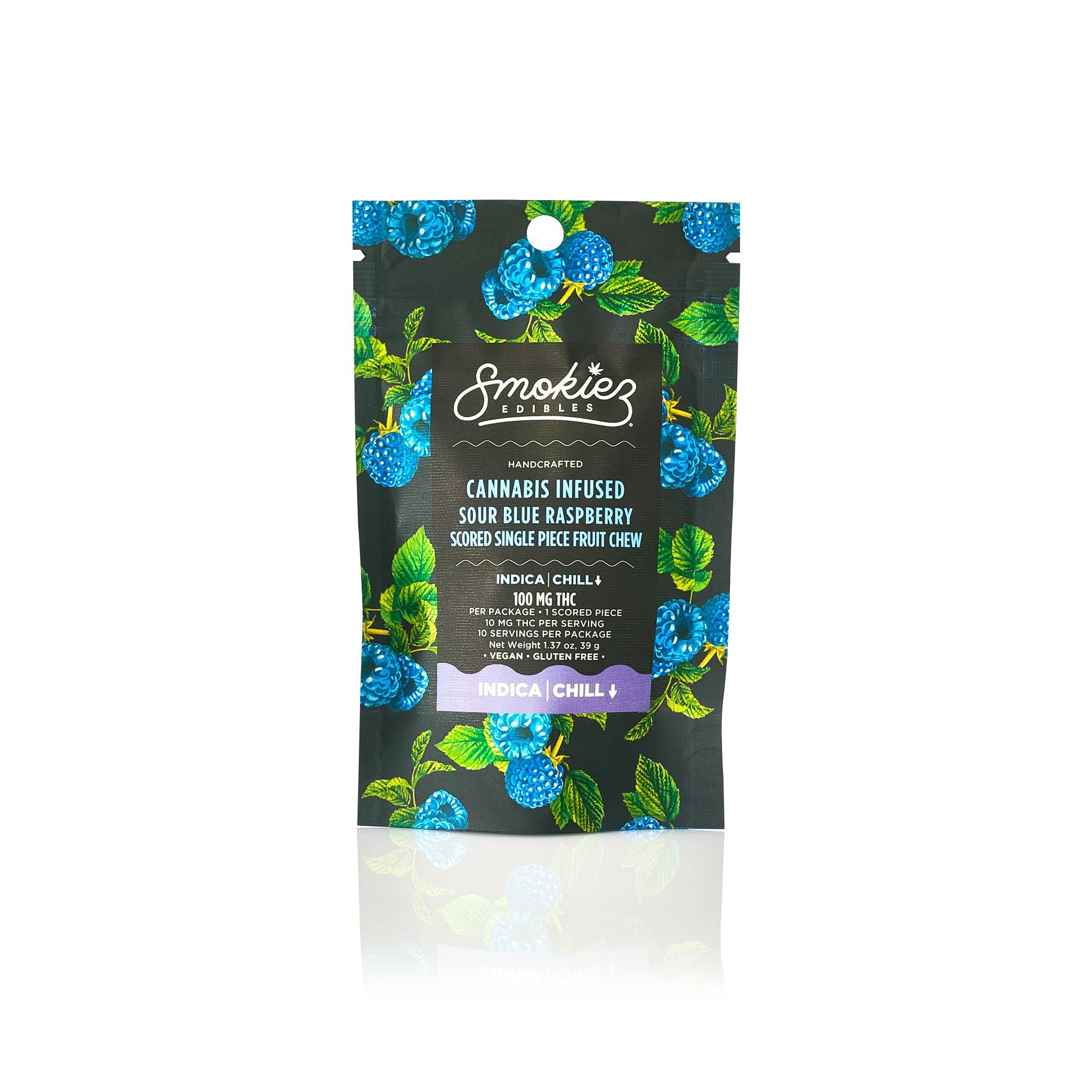
$18after tax

$20after tax
Yes. New York State's Marihuana Regulation and Taxation Act (MRTA) legalized adult-use cannabis for individuals 21 and older, and that framework applies throughout Nassau County, including Syosset's 11791 ZIP code. Purchasing from a licensed dispensary — whether in-store or via legal delivery — is the compliant path. Municipalities retain certain zoning rights, but personal possession and purchase from licensed retailers is governed by state law statewide.
Edibles are processed through the digestive system before THC enters the bloodstream, a pathway that generally takes between 45 minutes and two hours depending on metabolism, body composition, and whether you have eaten recently. This is meaningfully longer than inhalation methods. The liver converts delta-9 THC into a related compound during this process, which many consumers report as producing a deeper, more prolonged effect. Patience during this window is the most important practice for any edible consumer.
New York's licensed products are sold with per-serving THC amounts clearly labeled. For first-time consumers, or those returning after a long break, a 2.5 mg to 5 mg serving is the broadly accepted starting point. Allow the full onset window — up to two hours — before considering any additional serving. This guidance is not medical advice but reflects the standard 'start low, go slow' approach recognized across regulated cannabis markets. Your licensed retailer's staff can assist with product-specific questions.
Yes. ZenZest Cannabis Dispensary offers free same-day delivery on orders over $100 to more than 80 New York ZIP codes, and delivery service extends into Nassau County ZIP codes including the Syosset area. All deliveries are made by licensed personnel and require age verification (21+) at the door. Orders can be placed through ZenZest's online menu, allowing you to browse lab-tested edibles and confirm COA information before purchasing.
Distillate is a highly refined cannabis extract that isolates THC (and sometimes CBD) with most other plant compounds removed. It produces a clean, neutral-tasting edible with precise dosing. Full-spectrum and broad-spectrum extracts retain a broader range of cannabinoids and terpenes, which some consumers and researchers associate with a more complex, nuanced experience often called the 'entourage effect.' Full-spectrum edibles typically disclose their terpene profile; distillate products generally do not. Licensed New York dispensaries carry both, and staff can explain the distinction in the context of specific products.
Yes. Every product on the shelf of a New York licensed dispensary must pass state-mandated laboratory testing before it can be sold. This includes testing for accurate potency, residual solvents, pesticides, heavy metals, and microbial contamination. Each product batch receives a certificate of analysis (COA) that can typically be accessed by lot number. This is a meaningful distinction from unlicensed market products, which carry no such verification or accountability.
Edibles are best suited for post-commute home use rather than during transit, given their delayed and extended onset. For Syosset LIRR commuters arriving home in the evening, gummies or chocolates consumed after dinner align naturally with the effect timeline. Beverages with nano-emulsified THC, which may take effect more quickly than traditional edibles, can offer more timing flexibility. In all cases, edibles should be consumed in a setting where driving or operating machinery is not required.
Licensed edibles come in child-resistant, sealed packaging that should be kept closed when not in use. Store products in a cool, dry location away from direct sunlight, which can degrade THC and affect the texture and flavor of gummies or chocolates. Refrigeration is not generally necessary but can extend the shelf life of some confections. Always keep edibles out of reach of children and pets, and avoid storing them in locations where they might be confused with conventional food items.
Many licensed New York edibles are formulated with a combination of THC and CBD in varying ratios. While CBD alone does not produce intoxication, some users find that products with a meaningful CBD presence — such as a 1:1 THC-to-CBD ratio — produce a more measured, even quality compared to THC-dominant edibles. This is not a universally consistent finding, and individual responses vary. Products with balanced ratios can be a reasonable starting point for consumers who want the benefits of the edible format with a more modulated character.
The indica and sativa classifications are rooted in flower cultivation categories and become less technically precise when applied to edibles, particularly those made with distillate. However, many licensed producers use cultivar-specific or terpene-forward extracts and label their edibles accordingly. A gummy described as 'sativa-leaning' typically uses an extract from a cultivar associated with uplifting terpenes like limonene or beta-caryophyllene. A 'indica-leaning' product more often contains myrcene-rich extracts. Ask your retailer to explain the extract source for any labeled product.
Pick your store
We'll show pricing, deals, and delivery zones for the store you pick. You can switch any time from the header.