On sale· 20% OFF
THC 81.28%·CBD 0.26%Indica-Hybrid
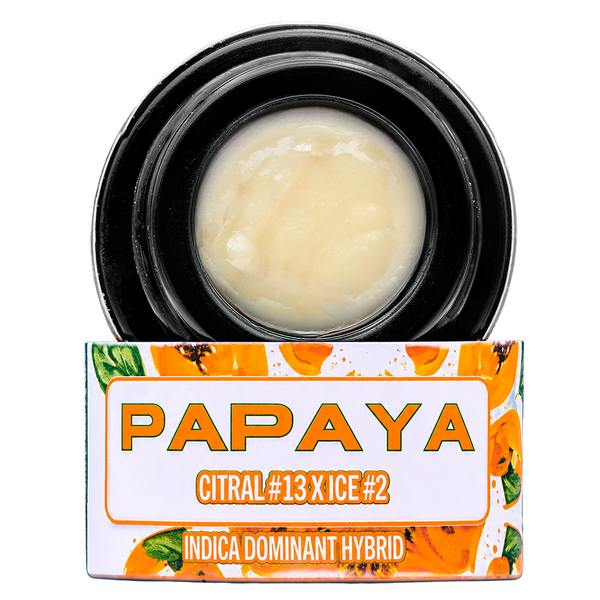
UmamiiUmamii | Live Rosin Jar | Papaya · 2g
$80.70$100.88
$94after tax

weeddispensarynearme.com
You must be 21 years or older to enter. By entering, you confirm you’re of legal age in your state to purchase cannabis.
For use only by adults 21+ • Keep out of reach of children
Sunset Park's dual corridors — the bustling merchant strip of 8th Avenue and the creative industrial edge of Industry City along the waterfront — have quietly cultivated one of Brooklyn's most discerning cannabis audiences. For concentrate enthusiasts in ZIP codes 11220 and 11232, solventless rosin represents the category's clearest expression of craft: no chemical extraction, no residual solvents, just pressure, heat, and the full spectrum of the plant.
About Rosin
Rosin is the only major cannabis concentrate produced without chemical solvents. By applying precise combinations of heat and hydraulic or pneumatic pressure to flower, hash, or kief, extractors squeeze a resin-rich oil directly from plant material. The result retains terpenes, cannabinoids, and minor compounds that solvent-based methods frequently degrade or strip away entirely. In a New York market now defined by the Office of Cannabis Management's stringent licensing requirements, rosin has become a benchmark product for evaluating a brand's commitment to quality inputs — because there is no solvent chemistry to mask inferior starting material. New York's licensed adult-use dispensaries are required to carry products tested by state-accredited laboratories, meaning every rosin on a compliant shelf arrives with a certificate of analysis confirming cannabinoid percentages and the absence of pesticides, heavy metals, and residual solvents. For consumers, this provides a layer of assurance that informal or unlicensed markets simply cannot match. When you purchase rosin through a licensed New York retailer, you are also supporting the state's social equity licensing framework, which was designed to prioritize communities historically affected by cannabis prohibition. The rosin category itself spans several distinct sub-formats. Fresh-press rosin is squeezed immediately after cure and delivers a bright, often wet consistency with pronounced terpene expression. Cold-cure rosin is whipped or badgered at low temperatures post-press to create a stable, saucy or buttery texture that many experienced users prefer for ease of handling. Live rosin — the category's premium tier — begins with fresh-frozen whole plant material rather than dried flower, capturing a broader aromatic profile that closely reflects the living plant. Hash rosin, pressed from ice-water hash, sits between these poles: refined, concentrated, and frequently the most potent expression available in a licensed New York dispensary. Potency in rosin typically ranges from the mid-fifties to the low eighties in total THC percentage, depending on input quality and cultivar. This is meaningfully higher than flower but lower than many distillate-based products, and the presence of a full terpene suite means the experiential effect is often described as more nuanced than raw THC numbers suggest. New York adults exploring concentrates for the first time should apply a start-low, go-slow approach regardless of prior flower experience.
Rosin for Sunset Park shoppers
Sunset Park occupies a particular position in Brooklyn's geography and cultural fabric. The neighborhood's elevated namesake park — perched above 5th Avenue near the 44th Street side — offers a sweeping view of the Manhattan skyline and the Upper New York Bay, and the community beneath it reflects decades of layered immigration: Cantonese and Fujianese families anchoring 8th Avenue's dim sum restaurants and herbalists, a growing Latin American commercial corridor along 5th Avenue, and an increasingly prominent creative and maker class drawn to Industry City's repurposed waterfront warehouses along 2nd Avenue and the Bush Terminal piers in the 11232 ZIP. This demographic layering shapes the rosin consumer in Sunset Park in specific ways. The creative professionals cycling between Industry City studios and the R and N trains on 4th Avenue tend to be ingredient-conscious shoppers — the same people reading labels on natural wine or single-origin coffee are often the ones asking a budtender about a rosin's terpene profile rather than its THC ceiling. The neighborhood's long-established working-class communities, meanwhile, increasingly include adults who have transitioned from the legacy market and are now discovering, often for the first time, the flavor complexity that solventless extraction preserves. For both audiences, rosin offers something the distillate vape cart market does not: transparency about what is actually in the product. Season also matters here. Sunset Park winters arrive with harbor wind cutting across the Gowanus Expressway overpass, making outdoor consumption impractical for much of the year. Rosin's compatibility with desktop and portable e-nail setups — which can be used comfortably indoors — gives it a practical advantage over methods that require ventilation or outdoor space. In warmer months, when the park itself becomes a social gathering point and the waterfront activates, smaller, portable dab pens loaded with rosin cartridges offer a discreet and flavorful option for adults spending time in the neighborhood's public-facing spaces.
What to look for
When evaluating rosin at a licensed New York dispensary, the certificate of analysis is your first reference point, but terpene composition is where experienced shoppers begin. Look for dominant terpenes — myrcene, limonene, caryophyllene, linalool, terpinolene — and consider what experiential qualities they are associated with. Myrcene-forward rosins tend toward a heavier, more sedating effect profile; limonene-forward expressions are often described as bright and mentally active; caryophyllene provides a peppery, grounding note with a distinct character of its own. A rosin boasting ten-plus identifiable terpenes in its lab report is generally a sign of careful fresh-freeze or high-grade input material. Format trade-offs matter practically. Fresh-press rosin is often available in a more liquid, saucy consistency that can be challenging to handle with a standard dab tool, particularly in a warm Industry City studio in July. Cold-cure and badder-style rosins hold their shape better at room temperature and tend to be the most beginner-friendly concentrate format for those transitioning from flower. Live rosin, while commanding a premium price point, often justifies the difference for enthusiasts who prioritize aromatic complexity over economy — the terpene retention from fresh-frozen inputs is measurably superior on most lab panels. For Sunset Park shoppers specifically, consider storage conditions. The neighborhood's older building stock — particularly the pre-war walk-ups along 5th Avenue and 6th Avenue — can experience significant temperature swings between seasons. Rosin is more sensitive to heat than cured resin concentrates; a product left in a warm room will melt, separate, and degrade faster than one kept in a cool, dark environment. Most New York licensed brands package rosin in glass jars with silicone liners — purchase a small dedicated cooler or a refrigerator-safe container if you anticipate storing your product for more than a few weeks. Always allow refrigerated rosin to return to room temperature before opening to prevent condensation from introducing moisture to the product.
Why ZenZest for rosin in Sunset Park
ZenZest Cannabis Dispensary's nearest location to Sunset Park is ZenZest Staten Island, at 2343 Forest Ave, Staten Island, NY 10303 — approximately 7.7 miles from the neighborhood's 11220 and 11232 ZIP codes. The Staten Island store carries a carefully curated selection of New York licensed rosin products, with staff trained to walk shoppers through terpene profiles, consistency types, and the differences between fresh-press, cold-cure, and live rosin formats. Whether you are an experienced concentrate consumer or making your first move away from flower, the team at Forest Ave can provide the context needed to find a product suited to your preferences. For Sunset Park residents who prefer not to travel, ZenZest offers free same-day delivery on qualifying orders over $100 to more than 80 New York ZIP codes, including coverage across Brooklyn. This means that a carefully selected rosin — along with any complementary accessories or flower purchases that bring an order to the qualifying threshold — can arrive the same day without requiring a trip off the peninsula. Delivery from a licensed retailer also guarantees the same lab-tested, state-compliant product you would receive in-store, with no ambiguity about provenance or testing status.
ZenZest Staten Island · 2343 Forest Ave, Staten Island, NY 10303 · 7.7 miles from Sunset Park.
$94after tax
$99after tax

$99after tax
$93after tax
Rosin is a solventless concentrate produced by applying heat and pressure to cannabis flower, hash, or kief to extract resin without any chemical solvents. This distinguishes it from butane hash oil, live resin, and distillate — all of which rely on chemical extraction. Because no solvents are introduced, rosin retains a more complete terpene and cannabinoid profile, and residual solvent testing on a rosin certificate of analysis should read at or near zero. At licensed New York dispensaries, every concentrate on the shelf carries state-mandated lab results confirming both potency and the absence of contaminants.
From a production standpoint, rosin eliminates the risk of residual hydrocarbon solvents, which is one reason many health-conscious consumers prefer it. New York's Office of Cannabis Management requires laboratory testing for all licensed products, so compliant concentrates of any type must meet strict residual solvent standards. Rosin's advantage is that it has essentially nothing to detect in that category by design. That said, rosin is a high-potency product, and adults new to concentrates should approach it with care, applying a start-low, go-slow principle regardless of prior cannabis experience.
Live rosin is pressed from ice-water hash made with fresh-frozen whole plant material — cannabis harvested and immediately frozen rather than dried and cured. This process preserves a broader terpene signature that curing tends to diminish. The result is a product whose aromatic complexity and flavor profile more closely reflects the living plant. For the flavor-forward, ingredient-conscious consumer that the Industry City and 8th Avenue corridors tend to attract, the premium is often considered worthwhile. If price is a primary consideration, high-quality cold-cure rosin from dried flower inputs offers a genuine and compelling alternative.
Rosin is thermally sensitive and will begin to melt, separate, or degrade if stored in a warm environment. Older pre-war buildings along 5th and 6th Avenues often have steam heat that creates inconsistent interior temperatures. Store rosin in an airtight glass jar in the coolest, darkest part of your home — a cabinet away from exterior walls or near a consistently cool interior space works well. For longer storage, a small dedicated section of a refrigerator is appropriate; allow the jar to reach room temperature before opening to prevent condensation from introducing moisture into the product.
Traditional rosin consumption uses a dab rig — a water pipe fitted with a quartz or titanium banger that is heated with a torch before the concentrate is applied. This method delivers the most complete flavor expression but requires equipment, open space, and some technical familiarity. For home use in a smaller Sunset Park apartment, an electronic nail (e-nail) or an all-in-one electronic dab device offers temperature precision without an open flame. For more discreet or portable use, some licensed New York brands produce rosin-filled vaporizer cartridges that work with standard 510-thread batteries and require no additional hardware.
Licensed rosin products in New York generally test between the mid-fifties and low eighties in total THC percentage, though exceptional batches of premium live rosin can approach the high seventies or beyond. This is substantially higher than most New York dispensary flower, which typically ranges from the mid-teens to the low thirties in THC. The gap is significant, and even experienced flower consumers should adjust their expectations when trying concentrate for the first time. The presence of a full terpene suite in quality rosin also means the effect profile may feel different from equivalent THC amounts in distillate-based products.
ZenZest Cannabis Dispensary offers free same-day delivery on orders over $100 to more than 80 New York ZIP codes, with coverage that extends across Brooklyn. Residents of both 11220 and 11232 — Sunset Park's two ZIP codes covering the 5th Avenue commercial corridor, the 8th Avenue neighborhood, and the Industry City waterfront area — should confirm eligibility at the time of ordering. Delivery from a licensed retailer ensures every product arrives with full state compliance and lab-tested documentation, identical to what you would receive purchasing in-store at the ZenZest Staten Island location on Forest Ave.
For a wind-down occasion after a long commute — a common evening scenario for Sunset Park residents using the 4th Avenue subway lines — look for rosin profiles with elevated myrcene, linalool, or beta-caryophyllene on the certificate of analysis. Myrcene is associated with a heavier, more relaxing character; linalool contributes floral, calming notes; caryophyllene is distinctly spicy and grounding. Avoid high-limonene or terpinolene-dominant expressions for this purpose, as those profiles tend toward brighter, more mentally active sensations. Your dispensary's staff can cross-reference available inventory against these terpene priorities.
In the absence of being able to inspect the starting material yourself, two indicators are available at the point of sale. First, review the certificate of analysis for total terpene percentage — a well-grown, carefully handled input typically yields a richer terpene panel. Second, ask the budtender whether the product is made from single-source or single-cultivar material, as single-cultivar rosins allow for more coherent terpene expression and easier comparison across purchases. Brands with transparent sourcing relationships and named cultivars on their packaging generally reflect a higher degree of craft than those using generically labeled biomass.
New York's Marihuana Regulation and Taxation Act permits adults 21 and older to purchase and possess cannabis products from licensed retailers. Concentrate possession limits follow the same framework as other cannabis products under state law. Consumption is permitted in private spaces and, under specific conditions, in designated areas — but is prohibited in vehicles, workplaces, and most public spaces. The Industry City complex and Sunset Park itself are public or commercially managed spaces where consumption would not be appropriate. Always verify current local rules, as New York City's approach to consumption lounges and designated areas continues to evolve under OCM guidance.
Pick your store
We'll show pricing, deals, and delivery zones for the store you pick. You can switch any time from the header.