Suffolk County · Tinctures
Best Tinctures in Stony Brook, Suffolk County
Stony Brook, zip code 11790, is a community shaped by academic rigor, leafy residential streets, and the quiet confidence of Long Island's North Shore. For adults navigating that particular rhythm — research deadlines, faculty gatherings, or simply an evening winding down off Nicolls Road — cannabis tinctures offer a discreet, precisely measured format worth understanding before you shop.
About Tinctures
Tinctures occupy a distinct and often underappreciated corner of the New York licensed cannabis market. At their core, they are liquid cannabis extracts — typically suspended in a carrier oil such as MCT, hemp seed oil, or sometimes alcohol — designed to be held briefly under the tongue for sublingual absorption or swallowed directly for a slower, more extended effect. Unlike flower or vaporizers, there is no combustion, no distinctive odor, and no hardware to maintain. For shoppers in Suffolk County accustomed to a quieter, more considered lifestyle, that subtlety is a genuine virtue. New York's adult-use framework, overseen by the Office of Cannabis Management, requires that all tinctures sold through licensed retailers carry accurate potency labeling, batch-tested cannabinoid percentages, and clear ingredient disclosure. This regulatory layer matters: when you purchase a tincture from a licensed dispensary in or near the 11790 area, you are receiving a product whose THC and CBD concentrations have been independently verified, not an informal preparation of uncertain strength. That accountability is foundational to making any informed purchase. The cannabinoid profile of a tincture shapes the experience meaningfully. Full-spectrum products preserve a broader range of minor cannabinoids and terpenes from the original plant, which many consumers find produces a more nuanced, rounded effect often described as the 'entourage effect.' Broad-spectrum options remove detectable THC while retaining other compounds, and isolate-based tinctures deliver a single purified cannabinoid — typically CBD or THC — in the cleanest possible form. Each format suits different intentions, and licensed New York retailers carry representatives of all three. Potency in tinctures is measured in milligrams per milliliter, and products on the New York market span a wide range — from gentle formulations around 5 mg THC per mL to concentrated options exceeding 30 mg per mL. New consumers are consistently advised to start low and go slow, allowing adequate time between doses to assess how a given product interacts with their individual physiology before considering any adjustment.
Tinctures for Stony Brook shoppers
Stony Brook's identity is inseparable from its university. Stony Brook University, one of the flagship campuses of the State University of New York system, draws a population that skews toward the analytical and the deliberate — faculty, researchers, graduate students, and the professional families who settle in the surrounding neighborhoods along and off Nicolls Road. That demographic tends to approach new products with a research mindset, preferring formats that offer measurable, repeatable experiences over ones that rely on intuition or improvisation. A tincture, with its clearly labeled milligram concentration and a dropper that allows consistent measurement, maps naturally onto that preference. The geography of 11790 also informs how people use cannabis products. Stony Brook is not a neighborhood one walks through; it is one you drive into and out of, typically via Nicolls Road or Route 25A. Evenings tend to be domestic rather than social in the nightlife sense — dinner at home, time in the garden during the warmer months, or extended evenings reading or watching film. A tincture suits these occasions well. It can be incorporated into a nightly routine without any preparation ritual, carries easily in a bag or medicine cabinet, and does not require a balcony or backyard the way flower consumption might. Seasonal considerations matter here, too. Long Island's North Shore winters are genuine — cold, occasionally icy, and conducive to staying indoors. During those months, the appeal of an edible or sublingual format that requires no outdoor component grows considerably. Conversely, the mild autumns and springs that make Stony Brook's tree-lined streets so pleasant invite low-key outdoor use — a walk along the waterfront near the Stony Brook Village Center, for instance — where a tincture's discretion is again an asset.
What to look for
When evaluating tinctures at a licensed New York retailer, the first variable to examine is the cannabinoid ratio. A product labeled 1:1 THC to CBD delivers both cannabinoids in equal measure, which many experienced consumers find produces a gentler, more modulated effect than a THC-dominant formulation. For someone new to tinctures — or returning to cannabis after a long break — a ratio-forward product or a CBD-dominant tincture with trace THC may represent the more measured entry point. Stony Brook shoppers who are accustomed to precision in their professional lives will likely appreciate that these ratios are not marketing language but documented, lab-verified values. Terpenes are secondary but worth considering. In full-spectrum tinctures, terpenes like myrcene, linalool, and beta-caryophyllene survive the extraction process and contribute to the overall character of the experience. Myrcene, for instance, is commonly associated with a more relaxed, settled feeling, while limonene skews energetic and bright. When a budtender or a product label mentions dominant terpenes, that information is practically useful — not merely botanical trivia. For evening use, which suits much of Stony Brook's residential rhythm, terpene profiles leaning toward myrcene or linalool are worth prioritizing. Carrier oil also affects absorption rate and palatability. MCT oil derived from coconut is the most common carrier in New York market tinctures and is generally neutral in flavor; hemp seed oil carries a nuttier, more assertive taste that some consumers enjoy and others find distracting. If you plan to incorporate a tincture into a beverage or a food preparation at home — a reasonable approach for the Stony Brook household cook — carrier oil flavor is worth tasting before committing to a larger bottle. Ask your licensed retailer whether samples or smaller-format options are available before purchasing a full-size product.
Why ZenZest for tinctures in Stony Brook
For Stony Brook residents in the 11790 ZIP code, the nearest ZenZest Cannabis Dispensary location is ZenZest Queens, situated at 272-06 Union Tpke in Bellerose, NY 11004, approximately 32.8 miles west along the Long Island Expressway. While that distance requires a planned trip rather than an impulse visit, the breadth of ZenZest's curated tincture selection — spanning full-spectrum, broad-spectrum, and isolate formats across multiple cannabinoid ratios — makes the journey worthwhile for shoppers who prefer to evaluate products in person, consult with knowledgeable staff, and leave with confidence in what they have selected. ZenZest's buying philosophy aligns well with the considered, research-oriented sensibility of the Stony Brook community. The staff is trained to discuss terpene profiles, potency ranges, and format trade-offs without pressure or oversimplification — the kind of conversation that a faculty member or a careful first-time buyer equally appreciates. Note that at this time, ZenZest's same-day delivery service, available free on orders over one hundred dollars within more than eighty New York ZIP codes, does not currently extend to the 11790 ZIP code, making the Queens store visit the recommended path for local shoppers.
ZenZest Queens · 272-06 Union Tpke, Bellerose, NY 11004 · 32.8 miles from Stony Brook.
Live tinctures for Stony Brook
Full tinctures menu →
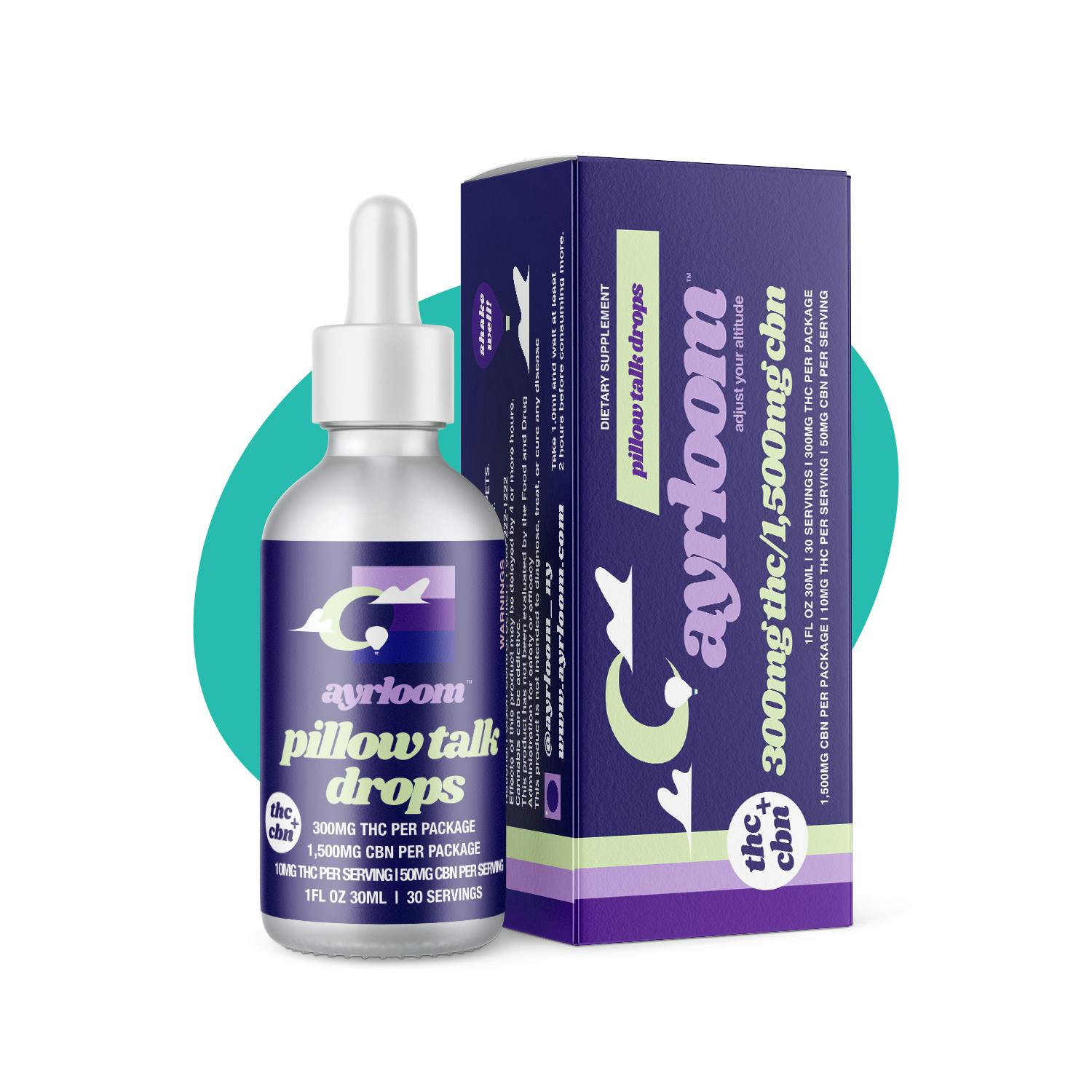
THC 0.93%Indica
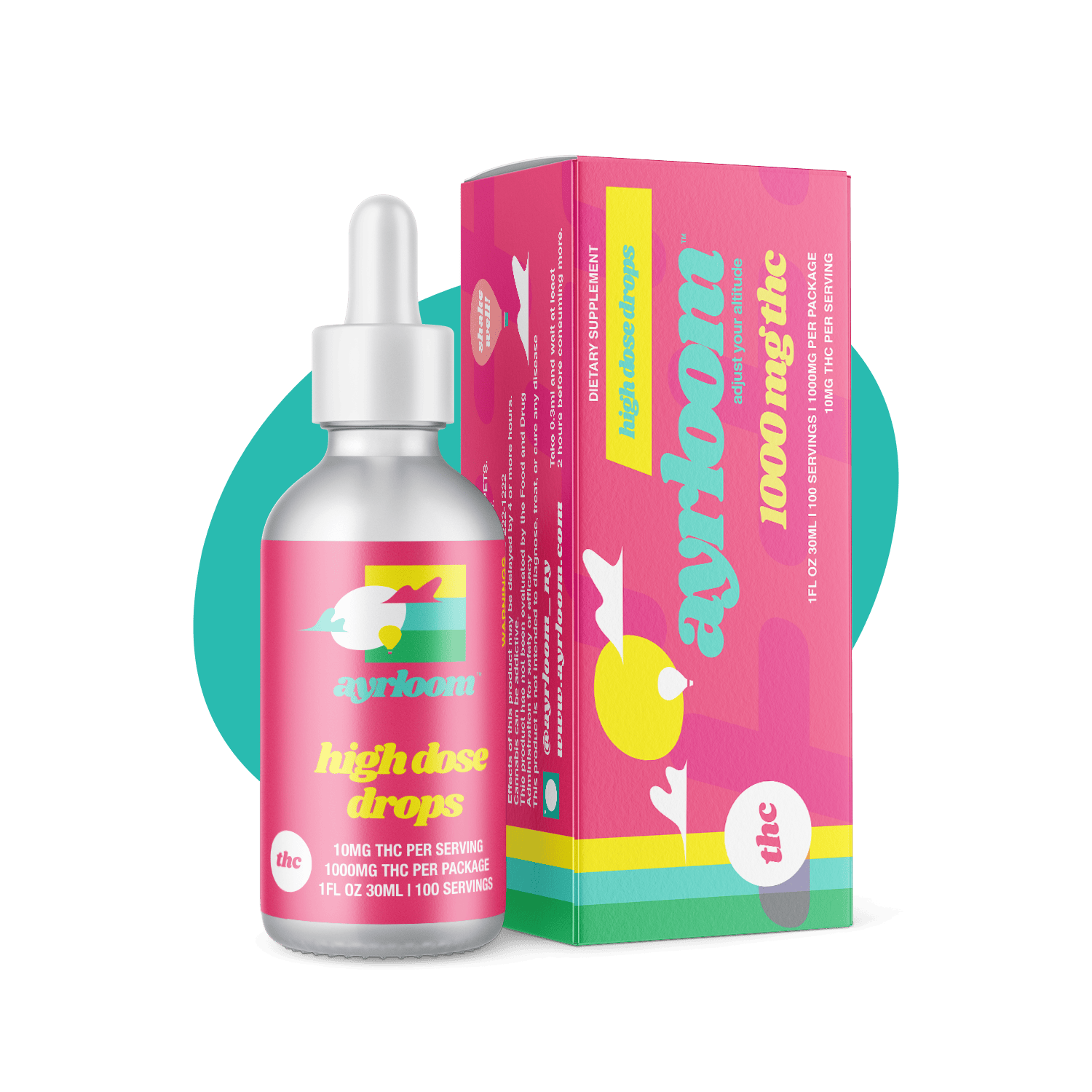
ayrloomAyrloom | Pillow Talk Drops | 1:5 | 300MG THC : 1500MG CBN · .1g
$44.25
$50after tax
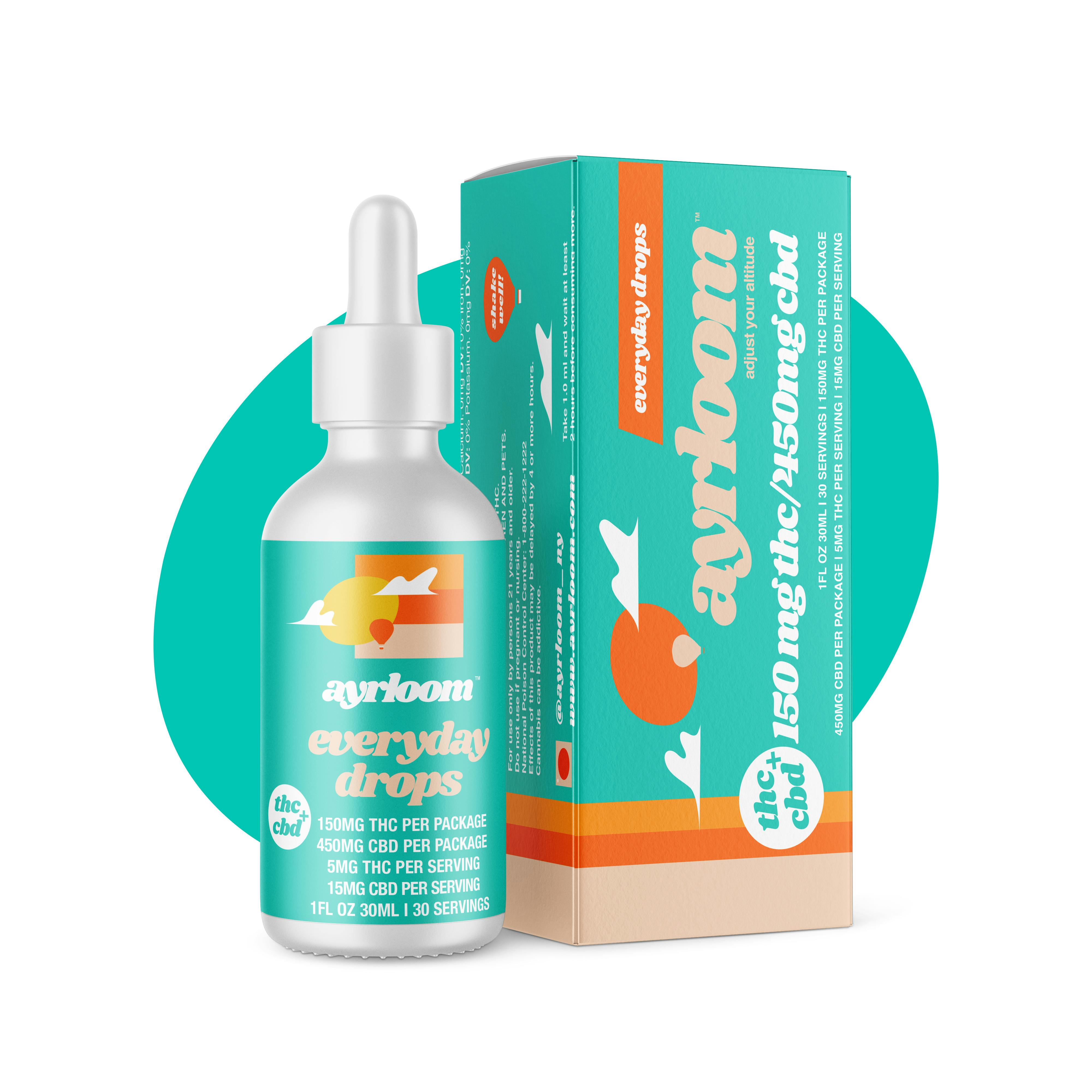
THC 0.53%·CBD 1.61%Hybrid
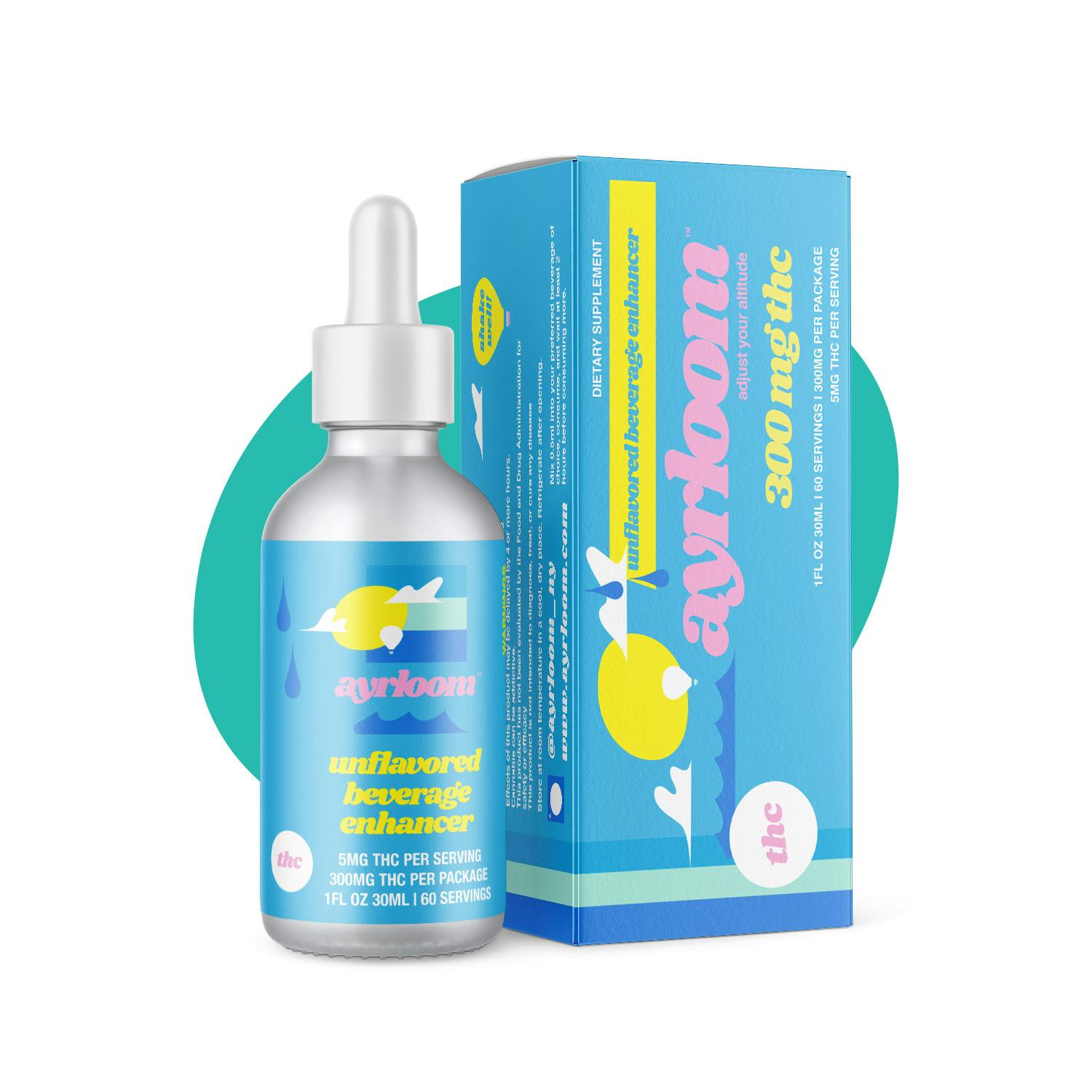
ayrloomayrloom | Low Dose Everyday Drops | 1:3 | 150MG THC : 450MG CBD · .1g
$30.00
$34after tax
Tinctures in Stony Brook — answers
What makes tinctures a practical choice for Stony Brook residents specifically?+
Stony Brook's residential, low-density character means most cannabis use happens at home rather than in social venues. Tinctures require no equipment, produce no odor, and integrate quietly into a domestic evening routine — qualities that suit the neighborhood's pace. Their measured dosing format also resonates with a community accustomed to precision, whether in academic research or professional work centered around the university corridor off Nicolls Road.
How do I read the potency label on a New York licensed tincture?+
New York licensed tinctures display potency in milligrams of THC and CBD per milliliter of liquid. A product labeled '10 mg THC / mL' in a 30 mL bottle contains a total of 300 mg THC across the full bottle. Your dropper typically delivers 1 mL per full squeeze, so each dropper in that example delivers approximately 10 mg. Always confirm the volume your specific dropper dispenses, as this can vary slightly by manufacturer, and start with a portion of that amount if you are new to the format.
What is the difference between sublingual and oral tincture use, and which should I choose?+
Sublingual use means holding the tincture under your tongue for 60 to 90 seconds before swallowing, allowing cannabinoids to absorb directly through the mucous membrane into the bloodstream. This typically produces effects within 15 to 45 minutes. Swallowing the tincture directly routes it through the digestive system, producing effects closer to those of an edible — slower onset, often 45 to 90 minutes, and a longer duration. For Stony Brook residents managing a specific evening schedule, sublingual use offers more predictable timing.
Are there tinctures designed for daytime use near the university without impairing cognitive function?+
CBD-dominant tinctures with minimal or no THC are available at licensed New York retailers and are popular among consumers who want the potential calming benefits of cannabis-adjacent compounds without intoxication. High-CBD, low-THC products — such as a 20:1 CBD to THC ratio — fall within this category. As always, individual responses vary, and it is prudent to try any new product at home before incorporating it into a workday routine. ZenZest Queens staff can help identify appropriate products in this range.
How should I store a tincture during Long Island winters and humid summers?+
Cannabis tinctures are best stored in a cool, dark location away from direct sunlight and temperature extremes. A kitchen cabinet or a bedroom drawer away from windows works well for most of the year. During Stony Brook's humid summers, avoid leaving tinctures in a car or near a stove. Refrigeration is not required but is acceptable and can extend shelf life for oil-based formulations. Always check the manufacturer's storage guidance printed on the label, as MCT-oil carriers and alcohol-based tinctures may have slightly different recommendations.
Can I mix a tincture into food or a beverage at home?+
Yes. Oil-based tinctures blend well into foods with a fat component — salad dressings, warm soups, or a small amount of nut butter — since cannabinoids are fat-soluble. Mixing into hot liquids is generally fine, though excessive heat may affect terpene preservation. When added to food or drink, the tincture behaves as an edible, with a slower and potentially more extended onset. Adjust your starting amount accordingly and allow at least 90 minutes before reassessing.
What terpenes should I look for in a tincture if I use it primarily in the evening?+
For evening use — common among Stony Brook residents winding down after long academic or professional days — terpene profiles featuring myrcene, linalool, or beta-caryophyllene are worth seeking. Myrcene is the most abundant terpene in many cannabis cultivars and is broadly associated with a relaxed, settled character. Linalool, also found in lavender, contributes a floral quality often described as calming. Beta-caryophyllene, present in black pepper and cloves, interacts with CB2 receptors and adds a spiced, grounding element to a full-spectrum tincture's profile.
How does the 'start low, go slow' principle apply specifically to tinctures?+
With tinctures, starting low means beginning with a dose at or below 5 mg of THC — roughly half a standard dropper for a 10 mg/mL product — on your first occasion. Going slow means waiting the full expected onset window, typically 30 to 90 minutes depending on whether you use it sublingually or swallow it, before considering any additional amount. Tinctures are easier to titrate than edibles but can still produce unexpectedly strong effects if a second dose is taken before the first has fully expressed. Evening use at home makes this cautious approach straightforward.
Is it legal to purchase cannabis tinctures in Suffolk County under New York adult-use rules?+
Yes. New York State's adult-use cannabis law permits residents 21 years of age and older to purchase cannabis products, including tinctures, from licensed retailers throughout the state. Purchasing from a licensed dispensary such as ZenZest ensures the product has met New York's testing, labeling, and licensing requirements. Possession and private use within legal limits are permitted for adults. Public consumption remains restricted under state law, and it is always advisable to review current Office of Cannabis Management guidelines for the most current regulations.
Why should I choose a licensed dispensary over an unlicensed source for tinctures?+
Licensed dispensaries in New York are required to sell only products that have passed independent laboratory testing for potency, pesticides, heavy metals, and residual solvents. Unlicensed products carry none of these assurances and may contain inaccurate cannabinoid labeling, undisclosed additives, or contaminants. For Stony Brook shoppers who prioritize quality and consistency — particularly those with academic or research backgrounds who understand the value of verified data — purchasing from a licensed retailer is the only defensible choice. ZenZest Queens at 272-06 Union Tpke operates fully within New York's licensed framework.