
Suffolk County · Rosin
Best Rosin in Stony Brook, Suffolk County
Stony Brook, ZIP 11790, sits at the quiet intersection of academic rigor and North Shore calm — a village where Nicolls Road runs through research corridors and tree-lined neighborhoods alike. For adults seeking solventless cannabis concentrates, rosin has emerged as the category that matches this community's appetite for craft, transparency, and measured quality. This guide navigates the rosin market as it applies to life in Stony Brook.
About Rosin
Rosin occupies a distinct and respected position within New York's licensed adult-use cannabis market. Unlike solvent-based extracts such as BHO or distillate, rosin is produced exclusively through the application of heat and pressure — no chemical agents, no residual solvents, no post-processing purge required to achieve a clean final product. The result is a concentrate that retains the plant's full terpene and cannabinoid profile in a way few other formats can rival, which is precisely why connoisseurs and curious newcomers alike have gravitated toward it as the concentrate category matures across the state. New York's Office of Cannabis Management licenses rosin production under strict quality-control frameworks, meaning every gram sold at a licensed dispensary has passed laboratory testing for potency, residual solvents (even though rosin contains none by process), heavy metals, and microbial contaminants. Certificates of analysis are standard and should accompany any product you consider purchasing. This regulatory backbone matters especially in a category where marketing language — 'live,' 'fresh-press,' 'cold-cure' — can be dazzling without a COA to ground it. Within the rosin family, shoppers will encounter several distinct formats. Flower rosin, pressed from dried and cured cannabis, tends to deliver a more economical price point with familiar terpene character. Hash rosin — pressed from ice-water hash made with fresh-frozen or dried flower — represents the premium tier, offering exceptional clarity, complex aroma, and a terpene-forward experience that rivals anything in the cannabis market. Live rosin, produced from fresh-frozen material, preserves volatile terpenes that would otherwise degrade during drying, resulting in an especially aromatic and nuanced product. Consistency of texture is another dimension worth understanding. Cold-cure rosin, rested at low temperatures post-press, develops a creamy, budder-like consistency prized for ease of handling. Freshly pressed rosin may present as a sappy or shatter-adjacent texture depending on the cultivar. Neither is superior — texture is largely an aesthetic and practical preference rather than a quality indicator on its own.
Rosin for Stony Brook shoppers
Stony Brook's rhythms are shaped in large part by the presence of Stony Brook University, one of the flagship campuses of the SUNY system and a significant research and medical hub for all of Suffolk County. The surrounding community skews toward graduate students, faculty, healthcare professionals, and long-established North Shore families — a demographic that tends to approach new categories with curiosity but also a preference for information and transparency. Rosin, with its clean production method and readily available lab data, speaks directly to that sensibility. The geography of 11790 also informs how and when residents engage with cannabis. Nicolls Road bisects much of daily life here, connecting the university corridor to surrounding residential pockets and eventually feeding into the broader Long Island Expressway system. Commutes — whether to Stony Brook Medical Center, into Midtown Manhattan, or simply across campus — are a genuine feature of daily life. Unlike flower or edibles, rosin is compact, discreet, and consumed in small quantities, making it a pragmatic choice for those who want intentional, measured sessions rather than something more drawn-out. Suffolk County winters along the North Shore can be genuinely cold, with dampness off Long Island Sound making evenings feel more severe than the thermometer suggests. A small jar of cold-cure hash rosin, used with a quality dab rig or a portable e-rig at home, suits the inward, quieter pace of Stony Brook's off-season evenings. Conversely, the village's proximity to state parks and North Shore shoreline in warmer months makes portable consumption formats — rosin cartridges filled with live rosin oil, or rosin-infused pre-rolls — worth keeping in mind for those occasions when the session moves outdoors.
What to look for
When evaluating rosin at a licensed New York dispensary, the COA is your first stop. Look for a terpene panel, not just total THC and CBD. Rosin from well-grown material will often show total terpene content above two percent, with specific compounds like myrcene, limonene, caryophyllene, linalool, or terpinolene providing meaningful signals about both aroma and the character of the experience. A rosin that lists only potency numbers and no terpene breakdown is worth a skeptical second look. THC potency in rosin typically ranges from the mid-fifties to the low eighties percent depending on the source material and production method. Higher potency is not inherently better — a hash rosin at sixty-two percent THC with a rich, intact terpene profile will generally outperform a heavily processed product at seventy-eight percent with negligible terpenes. The general principle of starting low and going slow applies with particular weight to concentrates, as the onset and intensity differ substantially from flower. If you are new to rosin, a modest amount with a low-temperature dab is the approach most experienced consumers recommend before calibrating further. Format trade-offs are real and worth considering for a Stony Brook lifestyle specifically. A traditional dab rig offers the fullest expression of flavor but requires setup, water, and a heat source — better suited to home use after a long day on campus or at the hospital. Portable e-rigs and dab pens that accommodate rosin provide more flexibility for those whose schedules are less predictable. Rosin-filled vape cartridges are a middle path: more convenient, though some terpene nuance is inevitably lost in the fill process. Rosin-infused flower and pre-rolls are increasingly available at licensed New York retailers and provide a gentler introduction to the concentrate's effects within a familiar format.
Why ZenZest for rosin in Stony Brook
For adults in Stony Brook and the surrounding 11790 ZIP code, the nearest licensed ZenZest Cannabis Dispensary location is ZenZest Queens, situated at 272-06 Union Tpke in Bellerose, NY 11004 — approximately 32.8 miles west via the Long Island Expressway corridor. The Queens location carries a curated selection of New York-licensed rosin products, including hash rosin, live rosin, and infused formats from vetted cultivators operating within the state's regulatory framework. Staff are trained to walk shoppers through COA details and terpene profiles rather than defaulting to generic potency comparisons. It is worth noting that ZenZest offers free same-day delivery on orders over one hundred dollars across more than eighty New York ZIP codes, though Stony Brook's 11790 is not currently within the active delivery zone. Shoppers in the area planning a visit to the Queens store are encouraged to browse the online menu in advance, as rosin inventory — particularly fresh-press and limited cold-cure drops — can move quickly. Combining a trip with other Long Island Expressway errands makes the journey efficient, and the Queens store's knowledgeable floor team is well worth the drive for anyone serious about exploring the solventless category.
ZenZest Queens · 272-06 Union Tpke, Bellerose, NY 11004 · 32.8 miles from Stony Brook.
Live rosin for Stony Brook
Full rosin menu →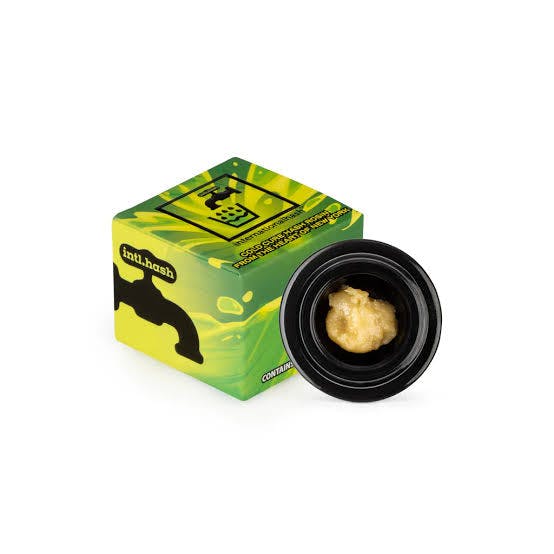
THC 75.73%Hybrid
INTERNATIONAL HASHInternational Hash | Cold Cure Hash Rosin | Grapefruit Hybrid · 1g
$66.37
$75after tax
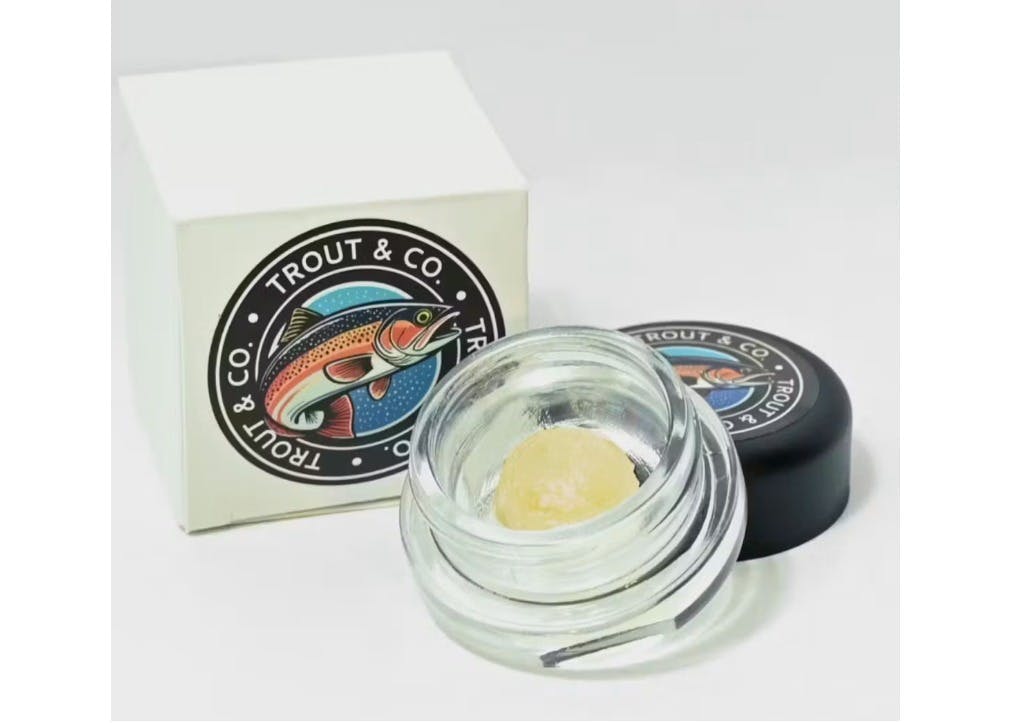
THC 77.52%Hybrid
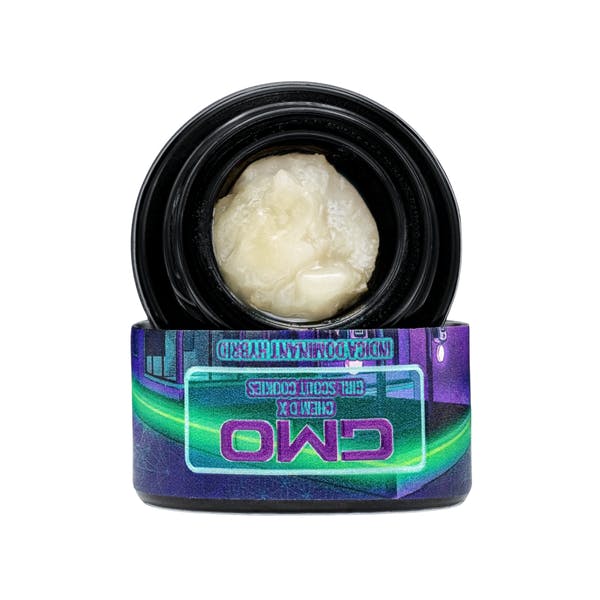
Trout & Co.Trout & Co. | Super Funk | Live Rosin Private Reserve · 1g
$88.50
$100after tax
Rosin in Stony Brook — answers
What exactly is rosin, and how is it different from other concentrates sold at New York dispensaries?+
Rosin is a solventless cannabis concentrate produced solely through heat and pressure applied to cannabis flower, kief, or ice-water hash. No chemical solvents such as butane or ethanol are involved at any stage, which means there is no residual solvent concern and no post-processing purge required. This distinguishes rosin from BHO, distillate, or CO2 oil. At licensed New York dispensaries, all concentrates carry COAs, but rosin's solventless nature is a meaningful differentiator for shoppers prioritizing process transparency.
Is rosin legal to purchase in Stony Brook, Suffolk County?+
Yes. New York State legalized adult-use cannabis for residents 21 and older under the MRTA, and Suffolk County is fully within that framework. Licensed dispensaries — including those accessible from Stony Brook via the LIE corridor — can legally sell rosin and other concentrates to adults 21 and over with valid government-issued ID. No medical card is required for adult-use purchases. Consumption remains subject to New York's public consumption rules, so review local ordinances before consuming outside a private residence.
What is the difference between flower rosin and hash rosin, and which is better for a first-time concentrate user near Stony Brook University?+
Flower rosin is pressed directly from dried cannabis and is typically the more accessible and affordable entry point. Hash rosin is pressed from ice-water hash — an additional processing step that refines the material and generally produces a cleaner, more terpene-forward product at a higher price. For a first-time concentrate user, flower rosin or a rosin-infused pre-roll offers a gentler introduction, as the effects are somewhat moderated compared to full-spectrum hash rosin. Starting low and going slow applies regardless of which format you choose.
How should I store rosin purchased from a licensed dispensary in Suffolk County?+
Rosin is sensitive to heat and light, both of which accelerate terpene degradation and can alter texture over time. Store your rosin in the sealed, child-resistant packaging it came in, placed inside a cool, dark environment — a drawer or cabinet away from direct sunlight. For extended storage, a dedicated silicone or glass dab container kept in a refrigerator (not freezer) can preserve freshness. Stony Brook's humid summers make ambient room storage less reliable during warmer months, so refrigeration is a practical choice for longer-term holds.
What terpenes should I look for when buying rosin, and what do they signal about the experience?+
Terpenes are aromatic compounds that contribute meaningfully to the character of a rosin's experience. Myrcene tends toward a calming, earthy profile. Limonene presents as bright and citrus-forward. Caryophyllene delivers a peppery, grounding quality. Linalool is floral and associated with a softer, more relaxed character. Terpinolene skews herbal and energetic. A rosin's COA should include a terpene panel. When shopping, ask dispensary staff to walk you through the dominant terpenes of any product you are considering — it is a more useful guide than THC percentage alone.
What equipment do I need to consume rosin at home in Stony Brook?+
The most traditional method is a dab rig — a water pipe fitted with a quartz banger or bowl heated with a torch — used at lower temperatures to preserve terpenes. Portable electronic rigs (e-rigs) have grown in popularity for their temperature precision and convenience; they are a strong option for the Stony Brook homeowner who wants a repeatable, controlled experience without the learning curve of torch technique. Dab pens that accept rosin are the most compact option. Each format delivers a somewhat different flavor and effect profile, so your equipment choice is worth considering alongside the product itself.
Are rosin vape cartridges available at licensed New York dispensaries, and how do they compare to jarred rosin?+
Yes, rosin-filled vape cartridges are available at select licensed New York dispensaries. They offer a discrete, portable format that is convenient for adults navigating busy schedules — a relevant consideration for the Stony Brook commuter or university professional. The trade-off is that some of the more volatile terpenes are inevitably lost during the fill and encapsulation process, meaning the nuance of a fresh-press jar will not fully translate into a cartridge. For connoisseurs prioritizing flavor complexity, jarred rosin with a dab rig remains the reference format.
How does rosin compare to edibles for a longer, quieter evening at home in Stony Brook?+
Rosin and edibles serve different intentions and timelines. Edibles typically take thirty minutes to two hours to produce effects, which are then extended and can be quite pronounced depending on dose — they suit a planned, stay-at-home evening with a long runway. Rosin's onset is near-immediate, and the experience is generally more controllable in real time, allowing you to assess and decide whether to continue. For a Stony Brook evening winding down after a long day, rosin offers a more responsive and adjustable option, particularly when used at low temperatures with quality equipment.
Does ZenZest deliver rosin to Stony Brook, and what are the nearest options for purchasing?+
At this time, Stony Brook's 11790 ZIP code is not within ZenZest's active same-day delivery zone. The nearest ZenZest location is the Queens store at 272-06 Union Tpke in Bellerose, approximately 32.8 miles west via the Long Island Expressway. Browsing the online menu ahead of a visit is advisable, as rosin inventory — particularly limited cold-cure and fresh-press drops — tends to sell through quickly. ZenZest does offer free same-day delivery on orders over one hundred dollars across more than eighty New York ZIP codes for eligible areas.
What should I ask dispensary staff when buying rosin for the first time?+
Prioritize three questions: First, can I see the COA, and does it include a terpene panel? Second, what is the source material — flower rosin or hash rosin — and was it fresh-frozen or dried before processing? Third, what is the recommended consumption temperature range for this specific product? Staff at a quality licensed dispensary should be able to answer all three without hesitation. In a category where marketing language can outpace substance, those three questions will quickly reveal whether the product and the retailer are worth your confidence.