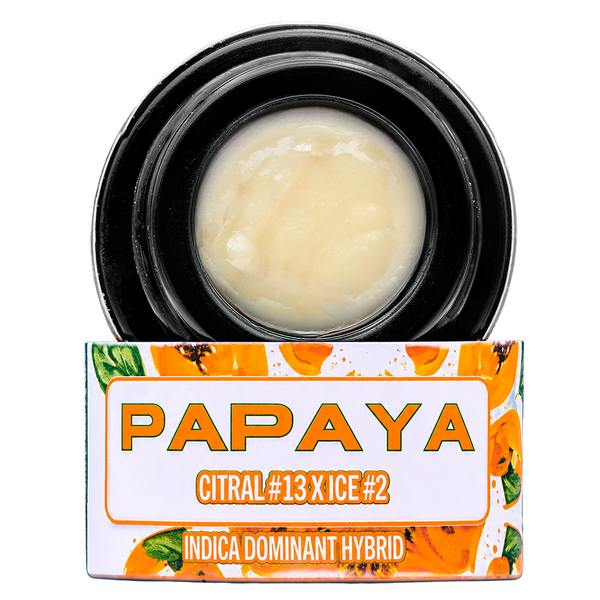
On sale· 20% OFF
THC 81.28%·CBD 0.26%Indica-Hybrid
UmamiiUmamii | Live Rosin Jar | Papaya · 2g
$80.70$100.88
$94after tax

weeddispensarynearme.com
You must be 21 years or older to enter. By entering, you confirm you’re of legal age in your state to purchase cannabis.
For use only by adults 21+ • Keep out of reach of children
Stapleton, one of Staten Island's most culturally layered waterfront neighborhoods, has developed a quiet but discerning appetite for solventless cannabis concentrates. Along the corridor stretching from Bay Street to Victory Boulevard, adults seeking rosin — the purest pressure-and-heat extract the legal New York market offers — will find a category that rewards patience, curiosity, and a preference for craft over convenience.
About Rosin
Rosin occupies a singular position in the New York adult-use concentrate market. Unlike hydrocarbon-extracted products such as BHO wax or shatter, rosin is produced entirely without chemical solvents. Licensed New York cultivators and processors apply calibrated heat and hydraulic or mechanical pressure to fresh-frozen cannabis, bubble hash, or cured flower, coaxing a full-spectrum oil from the plant material with nothing added and nothing artificial left behind. The result is a concentrate that retains the complete terpene and cannabinoid profile the cultivar developed in the ground. New York's Office of Cannabis Management licenses a growing number of processors authorized to produce solventless concentrates, and the rosin available through licensed dispensaries has matured considerably since the adult-use market opened. Shoppers now encounter a genuine range of textures — from glossy, pourable live rosin sauces to badder, budder, and pressed pucks with dry, crumbly consistencies — each reflecting specific processing temperatures and starting material quality. Hash rosin, made from ice-water-extracted bubble hash rather than raw flower, commands a premium because the input material is more labor-intensive to produce and typically yields a cleaner, more aromatic final product. For the adult consumer approaching rosin for the first time, the category offers both opportunity and nuance. Potency is generally high relative to flower — expect total cannabinoid content in the range of 60 to 85 percent depending on the cultivar and batch — which means the universal cannabis guidance to start low and go slow applies with particular weight here. Those already comfortable with vape cartridges or distillate products may find rosin a noticeably different experience: richer in secondary compounds, shorter in shelf life, and more sensitive to storage conditions. Kept in a cool, dark environment and ideally refrigerated when not in use, a quality rosin will hold its character for weeks rather than days.
Rosin for Stapleton shoppers
Stapleton sits along the northeastern edge of Staten Island's mid-island waterfront, bounded loosely by the St. George ferry terminal to the north and the commercial stretch of Bay Street running south toward Tappen Park. The neighborhood has historically been one of the borough's more diverse and working-class communities, but recent years have brought a wave of creative businesses, adaptive reuse of older commercial storefronts, and a demographic that skews toward people who commute into Manhattan via the Staten Island Ferry and return in the evening looking for a deliberate, unhurried wind-down. That commuter rhythm shapes the appeal of rosin in Stapleton in a specific way. Unlike pre-rolls or edibles — categories built around convenience and passive consumption — rosin rewards the kind of slow evening ritual that suits someone returning from a full day across the water. A small amount of rosin consumed through a purpose-built device at home near Tappen Park after a 25-minute ferry ride offers a qualitatively different experience than a quick vape draw: more present, more aromatic, and more connected to the plant itself. The neighborhood's growing food and beverage culture, centered on Victory Boulevard and the nearby Urby development along the waterfront, reflects the same appetite for craft and intentionality that rosin consumers tend to bring to their purchases. Season matters here as well. Staten Island's waterfront winters can be genuinely raw, and rosin's at-home, device-based format suits the colder months when outdoor consumption is uncomfortable. Summer evenings near the water, by contrast, are mild enough that smaller, portable dab devices have become a viable option for residents with private outdoor space along the bay-facing blocks of 10304.
What to look for
Evaluating rosin at a licensed New York dispensary requires attention to three interlocking factors: starting material, terpene profile, and texture. Starting material is the most consequential. Hash rosin — made from bubble hash derived from fresh-frozen cannabis — will almost always outperform flower rosin in aroma complexity and flavor clarity, because the initial ice-water extraction removes plant waxes and lipids that can muddy the final extract. If the product label or accompanying documentation specifies the hash grade (commonly expressed as micron screen size, with 73-to-90-micron material generally considered full-melt quality), that transparency is a good sign about the producer's standards. Terpene profile should be considered alongside the cultivar name. For Stapleton residents accustomed to the pace and sensory texture of a waterfront neighborhood, rosin expressions leaning on myrcene and linalool tend toward calming, body-centered experiences suited to evening unwinding; those built around limonene and pinene offer something brighter and more mentally engaged, appropriate for late-afternoon creative work or social occasions. Caryophyllene-forward profiles occupy useful middle ground and are increasingly common in New York-licensed rosin batches. Avoid placing too much weight on THC percentage alone — at this level of concentration, the interplay of minor cannabinoids and terpenes shapes the experience more meaningfully than a few percentage points of additional THC. Texture signals handling and storage history. A fresh, properly stored live rosin sauce should have visible terpene separation — a liquid layer pooling around a more solid core — and a bright, almost translucent color ranging from pale gold to amber. Badder and budder consistency products should be smooth and workable without being greasy. Any product that appears unusually dark, has lost its aroma, or shows signs of separation it wasn't designed to have may have been stored at inconsistent temperatures during transit — a risk that same-day local delivery from a trusted licensed retailer helps to mitigate.
Why ZenZest for rosin in Stapleton
ZenZest Cannabis Dispensary operates its Staten Island location at 2343 Forest Ave, Staten Island, NY 10303 — approximately four miles from the heart of Stapleton's Bay Street corridor, making it the most accessible licensed dispensary for residents of the 10304 ZIP code seeking rosin and other premium concentrate formats. The store's purchasing team curates its concentrate selection with an emphasis on licensed New York processors producing solventless and hash-derived products, and staff are trained to discuss starting material quality, terpene profiles, and appropriate consumption formats without resorting to oversimplified potency comparisons. For Stapleton residents who would prefer not to make the drive, ZenZest offers free same-day delivery on orders over $100 to more than 80 eligible New York ZIP codes, with 10304 among them. Rosin, given its premium price point, frequently meets that delivery threshold as a single-item purchase. Orders placed through the ZenZest platform arrive in discreet, properly sealed packaging suited to the temperature-sensitive nature of solventless concentrates. Whether you are building a first-time rosin order or replenishing a familiar rotation, ZenZest Staten Island provides a licensed, accountable point of access for one of the market's most craft-forward categories.
ZenZest Staten Island · 2343 Forest Ave, Staten Island, NY 10303 · 4 miles from Stapleton.
$94after tax
$99after tax

$99after tax
$93after tax
Rosin is the only major concentrate category produced without chemical solvents. Where BHO, distillate, and CO2 extracts use hydrocarbon or gas-based processes to strip cannabinoids from plant material, rosin relies solely on calibrated heat and pressure. The practical result for the consumer is a product that retains a broader range of terpenes and minor cannabinoids in their natural ratios, producing what many experienced users describe as a more complete and plant-accurate experience. Licensed New York processors must meet OCM standards regardless of extraction method, but the solventless distinction is meaningful for those prioritizing ingredient transparency.
Rosin can be approachable for concentrate newcomers, provided they respect the category's higher potency relative to flower or vape cartridges. Total cannabinoid content in licensed New York rosin products commonly falls between 60 and 85 percent, which is a significant step up from the 20-to-35 percent range typical of premium flower. Starting with a very small amount — less than a rice grain in volume — and waiting to fully assess the effect before consuming more is the appropriate approach. Adults who already have some experience with cannabis in other formats and want greater terpene complexity will generally find the transition rewarding.
The most common method for consuming rosin is a dab rig — a water pipe fitted with a quartz banger or titanium nail heated by a torch or, increasingly, an electronic heating element called an e-nail or e-rig. Electronic rigs, sometimes called portable e-rigs, have become the preferred tool for home consumers because they allow precise temperature control, which is important for preserving rosin's terpene profile. Rosin can also be used in compatible vaporizers designed for concentrates, or it can be layered into a bowl of flower as a topper. None of this equipment is sold by cannabis retailers; it is available at dedicated smoke and accessories shops.
Rosin is more temperature-sensitive than most other cannabis products. Exposure to heat accelerates terpene loss and can alter texture, while humidity introduces contamination risk. For storage periods of a week or less, a cool, dark environment at room temperature in the product's sealed silicone or glass container is generally sufficient. For longer-term storage, refrigeration in an airtight container is recommended, with the product allowed to return to room temperature before opening to prevent condensation. Staten Island's waterfront winters make cold-month storage relatively straightforward; summer months warrant more deliberate attention to keeping rosin away from warm surfaces.
For an evening wind-down ritual after a commute from Manhattan, myrcene-dominant rosin profiles are worth prioritizing. Myrcene is one of the most common terpenes in cannabis and is associated with relaxing, body-centered sensory qualities. Linalool, more floral and subtle, pairs well with myrcene in profiles intended for late-evening use. Caryophyllene, which has a spiced, peppery aroma, adds a degree of grounding character and is present in many New York-licensed hash rosin batches. Ask the staff at ZenZest Staten Island about current inventory with these terpene expressions — labeling practices vary by producer but information is increasingly available.
Yes. ZenZest Cannabis Dispensary offers free same-day delivery to eligible New York ZIP codes, including 10304, on orders over $100. Given that premium rosin products — particularly hash rosin from licensed New York processors — frequently reach or exceed that threshold as single-unit purchases, delivery is a practical and cost-effective option for Stapleton residents. Orders are packaged discreetly and handled with attention to the temperature sensitivity that solventless concentrates require. Delivery windows and availability should be confirmed directly through the ZenZest platform at the time of order.
Live rosin is made from fresh-frozen cannabis harvested and immediately frozen to preserve the plant's terpene content before any curing or drying occurs. Cured rosin begins with dried and cured flower or hash made from cured material. Live rosin tends to produce a brighter, more aromatic product with a broader terpene expression, and it commands a higher price point accordingly. Cured rosin can still be exceptional depending on the cultivar and producer. Both formats are available through licensed New York dispensaries, though live rosin has become the more prominent offering as the state's solventless processing sector matures.
Rosin, particularly hash rosin, occupies the upper tier of the New York licensed concentrate market. Where a half-gram vape cartridge might range from roughly $35 to $55, a comparable volume of quality hash rosin will often fall between $60 and $100 or more depending on the producer and starting material grade. Whether that premium is justified depends on what the consumer values. Those who prioritize solventless processing, full-spectrum terpene complexity, and transparency about input materials will generally find rosin worth the cost. Consumers whose primary concern is convenience or price per milligram of THC may find cartridges a better fit.
New York's adult-use licensing framework has produced a growing base of in-state cultivators and processors, and rosin made from New York-grown cannabis does appear in the licensed retail market. Availability fluctuates with harvest cycles and production timelines, and not every retailer maintains a consistent New York-origin rosin selection. The best approach is to ask staff at ZenZest Staten Island directly about current inventory from New York-licensed processors — the category is evolving quickly and new producers enter distribution regularly as the state's cannabis industry matures.
A well-labeled rosin product from a licensed New York processor should include the cultivar name, the form of starting material (flower, hash, or live frozen input), the processing method, the batch-specific cannabinoid percentages including THC and CBD, a terpene profile or at minimum the dominant terpenes, and a harvest or processing date. Freshness is meaningful — rosin produced within the past few months will generally have a more vibrant terpene profile than older stock. Any product that omits starting material information or lacks a processing date warrants additional questions before purchase.
Pick your store
We'll show pricing, deals, and delivery zones for the store you pick. You can switch any time from the header.