
Staten Island · Concentrates
Best Concentrates in Stapleton, Staten Island
Stapleton's waterfront revival and the quiet residential blocks radiating off Bay Street have cultivated a shopper who knows exactly what they want. Concentrates — from live resin cartridges to solventless rosin — represent the most refined expression of the cannabis plant, and the 10304 corridor now has the licensed access to match that standard.
About Concentrates
Cannabis concentrates are extracted forms of the plant that isolate and amplify the compounds most responsible for aroma, flavor, and effect. Where a traditional flower product delivers a broad, unrefined profile, a well-made concentrate distills that experience into something considerably more precise. Within New York's licensed adult-use market, concentrates arrive in several distinct formats: live resin, which is made from flash-frozen fresh plant material and prized for its full terpene retention; rosin, a solventless option pressed from either flower or hash using only heat and pressure; distillate, a highly purified extract often found in vape cartridges; and hash-based products like bubble hash or dry-sift that sit closer to the traditional end of the spectrum. New York's Office of Cannabis Management requires that all concentrate products sold through licensed dispensaries pass rigorous third-party testing for residual solvents, microbial contaminants, heavy metals, and potency accuracy. That regulatory framework matters especially for concentrates, where production technique and sourcing quality determine whether you receive something genuinely exceptional or merely potent. A lab certificate of analysis attached to your product is not a formality — it is the document that distinguishes a licensed New York purchase from an unverified alternative. THC percentages in concentrates typically range from the mid-60s to above 90 percent depending on format and production method. That range demands respect. General guidance across the industry holds to a start-low, go-slow approach, particularly for consumers newer to concentrated forms, because the onset and intensity differ meaningfully from flower. Solventless products like rosin are increasingly sought after by experienced consumers who prioritize terpene complexity alongside potency, and New York's growing cultivator ecosystem is producing single-source, small-batch options that genuinely reward careful attention.
Concentrates for Stapleton shoppers
Stapleton occupies a particular position on Staten Island that sets it apart from the borough's more suburban northern and southern reaches. The neighborhood is in active transition — the Stapleton waterfront development has introduced new foot traffic along Front Street and Bay Street, while the blocks climbing toward Victory Boulevard retain the density and character of a working urban neighborhood. Tappen Park anchors the social fabric of the area, drawing a cross-section of residents whose interests and routines vary considerably. That diversity shapes how concentrates fit into daily life here. For the commuter catching the Staten Island Ferry from the St. George terminal just north of the neighborhood, a compact vape cartridge loaded with a precise distillate or live resin oil is a practical companion — discreet, measurable, and requiring none of the preparation associated with flower. For the resident spending a weekend afternoon near Tappen Park or along the waterfront esplanade, a small jar of rosin or a curated hash product offers a slower, more deliberate experience suited to unhurried time. The 10304 ZIP code sits close enough to the ferry and the Bayview Correctional area redevelopment that there is genuine interest from younger professionals alongside long-established community members, and concentrates span that range well. Staten Island winters along the Kill Van Kull shoreline arrive with real bite, and temperature matters when storing concentrates — consistency and terpene integrity can degrade faster with repeated cold-to-warm cycling. Keeping products in stable indoor conditions preserves both flavor and potency, something worth noting for anyone carrying a cartridge through the exposed waterfront corridor in January.
What to look for
Selecting a concentrate begins with understanding what the format is actually designed to deliver, and that requires looking past the THC number on the label. Terpenes — the aromatic compounds shared between cannabis and countless other plants — are the primary drivers of differentiated experience within concentrates. Myrcene contributes a grounding, earthy quality; limonene reads as bright and uplifting; caryophyllene carries a peppery warmth with some evidence of interaction with CB2 receptors; linalool offers a floral, calming character. A concentrate's terpene profile, usually expressed as a percentage on the certificate of analysis, tells you far more about what to expect than THC content alone. Format trade-offs deserve equal attention. Vape cartridges are convenient and consistent, but hardware quality and oil formulation vary — a 510-thread cartridge from a licensed New York brand should clearly specify whether it contains live resin, distillate, or a terpene-reintroduced blend, and those distinctions affect the experience significantly. Dabbable products like rosin and live resin demand either a dab rig or a quality electronic device, which represents an upfront equipment consideration but rewards with a fuller, more transparent flavor. Hash products occupy a middle ground — they can be bowl-topped on flower or pressed into rosin — and tend to appeal to consumers who find pure distillate too stripped of character. For Stapleton shoppers specifically, the practical calculus often comes down to occasion and portability. The cartridge format suits commute days and time spent outdoors near the waterfront. Jar-format products — rosin, live resin, or hash — reward the at-home occasion and are better suited to the deliberate, unhurried sessions that a neighborhood with Tappen Park's social gravity tends to produce on weekends. Start low, go slow applies here with particular force: concentrates are not an incremental step from flower but a meaningful shift in intensity.
Why ZenZest for concentrates in Stapleton
ZenZest Cannabis Dispensary on Forest Avenue — specifically at 2343 Forest Ave, Staten Island, NY 10303 — is approximately 4.0 miles from the center of Stapleton, making it the most accessible licensed concentrate destination for 10304 residents. The store carries a curated concentrate selection that spans cartridges, rosin, live resin, and hash-adjacent formats from New York-licensed cultivators and extractors, with staff who can walk through certificates of analysis and terpene profiles without condescension. For those who prefer not to make the trip up toward Forest Avenue, ZenZest offers free same-day delivery on orders over $100 to more than 80 New York ZIP codes, and Stapleton's 10304 is among the eligible areas. That means a carefully chosen rosin or a set of cartridges can arrive the same day without the commute — a meaningful convenience for a neighborhood whose residents are already navigating the ferry schedule and Victory Boulevard traffic. Delivery orders are handled with the same licensed, compliant standards as in-store purchases.
ZenZest Staten Island · 2343 Forest Ave, Staten Island, NY 10303 · 4 miles from Stapleton.
Live concentrates for Stapleton
Full concentrates menu →

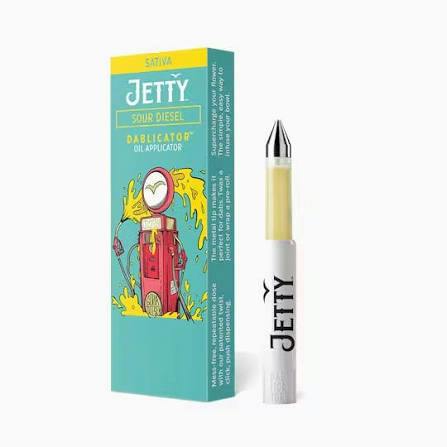
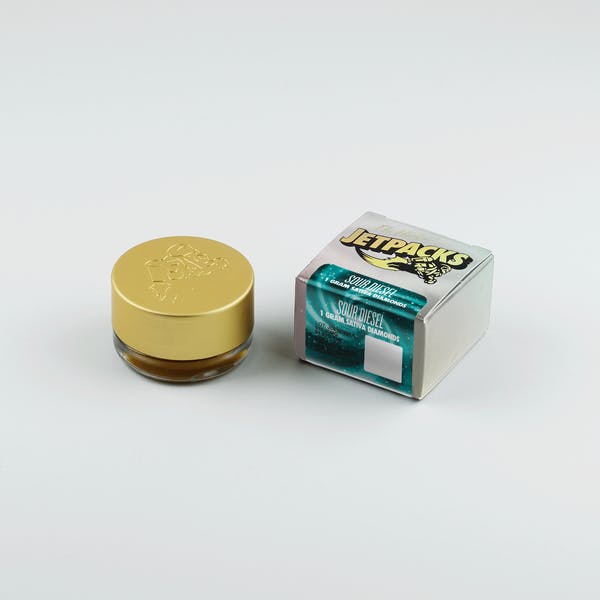
THC 81.9%Sativa
Jetty ExtractsJetty Extracts Concentrate Dablicator High THC Sour Diesel - Sativa · 1g
$35.40
$40after tax
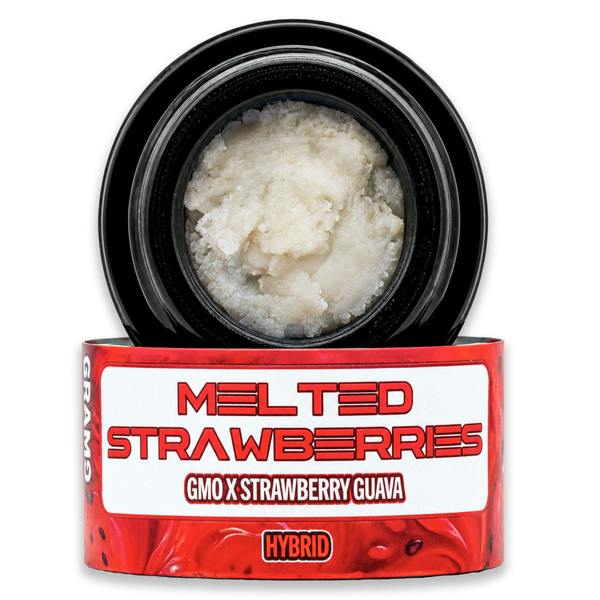
THC 77.37%·CBD 0.16%Hybrid
UmamiiUmamii | Live Rosin Jar | Melted Strawberries · 2g
$100.00
$113after tax
Concentrates in Stapleton — answers
What types of cannabis concentrates are legally available to adults in Stapleton, Staten Island?+
Through New York's licensed adult-use dispensary system, Stapleton residents aged 21 and over can access vape cartridges, live resin, rosin, distillate, bubble hash, dry-sift hash, and badder or wax-format extracts, depending on what each licensed retailer carries. All products must pass state-mandated third-party testing before reaching the shelf, and a certificate of analysis should be available for any product you purchase. The 10304 ZIP code is served by licensed retailers, including delivery-eligible options.
How is live resin different from distillate in a vape cartridge?+
Live resin is produced from cannabis that has been flash-frozen immediately after harvest, preserving the plant's native terpene profile before any degradation occurs. Distillate, by contrast, is a highly refined extract that strips most compounds other than cannabinoids, often resulting in a cleaner but less complex oil. Many distillate cartridges reintroduce terpenes post-processing, but the source and quality of those terpenes vary. For flavor-forward consumers along the Stapleton waterfront, a live resin cartridge from a reputable New York cultivator tends to offer a more expressive profile.
Is solventless rosin safer than solvent-based concentrates?+
All licensed New York concentrate products — whether solventless or solvent-based — must pass residual solvent testing before sale, meaning legally produced hydrocarbon or CO2 extracts should not present elevated solvent risk. That said, rosin's appeal to many consumers is philosophical as much as practical: it is produced using only heat and pressure, with no chemical extraction medium involved at any stage. For Stapleton shoppers prioritizing process transparency alongside potency, rosin from a licensed producer offers a clear supply chain from plant to jar.
What terpenes should I look for in a concentrate if I want a calming, unwinding effect after a long commute?+
Terpenes associated with a grounding, relaxing character include myrcene, linalool, and beta-caryophyllene. Myrcene is the most abundant terpene in many cannabis cultivars and contributes an earthy, herbal quality. Linalool is also found in lavender and carries a distinctly floral, calming note. Beta-caryophyllene, found in black pepper and cloves, is the only terpene known to interact directly with cannabinoid receptors. A concentrate listing these prominently in its certificate of analysis may suit a post-ferry, post-commute unwinding occasion well — though individual response varies.
How should I store concentrates during the colder months near Stapleton's waterfront?+
Temperature stability is the primary concern with concentrate storage. Most dabbable formats — rosin, live resin, badder — benefit from refrigeration when not in use, but should be allowed to return gradually to room temperature before handling to avoid condensation. Vape cartridges should be kept away from cold extremes, which can thicken the oil and cause clogging or hardware stress. If you are carrying a cartridge through Stapleton's exposed waterfront corridor in winter, keeping it in an interior jacket pocket close to body heat helps maintain consistent viscosity.
Can I get concentrates delivered to my address in the 10304 ZIP code?+
Yes. ZenZest Cannabis Dispensary offers free same-day delivery on orders over $100 to more than 80 New York ZIP codes, and Stapleton's 10304 is among the eligible areas. Delivery is conducted by licensed staff in compliance with New York state regulations. All the standard age verification requirements apply — a valid government-issued ID confirming you are 21 or older is required at the point of delivery, the same as an in-store purchase.
What equipment do I need to consume dabbable concentrates like rosin or live resin?+
Traditional consumption of dabbable concentrates requires a dab rig — a water pipe designed for high-heat use — along with a nail or banger, a torch, and a dabber tool. Electronic alternatives, often called e-rigs or e-nails, regulate temperature electronically and have grown in popularity among consumers who prefer precision over the variables of torch-based heating. Lower-temperature dabbing is generally associated with better terpene expression and smoother vapor. For Stapleton residents new to the format, an entry-level electronic device offers a lower learning curve than traditional rig setup.
How do THC percentages in concentrates compare to what I might be used to from flower?+
Licensed New York flower products typically range from roughly 15 to 30 percent THC by weight. Concentrates begin where many premium flower products end — vape oils often land between 70 and 85 percent, while high-quality rosin and live resin may read between 60 and 80 percent, with some products higher. This is a significant difference in intensity, and the start-low, go-slow principle applies with particular force. For consumers transitioning from flower, beginning with the smallest practical amount and allowing adequate time to assess effect before consuming more is strongly advisable.
Are there single-source or small-batch concentrates available from New York cultivators?+
New York's licensed cultivator and processor ecosystem has grown considerably since adult-use retail opened, and a number of small-batch, single-source concentrate options are now available through licensed retailers. Single-source products — where the cannabis is grown and processed by the same operation — offer traceability that appeals to consumers who treat concentrate selection the way a food-conscious shopper might approach provenance at a farmers market. Staff at licensed dispensaries serving the Stapleton area, including ZenZest on Forest Avenue, can advise on which current inventory reflects local or regional cultivation.
What should I ask a dispensary staff member to help me choose between concentrate formats?+
The most productive questions center on your intended occasion, your experience level with concentrates, and whether you already have hardware at home. From there, a knowledgeable staff member can narrow the field meaningfully. Ask to see the certificate of analysis — specifically the terpene panel and residual solvent results. Ask whether the oil in a given cartridge is live resin or distillate, and how the terpenes were sourced. For dabbable products, ask whether the material was produced by a single cultivator or blended. These questions signal the kind of inquiry that good dispensary staff are genuinely equipped to support.