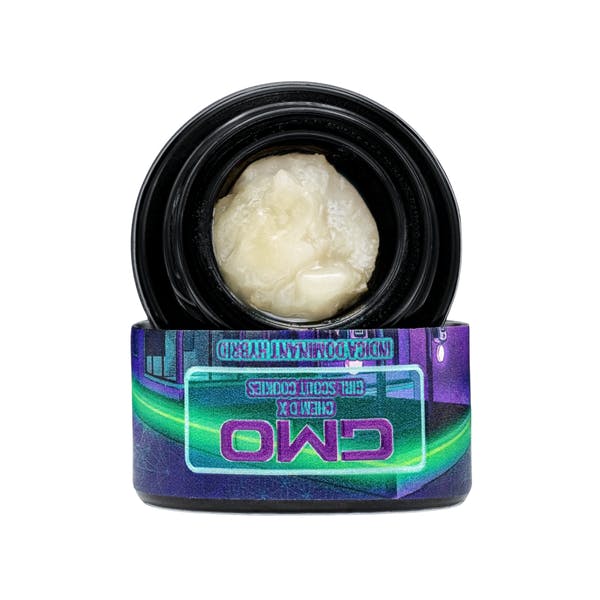
On sale· 20% OFF
THC 70.7%Indica-Hybrid
UmamiiUmamii | Live Rosin Jar | GMO · 2g
$80.00$100.00
$93after tax

weeddispensarynearme.com
You must be 21 years or older to enter. By entering, you confirm you’re of legal age in your state to purchase cannabis.
For use only by adults 21+ • Keep out of reach of children
St. George — the walkable waterfront village anchoring Richmond County's north shore — has quietly become one of Staten Island's most discerning neighborhoods for cannabis culture. Rosin, the solventless concentrate prized for its purity and full-spectrum expression, fits that sensibility precisely: no shortcuts, no additives, just pressure, heat, and craft.
About Rosin
Rosin occupies a distinct tier within New York's licensed cannabis concentrate market. Unlike hydrocarbon extracts that rely on solvents such as butane or propane, rosin is produced entirely through the application of heat and pressure — a process that preserves the plant's original terpene profile with unusual fidelity. The result is a concentrate that tastes, in the best examples, like a direct translation of the living flower rather than a processed derivative of it. New York's Office of Cannabis Management licenses rosin under the broader solventless concentrate category, which means every product available at a licensed dispensary has cleared rigorous testing for residual solvents (none, in rosin's case), heavy metals, pesticides, and microbial contaminants. That regulatory framework matters enormously for a product category where quality signals can be subtle — a legitimate Certificate of Analysis distinguishes a well-pressed single-source rosin from inferior alternatives. Within the rosin category itself, shoppers will encounter several distinct formats. Fresh-press rosin is processed immediately after harvest and tends to carry the most vivid, volatile terpenes. Cured rosin — made from dried and cured flower — often presents a more stable, shelf-ready consistency and a slightly warmer, earthier aromatic character. Hash rosin, produced by first washing the plant material into ice water hash (bubble hash) and then pressing that intermediate product, represents the pinnacle of the solventless process: greater terpene concentration, a cleaner finish, and a price point that reflects the labor involved. New York's licensed market has seen an encouraging expansion of domestically produced solventless products since the Conditional Adult-Use Retail Dispensary program began maturing. Shoppers at compliant dispensaries can now access rosin from cultivators working across the state's diverse microclimates, each imparting regional character to the finished concentrate.
Rosin for St. George shoppers
St. George's identity is shaped by its position as a transit hub and a genuine neighborhood simultaneously. The St. George Ferry Terminal — one of the busiest commuter ferry landings in the country — means a significant portion of residents spend part of each day in transit between Richmond County and Lower Manhattan. That commute context informs how many St. George residents think about cannabis: they tend to favor products that are precise, predictable, and easy to incorporate into an intentional evening wind-down rather than a casual, imprecise experience. Rosin, with its well-preserved terpene profiles and absence of residual solvents, aligns with that preference for a cleaner, more transparent product. The neighborhood itself stretches along Bay Street and climbs toward Victory Boulevard, a corridor that mixes pre-war residential architecture with the cultural institutions that define St. George's recent revitalization — the Staten Island Museum, the St. George Theatre, and a growing collection of independent restaurants and bars. The demographic is notably mixed: longtime borough residents, young professionals who've chosen Staten Island for its relative affordability, and a creative community drawn by the neighborhood's independent character. Across these groups, there is a shared appreciation for quality over volume — the same sensibility that makes a small-batch hash rosin a natural category fit. Seasonally, Richmond County's waterfront winters are genuinely cold and often damp, with harbor winds that make outdoor activity brisk rather than pleasant. Those months drive residents indoors and tend to favor warmer, richer aromatic profiles — think myrcene-forward or caryophyllene-dominant rosins that complement an evening at home rather than an outdoor social occasion. Summers along the St. George waterfront, by contrast, are lively, and lighter terpene profiles carry well in that context.
What to look for
Selecting a quality rosin begins with the source material. Rosins pressed from ice water hash — typically labeled as hash rosin or full-melt — will generally outperform flower rosin in both terpene density and overall clarity of effect, though the price premium is real. For St. George shoppers new to concentrates, a well-made live rosin or fresh-press flower rosin offers an accessible entry point: the consistency is typically more forgiving, the aroma is immediately recognizable as cannabis rather than an abstract extract, and the price sits closer to the premium flower tier than the luxury hash rosin tier. Terpenes are the primary quality signal in rosin. Because the solventless process preserves volatile aromatic compounds more effectively than solvent extraction, a well-made rosin will carry a distinct, complex nose — not a single-note sweetness, but layered. Look for rosins that identify the dominant terpene profile on the label: myrcene suggests an earthy, grounding character; limonene leans citrus and bright; caryophyllene brings a peppery warmth that many find complementary to colder weather; terpinolene and pinene skew more cerebral and aromatic. These are descriptive tools, not medical claims, but they help a shopper anticipate the sensory experience before purchase. THC percentages in rosin typically range from the mid-50s to the low 80s by weight, which is considerably more potent than flower by volume. The standard guidance — start low, go slow — applies with particular force here. A dab rig or rosin-compatible vaporizer is the most common consumption method, though rosin can also be incorporated into other formats. For St. George residents who commute and value discretion, a portable dab device used at home in the evening is a practical configuration that matches both the neighborhood's rhythm and the product's character.
Why ZenZest for rosin in St. George
ZenZest Cannabis Dispensary on Forest Avenue — located at 2343 Forest Ave, Staten Island, NY 10303, approximately 4.3 miles from the St. George Ferry Terminal — is the closest licensed dispensary to St. George carrying a curated selection of solventless concentrates, including rosin. The store's focus on New York-licensed products means every rosin on its shelves has passed state-mandated testing, and the staff is trained to discuss terpene profiles, consistency types, and consumption methods in the measured, knowledgeable tone that rosin shoppers tend to appreciate. For St. George residents who prefer not to make the trip up to Forest Avenue, ZenZest offers free same-day delivery on orders over $100 to more than 80 eligible ZIP codes across New York — and ZIP code 10301 qualifies. That delivery option aligns naturally with how many St. George residents already structure their day: the order can be placed before the morning ferry, and the product is waiting upon return in the evening. Adults 21 and older can browse the current rosin inventory at ZenZest's online menu and confirm delivery eligibility at checkout.
ZenZest Staten Island · 2343 Forest Ave, Staten Island, NY 10303 · 4.3 miles from St. George.
$93after tax
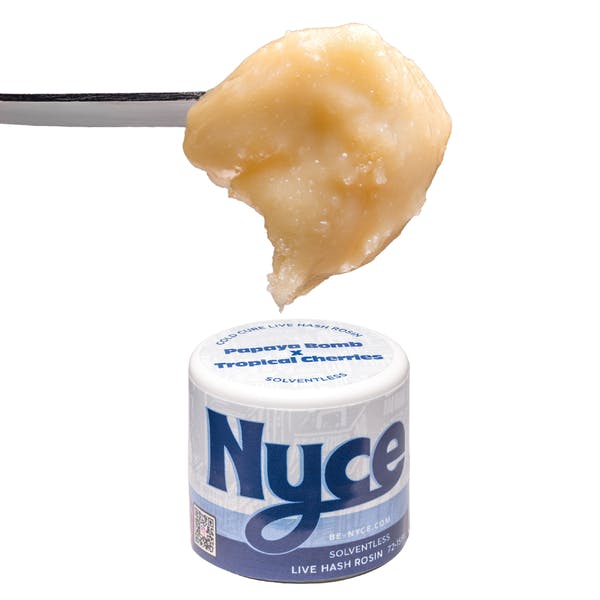
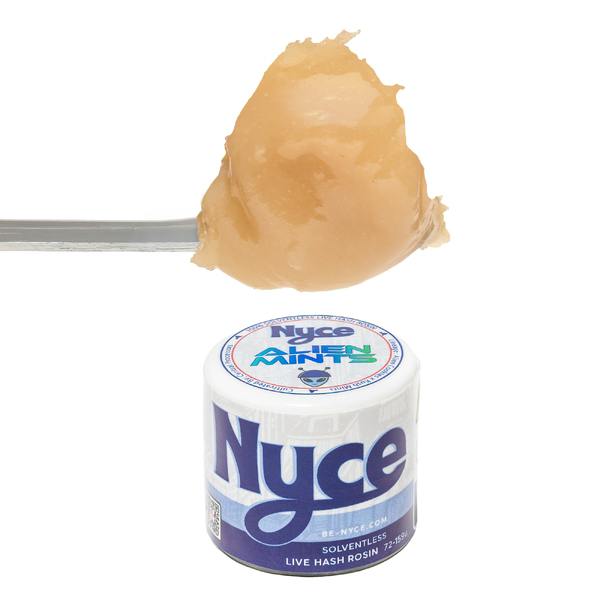
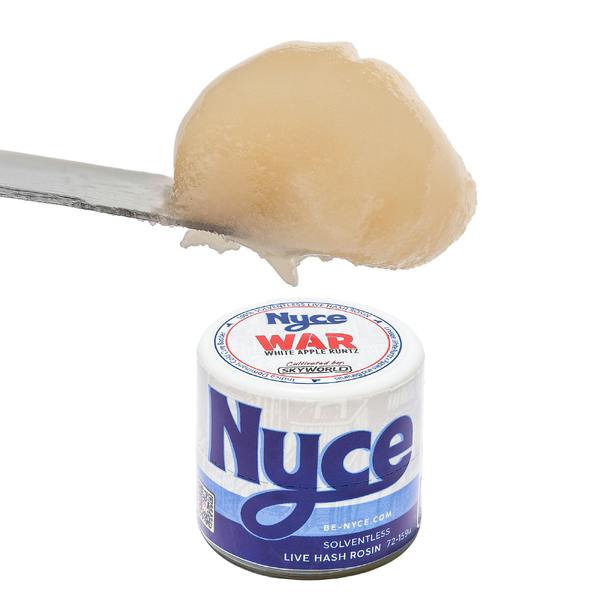
Rosin is a solventless cannabis concentrate made by applying heat and pressure to cannabis flower, kief, or ice water hash. No chemical solvents — butane, propane, or ethanol — are used at any stage. This distinguishes it from wax, shatter, and most vape cartridge oil, which are produced with solvent-based extraction processes. The practical result is a concentrate that retains the plant's original terpene profile more completely and carries no residual solvent risk, provided it is purchased from a licensed New York dispensary with a current Certificate of Analysis.
The difference is real and rooted in process. Hash rosin begins with ice water hash — a labor-intensive intermediate step that concentrates trichomes and removes plant material before any pressing occurs. The result is a more refined starting material, which produces a rosin with greater terpene density, a cleaner flavor profile, and typically a lighter color. Flower rosin skips that intermediate step and presses the whole flower directly. It is more accessible in price and still a quality solventless product, but it carries more plant chlorophyll and a somewhat less refined character. For a new rosin consumer in St. George, flower rosin is a sound starting point.
Myrcene is the terpene most commonly associated with a grounding, physically relaxing character, and it appears frequently in indica-leaning rosin profiles. Caryophyllene, which carries a peppery, slightly spiced aroma, is another terpene many consumers find complementary to an evening wind-down — and it is one of the more stable terpenes, meaning it survives the pressing process with reasonable fidelity. These are sensory and experiential descriptors, not medical claims, and individual responses vary. Starting with a low amount and assessing your personal response before increasing is always the appropriate approach with any concentrate.
Rosin is sensitive to heat, light, and humidity — all of which are more variable in a waterfront neighborhood like St. George during winter months when heating systems cycle aggressively and harbor air is persistently damp. Ideal storage is in an airtight, opaque container kept in a cool, dark location — a drawer or cabinet away from any heat source is sufficient for short-term storage. For longer-term preservation of terpene quality, a refrigerator is appropriate, though the rosin should be allowed to return to room temperature before handling to prevent condensation from introducing moisture into the container.
The most common method is a dab rig paired with a quartz banger, or a portable electronic dab device often called an e-rig or dab pen. These range considerably in price and portability. For a St. George resident who values discretion and convenience, a quality portable e-rig allows for temperature control — which is important with rosin, as lower temperatures preserve more terpenes and produce a more flavorful, less harsh experience. Rosin can also be layered on top of flower in a bowl or joint, though this is a less efficient use of the product's concentrate-level potency.
Yes. ZenZest Cannabis Dispensary on Forest Avenue offers free same-day delivery on orders over $100 to more than 80 New York ZIP codes, and 10301 — which covers St. George and the broader north shore waterfront area — is among the eligible delivery zones. Orders can be placed through ZenZest's online menu, where current rosin inventory, pricing, and product details including terpene information are listed. Delivery is available to adults 21 and older with valid identification confirming age at the time of delivery.
Rosin typically tests in the range of 55 to 80 percent THC by weight, depending on the source material and pressing process. This is substantially higher than the 18 to 30 percent range common in premium licensed flower. The practical implication is that a quantity of rosin that looks modest — a small rice-grain-sized amount — delivers considerably more THC than a similar visual volume of flower. For consumers transitioning from flower to concentrates for the first time, the standard guidance applies with particular importance: start with a very small amount, wait to assess the effect, and increase only incrementally.
New York's licensed cannabis market has expanded meaningfully since the adult-use program began issuing retail licenses, and single-source solventless products from in-state cultivators are increasingly available at compliant dispensaries including ZenZest. Single-source rosin — pressed from a single cultivar grown by one licensed farm — allows for more traceability and a clearer connection between the terpene profile on the label and the specific plant genetics involved. These products vary seasonally as harvest cycles dictate availability, which makes checking current dispensary menus directly the most reliable approach for St. George shoppers seeking specific profiles.
Color in rosin is primarily a function of starting material quality, moisture content, and pressing temperature. Pale yellow to white rosins often indicate a high-quality ice water hash input pressed at lower temperatures, which preserves more volatile terpenes and results in less oxidation. Darker, more amber rosins may reflect higher pressing temperatures, more plant material in the starting input, or older source material. Neither color alone determines quality — a darker fresh-press flower rosin from a skilled cultivar can outperform a pale but carelessly handled hash rosin — but color is a useful initial quality signal when reading a product label.
Rosin-based vape cartridges — sometimes labeled as live rosin carts — use solventless rosin as the oil base rather than a distillate or solvent-extracted concentrate. This preserves more of the plant's original terpene content compared to standard cartridges, which typically use distillate with added terpenes. The trade-off is viscosity: rosin is thicker than distillate and requires a cartridge designed to handle it, so hardware compatibility matters. For a St. George commuter who values discretion and portability, a quality rosin cartridge offers a middle ground between the full concentrate experience and the accessibility of a standard vape pen.
Pick your store
We'll show pricing, deals, and delivery zones for the store you pick. You can switch any time from the header.