
Staten Island · Edibles
Best Edibles in St. George, Staten Island
St. George, the waterfront gateway of Staten Island, has quietly become a destination for discerning adult-use cannabis shoppers — particularly those seeking edibles that match the neighborhood's unhurried, ferry-side rhythm. Whether you are stepping off the boat at the St. George Terminal or winding down after an evening along Bay Street, the borough's licensed edible market offers a thoughtful range of formats worth knowing well.
About Edibles
Edibles represent one of the most nuanced corners of New York's adult-use cannabis market, and for good reason. Unlike inhalable formats, edibles are metabolized through the digestive system and processed in the liver, where delta-9-THC is converted into 11-hydroxy-THC — a compound known for producing effects that arrive more gradually and tend to linger longer than those associated with flower or vaporizers. This biochemistry is not a flaw; it is a feature for consumers who prefer a sustained, measured experience rather than an immediate peak. New York State's licensed dispensaries carry edibles that must comply with strict dosing and labeling regulations set by the Office of Cannabis Management. Each package is required to disclose total THC content per unit and per package, allowing consumers to make fully informed decisions before purchasing. The current licensed market includes a range of formats — gummies, chocolates, beverages, hard candies, and infused baked goods — each with its own onset window and absorption profile. Gummies and chocolates are among the most consistent in terms of dosing accuracy, while beverages tend to offer faster onset due to nano-emulsification technology used by several licensed producers. For first-time edible consumers or those returning to cannabis after a significant break, the guiding principle of start low, go slow applies without exception. Most licensed products in New York are available in doses beginning at 2.5 mg THC per unit, which provides a gentle entry point. Experienced consumers often navigate toward the 5–10 mg range per serving, though individual tolerance varies considerably based on body composition, food intake, and personal sensitivity. The licensed New York market also increasingly features products that pair THC with cannabidiol (CBD) or minor cannabinoids such as CBG, as well as formulations that emphasize specific terpene profiles even within the edible category. These distinctions matter more than many shoppers initially realize, and understanding them is the foundation of a consistently satisfying edible experience.
Edibles for St. George shoppers
St. George occupies a particular position in the lives of Staten Islanders — it is both a destination and a point of departure. The Staten Island Ferry Terminal anchors the northeastern tip of the neighborhood, funneling thousands of commuters through Richmond County's most recognizable transit hub each day. For residents and visitors alike, the stretch along Bay Street from the terminal toward the St. George Theatre and the surrounding blocks of Victorian-era homes and converted storefronts defines the neighborhood's identity: walkable, waterfront, and distinctly unhurried compared to the boroughs visible just across the harbor. This commuter geography shapes how many St. George residents think about edibles in practical terms. A product with a 60-to-90-minute onset window is not the same convenience proposition in St. George as it might be in a neighborhood with longer train commutes or late-night entertainment corridors. Here, the ferry ride home — roughly 25 minutes from Whitehall Terminal in lower Manhattan — functions as a natural transition point. Many locals prefer edibles consumed during the early evening, timed to the body's natural wind-down, rather than products taken spontaneously throughout the day. The neighborhood's ZIP code, 10301, also encompasses a relatively diverse residential population, ranging from longtime Staten Island families to younger professionals who have moved into the area for its relative affordability and waterfront access. Across these demographics, edibles tend to appeal for their discretion, their absence of smoke or vapor, and their compatibility with the kind of quiet home evenings — on a brownstone stoop along Hamilton Avenue, or a back porch within earshot of the harbor — that St. George does particularly well.
What to look for
Selecting the right edible begins with understanding the interplay between cannabinoid content and format. In the licensed New York market, most edibles are formulated with distillate, live resin, or broad-spectrum extract. Distillate-based products tend to be neutral in flavor and highly consistent in dosing, making them a reliable choice for consumers who want predictability above all else. Live resin edibles, by contrast, preserve more of the plant's original terpene profile, which many consumers find produces a more complex and layered experience — though the science on how terpenes in edibles behave relative to inhaled terpenes is still evolving. For St. George shoppers specifically, format matters as much as potency. Residents who commute via ferry or use the S40, S44, or S46 bus lines through Victory Boulevard and Bay Street benefit from products that are pre-portioned, discreet, and easy to store at room temperature. Hard candies and individual-wrapped gummies fulfill these criteria well. Chocolates, while popular, can be sensitive to temperature variation — a consideration worth bearing in mind during Staten Island summers, when waterfront humidity and heat are genuine factors in product storage. THC potency in licensed New York edibles commonly ranges from 2.5 mg to 10 mg per piece, with some products offering higher-dose pieces for experienced consumers. Ratio products — those combining THC with CBD in proportions such as 1:1 or 2:1 — are worth exploring for daytime occasions, as CBD may moderate some of the intensity associated with THC alone. When reviewing a product's label, also note whether the extract used is indica-leaning, sativa-leaning, or hybrid, as these designations, while imprecise, can provide a rough guide to the experiential character most producers intend.
Why ZenZest for edibles in St. George
ZenZest Cannabis Dispensary's Staten Island location at 2343 Forest Ave, Staten Island, NY 10303 serves St. George residents with an edited, thoughtfully curated selection of licensed New York edibles across every major format — gummies, chocolates, beverages, hard candies, and more. At approximately 4.3 miles from the St. George Ferry Terminal, the Forest Avenue store is a straightforward drive along Victory Boulevard and Richmond Avenue, making it one of the most accessible licensed dispensaries for 10301 residents who prefer to shop in person and speak directly with knowledgeable staff before purchasing. For those who prefer the convenience of home delivery, ZenZest offers free same-day delivery on orders over $100 to more than 80 eligible New York ZIP codes, with 10301 among them. The delivery option is particularly well-suited to St. George's walkable, residential character — no need to factor in parking or transit when a curated edibles order can arrive the same day. All purchases are adult-use only, for consumers 21 and over, and every product sold through ZenZest is sourced exclusively from New York State's licensed cannabis supply chain.
ZenZest Staten Island · 2343 Forest Ave, Staten Island, NY 10303 · 4.3 miles from St. George.
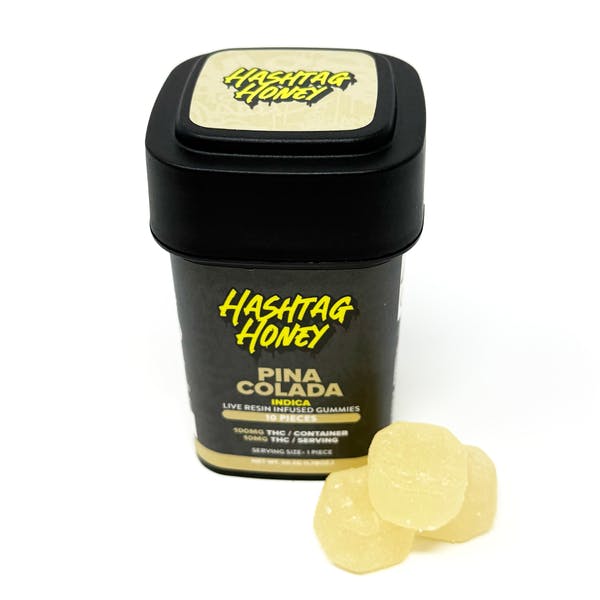
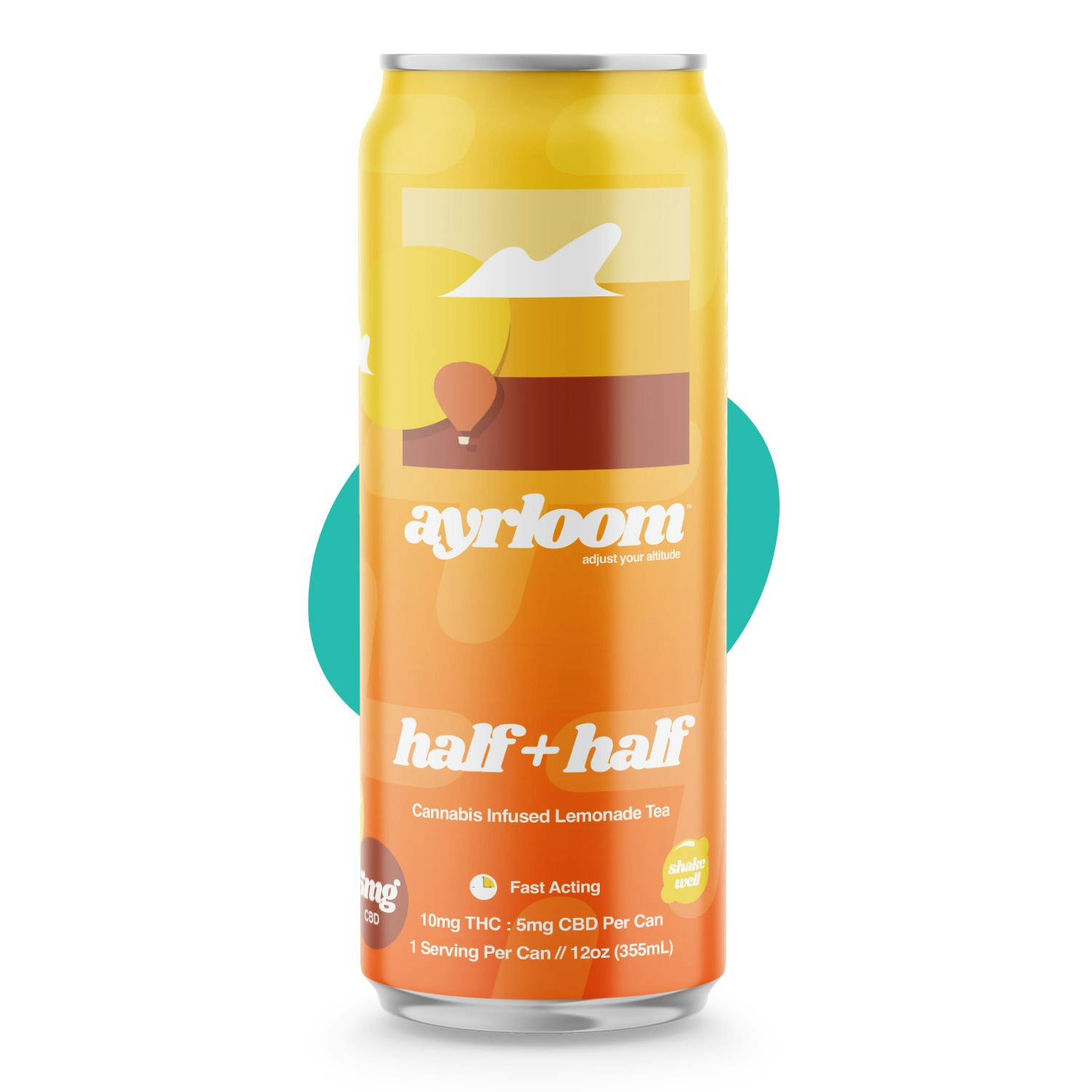
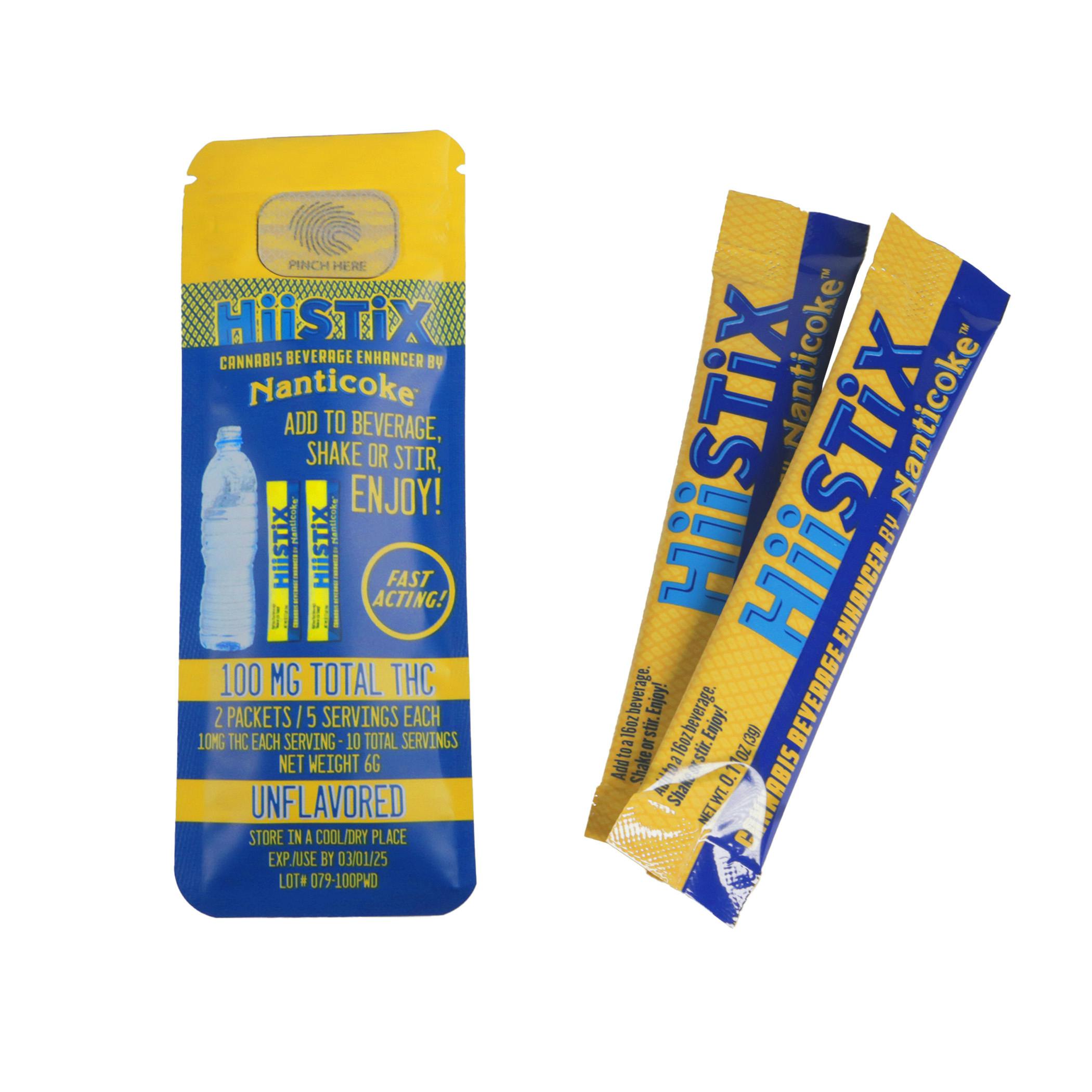
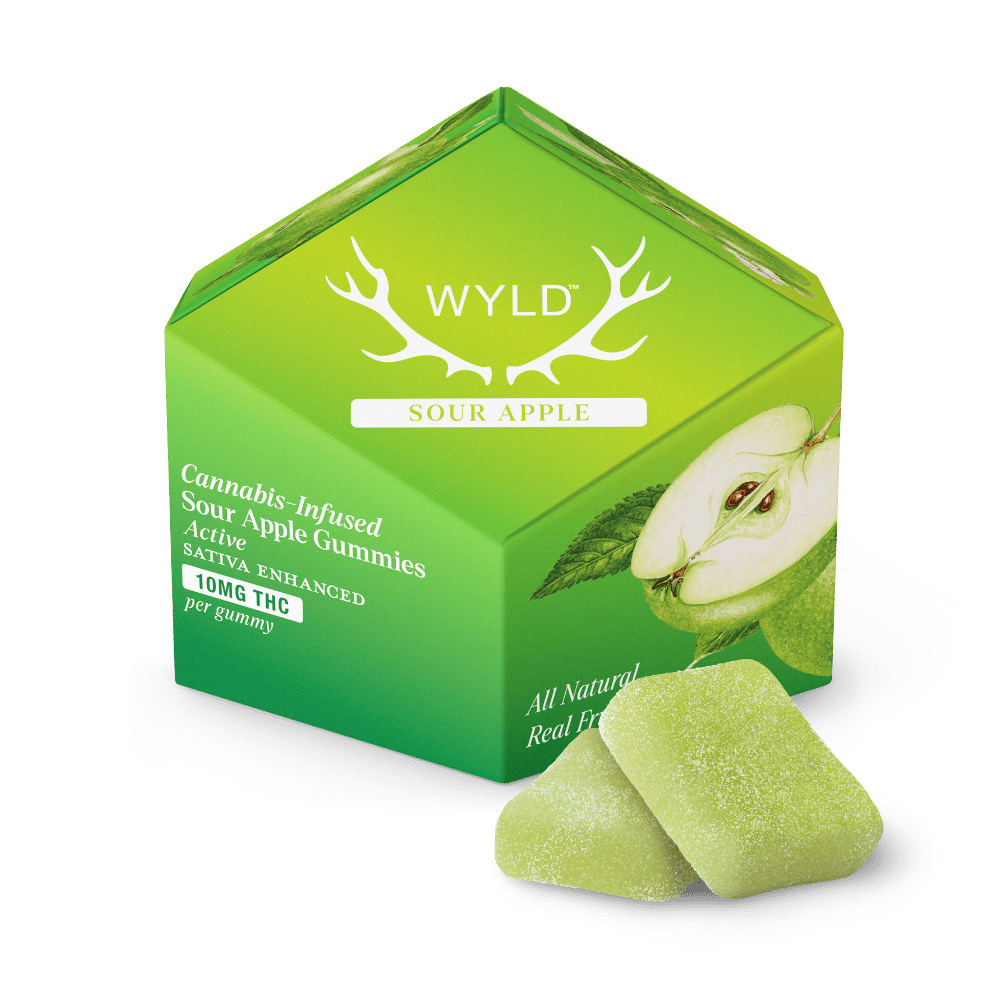
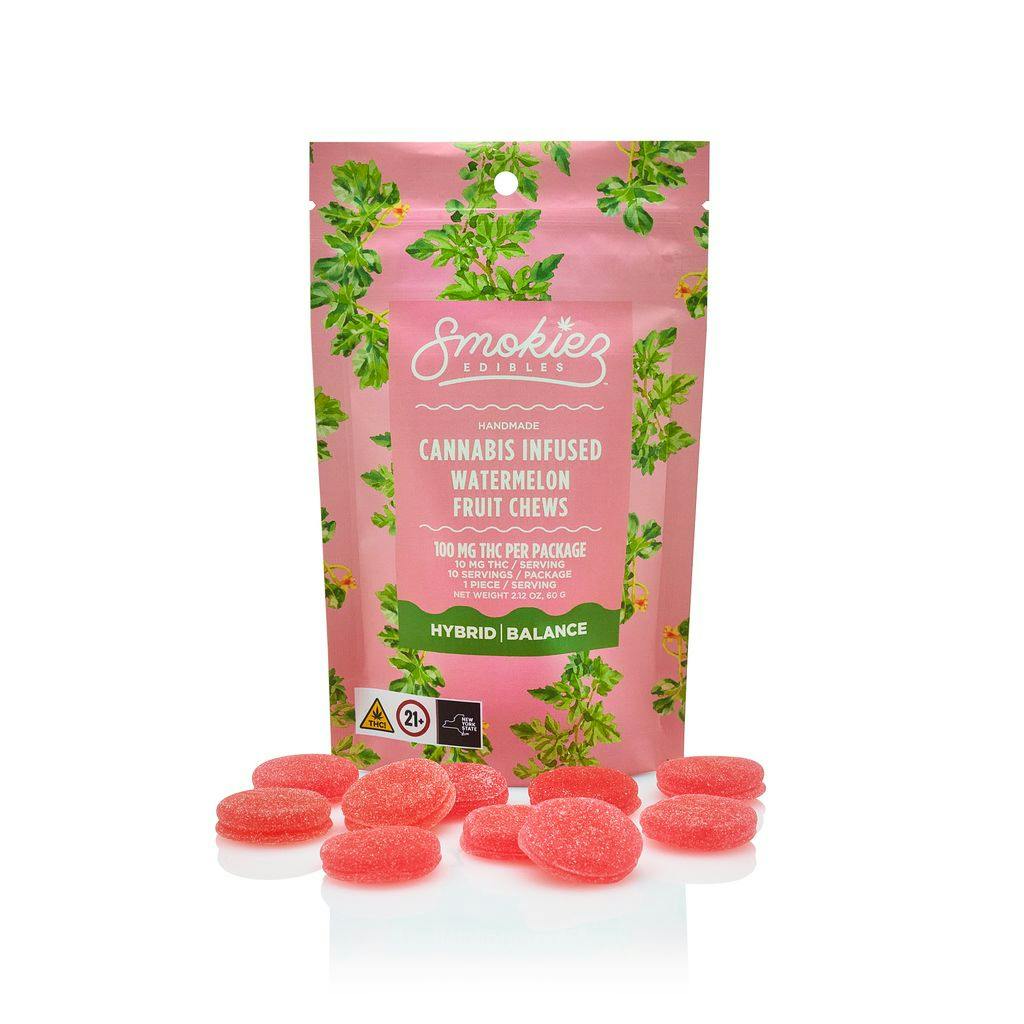
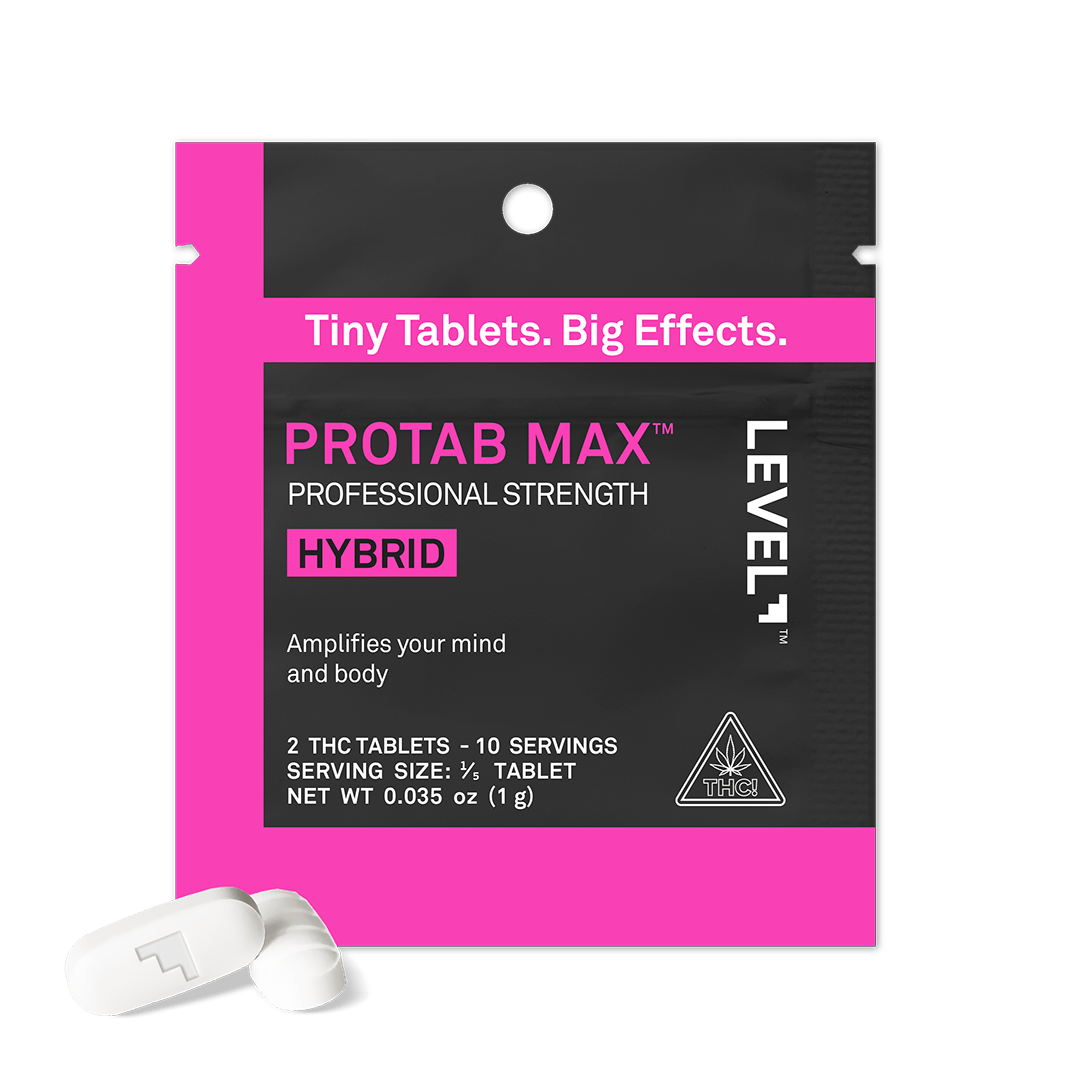
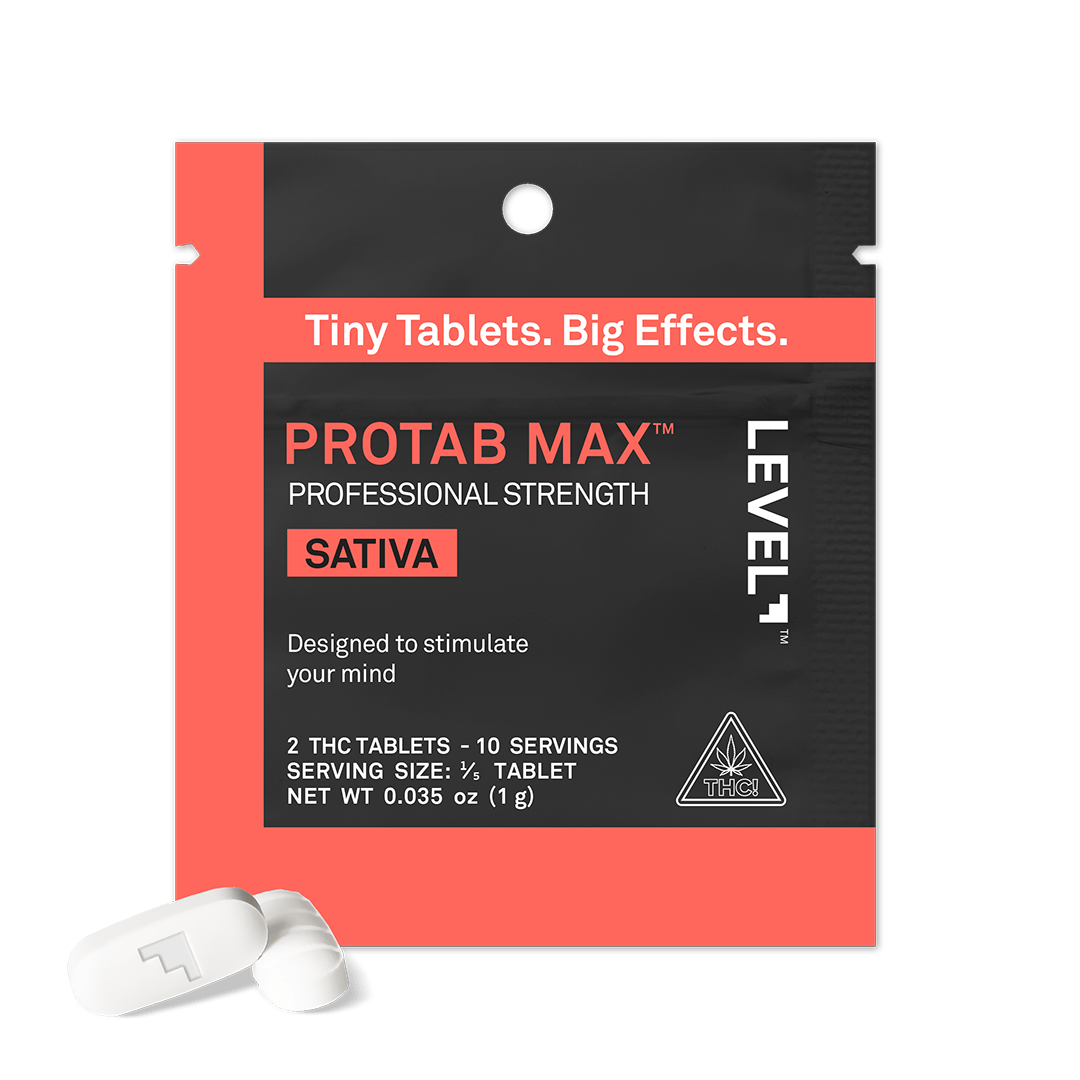
Live edibles for St. George
Full edibles menu →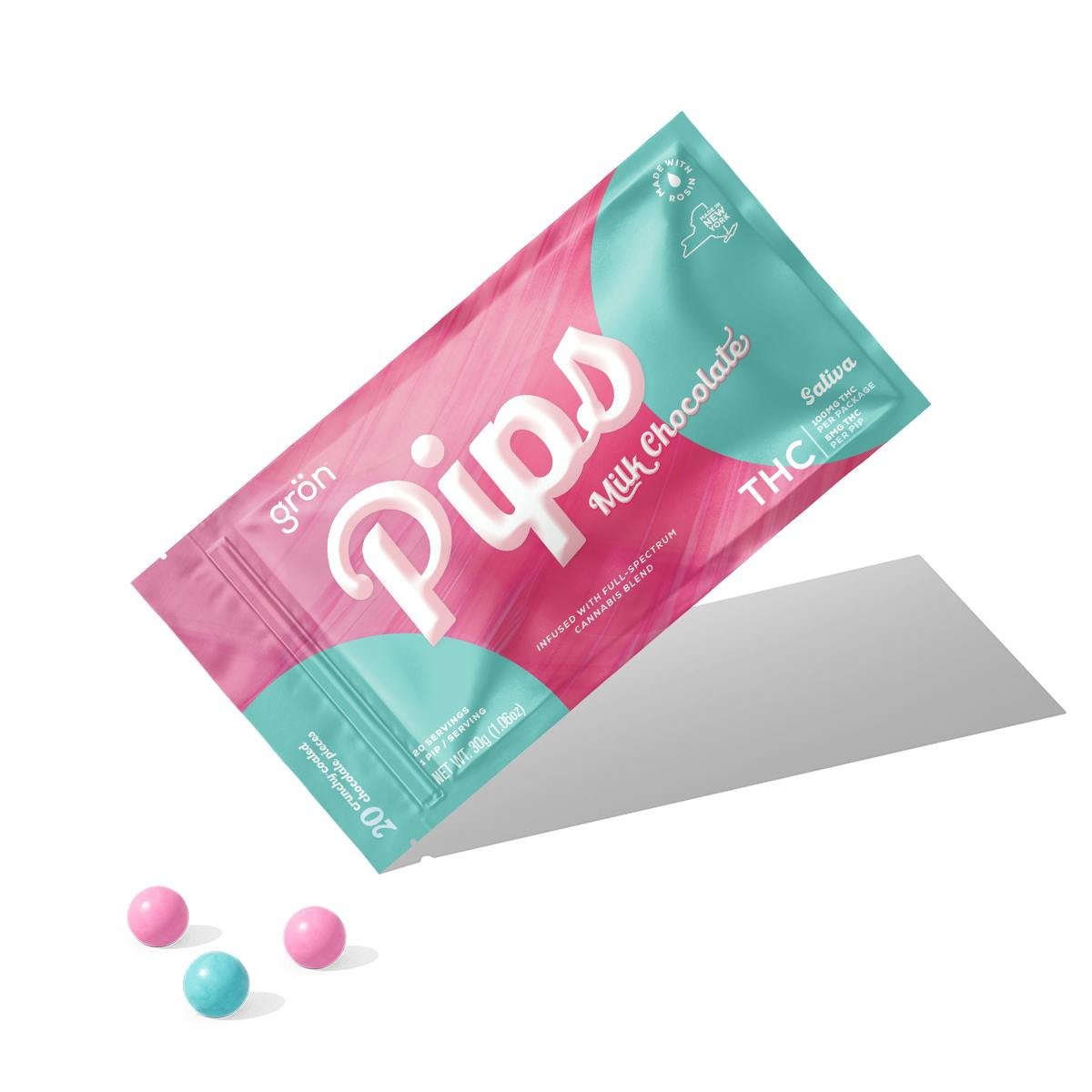
Edibles in St. George — answers
What types of edibles are typically available at licensed dispensaries serving St. George, Staten Island?+
Licensed dispensaries serving the 10301 ZIP code carry a broad range of edible formats under New York State's adult-use program. Shoppers can generally expect to find gummies, chocolate bars, hard candies, infused beverages, and occasionally baked goods, all produced by OCM-licensed manufacturers. Each format differs in onset time, shelf stability, and ease of precise dosing. For St. George residents, gummies and individually wrapped hard candies tend to be particularly popular due to their portability and consistent dosing accuracy.
How long does it typically take to feel the effects of a cannabis edible?+
The onset window for most traditional edibles — gummies, chocolates, and hard candies — falls between 45 minutes and two hours, depending on individual metabolism, body composition, and whether the product was consumed alongside food. Infused beverages using nano-emulsification technology can onset more quickly, sometimes within 15 to 30 minutes. St. George residents who plan to enjoy edibles during a quiet evening at home are well-positioned for the standard onset window, as the relaxed, residential nature of the neighborhood pairs naturally with the patient approach edibles require.
Is there a recommended starting dose for someone new to cannabis edibles in New York?+
New York's licensed edible market offers products starting at 2.5 mg THC per unit, which is widely considered an appropriate starting point for first-time or returning consumers. The principle of start low, go slow is the most relevant guidance — waiting the full two hours before considering any additional consumption is important, as many new users make the mistake of redosing too soon. Licensed dispensary staff at locations like ZenZest Staten Island on Forest Avenue can help first-time shoppers identify products in the lower dose range.
Are cannabis edibles legal to purchase in St. George, Staten Island?+
Yes. St. George falls within Richmond County, which is covered by New York State's adult-use cannabis program administered by the Office of Cannabis Management. Adults 21 and over may legally purchase edibles and other cannabis products from OCM-licensed dispensaries. Possession limits and consumption rules apply — cannabis may not be consumed in public spaces, in vehicles, or anywhere tobacco smoking is prohibited under New York law. Licensed dispensaries serving 10301, including ZenZest Staten Island, sell only to verified adult-use consumers.
How should I store cannabis edibles purchased in St. George during the warmer months?+
Staten Island's waterfront climate brings genuine heat and humidity in summer, both of which can affect certain edible formats. Chocolates are the most vulnerable — they can melt or bloom in temperatures above 75 degrees Fahrenheit, which is common along the Bay Street and Victory Boulevard corridors in July and August. Gummies and hard candies are more stable at room temperature but should still be kept away from direct sunlight. For any format, an airtight container stored in a cool, dry location — away from windows and out of reach of anyone under 21 — is the practical standard.
Can I order edibles for same-day delivery to my home in the 10301 ZIP code?+
Yes. ZenZest Cannabis Dispensary offers free same-day delivery on orders exceeding $100 to eligible New York ZIP codes, and 10301 — which covers St. George and portions of neighboring Tompkinsville — is among the covered delivery areas. Ordering online allows shoppers to browse the full selection of licensed edibles, review THC content and format details, and complete a purchase without traveling to a physical location. Delivery is available to adult-use consumers aged 21 and over.
What is the difference between a 1:1 CBD-to-THC edible and a THC-only edible?+
A 1:1 ratio product contains equal parts CBD and THC — for example, 5 mg of each per piece. Many consumers find that CBD moderates some of the more intense psychoactive qualities associated with THC alone, making ratio products a preferred option for daytime use or for those who are THC-sensitive. THC-only edibles, by contrast, deliver the full cannabinoid profile without modulation. For St. George residents who commute and want a product suitable for early-evening use rather than late-night relaxation, a 1:1 or 2:1 CBD-to-THC formulation may be worth exploring.
Do terpenes in edibles matter the same way they do in flower or vaporizers?+
Terpene relevance in edibles is a nuanced topic. In inhalable formats, terpenes enter the bloodstream almost immediately and contribute demonstrably to the experiential character of a product. In edibles, terpenes pass through the digestive system and their direct contribution to effect is less clearly established by current research. That said, many producers of live resin-based edibles believe the full-spectrum extract creates a more complex and balanced experience than distillate alone. For curious shoppers along the St. George waterfront, live resin edibles are worth sampling as a comparison point to standard distillate gummies.
Is there a difference between indica-leaning and sativa-leaning edibles?+
The indica and sativa distinction, while familiar from the world of cannabis flower, becomes considerably less precise in the edible category. Because edibles are processed through the liver rather than the lungs, the subtle terpene and cannabinoid nuances that distinguish cultivar types in flower can be less pronounced. However, many licensed producers use indica-derived or sativa-derived extracts and market them accordingly as a general guide to experiential character — relaxing versus more active, for instance. Treating these labels as a rough orientation rather than a guarantee is the most useful way to approach them when shopping.
How do I read a licensed New York edibles label to understand what I am buying?+
New York State regulations require licensed edibles to display total THC and CBD content per serving and per package, a list of ingredients, the producer's license number, and clear adult-use packaging that is child-resistant and not appealing to minors. When reviewing a label, prioritize the per-serving THC figure rather than the total package content, as this is what determines the dose per unit. Look also for the extract type — distillate, live resin, or broad-spectrum — and any ratio information. The ZenZest Staten Island team on Forest Avenue can walk through label details in person for shoppers who prefer a guided approach.