
Suffolk County · Tinctures
Best Tinctures in Southampton, Suffolk County
Southampton, the storied village where Montauk Highway meets old-money restraint and Shinnecock Bay light, has quietly become a discerning destination for cannabis tinctures — the format that suits a coastal lifestyle built on discretion, intention, and the kind of wellness ritual that never announces itself at a dinner party on Jobs Lane.
About Tinctures
Cannabis tinctures occupy a distinct and often underappreciated tier within New York's licensed adult-use market. Produced by licensed New York operators under the oversight of the Office of Cannabis Management, tinctures are alcohol- or MCT-oil-based liquid extracts dosed by dropper, typically applied sublingually — beneath the tongue — for relatively efficient absorption compared with edibles that must first pass through the digestive tract. The result is an onset that most consumers report somewhere between fifteen and forty-five minutes, noticeably faster than a gummy but considerably more gradual than an inhalable, which makes the format ideal for those who prefer measured, controllable experiences over the immediacy of flower or vaporizers. New York's licensed tincture offerings span a meaningful range of formulations. Broad-spectrum products retain the supporting cast of cannabinoids and terpenes present in the original plant material, while distillate-based tinctures offer a cleaner, more neutral flavor profile and precise cannabinoid ratios. CBD-dominant tinctures, balanced one-to-one THC-to-CBD expressions, and THC-forward options each serve a different intention. No medical claims can be made under New York adult-use law, but consumers across the state have integrated tinctures into evening wind-down routines, pre-social rituals, and weekend recovery practices, simply because the format offers flexibility without the commitment of a smoked or vaped session. Within the broader New York licensed dispensary landscape, tinctures remain one of the more sophisticated and often overlooked categories. Flower commands more shelf space; edibles capture more casual attention. Tinctures, however, reward the consumer who has moved past novelty and toward nuance — the person asking not just how potent a product is, but how it is constructed, what secondary cannabinoids are present, and whether the terpene profile supports the specific occasion at hand. For shoppers in Suffolk County's 11968 ZIP code, New York licensure is the baseline assurance that products have been tested for pesticides, heavy metals, residual solvents, and accurate cannabinoid labeling — none of which can be guaranteed through unlicensed or out-of-state gray-market channels that still circulate on the East End.
Tinctures for Southampton shoppers
Southampton's character — architecturally disciplined, socially calibrated, seasonally layered — creates a distinct context for cannabis consumption that maps naturally onto the tincture format. The village attracts a population that tends to value function over spectacle: weekenders commuting from Manhattan via the LIRR's Montauk Branch who arrive at Southampton station already planning their decompression, and year-round residents whose daily rhythms revolve around the understated cadence of Main Street errands, late-afternoon walks along the bay, and dinners that require presence, not impairment. The East End's shoulder seasons are particularly relevant here. Spring and fall in Southampton carry the specific quality of cool salt air off Shinnecock Bay, longer evenings, and a social calendar that thins to something intimate and unhurried. These are the conditions in which a tincture — taken quietly before a bayside walk or folded into an evening tea ritual on a screened porch — fits more naturally than any other format. There is no smoke, no scent drifting toward neighbors across a privet hedge, no paraphernalia to explain to houseguests. Summer, of course, transforms the 11968 corridor into one of the most densely social environments on the Eastern Seaboard. Hosting obligations multiply; gatherings on decks overlooking the water demand a clear head alongside whatever degree of ease a tincture might support. The format's discretion is its primary social virtue in this context — a few drops held under the tongue in a kitchen before guests arrive leaves no trace and asks nothing of the evening except a slightly softer edge.
What to look for
Selecting a tincture at a New York licensed dispensary is an exercise in reading labels carefully and asking the right questions. The first consideration is base carrier: MCT oil (derived from coconut) is the most common, offering neutral flavor and reliable absorption; alcohol-based tinctures extract a broader range of compounds but carry a more pronounced taste that some find sharp. If flavor matters in your consumption ritual — and in Southampton, where the culinary aesthetic runs from farm-stand produce to Michelin-adjacent dining rooms, it tends to — MCT-based options are generally more palatable. Terpenes are the second variable worth understanding. Myrcene, present in many indica-leaning cultivars, is associated with a settling, grounding quality that suits evening use. Limonene tends toward the uplifting end of the spectrum and appears frequently in products positioned for social or daytime occasions. Linalool, also found in lavender, carries a reputation for calm. Licensed New York products increasingly publish full terpene panels on their labels or accompanying documentation; that information is worth requesting if it is not immediately visible. Potency and ratio round out the evaluation. For consumers newer to tinctures or those returning to cannabis after a long absence, a balanced THC-to-CBD ratio — commonly expressed as one-to-one or even one-to-two — offers a gentler introduction. A general starting approach of low doses with gradual titration over multiple sessions allows consumers to find their preferred range without the discomfort of overconsumption. Higher THC concentrations are available for experienced consumers with established tolerances, but the format's precision — a dropper measured in milligrams — means there is no reason to start at the upper end of any product's range.
Why ZenZest for tinctures in Southampton
For Southampton residents and seasonal visitors browsing licensed cannabis tinctures in the 11968 ZIP code, ZenZest Cannabis Dispensary represents one of the most credible curated sources within the New York licensed market. The nearest ZenZest location is ZenZest Queens, situated at 272-06 Union Tpke in Bellerose, NY 11004, approximately 70.1 miles from the Southampton village center — a distance most naturally covered on a trip west along Montauk Highway toward the city, making it a logical stop for the considerable number of Southampton residents who maintain regular travel between the East End and the outer boroughs. ZenZest's Queens location offers the kind of editorial, category-literate retail experience that aligns with the Southampton consumer's expectations: staff familiar with terpene profiles, carrier oils, and ratio considerations rather than generic potency comparisons. ZenZest also operates a Staten Island store at 2343 Forest Ave for those approaching from that direction. While Southampton's 11968 ZIP code does not currently fall within ZenZest's same-day delivery radius — which covers 80-plus New York ZIP codes for orders over $100 — the Queens store remains a worthwhile destination for East End travelers who prefer to shop thoughtfully in person before returning east.
ZenZest Queens · 272-06 Union Tpke, Bellerose, NY 11004 · 70.1 miles from Southampton.
Live tinctures for Southampton
Full tinctures menu →
THC 0.93%Indica
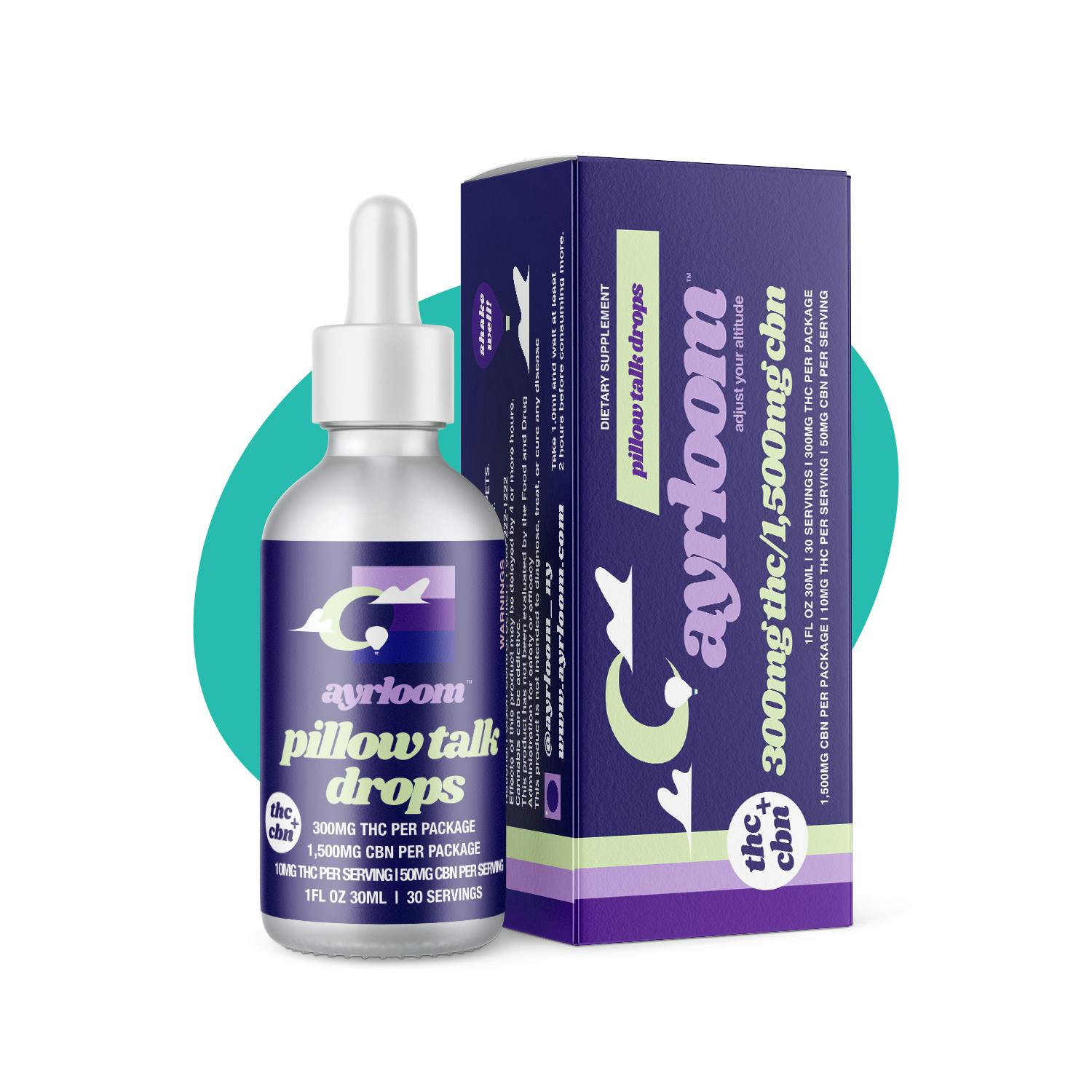
ayrloomAyrloom | Pillow Talk Drops | 1:5 | 300MG THC : 1500MG CBN · .1g
$44.25
$50after tax
THC 0.53%·CBD 1.61%Hybrid
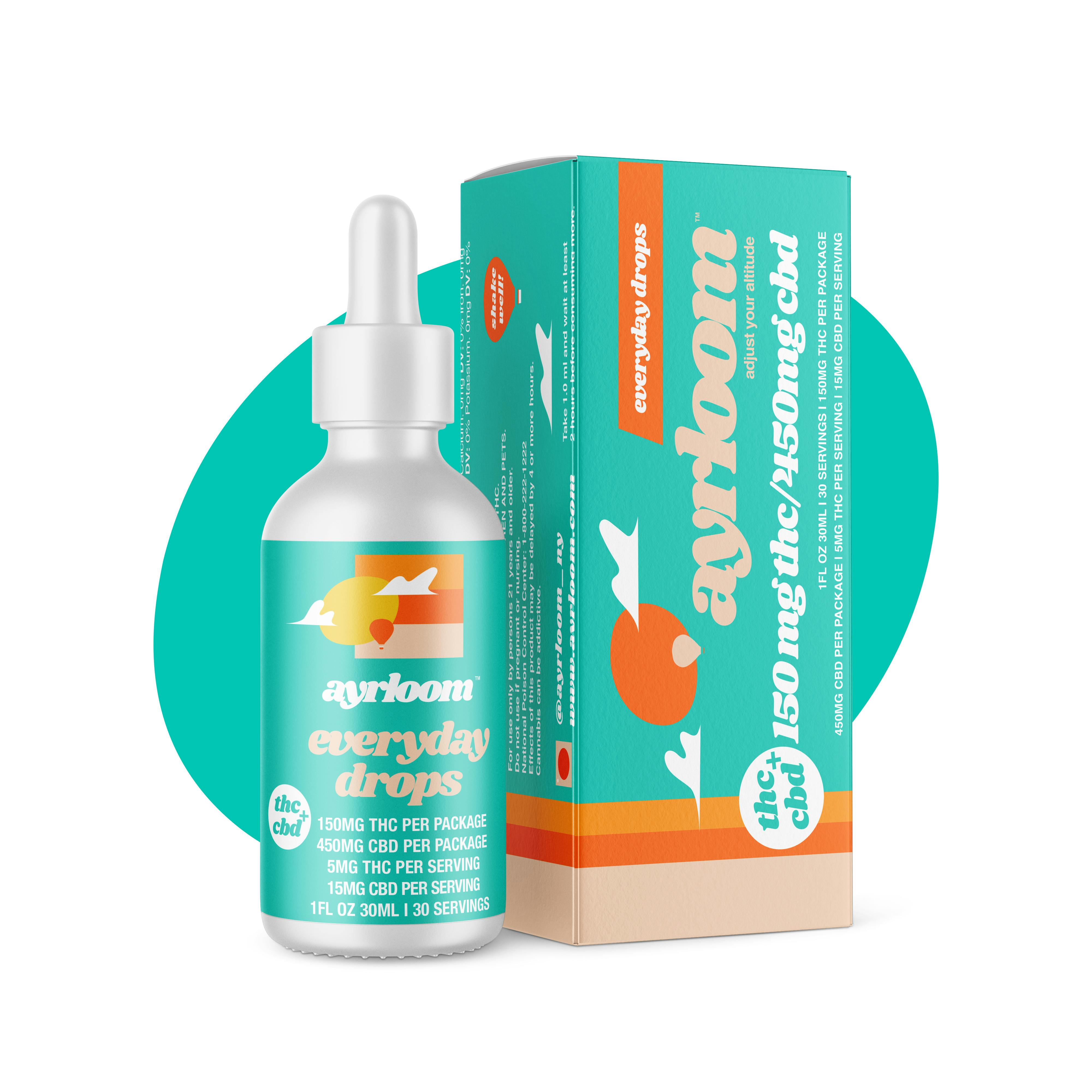
ayrloomayrloom | Low Dose Everyday Drops | 1:3 | 150MG THC : 450MG CBD · .1g
$30.00
$34after tax
Tinctures in Southampton — answers
What makes tinctures a practical cannabis format for Southampton's lifestyle?+
Tinctures require no equipment, produce no odor, and leave no visible trace — all of which aligns with Southampton's emphasis on discretion and social calibration. Whether you are arriving at a summer gathering on South Main Street, settling in after an evening walk along Shinnecock Bay, or simply winding down at a rented cottage, a tincture administered sublingually fits seamlessly into environments where smoking or vaporizing would be conspicuous or socially complicated.
How does sublingual tincture absorption compare to eating an edible?+
When held under the tongue for sixty to ninety seconds, tincture compounds absorb through the mucosal tissue directly into the bloodstream, bypassing first-pass liver metabolism. Most consumers report onset within fifteen to forty-five minutes, compared to forty-five minutes to two hours for a swallowed edible. This more predictable window is particularly useful for social occasions — common in Southampton's event-dense summer calendar — where timing and moderation both matter.
Are cannabis tinctures sold at New York licensed dispensaries tested for safety?+
Yes. All cannabis products sold through New York's licensed adult-use market, including tinctures, are required to pass testing through accredited laboratories for potency accuracy, pesticides, heavy metals, residual solvents, and microbial contaminants before reaching retail shelves. The Office of Cannabis Management oversees this framework. This is a meaningful distinction from unlicensed products that still circulate in Suffolk County outside the regulated market.
What is the difference between a broad-spectrum and a distillate-based tincture?+
Broad-spectrum tinctures retain a range of cannabinoids, terpenes, and other plant compounds from the original cultivar, which many consumers and researchers associate with what is sometimes called the entourage effect — the idea that these compounds interact synergistically. Distillate-based tinctures use a purified cannabinoid extract blended into a carrier oil, offering a more neutral flavor and highly precise dosing. For Southampton shoppers, the choice often comes down to flavor preference and how important cultivar-specific character is to the intended experience.
What terpenes should I look for in a tincture if I want something suited to an evening by Shinnecock Bay?+
For a calming, winding-down experience appropriate to a quiet evening on the water, look for tinctures with prominent myrcene or linalool content. Myrcene is widely associated with a settling, physically relaxed quality, while linalool — also present in lavender — carries a similarly grounding reputation. Beta-caryophyllene, which is also found in black pepper and cloves, appears frequently in evening-oriented formulations. Licensed New York dispensaries can often provide terpene panel documentation upon request.
Is there a recommended approach for someone trying cannabis tinctures for the first time in New York?+
New York's adult-use market operates under a start-low, go-slow consumer guidance framework for good reason. For first-time tincture users, beginning with the lowest available dose — often two and a half to five milligrams of THC — and waiting a full ninety minutes before considering any additional amount is the most prudent approach. Tinctures held under the tongue absorb faster than edibles, but the full effect still develops gradually. A balanced THC-to-CBD ratio product can provide an even more accessible entry point.
Can I use a tincture before driving on Montauk Highway?+
No. New York law prohibits operating a motor vehicle while impaired by cannabis, and THC-containing tinctures can produce impairment. The 11968 corridor and Montauk Highway are active roads year-round and particularly congested during summer months. Cannabis tinctures should only be consumed when you do not intend to drive, operate machinery, or assume responsibility for others' safety. Plan your consumption around sedentary or pedestrian occasions, not travel.
How should I store a cannabis tincture while spending time in Southampton?+
Tinctures should be stored away from direct sunlight, heat, and humidity — all of which are relevant considerations on the East End, particularly during summer months when Southampton rental properties may reach high indoor temperatures and bay-side humidity is elevated. A cool, dark cabinet or a small cooler is preferable to a windowsill or sun-exposed countertop. MCT-oil-based tinctures are generally shelf-stable, but heat and light exposure can degrade cannabinoid content over time.
What THC-to-CBD ratios are commonly available in New York licensed tinctures?+
New York's licensed tincture market offers a meaningful range of ratios. Common options include high-CBD, low-THC formulations (such as 20:1 CBD to THC), balanced one-to-one products, and THC-dominant options ranging from moderate to high potency. For Southampton consumers seeking relaxation without significant psychoactive effect, CBD-dominant or balanced ratios are worth exploring. For experienced consumers with established tolerances, THC-forward options offer more pronounced effects. Always confirm the milligram content per serving rather than relying on ratio alone.
How does ZenZest's product selection serve East End consumers visiting the Queens location?+
ZenZest Cannabis Dispensary at 272-06 Union Tpke in Bellerose, Queens, curates a selection across the major tincture categories — balanced ratios, broad-spectrum, and high-potency distillate options — with staff equipped to discuss terpene profiles and format trade-offs rather than defaulting to potency-first recommendations. For Southampton residents making the westward trip along the Long Island Expressway or the Southern State Parkway, the Bellerose location is a considered stop that reflects the same premium, unhurried ethos that characterizes the East End consumer's expectations.