
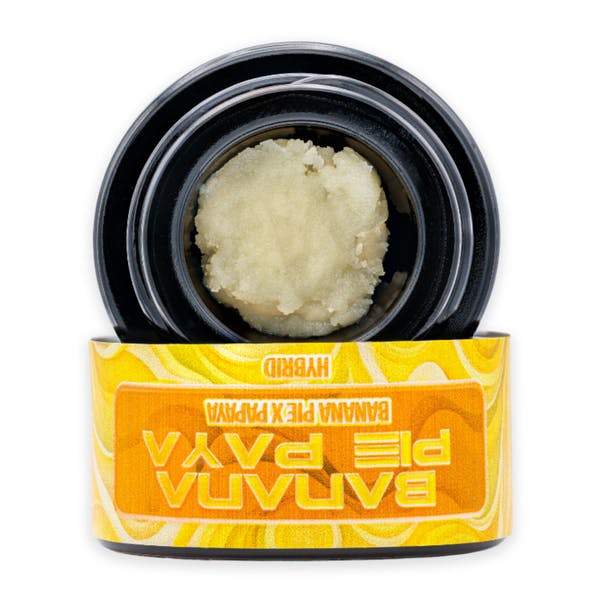
Suffolk County · Rosin
Best Rosin in Southampton, Suffolk County
Southampton's 11968 ZIP code — where Montauk Highway ribbons past weathered cedar-shake storefronts and Shinnecock Bay catches the afternoon light — has quietly become one of the East End's most discerning addresses for solventless cannabis concentrates. Rosin, pressed from flower or hash without a single drop of chemical solvent, suits the village's appetite for craft, provenance, and clean ingredients as naturally as a well-sourced bottle of Bordeaux.
About Rosin
Rosin occupies a singular position in the New York adult-use concentrate market. Unlike hydrocarbon extracts such as BHO or PHO, rosin is produced exclusively through heat and pressure — a process that preserves the full spectrum of cannabinoids and terpenes locked inside the original plant material. The result is a translucent to amber-hued concentrate that carries the aromatic fingerprint of its source cultivar with unusual fidelity. For consumers who care about what goes into their body and what comes out in the experience, solventless is the category that rewards attention. New York's licensed dispensary system, governed by the Office of Cannabis Management, requires all concentrate products — including rosin — to pass third-party testing for residual solvents, heavy metals, pesticides, and microbial contaminants before reaching retail shelves. Because rosin contains no processing solvents by definition, it consistently clears residual-solvent panels with zero detection. That regulatory context matters: every gram of rosin sold through a licensed New York retailer carries a certificate of analysis that a consumer can verify. Purchasing through unlicensed channels offers no such assurance. Within the rosin category, shoppers will encounter several distinct formats. Fresh-press rosin is squeezed from freshly frozen or recently harvested flower and tends toward a saucier, more volatile consistency. Cured rosin is made from dried, cured flower and typically presents as a more stable, buttery or badder texture. Hash rosin — produced by first washing flower into ice-water hash (bubble hash) and then pressing that refined starting material — represents the top tier of quality, delivering extraordinary terpene depth and a cleaner overall flavor profile. Live rosin, pressed from fresh-frozen material, captures the widest terpene expression of all. THC potency in rosin commonly ranges from the low 60s to the mid-80s percent by weight, depending on the starting material, the cultivar, and the extraction conditions. A well-made hash rosin from a premier New York craft cultivator can rival products from any market in the country — and the state's licensed supply chain is maturing rapidly to meet the standards that East End consumers have come to expect.
Rosin for Southampton shoppers
Southampton's relationship with craft quality runs deep. The village's Main Street retail corridor, anchored between Jobs Lane and Nugent Street, has always favored boutique over mass-market — the same instinct that fills farm stands with heritage tomatoes and wine shops with small-production Burgundy translates seamlessly into a preference for small-batch solventless concentrates. A resident here is unlikely to reach for a commodity distillate cartridge when a locally sourced, terpene-rich rosin represents everything they already value in food and drink. The East End's seasonal rhythm shapes consumption patterns in ways that matter for concentrate shoppers specifically. Summer in Southampton is social, outdoor, and long — evenings on decks overlooking Shinnecock Bay invite lower-dose, flavor-forward sessions where rosin's terpene complexity can be appreciated slowly and deliberately. Autumn and shoulder-season weekends, when the village quiets and the bay turns silver-gray under October light, tend toward more contemplative, indoor occasions where a refined dab or a small rosin-topped bowl becomes a meditative counterpoint to the season's stillness. Neither occasion calls for an aggressive high-THC rush; both reward the nuance that quality rosin delivers. The commute reality for Southampton's year-round residents — whether navigating Montauk Highway toward the Sunrise corridor or catching the Long Island Rail Road's Montauk Branch — also argues for concentrates over flower when discretion and portability matter. A small glass jar of rosin, sealed and odor-contained, travels with considerably less complication than a comparable volume of loose flower. For second-home visitors arriving from Manhattan or other boroughs, the ability to carry a known, tested product eastward means the concentrate purchased before departure serves the entire weekend stay.
What to look for
Evaluating rosin begins with the starting material. Hash rosin, pressed from bubble hash graded 73–120 micron, consistently outperforms single-source flower rosin in terpene concentration and flavor clarity — if your budget allows, seek it out. Look for certificates of analysis that confirm terpene percentages above two percent total; anything below that threshold suggests either lower-quality starting material or excessive heat during pressing, both of which flatten the sensory experience. Common terpenes to look for in quality rosin include myrcene, which provides an earthy, herbal base; limonene, which contributes bright citrus brightness; caryophyllene, which adds spice and mild functional complexity; and terpinolene or ocimene, which appear in more floral or fruit-forward cultivars popular among East End consumers who prefer daytime-appropriate profiles. THC percentage is a useful reference point but should not be the primary selection criterion. A 68 percent THC hash rosin with two-and-a-half percent total terpenes and exceptional cultivar sourcing will deliver a more satisfying experience than an 82 percent product pressed at high heat from inferior material. For rosin newcomers, the general principle of start low, go slow applies with particular weight — concentrates are meaningfully more potent per unit than flower, and a grain-of-rice-sized amount is a sensible starting point for any new product. Format considerations matter in Southampton's context. Rosin in a badder or budder consistency is easiest to handle at room temperature and is well-suited to the variable humidity of a coastal environment — it won't become unworkably brittle in cool weather or unacceptably runny in summer heat the way some sauce-style products might. Live rosin, while requiring more careful cold storage to preserve terpene integrity, rewards the consumer who has a stable refrigeration option and is willing to manage temperature. For those who prefer a no-tool session, rosin pressed into infused pre-rolls or used to fill vaporizer pods offers the same solventless credentials in a more approachable format.
Why ZenZest for rosin in Southampton
ZenZest Cannabis Dispensary operates two licensed New York adult-use retail locations, with the nearest to Southampton being ZenZest Queens at 272-06 Union Tpke, Bellerose, NY 11004 — approximately 70.1 miles from the heart of the village. While that distance reflects the realities of licensed dispensary distribution across Long Island and the five boroughs, ZenZest's Queens location offers a carefully curated concentrate selection, including solventless rosin products from New York state-licensed cultivators and extractors, all accompanied by verifiable certificates of analysis. For Southampton-area shoppers planning a trip toward the city or passing through Queens on the way to or from the East End, ZenZest provides the kind of knowledgeable, unhurried retail experience that suits a considered purchase like hash rosin. Please note that ZenZest's same-day delivery service, available on orders over one hundred dollars across more than eighty New York ZIP codes, does not currently extend to the 11968 ZIP code. Shoppers in Southampton are encouraged to plan ahead, visiting the Queens store in person or monitoring ZenZest's delivery coverage area for any future expansion onto the East End.
ZenZest Queens · 272-06 Union Tpke, Bellerose, NY 11004 · 70.1 miles from Southampton.
Live rosin for Southampton
Full rosin menu →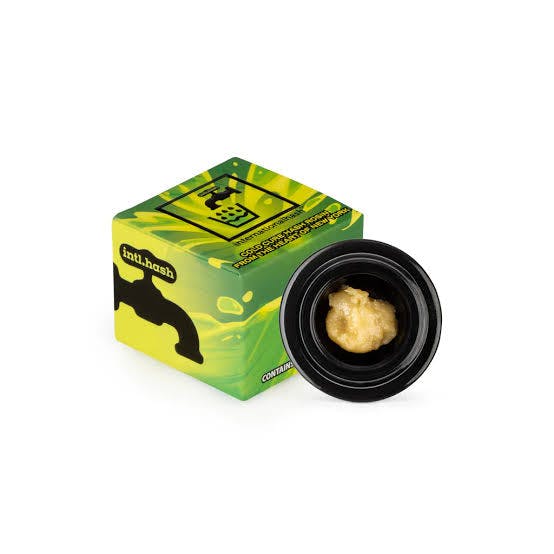
THC 75.74%Hybrid
INTERNATIONAL HASHInternational Hash | Cold Cure Hash Rosin | Grapefruit Hybrid · 1g
$66.37
$75after tax
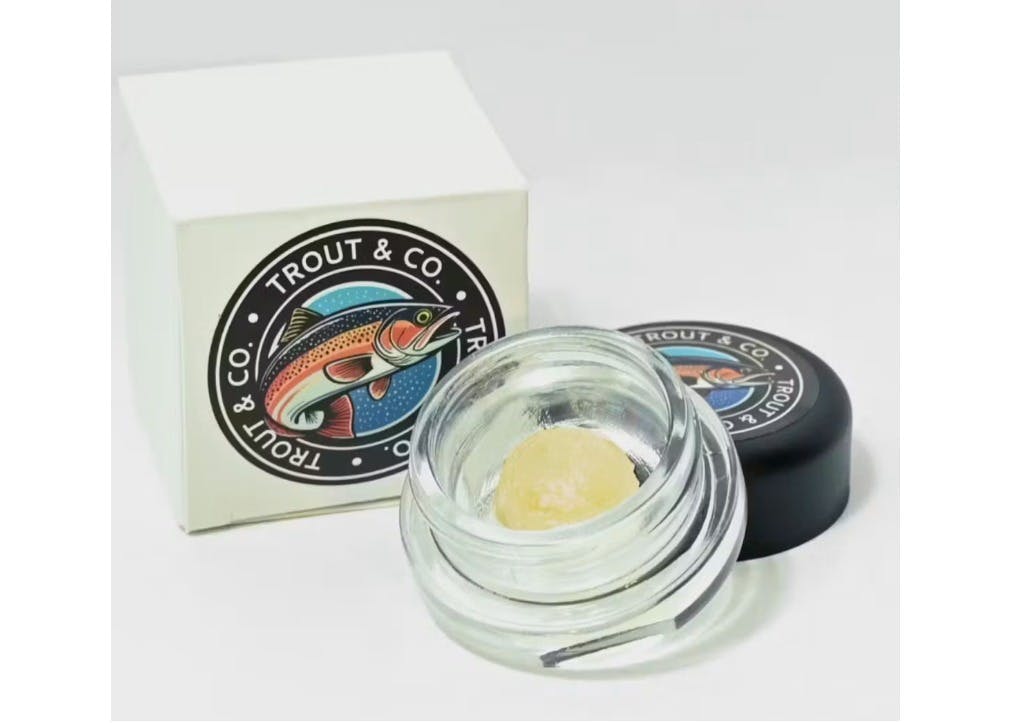
THC 77.52%Hybrid
Trout & Co.Trout & Co. | Super Funk | Live Rosin Private Reserve · 1g
$88.50
$100after tax
Rosin in Southampton — answers
What makes rosin different from other concentrates sold at New York licensed dispensaries?+
Rosin is the only major concentrate category produced without chemical solvents. Heat and mechanical pressure are the only processing agents involved, which means there are no residual hydrocarbon solvents to test for or worry about. Every other common concentrate format — live resin, BHO wax, distillate — uses some form of solvent extraction. For Southampton consumers who prioritize clean-ingredient sourcing in food, wine, and personal care, rosin's solventless credential carries the same weight as 'organic' or 'minimally processed' on a food label.
Is hash rosin significantly better than flower rosin, or is the price difference hard to justify?+
Hash rosin occupies a genuinely higher tier of quality for most consumers who value terpene richness and flavor clarity. Because bubble hash removes plant lipids and fats before pressing, the resulting rosin is cleaner-tasting and more aromatic than flower rosin from the same cultivar. The price premium — often 30 to 60 percent above flower rosin — reflects the additional labor and yield loss involved in the washing and grading process. For a deliberate, low-dose session on a quiet Shinnecock Bay evening, many experienced consumers find the investment worthwhile.
How should I store rosin during the summer months given Southampton's coastal humidity?+
Rosin is sensitive to both heat and humidity, both of which Southampton sees in abundance from June through August. Store rosin in an airtight, food-grade silicone or glass container inside a refrigerator or a cool, dark drawer well away from sunlight. If you remove it from refrigeration, allow the sealed jar to reach room temperature before opening to prevent condensation from forming on the concentrate's surface. Badder-consistency rosin handles ambient temperature variation more gracefully than live sauce or fresh-press styles.
What terpene profiles tend to work well for outdoor East End occasions versus quieter indoor sessions?+
For outdoor socializing along the bay or on the village's summer event circuit, look for rosin profiles high in limonene, terpinolene, or ocimene — these tend to express as bright, citrus-forward, or floral and are associated with more energetic, conversational character. For slower indoor evenings during the shoulder season, myrcene- or linalool-dominant profiles offer earthier, more tranquil aromatic complexity. Certificates of analysis from licensed New York producers will list individual terpene percentages, making it straightforward to compare profiles before purchasing.
Can I travel with rosin from a Queens dispensary back to my Southampton property?+
New York adult-use cannabis law permits adults 21 and older to possess up to three ounces of cannabis flower or its concentrate equivalent in public. Traveling with a sealed, licensed-retailer purchase in a vehicle is permissible provided the product is stored in the trunk or a closed area inaccessible to the driver, consistent with open-container regulations. Cannabis may not be transported across state lines under any circumstances. Keeping the original labeled packaging with the dispensary receipt is a straightforward way to confirm the product's licensed provenance if questions arise.
What dabbing equipment do I need to consume rosin, and is there a low-commitment option for beginners?+
Traditional dab rigs — a glass water pipe fitted with a quartz banger heated by a torch — deliver the fullest terpene expression but require some equipment investment and technique. Electronic dab devices, often called e-rigs or electronic nails, offer more precise temperature control with less setup and are well-suited to occasional users or those new to concentrates. For a truly minimal-equipment approach, a small amount of rosin can be added on top of a packed flower bowl or crumbled into a joint — this method sacrifices some terpene fidelity but requires no additional tools.
Does rosin have a shelf life, and how long can I reasonably store a gram purchased in Queens before using it in Southampton?+
Properly refrigerated rosin retains its terpene profile and potency for approximately three to six months without significant degradation. Frozen storage can extend that window further, though repeated freeze-thaw cycles can alter the concentrate's texture. The practical implication for a Southampton second-home visitor: a gram purchased on a Friday trip through Queens will be in excellent condition for the weekend and well beyond, provided it is kept cool and sealed. Signs of degradation include darkening color, loss of aroma, and a dry, crumbly texture.
How does New York's licensing system ensure that rosin sold at licensed dispensaries is safe and accurately labeled?+
The New York Office of Cannabis Management requires all licensed cultivators and processors to submit products to accredited third-party testing laboratories before distribution. Testing panels cover cannabinoid potency, total terpene content, residual solvents, heavy metals, pesticides, and microbiological contaminants. Results are published in a certificate of analysis that must accompany each product batch. Licensed retailers like ZenZest are required to stock only products that have cleared these panels. Purchasing from an unlicensed source — regardless of how it is represented — carries no equivalent consumer protection.
Are there rosin-infused products beyond loose concentrate for consumers who prefer a more familiar format?+
Yes, and the New York licensed market has expanded the format options meaningfully. Rosin-infused pre-rolls — often called 'infused joints' — incorporate solventless extract into flower before rolling, delivering higher potency and terpene complexity without requiring any additional equipment. Some producers also offer rosin-filled vaporizer pods that preserve the solventless credential in a portable, draw-activated format. Rosin can also appear as an ingredient in edibles produced by licensed manufacturers, though in that application the terpene subtleties that distinguish it from distillate are largely lost in the cooking process.
Why do the prices for rosin vary so widely between products at New York dispensaries?+
Price in the rosin category reflects starting material quality, production scale, cultivar rarity, and extraction technique. A gram of single-source flower rosin from a high-volume producer may retail in the thirty-to-fifty dollar range, while a gram of small-batch, full-melt hash rosin from a boutique New York craft cultivator can reach eighty to one hundred twenty dollars or more. Neither price point is inherently correct — the question is whether the sensory and qualitative difference justifies the premium for your specific use occasion. For a considered evening session with a view of Shinnecock Bay, many East End consumers find the craft tier to be the appropriate choice.