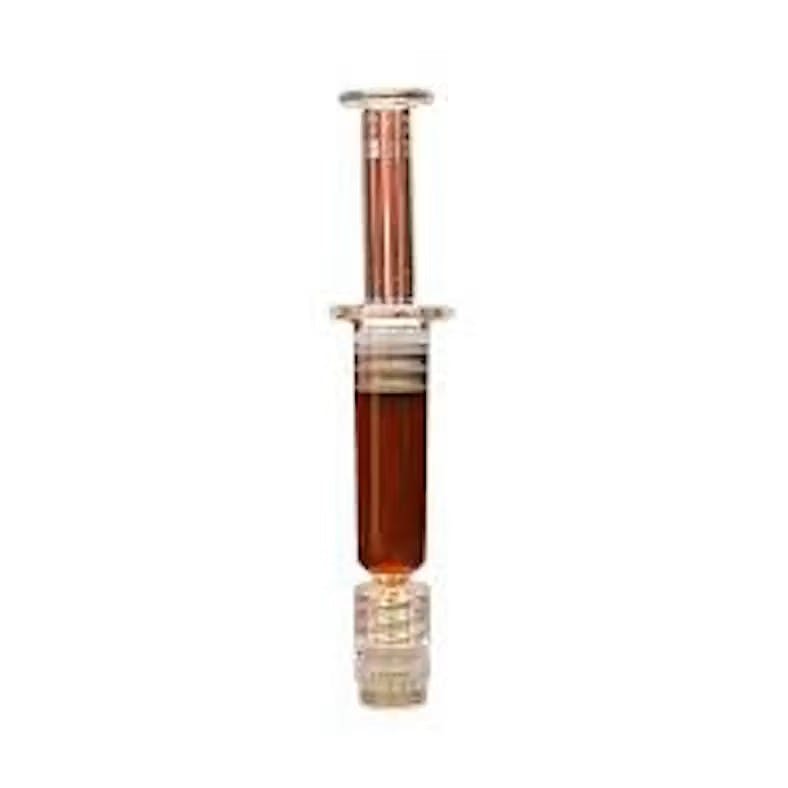
THC 66.28%·CBD 0.13%Hybrid
Veteran's Choice CreationsFECO | Full Extract Cannabis Oil · 1g
$39.82
$45after tax

weeddispensarynearme.com
You must be 21 years or older to enter. By entering, you confirm you’re of legal age in your state to purchase cannabis.
For use only by adults 21+ • Keep out of reach of children
Southampton, the storied village anchoring Suffolk County's East End, draws a discerning crowd that expects quality in every category — and cannabis concentrates are no exception. Along Montauk Highway and the quieter lanes that spill toward Shinnecock Bay, adult-use shoppers in ZIP 11968 are seeking refined, potent extracts worthy of the region's elevated standard of living.
About Concentrates
Cannabis concentrates represent the most refined tier of the legal New York adult-use market. Produced through solvent-based or solventless extraction processes, concentrates isolate and intensify the cannabinoids and terpenes present in the original flower, yielding products that range from translucent shatters and golden live resins to velvety badders, crystalline diamonds, and full-spectrum rosin pressed cold from fresh-frozen plant material. The resulting potency — commonly measured between 70 and 95 percent total cannabinoids — makes concentrates a fundamentally different experience from flower or edibles, and they deserve proportional care and attention from the shopper. New York's Office of Cannabis Management licenses extraction facilities under strict standards, requiring detailed testing for residual solvents, heavy metals, pesticides, and microbial contaminants before any concentrate reaches a legal dispensary shelf. That regulatory framework matters enormously for the concentrate category, where substandard extraction can leave harmful byproducts that no amount of terpene fragrance can mask. Shopping licensed channels in New York is therefore not merely a legal obligation for adults 21 and over — it is a meaningful quality guarantee. The concentrate category broadly divides into two production philosophies. Hydrocarbon and CO₂ extractions — producing wax, shatter, sauce, and distillate — use chemical solvents that are later purged to trace levels through vacuum-oven processes. Solventless methods — ice water hash, dry sift, and rosin — use only heat, pressure, and cold water to separate trichomes, preserving a particularly expressive terpene profile prized by connoisseurs. Both paths yield exceptional products when executed responsibly. For consumers new to concentrates, a guiding principle applies across all formats: start low, go slow. A fraction of a gram can represent multiple sessions for someone accustomed to flower, and the onset through a dab rig or concentrate-compatible vaporizer is typically faster and more pronounced than smoked cannabis.
Concentrates for Southampton shoppers
Southampton's rhythms are unlike those of any other New York community. During the spring and summer months, 11968 transforms from a quiet off-season village into one of the most traffic-saturated, socially active corridors on the Eastern Seaboard, with Montauk Highway functioning as the slow-moving artery connecting estate neighborhoods, farm stands, and the boutique Main Street retail strip. Concentrate shoppers here tend to be experienced cannabis consumers who already understand the category — weekend visitors arriving from Manhattan or Brooklyn, design professionals overseeing Shinnecock Bay–adjacent renovations, and year-round residents who have moved well beyond pre-roll novelty. The Hamptons climate adds a practical dimension. Long Island Sound humidity in summer can degrade loosely stored flower faster than many consumers expect, but properly sealed concentrate packaging — glass jars with silicone inserts, hermetically sealed pods — holds its integrity well in coastal air. In the shoulder seasons, when October winds clear the summer crowd and the South Fork returns to its contemplative, unhurried pace, concentrates pair naturally with the slower evenings and the particular quiet of a bay-view property after the boats have gone in. For the commuter class that travels the Long Island Rail Road's Montauk Branch or navigates the Sunrise Highway corridor into the city on Monday mornings, concentrates also offer a portability and discretion advantage that bulk flower cannot match. A single gram of live rosin stored in a sealed jar occupies almost no space and leaves no ambient odor — practical virtues that suit the understated aesthetic Southampton residents tend to prefer.
What to look for
Selecting a quality concentrate begins with understanding the extraction method and how it interacts with the specific cultivar's terpene architecture. Solventless rosins and ice water hashes are generally regarded as the most flavor-forward options, because cold-process extraction preserves volatile terpenes — particularly the monoterpenes like myrcene, limonene, and terpinolene — that evaporate or degrade under higher-temperature solvent purging. For a Southampton shopper whose palate is already calibrated to fine wine or single-origin olive oil, a high-quality rosin pressed from a regionally grown cultivar often delivers the most texturally complex, terroir-adjacent experience the category can offer. THC potency in concentrates is frequently cited between 70 and 90 percent, but chasing the highest number is a relatively unsophisticated approach. Total cannabinoid profiles — including minor cannabinoids such as CBG, CBC, and trace THCv — alongside a robust terpene percentage (ideally above three percent by weight in solventless products) produce a more nuanced and often more satisfying effect than a near-isolate distillate. Ask dispensary staff for the Certificate of Analysis, which every New York licensed product must carry, and look for terpene content listed alongside the cannabinoid panel. Format trade-offs matter here as well. Live resin sauce, with its high-terpene liquid fraction surrounding crystalline THCA, suits consumers who prioritize aroma and flavor and who own a purpose-built dab rig or a device capable of low-temperature vaporization. Badder and budder are easier to handle with a dab tool and are somewhat more forgiving for occasional users. Distillate cartridges offer maximum convenience and discretion — suitable for a patio overlooking the bay — but sacrifice much of the terpene complexity that makes concentrate connoisseurship rewarding.
Why ZenZest for concentrates in Southampton
ZenZest Cannabis Dispensary operates two licensed New York adult-use locations, with the nearest to Southampton being ZenZest Queens at 272-06 Union Tpke, Bellerose, NY 11004 — approximately 70.1 miles from the 11968 ZIP code via the Sunrise Highway corridor. For East End visitors and year-round Southampton residents who make the trip into the city for cultural events, gallery openings, or professional obligations, ZenZest Queens presents a well-curated concentrate selection drawn from New York's licensed producer network, with knowledgeable staff prepared to walk shoppers through Certificates of Analysis, terpene profiles, and format recommendations without pressure. It is worth noting that ZenZest's same-day delivery program — available on orders over $100 across more than 80 New York ZIP codes — does not currently extend to the Southampton 11968 ZIP code. Shoppers planning ahead are encouraged to time a visit to the Queens location around existing travel to the metropolitan area. ZenZest's editorial curation of the concentrate shelf reflects the same premium standard that Southampton consumers already apply to every other category in their lives.
ZenZest Queens · 272-06 Union Tpke, Bellerose, NY 11004 · 70.1 miles from Southampton.
$45after tax
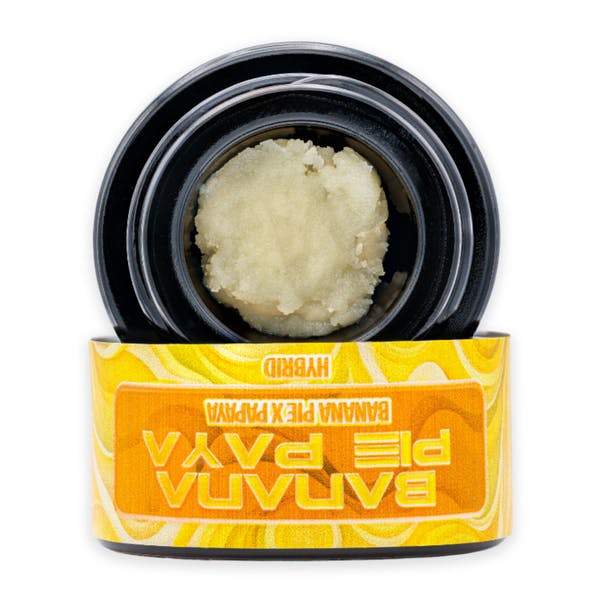
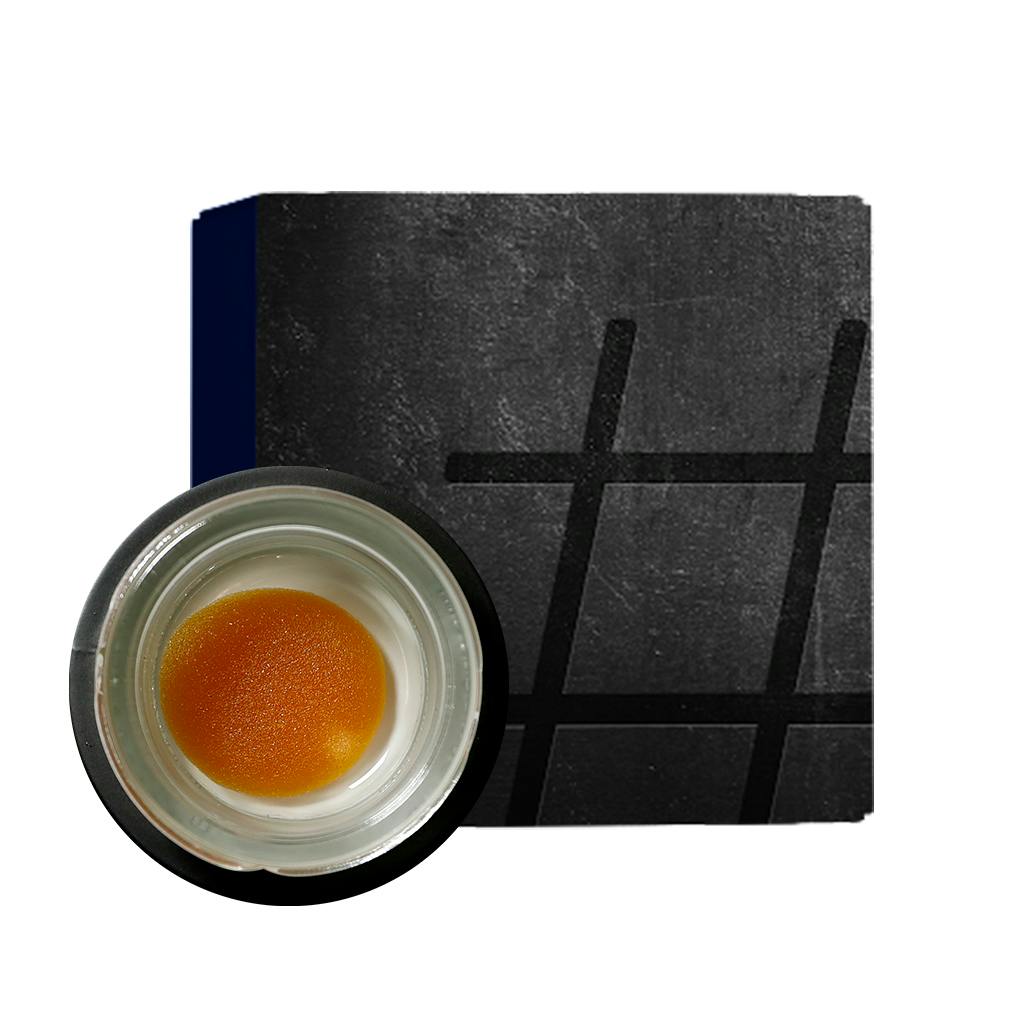
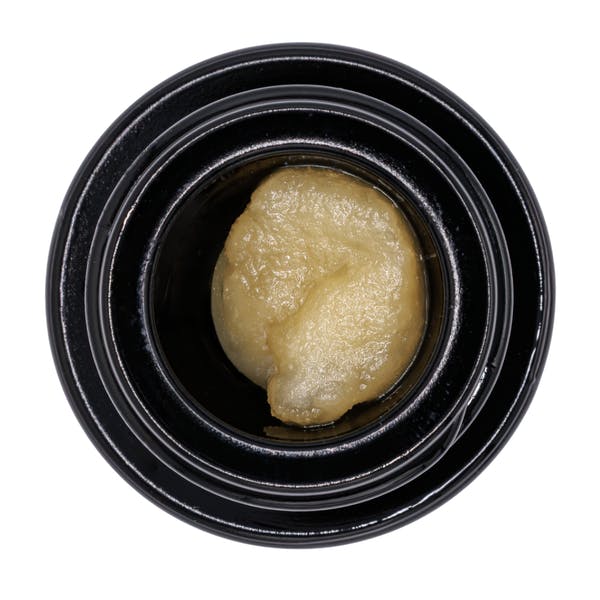
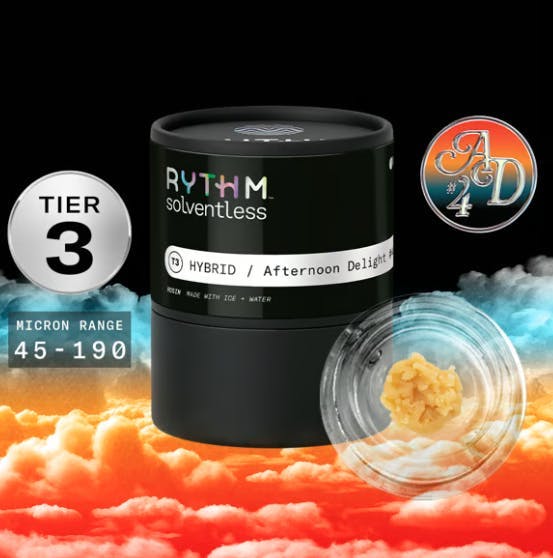
$82after tax
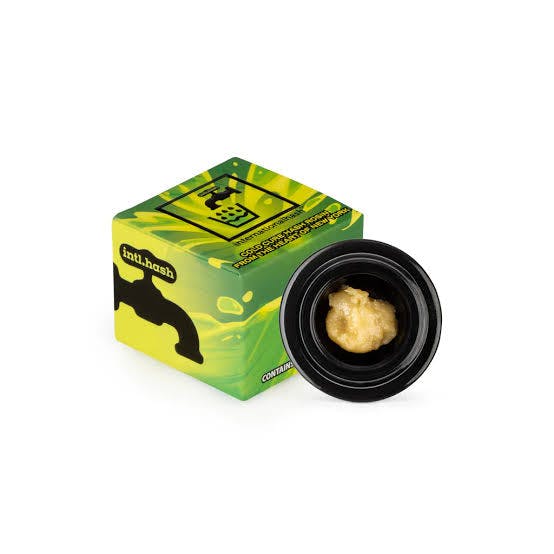
$75after tax
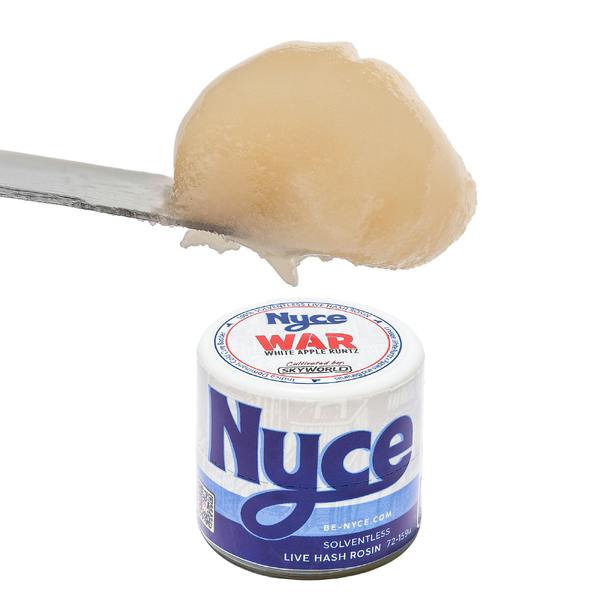
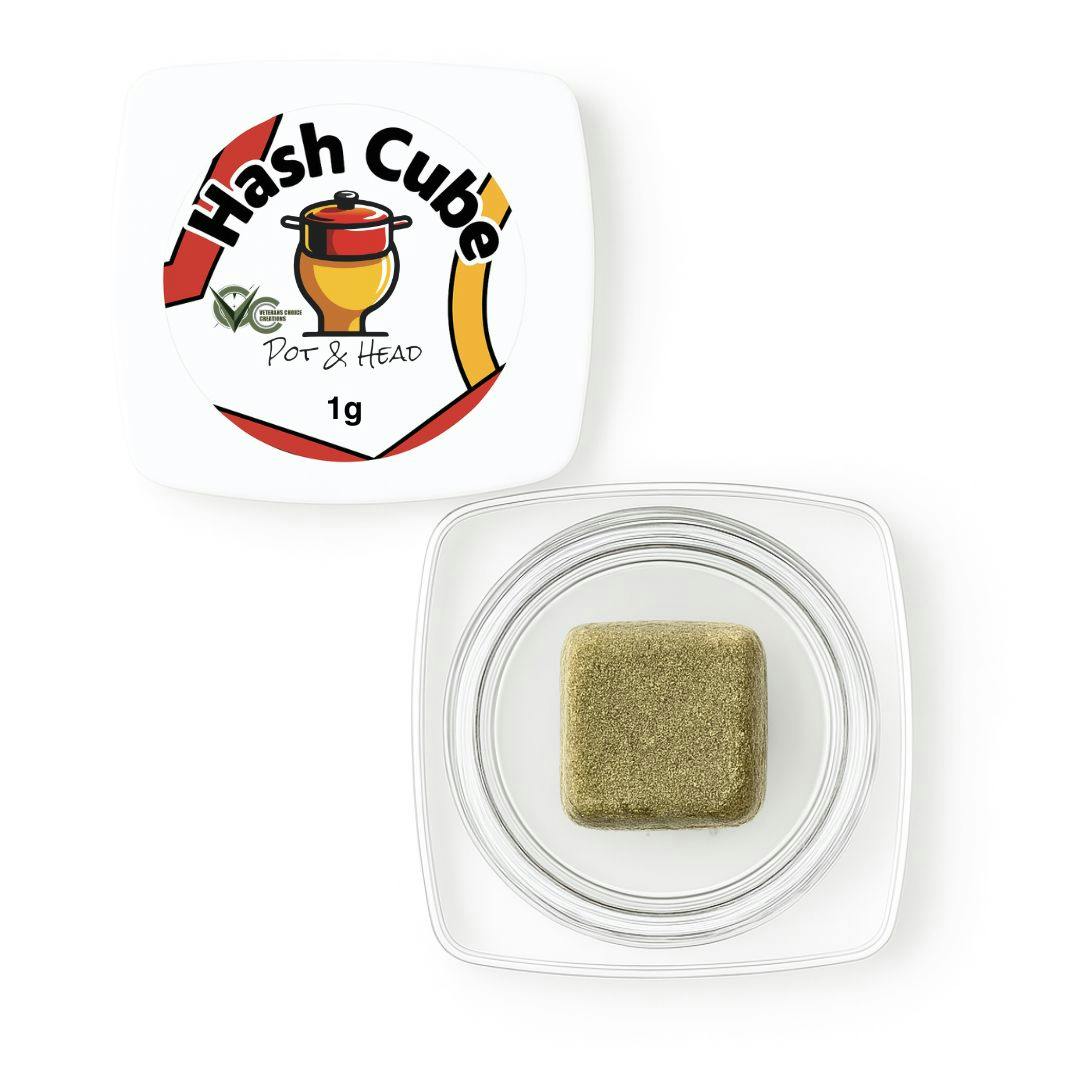
Licensed New York dispensaries generally carry a range that includes live resin, live rosin, badder, shatter, wax, THCA diamonds, hash rosin, and distillate in both jar and cartridge formats. Solventless products such as ice water hash and rosin have grown significantly in availability as New York's licensed producer base matures. Availability rotates with harvest cycles and producer releases, so checking a dispensary's current menu before visiting is always advisable, particularly when traveling from Southampton's East End location.
Concentrates isolate and amplify the cannabinoids and terpenes present in the source plant, producing potency levels that typically range from 70 to 95 percent total cannabinoids — a dramatic increase over flower, which usually measures between 15 and 30 percent. The onset through a dab rig or compatible vaporizer is correspondingly faster and more pronounced. Experienced flower consumers transitioning to concentrates are consistently advised to start with a very small amount and allow adequate time before considering an additional session.
Live resin is produced from cannabis that is flash-frozen immediately after harvest, preserving the volatile terpene compounds that would otherwise begin degrading as the plant dries and cures. That freeze-at-harvest approach captures a more complete aromatic and flavor profile than concentrates made from dried flower or trim, which is why live resin tends to command a premium. For consumers in Southampton who already appreciate ingredient provenance — the same logic that drives the farm-to-table market on the East End — live resin's cultivation-forward philosophy is a natural fit.
All licensed New York concentrates, regardless of extraction method, are tested for residual solvents and must meet state-mandated limits before reaching retail shelves. Solventless rosin, produced with only heat and pressure, contains no introduced solvents by definition. Both categories are considered safe when purchased through a licensed adult-use channel. The distinction between them is primarily one of flavor complexity and production philosophy rather than a safety hierarchy, though solventless products do carry a connoisseur reputation for terpene fidelity.
Concentrates are sensitive to heat, light, and humidity — environmental factors that are especially relevant along Suffolk County's coastal corridor. Store products in their original sealed glass or silicone container inside a cool, dark cabinet or a dedicated storage case. Avoid leaving concentrate jars in a warm vehicle or in direct sunlight through a bay-facing window. Properly stored concentrates generally maintain quality for several months. Rosin and live resin are particularly susceptible to terpene degradation from heat, so cool storage is especially important for those formats.
The equipment depends on the format. Traditional dab rigs paired with a quartz banger and a torch offer the most control over vaporization temperature and are favored by connoisseurs for flavor fidelity. Electronic dab devices — often called e-rigs — provide preset temperature ranges and are more practical for casual or occasional use. Concentrate-compatible dry herb vaporizers with dedicated concentrate inserts are another option. Distillate cartridges require only a compatible 510-thread battery. None of these devices are cannabis products themselves, so they are purchased through general retail rather than dispensary channels.
Terpene preference is personal, but a few profiles align particularly well with the calm, coastal character of Southampton. Myrcene, the most common cannabis terpene, contributes an earthy, slightly musky quality often associated with relaxation. Linalool, also found in lavender, is prized for its smooth, floral character. For consumers seeking a more energizing daytime experience — perhaps before an afternoon on the water — limonene and pinene, with their bright citrus and pine qualities, are worth exploring. Always ask dispensary staff for the terpene percentage on the Certificate of Analysis.
Adult-use cannabis purchased at a licensed New York dispensary may be transported within New York State by a person 21 or older, provided the product remains in its original sealed packaging and is not consumed while driving or in a vehicle. The drive from Southampton's 11968 ZIP code to ZenZest Queens at 272-06 Union Tpke in Bellerose is approximately 70 miles via the Sunrise Highway or the Long Island Expressway. Many East End visitors incorporate a dispensary stop into trips made for other purposes in the metropolitan area.
ZenZest Cannabis Dispensary operates a same-day delivery program covering more than 80 New York ZIP codes on orders over $100. At this time, the Southampton 11968 ZIP code is not within ZenZest's delivery range. Shoppers based on the East End who wish to shop ZenZest's concentrate selection are encouraged to plan a visit to the Queens location at 272-06 Union Tpke, Bellerose, NY 11004, ideally aligned with travel already planned to the New York City metropolitan area.
A Certificate of Analysis, or COA, is a third-party laboratory report that every licensed New York cannabis product must carry. For concentrates, the COA will list total THC and CBD percentages, the presence and concentration of minor cannabinoids, terpene percentages by compound, and test results for residual solvents, heavy metals, pesticides, and microbial contaminants. A product that passes all panels and lists detailed terpene data is demonstrably well-produced. COAs are typically accessible via a QR code on the packaging. Any dispensary staff member at a reputable licensed retailer should be comfortable helping you interpret the results.
Pick your store
We'll show pricing, deals, and delivery zones for the store you pick. You can switch any time from the header.