
Queens · Rosin
Best Rosin in South Ozone Park, Queens
South Ozone Park has long moved at its own deliberate pace — Rockaway Boulevard humming with commerce, the grandstand of Aqueduct Racetrack casting a long shadow over 11420. For adults 21 and over who appreciate craft and process, solventless rosin represents the category that matches that neighborhood ethos: unhurried, honest, and refined.
About Rosin
Rosin is, at its core, a solventless cannabis concentrate produced by applying precisely calibrated heat and pressure to flower, hash, or kief. No butane, no CO2, no residual chemical signature — only the plant's native cannabinoids and terpenes, mechanically separated and collected. The result is a translucent to amber extract that connoisseurs across New York's licensed market have increasingly sought out as the state's adult-use program has matured and shelf quality has risen. New York's Office of Cannabis Management licenses a growing roster of processors authorized to produce and sell rosin through the state's regulated retail channel. That licensing framework matters: every gram of rosin available at a licensed dispensary has passed state-mandated testing for pesticides, residual solvents, heavy metals, and potency. For a concentrate category that lives and dies by the integrity of its source material, that testing backstop is meaningful. Shoppers in 11420 can approach licensed rosin with a reasonable degree of confidence that what the label states reflects what the product contains. Formats within the rosin category span a useful range. Fresh-press rosin is collected immediately after the press and retains a soft, almost sauce-like consistency with vivid terpene expression. Cold-cure rosin undergoes a low-temperature aging process that encourages a budder or badder texture — spreadable, aromatic, and slightly more stable at room temperature. Live rosin, the most labor-intensive and expensive variant, begins with fresh-frozen cannabis rather than dried flower, preserving a broader spectrum of volatile terpenes that would otherwise off-gas during the curing process. For adults new to concentrates, rosin's solventless nature does not mean low potency — total cannabinoid concentrations regularly run between 60 and 85 percent, sometimes higher, on licensed New York products. Responsible exploration of this category begins with very small amounts and patient observation of effects before any further use.
Rosin for South Ozone Park shoppers
South Ozone Park carries a particular texture that distinguishes it from the broader Queens landscape. Rockaway Boulevard runs its commercial spine with a directness that mirrors the neighborhood itself — practical, unpretentious, quietly proud. Lefferts Boulevard draws commuters toward the A train, making this one of the more transit-connected corners of the borough despite its proximity to the outer-reaches feel of the Aqueduct corridor. That commuter rhythm shapes consumption patterns in ways that matter when selecting a cannabis format. Rosin, as a concentrate, suits the South Ozone Park lifestyle with some nuance. The neighborhood's residents include longtime homeowners with private outdoor space, multi-generational families, and a working-class professional base that values efficiency and quality without ostentation. For those with a backyard off Lefferts or a private patio within earshot of the racetrack's seasonal activity, a small dab or a rosin-filled vape cartridge can serve as a considered, measured wind-down — the kind of evening ritual that fits naturally after a long commute back on the A. Seasonal conditions along the 11420 corridor also inform format choices. Queens summers are humid and warm, which can affect the consistency of rosin stored improperly — a cold-cure badder that holds up well in a climate-controlled apartment may soften quickly if left in a hot car near Aqueduct on a July afternoon. Winter brings the opposite challenge: rosin that has been cold-cured can become brittle in low temperatures, requiring a moment at room temperature before use. Understanding these local environmental factors helps shoppers in South Ozone Park make format decisions that match their actual storage and use conditions.
What to look for
Evaluating rosin begins with terpene profile, which is both the quality signal and the experience driver in this category. Licensed New York products are increasingly required to disclose total terpene percentages alongside cannabinoid data. Look for rosin with a combined terpene content above one percent — elite fresh-press and live rosin products regularly exceed three percent. The specific terpenes present shape the sensory character: myrcene contributes an earthy, herbal warmth that many find conducive to relaxation; limonene offers citrus brightness; caryophyllene introduces a peppery, subtly spicy quality; and terpinolene can lend floral or piney notes that distinguish certain cultivars. THC potency in rosin should be read alongside terpene data, not in isolation. A rosin testing at 75 percent THC with a rich, complex terpene profile will generally deliver a more complete and considered experience than a higher-number product with negligible terpene retention — a phenomenon the industry refers to as the entourage effect, though formal research continues to develop. For shoppers in South Ozone Park who are newer to concentrates, starting at the lower end of the potency range and selecting products with robust terpene disclosures gives the most navigable entry point. Format trade-offs are practical in this neighborhood. Dabbable rosin — fresh-press, cold-cure, or live — requires a dab rig or an electronic device, which suits home use. Rosin cartridges and rosin-filled disposable vaporizers offer portability with less equipment investment, though some terpene nuance is reduced in the cartridge format due to the filling process. Hash rosin, made from ice water hash rather than direct flower, occupies the premium tier — expect higher price points and more pronounced terpene complexity. Matching format to lifestyle, storage conditions, and experience level is the most useful exercise a South Ozone Park shopper can undertake before purchasing.
Why ZenZest for rosin in South Ozone Park
ZenZest Cannabis Dispensary operates its Queens location at 272-06 Union Tpke in Bellerose — approximately 6.5 miles from South Ozone Park via a straightforward drive up Lefferts Boulevard and across the neighborhood boundary into eastern Queens. The store carries a curated selection of licensed New York cannabis products, including rosin formats across multiple price points and producer partnerships. Staff are trained to discuss terpene profiles, format trade-offs, and potency ranges in plain terms, which makes the visit a genuinely informative one for shoppers who want guidance rather than a transaction. For residents of 11420 who prefer to shop from home, ZenZest offers free same-day delivery on qualifying orders of $100 or more, with service extending across more than 80 eligible New York ZIP codes. South Ozone Park falls within that delivery footprint, meaning a selection of licensed rosin products can arrive at a Rockaway Boulevard address or a side street off Lefferts the same day the order is placed. ZenZest also operates a second location on Staten Island at 2343 Forest Ave, expanding the network for customers traveling or relocating across the region.
ZenZest Queens · 272-06 Union Tpke, Bellerose, NY 11004 · 6.5 miles from South Ozone Park.
Live rosin for South Ozone Park
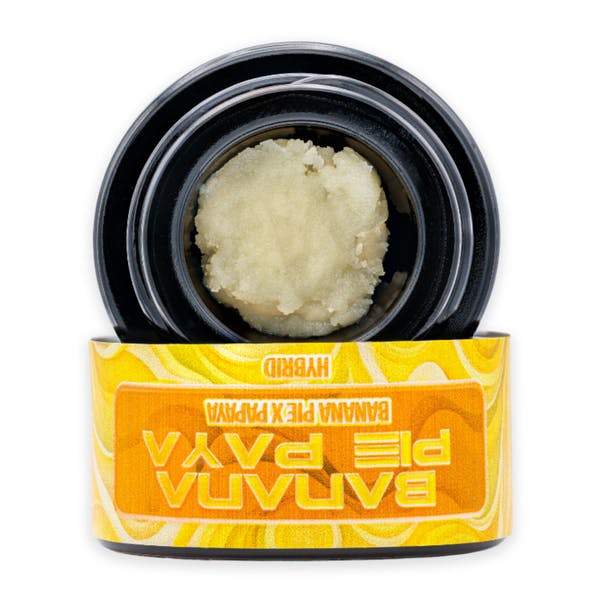
Full rosin menu →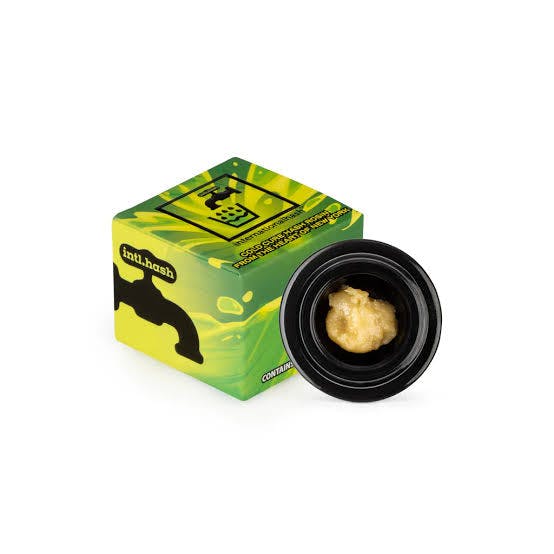
THC 75.73%Hybrid
INTERNATIONAL HASHInternational Hash | Cold Cure Hash Rosin | Grapefruit Hybrid · 1g
$66.37
$75after tax
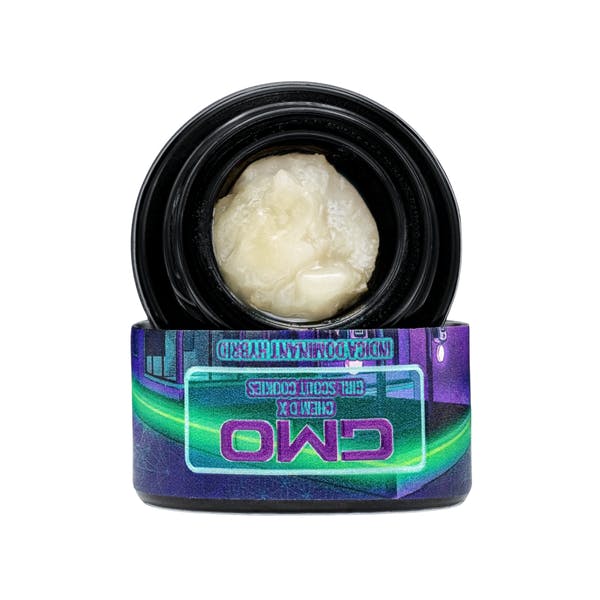
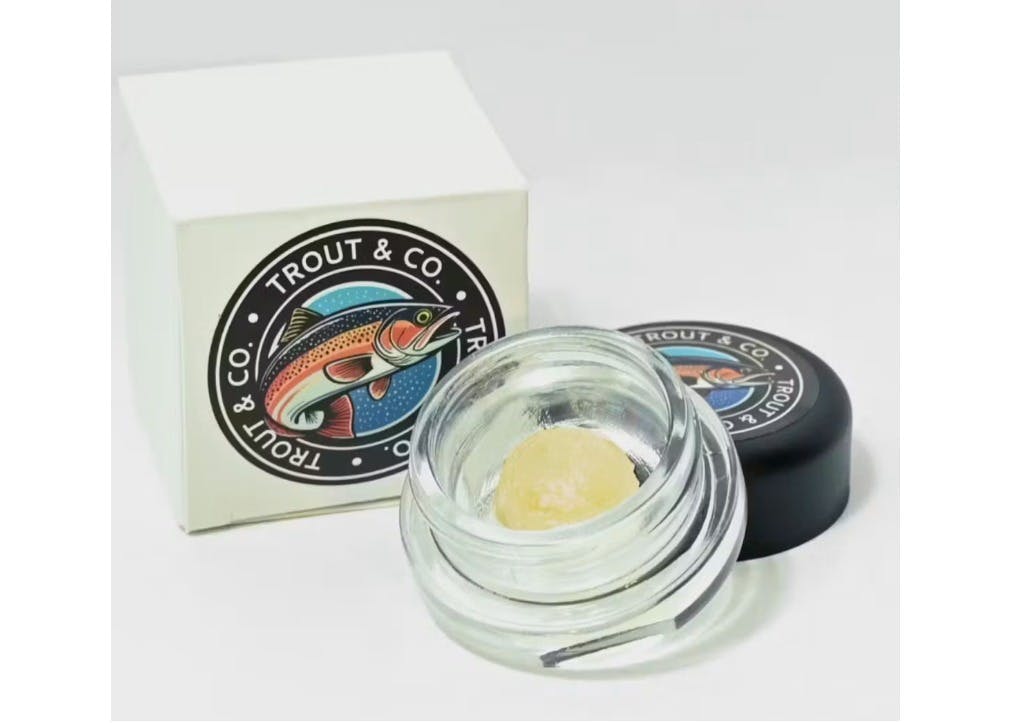
THC 77.52%Hybrid
Trout & Co.Trout & Co. | Super Funk | Live Rosin Private Reserve · 1g
$88.50
$100after tax
Rosin in South Ozone Park — answers
What makes rosin different from other concentrates available at licensed New York dispensaries?+
Rosin is produced without chemical solvents — heat and pressure are the only processing agents. This distinguishes it from butane hash oil, CO2 extract, and distillate, all of which involve chemical inputs that must subsequently be purged. Because the extraction is mechanical, rosin tends to preserve a broader and more intact terpene profile than many solvent-based alternatives. For shoppers in South Ozone Park exploring the licensed concentrate market, that solventless distinction is often the starting point for understanding why rosin occupies a respected tier in the category.
Is rosin appropriate for someone new to cannabis concentrates in 11420?+
Rosin can be appropriate for adults new to concentrates, but the potency range — often 60 to 85 percent total cannabinoids — warrants genuine caution. New York's adult-use market is for individuals 21 and over, and responsible first-time concentrate use follows a start-low, go-slow approach: a very small amount, a patient waiting period, and no additional use until the initial effects are fully understood. Selecting a product with a detailed terpene disclosure and speaking with staff at a licensed dispensary before purchasing is a practical first step for South Ozone Park residents new to this format.
How should I store rosin during a South Ozone Park summer?+
Queens summers are humid and often hot, which can significantly affect rosin consistency. Fresh-press and live rosin in particular are susceptible to terpene degradation and texture change when exposed to heat. Parchment-lined, airtight glass containers kept in a consistently cool environment — a refrigerator drawer or an air-conditioned interior space — are the standard storage recommendation. Avoid leaving rosin in a vehicle near Aqueduct Racetrack or anywhere that experiences significant temperature swings throughout the day, as repeated heat exposure degrades both potency and terpene integrity.
What is the difference between live rosin and regular rosin on a licensed New York dispensary shelf?+
Standard rosin is produced from dried and cured cannabis flower or hash. Live rosin begins with fresh-frozen plant material — cannabis that is frozen immediately after harvest before any drying or curing occurs. Fresh-freezing preserves a significantly broader range of volatile terpenes that would otherwise evaporate during the drying process. The result is a concentrate with more pronounced and complex terpene expression. Live rosin is generally the most expensive format in the rosin category on New York licensed shelves, reflecting the additional labor and source material cost involved in its production.
Can I get rosin delivered to South Ozone Park without visiting a store?+
Yes. ZenZest Cannabis Dispensary offers free same-day delivery on orders over $100 to eligible ZIP codes, and 11420 — the South Ozone Park ZIP — falls within that delivery service area. Orders can be placed through ZenZest's platform, and delivery brings licensed, tested rosin products directly to addresses along Rockaway Boulevard, Lefferts Boulevard, and surrounding streets. All deliveries are adult-use only for individuals 21 and over, and valid identification is required at the time of delivery.
Which terpenes should I look for in rosin if I want a more relaxing experience after a long A-train commute?+
Terpene experience is individual, and no specific medical effect should be assumed. That said, many users report that rosin products with higher concentrations of myrcene — an earthy, herbal terpene common in indica-leaning cultivars — tend toward a more physically settled character. Linalool, a floral terpene also found in lavender, is another commonly cited option in this context. Reviewing the terpene panel on the product label and asking dispensary staff to point toward rosin with these profiles is a practical starting point for South Ozone Park commuters exploring the category.
What equipment do I need to use dabbable rosin at home in South Ozone Park?+
Traditional dabbing requires a dab rig — a water pipe fitted with a heat-resistant nail or banger — along with a torch to bring the nail to temperature, and a tool for handling the rosin. Electronic dab devices, often called e-rigs, provide a more controlled temperature experience and eliminate the open flame. For residents in South Ozone Park apartments or homes who prefer minimal equipment, rosin-filled vaporizer cartridges compatible with a standard 510-thread battery offer the most accessible entry point, though some terpene nuance is reduced compared to direct dabbing.
How does hash rosin differ from flower rosin, and is it worth the higher price?+
Hash rosin is produced by pressing ice water hash — itself made by agitating cannabis in cold water to separate trichome heads — rather than pressing whole flower directly. Because you are starting with a more refined and concentrated input material, hash rosin typically exhibits greater terpene density, smoother texture, and more pronounced aromatic complexity than flower rosin. The production process is significantly more labor-intensive, which is reflected in a higher retail price on New York licensed shelves. Whether the premium is worthwhile depends on how much terpene nuance and texture matter to the individual shopper.
Are all rosin products sold at New York licensed dispensaries tested for safety?+
Yes. New York's Office of Cannabis Management requires that all adult-use cannabis products sold through licensed dispensaries pass third-party laboratory testing for pesticides, heavy metals, residual solvents, microbial contaminants, and cannabinoid potency before reaching retail shelves. For a solventless category like rosin, the residual solvent testing will return non-detect results by nature of the process, but the full testing panel still applies. Shoppers at licensed dispensaries in and around 11420 can request or review certificates of analysis for products they are considering.
How does the Aqueduct Racetrack area's seasonal activity affect when people in 11420 tend to shop for cannabis?+
Aqueduct Racetrack draws seasonal traffic to the South Ozone Park corridor during its active racing calendar, which typically runs through specific months of the year and draws visitors from across the region. During peak racing periods, local foot traffic on Rockaway and Lefferts increases noticeably. For residents, this seasonal rhythm can make in-store visits to dispensaries slightly less appealing during congested weekends. ZenZest's same-day delivery option covering 11420 provides a practical alternative — placing an order from home rather than navigating additional traffic on high-activity days near the racetrack.