
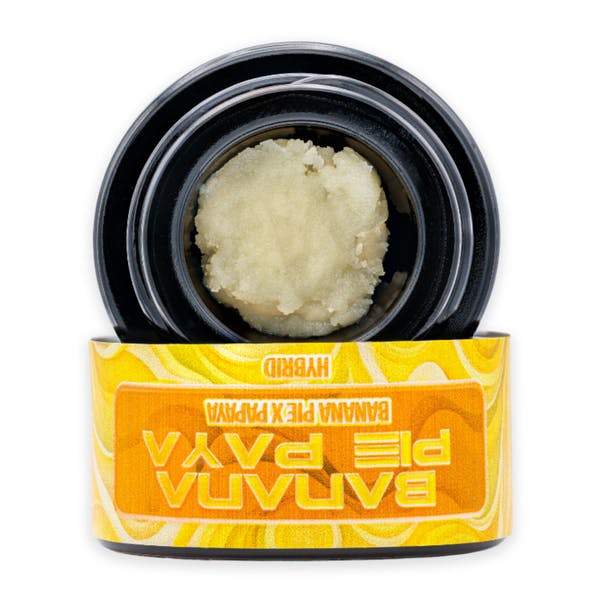
Bronx · Rosin
Best Rosin in Soundview, Bronx
Soundview, the Bronx neighborhood framed by the quiet current of the Bronx River and the steady rhythm of Soundview Avenue, has developed a quietly discerning cannabis culture. For adults 21 and older seeking solventless concentrates, rosin has emerged as the category that rewards patience, palette, and an appreciation for craft — qualities that feel at home in a community with roots as deliberate as these.
About Rosin
Rosin occupies a singular position in the New York licensed cannabis market. Unlike hydrocarbon-extracted concentrates, rosin is produced entirely through heat and pressure — no solvents, no residual chemicals, no ambiguity about what ends up in the final product. The result is a full-spectrum extract that preserves the plant's original terpene and cannabinoid profile with remarkable fidelity, making it the preferred choice for consumers who want to taste the cultivar rather than the process. New York's Office of Cannabis Management licenses a growing roster of processors who produce rosin under strict regulatory oversight, meaning that every gram sold through a licensed dispensary has passed testing thresholds for potency, residual solvents (none, by definition), heavy metals, and microbial content. That oversight matters. In a market still shaking out its illicit competitors, rosin from a licensed retailer is a category where certification and provenance carry real weight. Within rosin, the format distinctions are meaningful. Fresh-press rosin is extracted from freshly harvested, uncured flower and tends to deliver vivid, volatile terpene expression — bright citrus, sharp pine, green melon. Cured rosin, made from dried and cured flower, offers a more settled, rounded profile. Hash rosin, the most labor-intensive tier, begins with ice-water-extracted bubble hash before pressing, producing a product of exceptional purity and concentrate community prestige. Rosin badder, jam, and sauce present different textures suited to different consumption tools, from a heated quartz banger to a purpose-built rosin-compatible vaporizer. For adults in New York navigating the legal market, rosin represents a meaningful upgrade from commodity vape cartridges or standardized edibles. It rewards engagement — the consumer who wants to understand what limonene or myrcene contributes to an experience, or who appreciates that a 72-percent THC reading from a certified lab means something precise and accountable.
Rosin for Soundview shoppers
Soundview sits in the southeastern Bronx across ZIP codes 10472 and 10473, a neighborhood where Soundview Avenue anchors daily commerce and Story Avenue cuts through blocks that have seen sustained community investment over the past decade. The Bronx River Greenway, running along the neighborhood's eastern edge, provides one of the borough's more contemplative stretches of public green space — a place where residents walk, cycle, and decompress in a way that aligns naturally with the measured, intentional consumption that quality rosin tends to invite. The commuting reality of Soundview is formative. Access to the 6 train at Parkchester and the BX39 and BX36 bus routes means many residents travel into Midtown or Downtown Manhattan for work, accumulating the kind of transit time that shapes evening rituals. After a long commute back up the borough, the appeal of a home-use concentrate that requires minimal preparation — a single low-temperature dab from a portable device — resonates practically. Rosin fits that rhythm: potent enough to be economical, complex enough to feel like a genuine end-of-day reward rather than a utilitarian product. Soundview's demographics skew toward adults who have cultivated strong neighborhood loyalty, and there is a parallel logic in supporting a solventless, craft-tier product category. The same sensibility that values a well-sourced meal or a locally rooted business translates to cannabis purchasing decisions. Rosin, as the most artisanal tier of the concentrate market, tends to attract exactly the kind of thoughtful adult consumer that Soundview's evolving character increasingly reflects.
What to look for
Shopping for rosin as an adult consumer in New York begins with understanding what the label is actually telling you. THC percentage in concentrates is measured differently than in flower — most quality rosins land between 65 and 82 percent total THC, and the number alone is not the full story. Total terpene percentage, often listed separately on a certificate of analysis, gives a better read on how aromatic and experientially layered the product will be. Look for total terpene content above three percent for a noticeably expressive product; fresh-press and live rosin typically outperform cured-flower rosin on this metric. Terpene specifics matter for anyone calibrating their experience thoughtfully. Myrcene-dominant rosins, common in indica-leaning cultivars, tend toward a heavier, more physically relaxed character. Terpinolene- and ocimene-forward profiles, found in haze-adjacent genetics, lean brighter and more mentally alert — worth considering for someone who wants a concentrate that pairs with an afternoon in the Bronx River Park rather than a session that ends on the couch. Caryophyllene, a peppery, spicy terpene also found in black pepper and clove, appears frequently in balanced cultivars and has been studied for complementary properties, though no medical claims should be drawn from that research. Format is a practical decision as much as an aesthetic one. If you are new to concentrates, rosin badder has a soft, workable consistency that makes dosing with a dab tool more forgiving than attempting to work with a brittle shatter or a runny sauce. Portable electronic nectar collectors and low-temperature dab pens designed for concentrate use have come down considerably in price and work well with the texture of most New York-market rosins. As always, the adult-use principle of starting with a small amount and waiting to assess effect before consuming more is especially relevant with any high-potency concentrate.
Why ZenZest for rosin in Soundview
ZenZest Cannabis Dispensary serves Soundview residents through its Queens location at 272-06 Union Tpke in Bellerose — approximately 9.7 miles from the heart of the neighborhood, accessible via the 6 train to the 7 train or by a direct drive across the Throgs Neck approach and into eastern Queens. The store carries a curated selection of New York-licensed rosin and concentrate products, staffed by floor associates who can walk through certificates of analysis and explain the terpene breakdown on any given batch. For Soundview residents who prefer not to make the trip, ZenZest offers free same-day delivery on orders over one hundred dollars to more than 80 New York ZIP codes, including delivery-eligible addresses in 10472 and 10473. That threshold is realistic for a rosin purchase — a single gram of quality hash rosin from a licensed New York processor typically falls in a price range where a two-gram order comfortably clears the minimum. Orders can be placed through ZenZest's online menu, with delivery windows coordinated for adult residents 21 and older.
ZenZest Queens · 272-06 Union Tpke, Bellerose, NY 11004 · 9.7 miles from Soundview.
Live rosin for Soundview
Full rosin menu →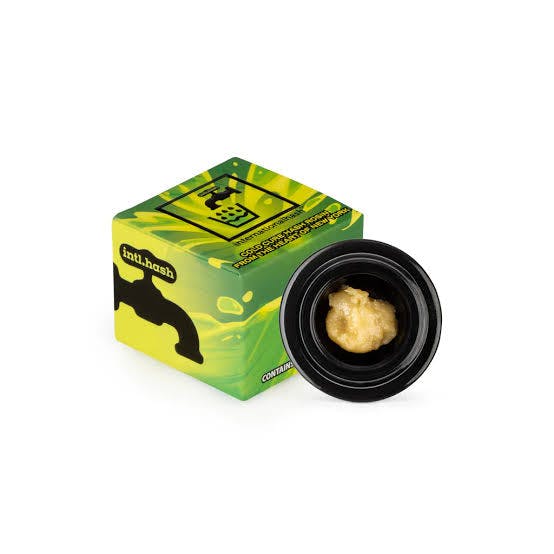
THC 75.73%Hybrid
INTERNATIONAL HASHInternational Hash | Cold Cure Hash Rosin | Grapefruit Hybrid · 1g
$66.37
$75after tax
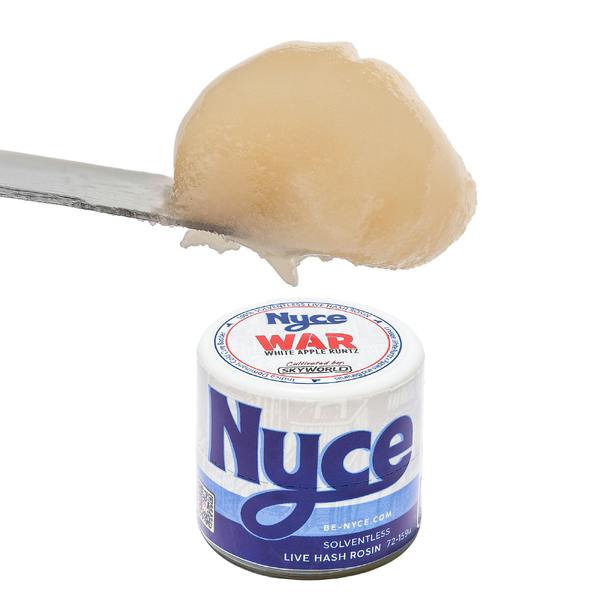
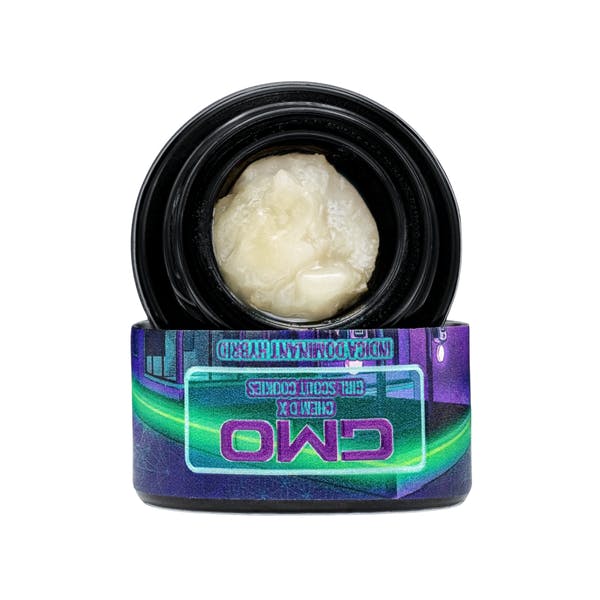
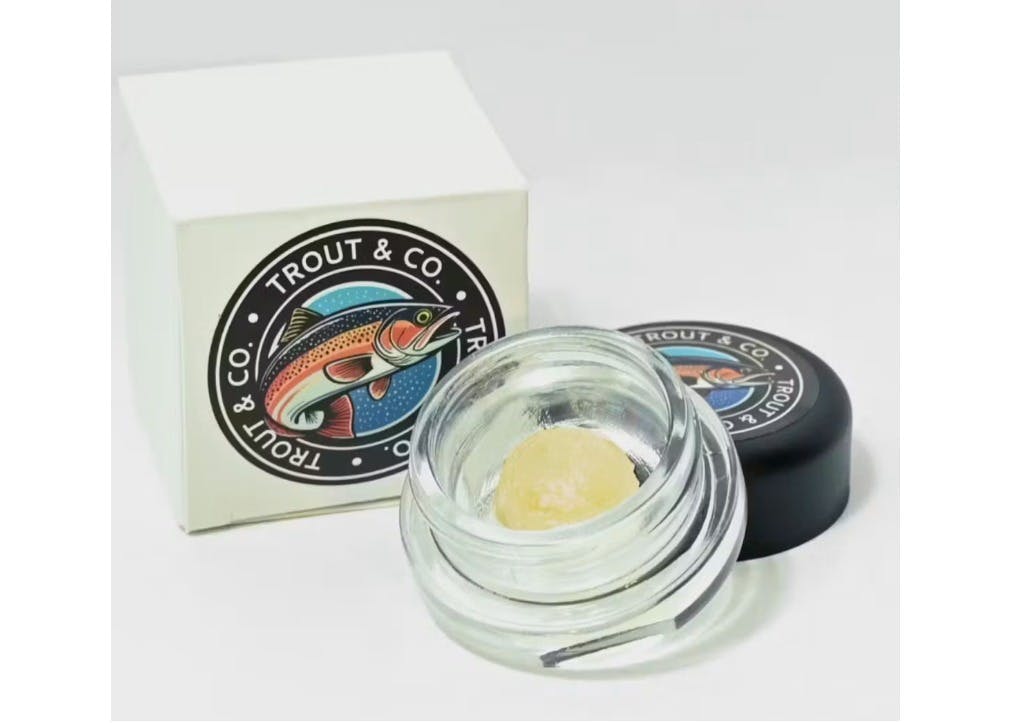
THC 77.52%Hybrid
Trout & Co.Trout & Co. | Super Funk | Live Rosin Private Reserve · 1g
$88.50
$100after tax
Rosin in Soundview — answers
What makes rosin different from other cannabis concentrates sold at New York licensed dispensaries?+
Rosin is a solventless concentrate, meaning it is produced exclusively through applied heat and pressure rather than chemical extraction using butane, propane, or CO2. No solvent residue is possible by process definition, and the extract preserves the cultivar's original terpene and cannabinoid ratios more completely than many solvent-based methods. In New York's licensed market, all concentrates must pass third-party lab testing, but rosin's solventless nature gives many consumers an additional layer of confidence about what they are consuming.
Is rosin significantly more potent than cannabis flower, and how should first-time concentrate users in Soundview approach it?+
Yes, considerably so. Where premium licensed flower in New York commonly tests between 20 and 28 percent THC, quality rosin typically ranges from 65 to 82 percent. For adults trying concentrates for the first time, the practical guidance endorsed across the New York cannabis consumer education space is to start with a very small amount — a piece the size of a sesame seed on a dab tool — and wait a full 15 minutes before assessing effect. The intensity and onset of a concentrate are both meaningfully different from flower, and patience at the start pays dividends.
What equipment do I need to consume rosin at home in my Soundview apartment?+
The most accessible entry point is a portable electronic dab device or a concentrate-compatible vaporizer, both widely available through licensed accessories retailers. These devices allow precise temperature control — generally between 450 and 550 degrees Fahrenheit for rosin — which preserves terpene expression while avoiding combustion. Traditional dab rigs using a quartz banger and a torch are also effective but require more equipment and practice. Rosin badder and jam textures tend to be the easiest formats for loading into portable devices without mess.
What terpenes should I look for in a rosin if I want something that pairs with an evening walk along the Bronx River Greenway?+
For an active, outdoor-adjacent occasion, look for rosins with terpinolene, limonene, or alpha-pinene as primary terpenes. These profiles tend toward brighter, more mentally present characteristics rather than the heavier, sedative quality associated with myrcene-dominant extracts. A certificate of analysis available at any licensed New York dispensary will list terpene percentages by compound, and floor staff at quality retailers can guide you toward cultivars — Durban Poison, Mimosa, and Super Lemon Haze lineages, for example — that tend to express those profiles consistently.
How is hash rosin different from flower rosin, and is the price difference worth it?+
Hash rosin begins with bubble hash — a concentrate made by agitating frozen cannabis in ice water to separate trichome heads — before that hash is then pressed under heat and pressure. The extra processing step concentrates the most resin-rich material before extraction, producing a purer, more aromatic final product with a cleaner flavor profile. Flower rosin, pressed directly from cured or fresh cannabis material, is more accessible in price and still excellent quality. Whether the premium is justified comes down to how central flavor and terpene nuance are to your experience.
Can ZenZest deliver rosin to ZIP codes 10472 and 10473 in Soundview?+
Yes. ZenZest Cannabis Dispensary offers free same-day delivery to more than 80 New York ZIP codes, and delivery-eligible addresses in 10472 and 10473 are included in that network. Orders must be placed by an adult 21 years of age or older, and the free delivery threshold is met on orders over one hundred dollars. For a premium rosin purchase, that threshold is straightforward to reach, particularly if you are adding a second gram or a compatible accessory to the order.
How should rosin be stored to preserve its quality and terpene profile?+
Rosin is sensitive to heat, light, and air — the same environmental factors that degrade all cannabis products, but with heightened importance given the concentrated terpene load. The standard recommendation from processors and retailers is to store rosin in an airtight, food-grade silicone or glass container in a cool, dark place. Refrigeration is acceptable for medium-term storage, and freezing works for extended storage, though you should allow the product to return to room temperature before opening to prevent condensation from introducing moisture. Avoid leaving rosin in a warm car or on a sunny windowsill.
Are there New York State licensed rosin products that are specifically grown and processed in-state?+
Yes, and the number is growing. New York's cannabis licensing framework includes cultivator-processor licenses that allow in-state producers to grow, extract, and bring rosin to market entirely within the state. Several licensed operators across Hudson Valley, western New York, and the Catskills region are producing rosin from New York-grown cultivars. Buying in-state rosin from a licensed dispensary supports the regulated market and ensures the product has passed New York's specific testing requirements. Ask dispensary staff to identify which products on the current menu come from licensed New York processors.
What is the difference between live rosin and cured rosin, and which is typically better for Bronx consumers navigating a long commute?+
Live rosin is made from fresh-frozen cannabis — plant material that is frozen immediately after harvest rather than dried and cured — preserving a more volatile and vivid terpene profile. It tends to be more expensive and more intensely aromatic. Cured rosin uses traditionally processed flower and delivers a slightly more settled, rounded character. For someone coming off a long Bronx commute and looking for a predictable, reliable evening experience, cured rosin often offers better value consistency. Live rosin appeals more to consumers specifically chasing terpene complexity as a primary goal.
What should I know about rosin pricing in New York's licensed market before shopping?+
In New York's current licensed retail market, flower rosin typically retails between 40 and 65 dollars per gram depending on the processor and cultivar. Hash rosin, reflecting its additional labor and starting material costs, generally runs between 60 and 90 dollars per gram. Prices vary by retailer and fluctuate with market conditions. It is worth noting that because rosin is highly concentrated, consumer usage per session is considerably smaller than with flower, meaning that on a cost-per-use basis the premium narrows. Always buy from a licensed dispensary to ensure the product has been tested and certified.