On sale· 20% OFF
THC 70.7%Indica-Hybrid
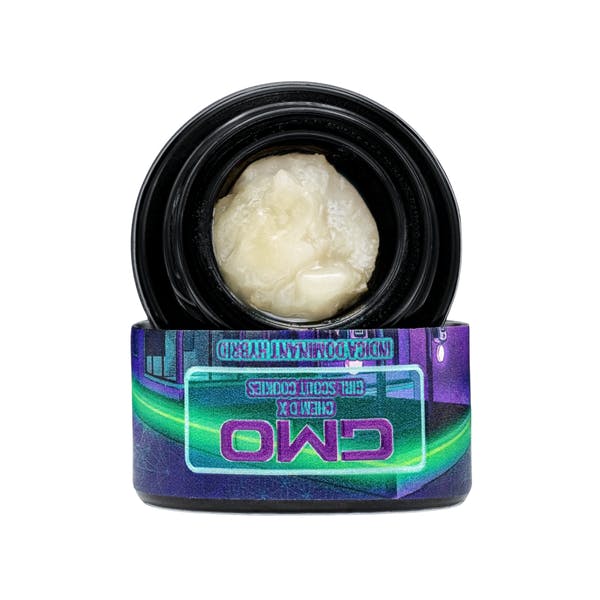
UmamiiUmamii | Live Rosin Jar | GMO · 2g
$80.00$100.00
$93after tax

weeddispensarynearme.com
You must be 21 years or older to enter. By entering, you confirm you’re of legal age in your state to purchase cannabis.
For use only by adults 21+ • Keep out of reach of children
SoHo's cast-iron corridors and gallery-lined blocks along Broadway and Spring Street attract a discerning crowd that applies the same curatorial eye to cannabis as to art and design. Rosin — the solventless concentrate pressed from fresh flower or hash — fits naturally into that ethos: no chemical solvents, no shortcuts, just heat, pressure, and the unadulterated expression of the plant.
About Rosin
Rosin occupies a singular position in the New York licensed cannabis market precisely because it refuses to compromise. Unlike hydrocarbon extracts that rely on butane or propane to strip cannabinoids and terpenes from plant material, rosin is produced entirely through mechanical means — applying calibrated heat and pressure to cannabis flower, dry-sift kief, or bubble hash until the resinous oil separates and flows free. The result is a product whose terpene profile remains remarkably close to the living plant, and whose potency, typically ranging from the mid-60s into the low-80s percent total cannabinoids, reflects the quality of the starting material rather than any post-processing intervention. New York's Office of Cannabis Management licenses cultivators and processors to strict standards, meaning every rosin jar on a dispensary shelf has passed state-mandated testing for residual solvents — in rosin's case, there are none to find — as well as for pesticides, heavy metals, and microbial contaminants. That regulatory rigor matters to SoHo shoppers who already scrutinize ingredient lists on everything from olive oil to skincare serums. Within the rosin category, shoppers will encounter several distinct formats. Flower rosin is the most accessible entry point: cured buds pressed at lower temperatures to yield a saucy, aromatic product with a softer consistency. Hash rosin, made from bubble hash or dry-sift intermediaries, represents the premium tier — more refined in flavor, cleaner in finish, and correspondingly higher in price. Live rosin, pressed from fresh-frozen flower that was never dried or cured, preserves the most volatile terpenes of all and commands top-shelf placement for good reason. For adult-use consumers in New York aged 21 and older, rosin is consumed most commonly through a dab rig, an electronic dab device such as an e-rig or dab pen, or by topping a bowl of flower. Each delivery method shapes the experience differently, and understanding those trade-offs is central to getting genuine value from a premium concentrate purchase.
Rosin for SoHo shoppers
SoHo's ZIP codes — 10012 and 10013 — are dense with working creative professionals, gallery owners, architects, and the kind of travelers who treat Spring Street as a pilgrimage route. The neighborhood's pace is deliberately unhurried during the day and quietly social by evening, which tracks well with rosin's reputation as a concentrate for people who want to slow down and pay attention rather than simply achieve an effect. The cast-iron district's loft culture has always leaned toward connoisseurship. The same resident who sources single-origin coffee beans and reserves gallery previews on Wooster Street is likely to appreciate rosin's terroir-forward quality — the way a batch of hash rosin pressed from a Catskills-grown Papaya Punch can taste unmistakably of ripe tropical fruit even before heat is applied. That sensory dimension gives rosin a natural home in SoHo's aesthetic vocabulary. Practically speaking, the neighborhood's compact walkability means most residents are close to home more often than outer-borough commuters, which makes the slightly elevated setup cost of a proper dab device a reasonable investment. Broadway's boutique retail density also means SoHo shoppers are accustomed to researching before they purchase — they are not impulse buyers. A thoughtful rosin purchase, selected for a specific terpene profile or a particular grower's single-source material, fits naturally into a lifestyle defined by intentional consumption. Winter evenings in a Prince Street loft or a calm Sunday afternoon between gallery walks in the 10012 are precisely the low-stimulation environments where rosin's nuanced effects reward patience.
What to look for
When evaluating rosin at a licensed New York dispensary, the first variable to examine is the starting material. Flower rosin is an excellent introduction, but if budget allows, hash rosin pressed from full-melt bubble hash will deliver markedly cleaner flavors and a more refined finish. Look for transparent labeling that identifies the cultivar, the pressing temperature range, and whether the material was fresh-frozen or cured — these details separate a thoughtful producer from one simply chasing yield. Terpene profiles are your primary flavor and aroma guide. Myrcene-dominant rosins tend toward earthy, balsamic warmth — suited to a quiet evening in. Caryophyllene adds a spiced, peppery edge with subtle complexity. Limonene and terpinolene bring brighter, citrus-forward or floral expressions that feel appropriate for a creative afternoon. If you are new to concentrates, the general principle that applies to all potent cannabis products in New York holds here: start low, go slow, and allow adequate time between sessions to gauge how a specific batch interacts with your individual baseline. Consistency and color also communicate quality in rosin. A light golden to pale amber hue suggests minimal oxidation and careful handling during extraction. Darker, greener shades can indicate higher plant-matter content or elevated pressing temperatures that may compromise terpene integrity. For SoHo consumers accustomed to evaluating craft and process — whether in ceramics, natural wine, or small-batch spirits — rosin rewards the same close reading. Ask your budtender whether the batch is single-source, which cultivar it represents, and when it was pressed: freshness matters more in rosin than in nearly any other concentrate format.
Why ZenZest for rosin in SoHo
ZenZest Cannabis Dispensary's nearest location to SoHo is ZenZest Staten Island at 2343 Forest Ave, Staten Island, NY 10303, approximately 10.5 miles from the heart of the cast-iron district. The store carries a curated selection of licensed New York rosin — hash rosin, live rosin, and flower rosin — sourced from state-licensed processors and rotated to reflect seasonal availability from cultivators across the Empire State. For SoHo residents who prefer not to make the trip, ZenZest offers free same-day delivery on orders over $100 to more than 80 New York ZIP codes, including 10012 and 10013. That threshold is easily met with a rosin purchase, given that premium hash rosin and live rosin typically occupy the higher end of the concentrate price spectrum. Ordering directly through ZenZest means access to the same licensed, tested inventory available in-store, delivered discreetly and on schedule — a practical fit for the kind of SoHo household that already relies on white-glove local delivery for everything from wine to specialty groceries.
ZenZest Staten Island · 2343 Forest Ave, Staten Island, NY 10303 · 10.5 miles from SoHo.
$93after tax
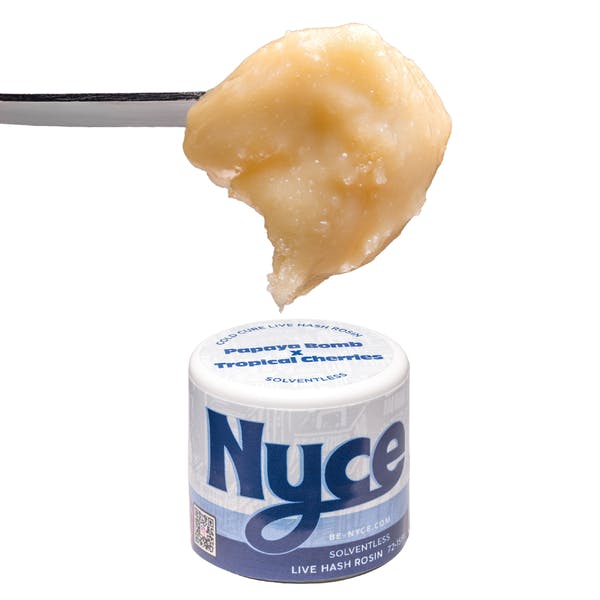
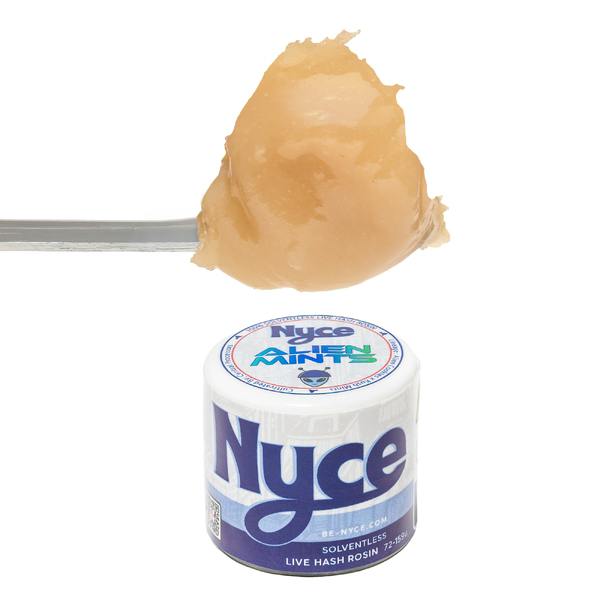
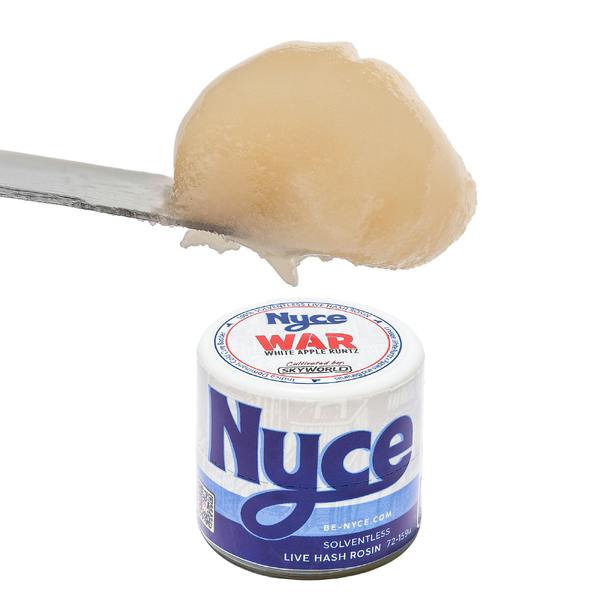
Rosin is defined by its solventless production method. Where wax, shatter, and live resin extracts use hydrocarbon or CO2 solvents to separate cannabinoids from plant material, rosin relies solely on heat and pressure. New York licensed dispensaries stock both solvent and solventless concentrates, but rosin's absence of residual solvents and its close-to-plant terpene expression distinguish it clearly within the category. For SoHo consumers who prioritize clean ingredients and transparent process, that distinction is material.
The difference is genuine rather than purely promotional. Live rosin is pressed from fresh-frozen cannabis that was harvested and immediately frozen before drying or curing, which preserves highly volatile terpenes that would otherwise evaporate during the cure. The result is a more aromatic, texturally distinct product with flavors that tend to read as brighter and more layered. That said, a well-made flower rosin from a superior cultivar will outperform a carelessly produced live rosin. Starting material quality and processor craft matter as much as the format designation.
The most accessible entry point is a portable electronic dab device, often called an e-rig or dab pen, which heats rosin to a precise temperature without an open torch. Traditional dab rigs use a quartz banger and a handheld torch — effective and flavorful, but less discreet and requiring more practice to dial in temperature. For occasional users, rosin can also be added to the top of a flower bowl in a standard pipe. All of these options are legal for adult-use consumers 21 and older in New York.
Rosin is sensitive to heat, light, and air exposure. Store it in an airtight, opaque container — most licensed producers package it in silicone or glass jars with tight-fitting lids. Keep it in a cool, dark location such as a drawer or a cabinet away from any heat source. In SoHo's older loft buildings, which can run warm in winter due to cast-iron radiator heat, a small dedicated cool drawer or even brief refrigeration wrapped in a sealed bag can help preserve terpene integrity over time.
For a calm, contemplative occasion — a Sunday afternoon between Spring Street galleries or a quiet evening in the 10012 — look for rosins expressing myrcene, linalool, or beta-caryophyllene. Myrcene tends toward earthy, grounding warmth. Linalool offers floral, slightly herbal nuance. Beta-caryophyllene brings a spiced depth with a notably smooth finish. All three are commonly present in indica-leaning or hybrid cultivars and pair well with the unhurried, interior pace that SoHo's residential pockets offer.
Yes. ZenZest Cannabis Dispensary offers free same-day delivery on orders over $100 to more than 80 New York ZIP codes, and both 10012 and 10013 fall within that delivery network. Rosin products from licensed New York processors are available through ZenZest's delivery service, subject to the same adult-use age verification — 21 and older — that applies to all cannabis purchases in New York State. Orders are delivered discreetly and on a same-day schedule.
Licensed New York rosin typically tests in the range of 65 to 82 percent total cannabinoids, compared to flower which generally ranges from 18 to 30 percent. That substantial difference in potency means that a volume of rosin equivalent to a small flower bowl represents a far more concentrated dose. For anyone new to concentrates, the standard guidance that applies to all potent New York cannabis products is relevant: start with a very small amount, allow sufficient time to assess the effect, and resist the inclination to redose quickly. The experience arrives more rapidly than flower and can be more pronounced.
A well-labeled New York licensed rosin should identify the cultivar or strain, the type of starting material — flower, dry-sift, or bubble hash — and the total cannabinoid and terpene percentages from state-mandated lab testing. Batch date or pressing date is a meaningful quality signal, as rosin is at its most aromatic shortly after production. Single-source labeling, indicating that all material came from one licensed cultivator's harvest, is a further mark of transparency and traceability that discerning SoHo shoppers are right to seek out.
For a consumer whose priority is flavor and terpene fidelity, hash rosin pressed from quality bubble hash is generally worth the additional cost. The ice-water extraction process that produces bubble hash removes a significant amount of plant material before pressing, resulting in a more refined intermediate that yields cleaner-tasting rosin with a lighter color and higher full-melt quality. Whether the premium is proportionate depends entirely on the individual batch and producer — this is where asking your budtender for specific producer notes and tasting the difference yourself, responsibly, provides the most reliable guidance.
New York's licensed cultivator network has expanded meaningfully since adult-use legalization, with farms across the Hudson Valley, the Catskills, and Long Island producing cultivars specifically selected for terpene-rich resin production. At a licensed dispensary, asking which rosins are made from New York State-grown starting material supports the local cannabis economy and often yields products with a genuine regional character — terroir, in the same sense that wine and agricultural consumers in SoHo already understand and value.
Pick your store
We'll show pricing, deals, and delivery zones for the store you pick. You can switch any time from the header.