
Suffolk County · Rosin
Best Rosin in Sayville, Suffolk County
Sayville, the quiet South Shore village where Montauk Highway meets the ferry lanes to Fire Island, has cultivated a discerning local culture — one that extends naturally to solventless cannabis concentrates. Rosin, pressed from fresh or cured flower without a drop of hydrocarbon, fits the ethos of a community that values craft, clean ingredients, and the unhurried pleasures of waterfront living. Here is what to know before you buy.
About Rosin
Rosin occupies a singular position in the New York licensed cannabis market. Unlike butane hash oil or CO2 extracts, rosin is produced entirely through the application of heat and pressure — no solvents, no residual chemical concerns, no post-processing purge required. The result is a concentrate that preserves a remarkably complete terpene profile alongside its cannabinoids, delivering an experience that connoisseurs describe as closer to the living plant than almost any other format. In a state where the Office of Cannabis Management mandates rigorous third-party testing for all adult-use products, rosin from licensed New York dispensaries carries certificates of analysis confirming potency, residual solvent absence, and microbial safety — a level of transparency that matters to educated buyers. Within the concentrate category, rosin itself has several expressions worth understanding. Flower rosin is pressed directly from dried, cured bud and tends toward a more golden, stable consistency. Hash rosin — considered the premium tier — begins with ice-water-extracted bubble hash before the press, which concentrates trichome heads and dramatically elevates both potency and aromatic complexity. Live rosin adds one more step: the starting material is flash-frozen immediately after harvest to preserve volatile terpenes that would otherwise degrade during drying. Each tier represents a different balance of accessibility and artisanal craft. New York's licensed market has seen a meaningful expansion of solventless offerings as legacy craft cultivators transition into the regulated system. Small-batch producers working with regionally grown cannabis — some from Long Island itself — are appearing on dispensary menus with increasing regularity. For the 11782 shopper, this means access to genuinely local terroir in concentrate form, connecting the South Shore's agricultural identity to its cannabis culture in a way that feels entirely authentic.
Rosin for Sayville shoppers
Sayville occupies a particular rhythm on the South Shore of Long Island. Its main street retains the character of a village that predates suburban sprawl — independent shops, a real train station on the Montauk Branch of the Long Island Rail Road, and the beloved ferry terminal on Foster Avenue Beach that shuttles residents and visitors to Fire Island's car-free communities from late spring through early fall. The people who live here tend to know quality when they encounter it, and they have long trafficked in the kind of quiet connoisseurship that does not need to announce itself. That sensibility maps cleanly onto rosin. The ferry crowd heading to Ocean Beach or Cherry Grove for a long summer weekend wants a concentrate format that is portable, potent without being overwhelming, and free of the clinical aftertaste that can accompany solvent-based extracts. A small jar of live rosin tucked into a beach bag represents exactly the kind of intentional, elevated choice that Sayville residents tend to make across all categories of consumption. Similarly, the LIRR commuter returning from Penn Station on a weekday evening — navigating the platform at Sayville station after a long day in the city — may find solventless rosin, consumed responsibly at home, a more refined end-of-day ritual than a pre-roll. Sayville's shoulder seasons also bear mentioning. The South Shore winters can carry a genuine bite off the Great South Bay, and the village quiets considerably once the ferry traffic subsides in October. Cold-weather evenings near the water, with the bay wind audible through the siding, are a context in which the warm, resinous quality of a well-pressed hash rosin feels particularly well-suited.
What to look for
Shopping for rosin in a licensed New York dispensary begins with understanding consistency, which is both a quality indicator and a practical consideration. Fresh-press rosin is typically soft, almost jam-like, and high in moisture — it is prized for flavor but requires refrigeration for longer storage. Badder and budder rosins have been mechanically worked to introduce air, creating a whipped texture that some users find easier to handle with a dab tool. Rosin that has been pressed and then allowed to separate into a saucy, terpene-rich layer atop a more crystalline THC-A structure is sometimes called rosin jam or sauce, and it represents the pinnacle of aromatic expression. Terpene profiles deserve serious attention. Myrcene-forward rosins — often produced from indica-leaning cultivars — tend toward earthy, musky, and mango-adjacent notes, and are commonly associated with heavier, more sedating effects. Limonene and pinene-dominant expressions skew bright and resinous, and tend to feel more clarifying. Caryophyllene, which carries a peppery warmth, appears in many hash rosins and is often noted for its complementary relationship with other cannabinoids. For Sayville shoppers who may be planning an afternoon on the water or a social evening on a Fire Island deck, a terpene profile higher in limonene or terpinolene may align better with the occasion than a dense myrcene-dominant option. On potency: licensed rosin in New York commonly tests between 60 and 85 percent total cannabinoids depending on starting material and technique. This is substantially higher than flower, and new concentrate users should approach with particular care — the standard guidance of starting low and going slow applies with special weight here. Ask dispensary staff for the certificate of analysis and pay attention to the total terpene percentage, not only THC, as a signal of overall quality.
Why ZenZest for rosin in Sayville
For Sayville residents in ZIP 11782, the nearest ZenZest Cannabis Dispensary location is ZenZest Queens, at 272-06 Union Tpke in Bellerose, NY 11004 — approximately 33.2 miles from the village center. While that distance places it beyond a casual errand, the drive west on Sunrise Highway is a straightforward one, and the Queens store maintains a thoughtfully curated concentrate selection that includes solventless rosin from licensed New York producers. Staff at ZenZest are trained to discuss terpene profiles, consistency types, and potency ranges in the kind of unhurried, knowledgeable way that matches the Sayville shopper's preference for substance over salesmanship. It is worth noting that ZenZest offers free same-day delivery on orders over $100 to more than 80 New York ZIP codes. Sayville's 11782 ZIP code does not currently fall within the active delivery radius, which means in-store pickup at the Union Tpke location remains the access point for local residents. Checking ZenZest's website for any updates to the delivery zone is worthwhile, as the network continues to expand alongside the broader growth of the New York adult-use market.
ZenZest Queens · 272-06 Union Tpke, Bellerose, NY 11004 · 33.2 miles from Sayville.
Live rosin for Sayville
Full rosin menu →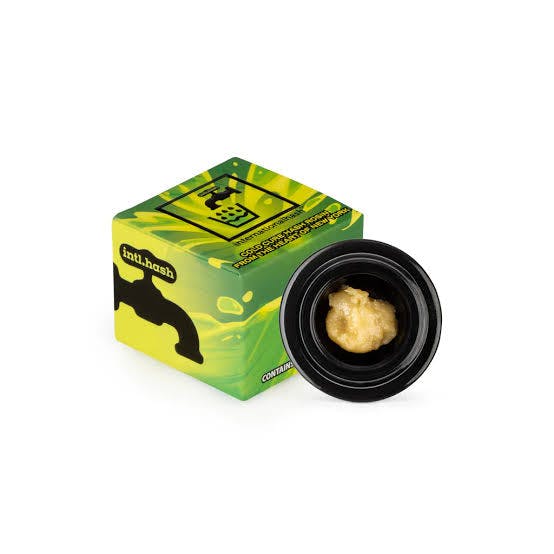
THC 75.74%Hybrid
INTERNATIONAL HASHInternational Hash | Cold Cure Hash Rosin | Grapefruit Hybrid · 1g
$66.37
$75after tax
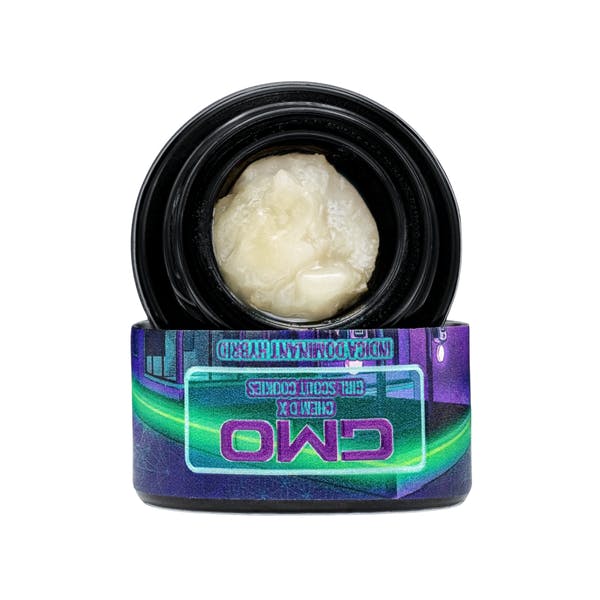
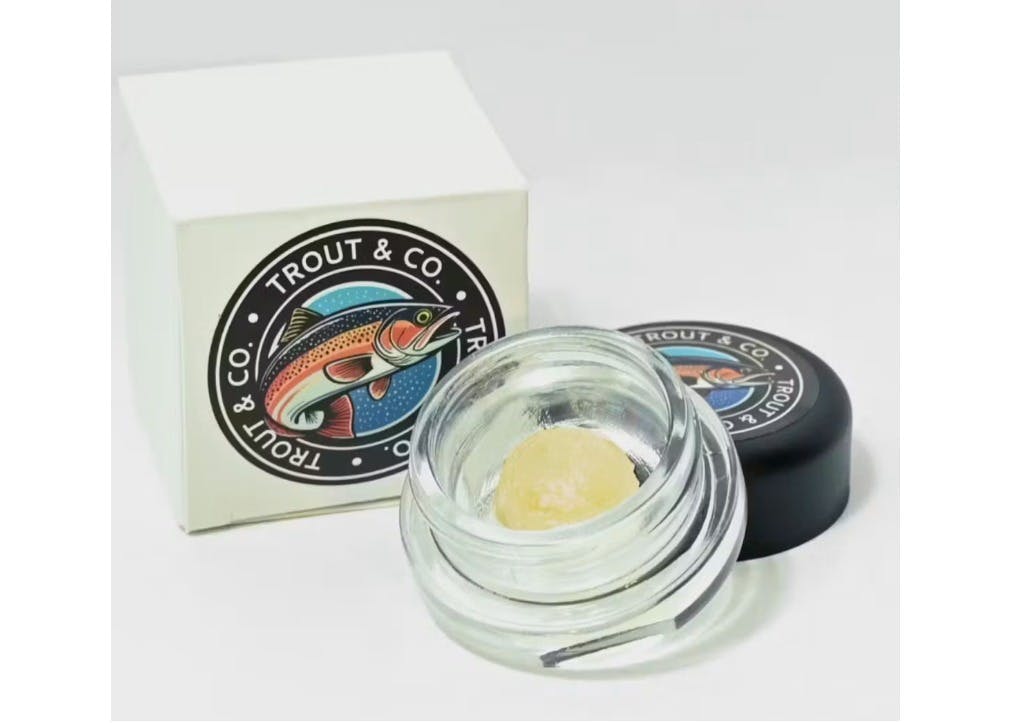
THC 77.52%Hybrid
Trout & Co.Trout & Co. | Super Funk | Live Rosin Private Reserve · 1g
$88.50
$100after tax
Rosin in Sayville — answers
What is rosin and how does it differ from other cannabis concentrates sold in New York dispensaries?+
Rosin is a solventless concentrate made by applying controlled heat and pressure to cannabis flower, kief, or hash, causing the trichome-rich resin to separate from the plant material. Unlike butane hash oil, CO2 wax, or distillate — all of which use chemical solvents during extraction — rosin requires no solvents at any stage. This makes it appealing to consumers who prioritize a clean ingredient profile. In New York's licensed adult-use market, all concentrates including rosin must pass third-party lab testing for potency and purity before reaching dispensary shelves.
Is rosin a good choice for someone who is new to cannabis concentrates?+
Rosin can be appropriate for curious newcomers, but its potency demands respect. Licensed rosin in New York typically tests between 60 and 85 percent total cannabinoids, which is several times more potent than average flower. New users should begin with a very small amount — a portion no larger than a grain of rice on a dab tool — and wait a full 15 to 20 minutes before considering any additional consumption. Choosing a lower-THC flower rosin over a premium live hash rosin is a reasonable entry point, and dispensary staff can help identify approachable options.
What equipment do I need to consume rosin purchased from a licensed New York dispensary?+
The most common consumption method for rosin is a dab rig: a water pipe fitted with a heat-resistant quartz, titanium, or ceramic banger that is heated with a torch or electronic nail. Electronic dab rigs, sometimes called e-rigs, offer more temperature control and are popular among those who prioritize terpene preservation. Rosin can also be pressed into a joint or bowl as a flower topper, which requires no additional equipment. Each method produces a different intensity and flavor profile, so the right choice depends on the user's experience level and intended occasion.
How should I store rosin purchased in Sayville during the summer months near the water?+
Heat and humidity are the primary enemies of rosin quality, and Sayville's summer proximity to the Great South Bay means both are real concerns. Fresh-press and live rosins should be stored in airtight glass or silicone containers and kept refrigerated whenever possible. If refrigeration is not available — during a day trip to Fire Island, for example — keep the container in a cool, shaded bag away from direct sunlight. Exposure to heat above approximately 75 degrees Fahrenheit can degrade terpenes noticeably and alter consistency from stable to runny.
What does 'live rosin' mean, and is it worth the higher price point typically found on dispensary menus?+
Live rosin begins with cannabis that has been flash-frozen immediately after harvest rather than dried and cured. Freezing preserves the full volatile terpene spectrum that would otherwise evaporate during the curing process. The result is a concentrate with a notably more vibrant, nuanced aroma and a flavor profile that is considered closer to the living plant. In the New York licensed market, live rosin commands a premium over standard flower rosin, and most connoisseurs consider that premium justified for special occasions or when aroma and flavor are the primary priorities.
Can I bring rosin purchased from a licensed New York dispensary onto the Fire Island Ferry from Sayville?+
New York State law permits adults 21 and older to possess up to three ounces of cannabis or 24 grams of concentrated cannabis in public. However, cannabis remains a controlled substance under federal law, and ferry operators and parks within Fire Island's National Seashore are subject to federal jurisdiction. Possession or consumption of cannabis on federal land or federally regulated transportation is legally distinct from state-law permissions. Individuals should research current enforcement posture and make informed decisions accordingly. No consumption is permitted in public spaces under New York State adult-use law.
Which terpenes should I look for in a rosin if I want something suitable for a relaxed evening by the Great South Bay?+
For a calm, wind-down evening, terpene profiles rich in myrcene, linalool, or beta-caryophyllene are worth exploring. Myrcene carries earthy, slightly tropical notes and is commonly associated with a heavier, more settled effect. Linalool, also found in lavender, is linked to a gentler, more mellow quality. Beta-caryophyllene adds spice and warmth. When reviewing a certificate of analysis at the dispensary, look for these terpenes listed at higher percentages. A total terpene content above two percent in a rosin is generally a good indicator of overall aromatic quality.
Does ZenZest carry locally grown or Long Island-sourced rosin products?+
New York's licensed cannabis market is still maturing, and the availability of hyper-local, Long Island-grown rosin on any given menu depends on which cultivators and processors are currently licensed and distributing. ZenZest Queens at 272-06 Union Tpke maintains a curated concentrate selection and rotates its inventory as new licensed producers come to market. Calling the store ahead of a visit or reviewing the current menu online is the most reliable way to confirm whether regionally sourced solventless products are in stock on any particular day.
What is the difference between flower rosin and hash rosin, and which is more commonly found in licensed New York dispensaries?+
Flower rosin is pressed directly from dried, cured cannabis bud, making it the more accessible and generally less expensive tier of the category. Hash rosin uses ice-water-extracted bubble hash as the starting material — a process that isolates trichome heads before the press, resulting in higher potency and a cleaner, more refined flavor profile. Hash rosin is considered the artisanal benchmark and commands a higher price. Both formats appear in New York's licensed market, with flower rosin more widely available across price points and hash rosin concentrated among premium and craft-focused producers.
How do I read the certificate of analysis for a rosin product to evaluate quality before purchasing?+
A certificate of analysis from a licensed New York cannabis testing laboratory will list total THC, total CBD, and often a breakdown of individual cannabinoids. For rosin, also look for the terpene panel — a detailed list of individual terpenes and their percentages. Higher total terpene content, typically above one to two percent, suggests a more flavorful and nuanced product. The COA should also confirm that the product has passed tests for residual solvents (which should read as non-detected for rosin), heavy metals, pesticides, and microbial contamination. Dispensary staff at ZenZest can walk you through a COA on request.