On sale· 20% OFF
THC 70.7%Indica-Hybrid
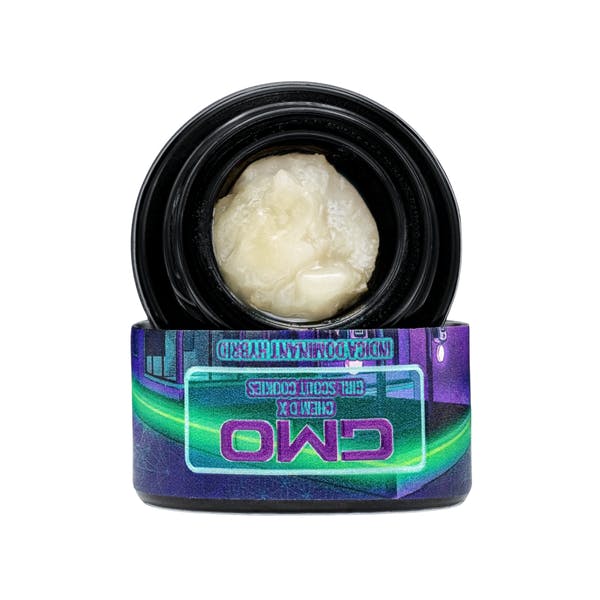
UmamiiUmamii | Live Rosin Jar | GMO · 2g
$80.00$100.00
$93after tax

weeddispensarynearme.com
You must be 21 years or older to enter. By entering, you confirm you’re of legal age in your state to purchase cannabis.
For use only by adults 21+ • Keep out of reach of children
Rosebank, the quietly distinctive waterfront enclave tucked along the northeastern shore of Staten Island, has cultivated a reputation for understated refinement — and its cannabis consumers reflect that same discernment. For those seeking solventless concentrates that honor the plant's full complexity, rosin has emerged as the category of choice along the Bay Street corridor and beyond.
About Rosin
Rosin occupies a singular position in the New York licensed cannabis market: it is the only major concentrate format produced without chemical solvents, relying instead on calibrated heat and pressure to extract a full-spectrum oil from flower, hash, or kief. The result is a product that preserves the plant's terpene profile with a fidelity that hydrocarbon-extracted concentrates can rarely match. For the educated consumer, that distinction matters enormously — the difference between a live rosin pressed from fresh-frozen material and a distillate cartridge is roughly analogous to the difference between a cold-pressed extra-virgin olive oil and a refined cooking oil. Both have their place, but only one carries the terroir of the source. New York's Office of Cannabis Management licenses adult-use dispensaries to carry a range of concentrate formats, and rosin — both hash rosin and flower rosin — has steadily claimed shelf space as consumer sophistication has grown since the state's recreational market opened. Licensed producers operating under OCM oversight must test all products for potency, residual solvents (which, in rosin's case, should read as non-detected), pesticides, and microbials before any unit reaches retail. That regulatory framework gives the conscientious shopper a meaningful baseline of safety assurance that the legacy market never could. Within the rosin subcategory, format matters. Badder and budder present a whipped, creamy consistency that is approachable for those transitioning from flower. Sauce and diamonds lean toward a more separated, terpene-rich liquid phase paired with crystalline THCA structures. Cold-cure rosin, rested at low temperatures after pressing, develops a nuanced, jam-like texture beloved by connoisseurs. Each format carries distinct storage requirements and delivers a subtly different consumption experience, though all share rosin's defining characteristic: what you taste is what the plant actually produced.
Rosin for Rosebank shoppers
Rosebank sits at a particular crossroads of Staten Island's social geography. A short walk from the Staten Island Ferry terminal in St. George, yet insulated from its transit-hub energy by the gentle grade that rises toward Tompkins Avenue, the neighborhood carries a residential calm that leans toward the contemplative. Von Briesen Park, perched above the Kill Van Kull with views that sweep across New York Harbor toward Brooklyn, is the kind of place where the act of being still feels genuinely rewarding. It is, in other words, a neighborhood that pairs naturally with a concentrate format defined by patience and intentionality. The seasonal character of Rosebank further shapes how its residents interact with cannabis. Staten Island's waterfront catches the full brunt of northeastern winters, when evening commutes from the ferry feel genuinely bracing and the appeal of a warm, settled evening at home intensifies. Rosin's potency — typically higher per dose than whole flower — makes it well-suited to those occasions when economy of effort matters after a long crossing from Lower Manhattan. Conversely, the neighborhood's proximity to the harbor and the greenery of Von Briesen Park creates equally compelling warm-weather rituals: a small dab before a slow walk along the water, or a rosin-packed bowl smoked quietly on a stoop on Bay Street as the harbor light shifts through late afternoon. Rosebank's demographic mix, skewing toward long-tenured homeowners, culinary professionals commuting to Manhattan restaurants, and a growing cohort of younger residents drawn by relatively accessible rents, maps neatly onto rosin's appeal — a product that rewards those who want to understand what they are consuming and are willing to invest modestly more for quality that is genuinely traceable.
What to look for
Selecting a rosin in a licensed New York dispensary involves more nuance than simply reaching for the highest THC percentage on the shelf. Potency is one variable among several, and for a solventless product, the terpene profile often tells a more interesting story. Look for products whose certificates of analysis list individual terpene concentrations: myrcene suggests a grounding, earthy quality well-suited to evenings; limonene carries a bright citrus lift appropriate for more social or creative moments; caryophyllene adds a spiced, peppery note with a profile that many consumers find balancing. A rosin whose label names the cultivar and the terpene rationale is generally a rosin whose producer takes their craft seriously. THC ranges in commercially available New York rosins typically fall between 60 and 85 percent, a significant step up from even the most potent flower. Adults new to concentrates are well-served by the general principle of starting low and going slow — a portion no larger than a grain of rice is a sensible starting point. Consumption format also warrants consideration: a dab rig delivers the most immediate and complete expression of the rosin's terpene profile, but requires dedicated equipment and a degree of setup that is not always practical. A rosin-loaded quartz-tipped vaporizer, or simply crumbling a small amount of cold-cure rosin into a bowl of flower, offers a more accessible entry point without meaningfully compromising quality. For Rosebank shoppers specifically, storage deserves attention. The neighborhood's proximity to the harbor means humidity fluctuates more than it does in inland Staten Island ZIP codes. Rosin is best stored in a sealed, food-grade silicone or glass container, kept in a cool, dark location away from the ambient moisture that coastal living introduces. Properly stored, rosin maintains its terpene integrity for several months — a practical consideration for those who prefer to purchase thoughtfully rather than frequently.
Why ZenZest for rosin in Rosebank
ZenZest Cannabis Dispensary operates its Staten Island location at 2343 Forest Ave, Staten Island, NY 10303, placing it approximately 4.3 miles from Rosebank via a straightforward drive up Bay Street and across the mid-island corridor. The store carries a curated selection of New York-licensed rosin products across multiple format categories — badder, cold-cure, sauce, and live rosin among them — sourced from OCM-licensed producers and presented with staff guidance that prioritizes matching the consumer to the right product rather than simply closing a transaction. For a concentrate category as nuanced as rosin, that floor-level expertise makes a material difference. For Rosebank residents who prefer not to make the trip, ZenZest's same-day delivery service extends to more than 80 New York ZIP codes, with free delivery on orders exceeding $100 — a threshold that a quality rosin purchase can reach comfortably on its own or alongside complementary accessories. Orders placed through the ZenZest platform arrive in discreet, compliant packaging, making the service a practical choice for those whose schedules are shaped by the ferry timetable or the demands of a cross-borough commute.
ZenZest Staten Island · 2343 Forest Ave, Staten Island, NY 10303 · 4.3 miles from Rosebank.
$93after tax
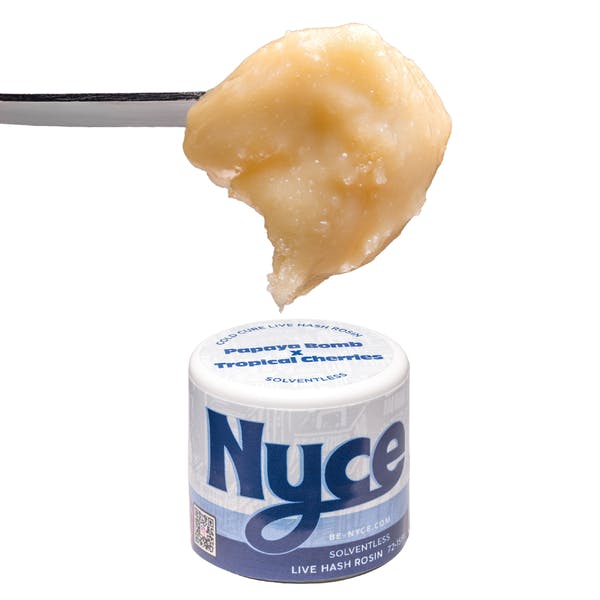
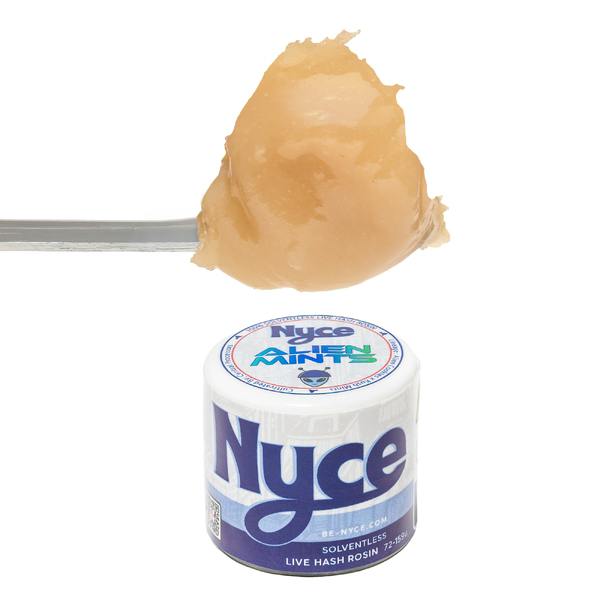
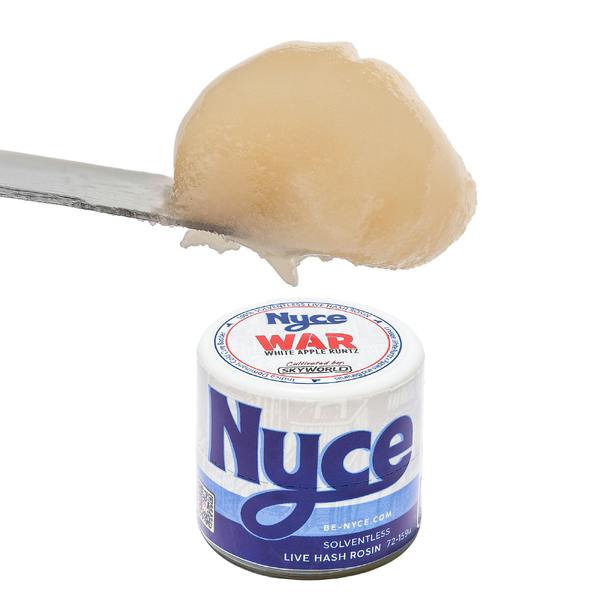
Rosin is a solventless concentrate, meaning it is produced exclusively through the application of heat and pressure rather than with hydrocarbons such as butane or propane, or with ethanol. Because no solvent is introduced during extraction, there is no residual solvent to purge, and the resulting product preserves a broader spectrum of the plant's naturally occurring cannabinoids and terpenes. For consumers in Rosebank and throughout Staten Island who prioritize ingredient transparency and flavor fidelity, this distinction is foundational.
Yes, rosin is substantially more potent by volume than whole flower. Where premium cannabis flower in New York's licensed market commonly ranges from 20 to 30 percent THC, rosin typically falls between 60 and 85 percent. Adults approaching concentrates for the first time are encouraged to start with a very small portion — no larger than a grain of rice — and allow adequate time to assess the effect before considering any additional consumption. This approach is particularly practical for those whose evenings involve a ferry commute home.
Flower rosin is pressed from dried and cured cannabis flower and represents the most accessible entry point in terms of price. Live rosin is pressed from fresh-frozen material — cannabis that is frozen immediately at harvest to preserve volatile terpenes before any curing takes place — and commands a premium that reflects both the additional processing complexity and the superior aromatic intensity of the finished product. Rosebank shoppers new to rosin often find flower rosin an ideal introduction, graduating to live rosin once they have developed a reference point for quality.
Rosin should be stored in an airtight glass or food-grade silicone container, in a cool, dark location — a temperature range of 35 to 60 degrees Fahrenheit is ideal for preserving terpene integrity without freezing the product solid. Rosebank's proximity to New York Harbor creates ambient humidity levels that can degrade cannabis products more quickly than in drier inland settings. A small airtight container inside a kitchen cabinet, away from heat sources, represents a reliable and practical storage solution for daily use.
Terpene preferences are personal, but certain profiles tend to resonate with particular use occasions. Myrcene-dominant rosins carry earthy, herbal notes associated with a grounding quality, making them well-suited to Rosebank's quieter evening occasions. Limonene lends a citrus brightness often appreciated for social settings. Caryophyllene introduces a spiced, peppery quality. Terpinolene and ocimene appear frequently in lighter, more floral profiles. Reviewing the certificate of analysis for individual terpene percentages, rather than relying on strain name alone, yields more reliable results.
Yes. While a dab rig equipped with a quartz banger delivers the most complete expression of rosin's terpene profile, it is by no means the only option. A small amount of rosin can be added to a bowl of cannabis flower in a standard pipe or water pipe — a method sometimes called 'rosin topping' — which requires no additional equipment. Certain portable electronic vaporizers designed for concentrates also accept rosin directly. Each method produces a somewhat different experience, and experimentation within the start-low-go-slow framework helps identify personal preference.
Rosin generally commands a higher retail price than solvent-based concentrates such as wax or shatter, and live rosin sits at the upper tier of the concentrate category overall. The premium reflects genuine differences in production complexity, input material quality, and yield efficiency — rosin extraction is more labor-intensive and produces less concentrate per pound of input than solvent extraction. For consumers who prioritize a full-spectrum, solventless experience and place value on knowing exactly how a product was made, the price differential is widely considered justified.
ZenZest Cannabis Dispensary offers same-day delivery across more than 80 New York ZIP codes, and the 10305 ZIP code covering Rosebank is within the eligible delivery area. Orders totaling over $100 qualify for complimentary same-day delivery, and the Staten Island store at 2343 Forest Ave serves as the fulfillment point for Richmond County deliveries. Customers can also visit the store in person, approximately 4.3 miles from central Rosebank, for a hands-on conversation about rosin selection with knowledgeable staff.
Rosin shares the fundamental character of the cannabis plant more closely than most other concentrate formats, because it is extracted without solvents and retains the plant's native terpene architecture. Flower consumers who find distillate cartridges flat or medicinal-tasting often discover that rosin feels more familiar — richer, more aromatic, truer to the cultivar's identity. The primary adjustment is potency management: because rosin concentrates the plant's cannabinoids dramatically, even experienced flower consumers should recalibrate their dosing approach when transitioning to rosin for the first time.
A well-labeled rosin product from a licensed New York dispensary should disclose the source cultivar, the extraction method (flower press, hash rosin, or live rosin), the batch-specific THC and total cannabinoid percentages, and ideally individual terpene concentrations from third-party laboratory testing. The absence of residual solvent readings in the certificate of analysis — which should read as non-detected across all solvent categories — confirms solventless integrity. Harvest and press dates, where available, help assess freshness, as terpene potency diminishes over time even in properly stored rosin.
Pick your store
We'll show pricing, deals, and delivery zones for the store you pick. You can switch any time from the header.