
Queens · Rosin
Best Rosin in Ridgewood, Queens
Ridgewood, Queens occupies a quietly distinctive corner of the borough — part working-class heritage, part emerging creative corridor along Myrtle Avenue and Fresh Pond Road. For the 11385 resident who cares about what goes into their body, solventless rosin has become the concentrate of choice: clean, expressive, and entirely free of residual hydrocarbons. This guide covers everything worth knowing before you shop.
About Rosin
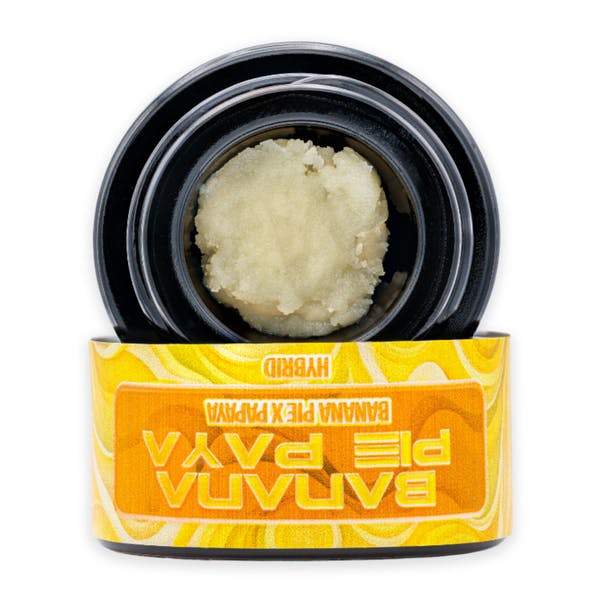
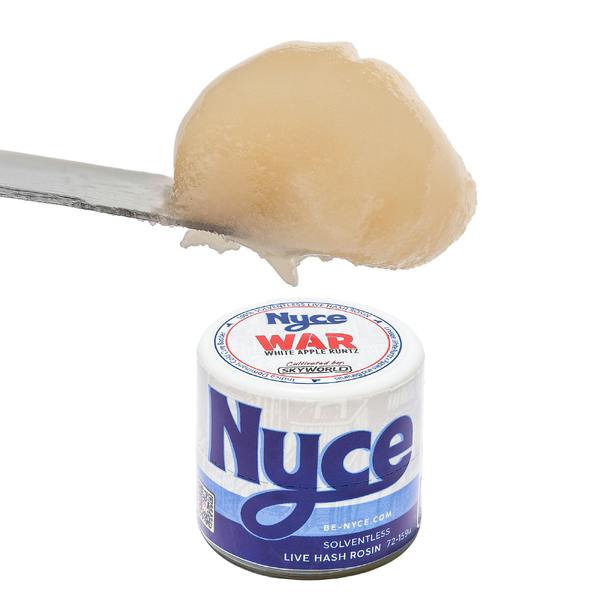
Rosin is a solventless cannabis concentrate produced by applying calibrated heat and pressure to either flower, dry-sift kief, or bubble hash, causing the plant's trichomes to release a golden, resinous oil. Unlike hydrocarbon extracts — BHO, PHO — no chemical solvent ever contacts the plant material, which is a distinction that matters deeply to educated consumers. What remains is a full-spectrum product that preserves the plant's original terpene and cannabinoid architecture with remarkable fidelity. Within the broader concentrate market, rosin occupies a premium tier. Live rosin — made from fresh-frozen biomass that was never dried or cured — sits at the top of that tier. The fresh-freeze process captures volatile aromatic compounds that evaporate during conventional drying, yielding a concentrate that smells and tastes substantially closer to the living plant. Hash rosin, pressed from high-quality bubble hash rather than raw flower, delivers an even more refined experience: greater clarity, a smoother vapor profile, and a more nuanced expression of the cultivar's terpene signature. In New York's adult-use market, all licensed rosin products carry a Certificate of Analysis confirming cannabinoid potency and the absence of residual solvents, pesticides, heavy metals, and microbial contaminants. When you purchase through a licensed New York dispensary, those third-party lab results are not optional — they are required by the Office of Cannabis Management. That regulatory framework distinguishes the licensed market from the illicit one in ways that go far beyond paperwork. For consumers who are new to concentrates, rosin's potency warrants careful attention. THC percentages commonly range from the high fifties to the low eighties depending on source material and process. The general guidance that applies across all high-potency cannabis products holds here: start with a very small amount, allow time to gauge the effect, and adjust from there.
Rosin for Ridgewood shoppers
Ridgewood sits at a particular inflection point in New York City geography — technically Queens, culturally a bridge between Bushwick's creative density and the steadier residential rhythms of Middle Village and Glendale. The zip code 11385 draws long-term residents whose families have been in the neighborhood for generations alongside a newer wave of artists, designers, and tradespeople priced out of Brooklyn. Myrtle Avenue functions as the neighborhood's commercial and social spine, lined with independent coffee shops, natural wine bars, and specialty grocers that collectively signal a community with sophisticated taste and a strong preference for knowing the provenance of what it consumes. That sensibility maps directly onto the appeal of solventless rosin. The same shopper who asks a cheesemonger about milk source or a barista about processing method is, predictably, the shopper who wants to know whether their concentrate was pressed from fresh-frozen single-source cannabis, what the terpene percentages are, and whether the batch number corresponds to a publicly accessible lab report. Rosin delivers precisely that kind of transparency. The neighborhood's commute patterns reinforce the case for concentrates as a format. Ridgewood residents are well-served by the M and L trains — the M at Fresh Pond Road and Forest Avenue, the L at DeKalb Avenue — meaning many residents travel through multiple neighborhoods before arriving home. A small jar of rosin occupies negligible space, requires no combustion, and when paired with a low-temp portable dab device, can deliver a controlled, terpene-forward session in a private setting without the logistical overhead of preparing flower. For a population that moves efficiently through a dense city, that compactness is a genuine convenience.
What to look for
Evaluating rosin begins with understanding the source material, because quality flows upstream. Hash rosin — pressed from multi-wash bubble hash — will almost always outperform flower rosin in terms of flavor clarity and smoothness. Within hash rosin, look for the wash grade on the label: 70–120 micron material (sometimes labeled '6-star' or 'full melt') indicates the finest trichome heads and the cleanest starting point. If a product simply reads 'rosin' without specifying source, it is likely flower-pressed, which is not a disqualification but is worth knowing. Terpene content is the other primary quality signal. High-quality live rosin will commonly register total terpene percentages between two and five percent on the COA — numbers below one percent suggest either a dry-cured source, aggressive pressing temperatures, or extended storage. Dominant terpenes worth paying attention to include myrcene (earthy, relaxing), limonene (citrus, uplifting), caryophyllene (peppery, often associated with a grounded body quality), and terpinolene (floral, cerebral). These are not medical claims; they are flavor and experience signposts rooted in the plant's chemistry. For Ridgewood shoppers specifically, consider the seasonal dimension. Queens winters are sharp, and low temperatures affect concentrate consistency — rosin that is perfectly scoopable at room temperature in July may require a brief warm-up in January. Badder and budder textures handle cold storage and temperature swings more forgivingly than saucy or live rosin jam. For warm-weather sessions — a backyard on Seneca Avenue, a slow afternoon near Onderdonk House — a more fluid sauce consistency works beautifully. Match the texture to your setting and season, and the experience improves markedly.
Why ZenZest for rosin in Ridgewood
ZenZest Cannabis Dispensary operates a licensed Queens location at 272-06 Union Tpke in Bellerose — approximately 10.2 miles from central Ridgewood, a straightforward drive east along Union Turnpike or accessible by connecting from the J or Z trains into Jamaica. The store carries a curated selection of rosin from licensed New York cultivators and processors, with staff who can speak to batch-specific COA details, terpene profiles, and format differences rather than offering generic upselling. For Ridgewood residents who would prefer not to make the trip, ZenZest offers free same-day delivery on orders over $100 to more than 80 New York ZIP codes, including 11385. Placing an order through the ZenZest platform means the product arrives in licensed, properly sealed packaging with the relevant lab documentation — the same quality assurance that applies in-store, extended to your door on Fresh Pond Road or Myrtle Avenue. Same-day delivery windows make it a practical option for planned sessions rather than an afterthought.
ZenZest Queens · 272-06 Union Tpke, Bellerose, NY 11004 · 10.2 miles from Ridgewood.
Live rosin for Ridgewood
Full rosin menu →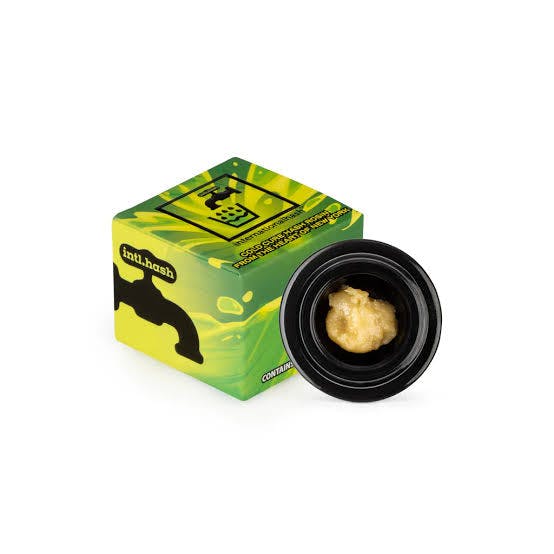
THC 75.73%Hybrid
INTERNATIONAL HASHInternational Hash | Cold Cure Hash Rosin | Grapefruit Hybrid · 1g
$66.37
$75after tax
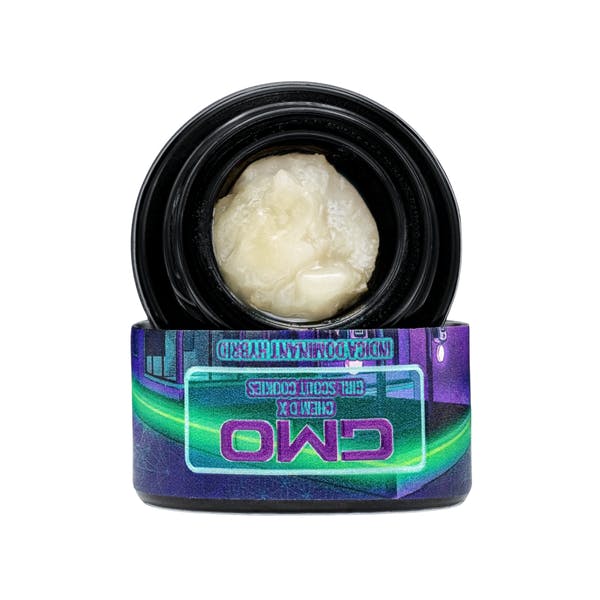
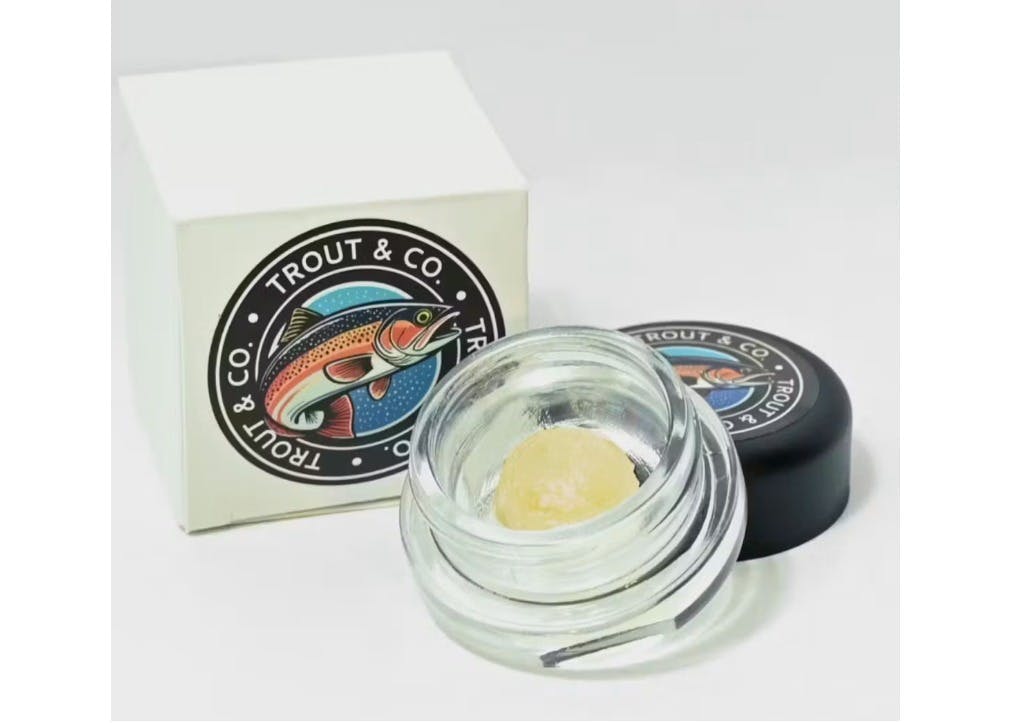
THC 77.52%Hybrid
Trout & Co.Trout & Co. | Super Funk | Live Rosin Private Reserve · 1g
$88.50
$100after tax
Rosin in Ridgewood — answers
What is the difference between flower rosin and hash rosin, and which should a first-time rosin buyer in Ridgewood choose?+
Flower rosin is pressed directly from dried cannabis buds using heat and pressure. Hash rosin is pressed from bubble hash — a water-extracted concentrate made from the plant's trichome heads — which results in a purer, more flavorful product with fewer plant lipids and waxes in the final material. For a first-time rosin buyer, flower rosin is a reasonable entry point at a lower price. If you have experience with cannabis concentrates and value flavor complexity, hash rosin is worth the additional cost.
Is rosin legal to purchase in Ridgewood, Queens under New York adult-use law?+
Yes. Rosin is a legal cannabis concentrate available for purchase by adults 21 and older at licensed New York dispensaries. The Office of Cannabis Management regulates the production, testing, and sale of all concentrates in the state, including solventless products like rosin. Purchasing through a licensed retailer ensures the product has passed mandatory third-party testing for potency, residual solvents, pesticides, and microbial contaminants. Possession limits under New York law apply to the THC content of the product.
What equipment do I need to consume rosin at home in my Ridgewood apartment?+
The most common method is a dab rig — a water pipe fitted with a heated quartz or titanium banger into which a small amount of rosin is placed. Electric dab rigs and portable e-nails offer temperature precision without a torch, which many apartment dwellers prefer for safety and consistency. Dab pens and wax vaporizers are the most compact and discreet option, though some terpene nuance can be lost at higher coil temperatures. For rosin specifically, low-temperature consumption in the 450–550°F range preserves flavor best.
How potent is rosin compared to cannabis flower, and how should someone new to concentrates approach it?+
Cannabis flower sold in New York's licensed market typically tests between 18 and 32 percent THC. Rosin commonly ranges from the high fifties to the low eighties percent THC, making it substantially more potent by weight. Someone accustomed to smoking or vaporizing flower should treat rosin with proportional caution. A rice grain-sized amount is a practical starting point. The general principle — start low, go slow — is especially relevant for concentrates. Allow at least 15 to 20 minutes to assess effects before considering any additional consumption.
Why does my rosin look different from batch to batch — sometimes it is soft and creamy, other times it is more like a wet sauce?+
Rosin texture is influenced by several factors: the terpene content of the starting material, pressing temperature, post-press handling, and storage conditions. High-terpene cultivars tend to produce saucier consistencies. Lower temperatures and mechanical agitation during processing can create a badder or budder texture. Neither is inherently superior; they suit different consumption methods and personal preferences. Cold temperatures — like a Ridgewood winter — will firm up most rosin textures, while warmth will loosen them. Store rosin in an airtight, sealed container in a cool, dark environment.
Can ZenZest deliver rosin to my address in Ridgewood's 11385 ZIP code?+
Yes. ZenZest Cannabis Dispensary offers free same-day delivery on orders exceeding $100 to more than 80 New York ZIP codes, and 11385 is among the eligible areas. Orders are placed through the ZenZest platform and delivered in licensed, sealed packaging with the relevant certificates of analysis. Delivery windows are same-day, making it a practical option for Ridgewood residents who prefer to shop from home rather than traveling to the Bellerose store on Union Turnpike.
What terpenes should I look for in a rosin if I want something suited to a relaxed evening in Ridgewood?+
For a calm, end-of-evening experience, terpenes worth seeking include myrcene — which carries earthy, herbal notes and is commonly associated with a grounded, settled quality — and linalool, which has floral characteristics. Caryophyllene, with its peppery profile, appears frequently in cultivars that consumers describe as physically relaxing without heavy sedation. These are flavor and aroma descriptors drawn from the plant's chemistry; they are not medical claims or guarantees of a specific effect, as individual responses to cannabis vary considerably.
How should I store rosin purchased from a licensed New York dispensary?+
Rosin should be stored in an airtight, non-stick silicone or glass container, kept in a cool and dark environment. Short-term storage at room temperature is acceptable for products you plan to consume within a few weeks. For longer storage, refrigeration in a sealed container helps preserve terpene content and prevents oxidation — just allow the product to return to room temperature before handling to avoid condensation. Avoid direct sunlight and temperature fluctuations, both of which degrade rosin more rapidly than stable cool storage.
Is there a meaningful difference between live rosin and cured rosin in terms of the experience?+
Live rosin is made from fresh-frozen cannabis — plant material that was harvested and immediately frozen rather than dried and cured. This preserves a broader range of volatile terpenes that would otherwise evaporate during the drying process. The result is generally a more aromatic, complex product that many consumers describe as tasting closer to fresh cannabis. Cured rosin has a different flavor profile — more developed, sometimes earthier — that some consumers prefer. Both are solventless and both can be excellent; the choice comes down to personal taste and budget, as live rosin typically commands a higher price.
Are there specific rosin cultivars or product formats that work well for daytime use around Ridgewood's active neighborhood environment?+
For daytime use in an active, social neighborhood like Ridgewood, cultivars with higher concentrations of limonene and terpinolene tend to produce brighter, more mentally engaged experiences that many consumers find compatible with creative work or social settings. Pinene is another terpene associated with alertness. In terms of format, a portable dab pen or compact e-rig allows for measured, low-volume consumption that is practical in a neighborhood where you might move between a coffee shop on Myrtle Avenue and a studio or home workspace. As always, start with a small amount until you understand how a specific product affects you.