
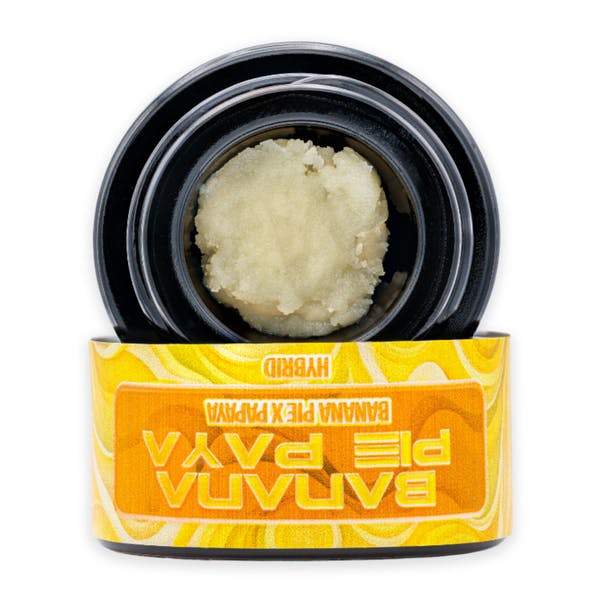
Queens · Rosin
Best Rosin in Queens Village, Queens
Queens Village — the quietly ambitious stretch of Springfield Boulevard, Hillside Avenue, and the green edges of Alley Pond Park — has developed a discerning cannabis palate. Rosin, the solventless concentrate prized for its purity and full-spectrum flavor, fits naturally into a neighborhood that values craft over convenience. Here is what adult-use shoppers in ZIP codes 11427, 11428, and 11429 should know before their next purchase.
About Rosin
Rosin occupies a distinct position in the New York licensed cannabis market. Unlike hydrocarbon or CO2 extracts, rosin is produced entirely through heat and pressure — no chemical solvents, no residual contaminants, no shortcuts. The result is a concentrate that preserves the full cannabinoid and terpene profile of the source material in a way that laboratory testing consistently validates. For consumers who have grown more sophisticated about what they put into their bodies, rosin represents a natural next step beyond flower. New York's Office of Cannabis Management licenses rosin under its concentrate category, meaning every gram sold through a licensed adult-use dispensary has passed state-mandated testing for potency, residual solvents, pesticides, heavy metals, and microbials. That regulatory framework matters enormously when shopping for a product as potent and nuanced as rosin. A compliant licensed retailer will carry only tested product with a Certificate of Analysis available on request. The rosin category itself divides into several distinct formats. Fresh-press rosin is extracted from freshly harvested, never-dried cannabis and delivers an exceptionally aromatic, almost wet profile. Cold-cure rosin is whipped or slow-cured at low temperatures to produce a budder or badder consistency that many consumers find approachable for dabbing. Rosin jam, or live rosin, sits at the premium end — extracted from fresh-frozen whole plants to lock in volatile terpenes that would otherwise degrade during drying. Hash rosin, made from ice-water hash rather than direct flower, is widely regarded as the connoisseur benchmark. Potency in rosin typically ranges from 65% to 85% total cannabinoids, occasionally reaching higher in single-source small-batch runs. Because the format is concentrated, the standard guidance applies: start low, go slow, especially for shoppers transitioning from flower. A half-rice-grain portion on a low-temperature dab rig is a reasonable starting point for those new to concentrates.
Rosin for Queens Village shoppers
Queens Village sits at a productive intersection of suburban calm and urban access. Springfield Boulevard runs like a spine through 11427 and 11428, lined with family-owned businesses, Caribbean bakeries, and the kind of neighborhood pharmacy that still knows your name. Hillside Avenue, the commercial artery threading through 11429, brings a denser foot-traffic energy — commuters catching the Q1 or Q77, professionals stopping in after the Long Island Rail Road ride from Jamaica. The neighborhood is not a destination cannabis market; it is a locals' market, and locals here tend to research before they buy. That research-minded consumer profile aligns well with rosin as a category. Residents who spend their evenings on the quiet residential blocks off 212th Street or the parkway edges near Alley Pond Park are often looking for a product they can use intentionally — after dinner, after a long commute, during weekend downtime in one of the greener corners of Queens. Rosin's solventless purity and transparent production process appeal to the same sensibility that leads a Queens Village shopper to read ingredient labels or ask a butcher where the meat comes from. Seasonally, the neighborhood's proximity to Alley Pond Park makes outdoor recreation a genuine use occasion, particularly in late spring and early summer when the park's trails and kettlepond areas see regular foot traffic from local residents. A small, sealed container of cold-cure rosin stored at room temperature travels well and does not require refrigeration for short periods, making it a practical choice for adults who want a premium concentrate experience away from home.
What to look for
When evaluating rosin at a licensed New York dispensary, the first question is source material. Hash rosin — derived from ice-water hash pressed from whole-plant trichomes — generally commands a higher price but delivers a cleaner, more terpene-forward experience than flower rosin. For a first purchase, flower rosin from a single-cultivar source is an excellent entry point: the flavor is more recognizable to consumers accustomed to flower, and the price point is typically more accessible. Terpene profile is the second critical variable. Look at the Certificate of Analysis for dominant terpenes. Myrcene contributes an earthy, slightly musky depth often described as grounding; limonene brings citrus brightness with an uplifting character; caryophyllene adds a peppery warmth and is the only terpene known to interact directly with CB2 receptors. For Queens Village shoppers unwinding after a commute on the LIRR or a long shift, an indica-leaning or hybrid rosin with myrcene and linalool forward notes may suit evening occasions well. Those seeking a weekend concentrate for a walk along the Alley Pond trails might lean toward a sativa-leaning profile with limonene or terpinolene dominance. Consistency — the physical texture of the rosin — affects usability. Badder and budder textures are forgiving and easy to portion with a dab tool. Sauce or jam consistencies tend to be oilier and require more careful handling but often contain higher terpene concentrations. If you are new to concentrate formats, a cold-cure badder is the most approachable starting point. A low-temperature e-rig set between 450°F and 550°F preserves terpenes far better than a traditional torch setup running hotter, and it significantly reduces harshness on the inhale.
Why ZenZest for rosin in Queens Village
ZenZest Cannabis Dispensary's Queens location at 272-06 Union Tpke in Bellerose sits approximately 1.8 miles from the heart of Queens Village — a straight shot west on Union Turnpike or accessible via a short ride from the Springfield Boulevard corridor. The store operates as a fully licensed adult-use retailer under New York's OCM framework, carrying a curated selection of solventless and rosin-category concentrates alongside flower, vapes, and edibles. Staff are trained to walk customers through Certificate of Analysis documents and help match terpene profiles to specific use occasions. For Queens Village residents in ZIP codes 11427, 11428, and 11429 who prefer to shop from home, ZenZest offers free same-day delivery on orders over $100, covering more than 80 New York ZIP codes. Orders are fulfilled from licensed inventory, arrive in discreet packaging, and comply with all state adult-use regulations. Whether you visit the Union Turnpike storefront or schedule a delivery, ZenZest provides the kind of unhurried, knowledgeable retail experience that the Queens Village cannabis consumer deserves.
ZenZest Queens · 272-06 Union Tpke, Bellerose, NY 11004 · 1.8 miles from Queens Village.
Live rosin for Queens Village
Full rosin menu →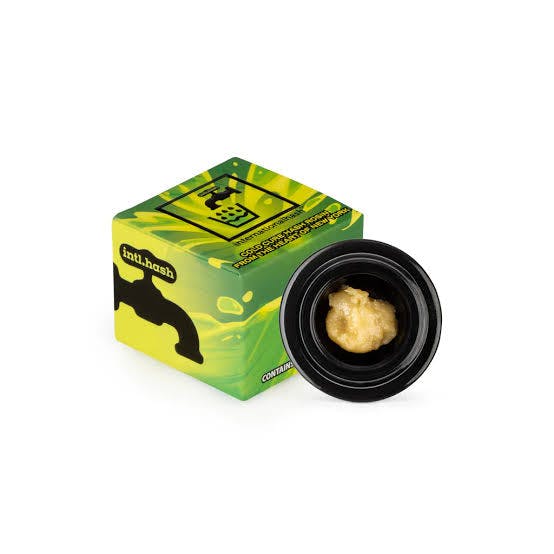
THC 75.73%Hybrid
INTERNATIONAL HASHInternational Hash | Cold Cure Hash Rosin | Grapefruit Hybrid · 1g
$66.37
$75after tax
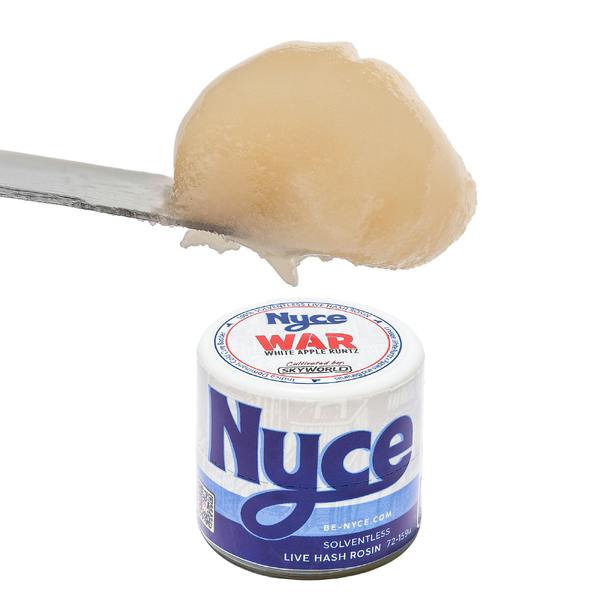
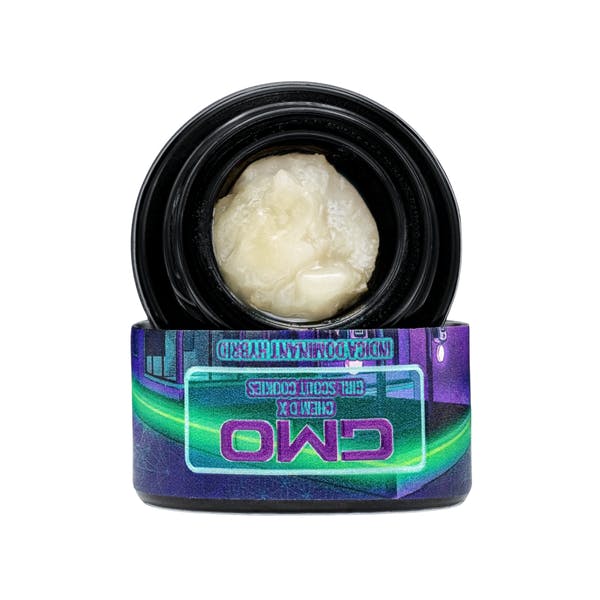
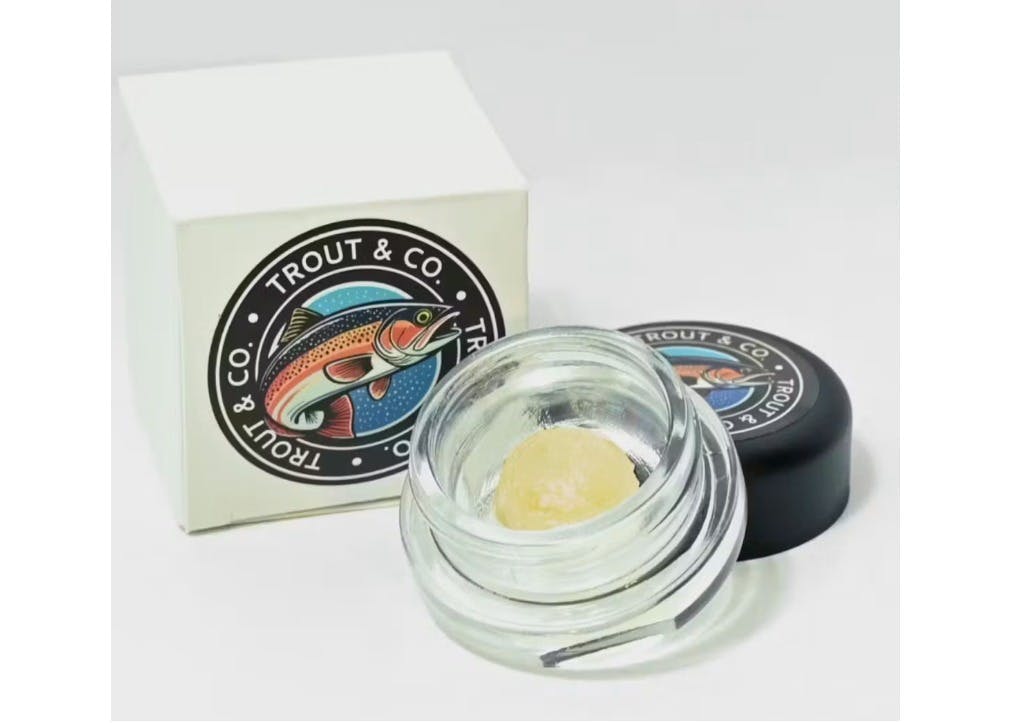
THC 77.52%Hybrid
Trout & Co.Trout & Co. | Super Funk | Live Rosin Private Reserve · 1g
$88.50
$100after tax
Rosin in Queens Village — answers
What makes rosin different from other concentrates available at New York licensed dispensaries?+
Rosin is produced exclusively through heat and pressure, with no chemical solvents involved at any stage of production. Other popular concentrate formats — wax, shatter, distillate — rely on hydrocarbon gases or CO2 during extraction. The solventless process means there are no residual solvents to test for or worry about, and the resulting product preserves a broader spectrum of the original plant's cannabinoids and terpenes. For Queens Village shoppers prioritizing transparency in production, rosin occupies a distinct premium tier within the licensed New York concentrate market.
Is rosin legal to purchase in Queens Village, and where can I buy it?+
Yes. Rosin is a legal adult-use cannabis concentrate in New York State for individuals 21 and older. It is sold exclusively through dispensaries licensed by the Office of Cannabis Management. Queens Village residents in ZIP codes 11427, 11428, and 11429 can visit a licensed retail storefront — such as ZenZest Queens at 272-06 Union Tpke in nearby Bellerose — or place a same-day delivery order from a licensed retailer that services the area. Purchasing from any unlicensed source is illegal and carries the additional risk of untested product.
How should I store rosin purchased from a dispensary in the Queens Village area?+
Short-term storage — a few days — is fine at room temperature in the sealed, airtight container the dispensary provides. For longer preservation of terpene integrity and consistency, store rosin in a refrigerator set between 35°F and 45°F. Avoid freezing, which can cause moisture condensation and alter texture when the product returns to room temperature. Keep the container away from direct sunlight, which degrades cannabinoids over time. Given Queens Village's humid summers and variable temperatures, refrigeration during warmer months is particularly advisable.
What is the difference between live rosin and regular rosin?+
The distinction lies in the starting material. Regular rosin is pressed from dried and cured cannabis flower or dried hash. Live rosin — sometimes labeled live hash rosin — starts with fresh-frozen whole plants harvested at peak ripeness and immediately frozen to prevent any terpene degradation during the drying process. The fresh-frozen material is processed into ice-water hash, which is then gently pressed into rosin. The result is a concentrate with a noticeably more vibrant, complex terpene profile. Live rosin commands a higher price point but is considered the connoisseur benchmark in the New York licensed market.
What THC percentage should I expect in rosin, and how does that compare to flower?+
Licensed New York rosin products typically test between 65% and 85% total cannabinoids, with some small-batch hash rosin runs reaching above that range. This is substantially more potent than most licensed flower, which generally tests between 18% and 30% THC. The elevated potency means that rosin requires a meaningfully smaller amount to achieve an equivalent effect. New consumers or those accustomed to flower should start with a very small portion — roughly the size of half a grain of rice — and allow adequate time before considering any additional amount.
Do I need a special device to consume rosin, or can I add it to flower?+
Rosin can be consumed in several ways. The most efficient method is a dab rig or electronic dab device, which applies precise heat to vaporize the concentrate without combustion. A low-temperature setting — typically between 450°F and 550°F on an e-rig — best preserves the terpene profile and minimizes harshness. Rosin can also be added on top of or around flower in a bowl or rolled into a joint, though this approach wastes some potency due to uneven combustion temperatures. For Queens Village residents new to concentrates, an entry-level electronic rig offers the most consistent and approachable experience.
Which terpenes should I look for in rosin if I plan to use it in the evening after commuting from Jamaica station?+
For evening use after a demanding commute, look for rosin profiles with elevated myrcene, linalool, or beta-caryophyllene. Myrcene is an earthy, slightly herbal terpene associated with a physically relaxing character. Linalool, also present in lavender, is often described as gently calming. Beta-caryophyllene, with its peppery warmth, is the only terpene that binds directly to endocannabinoid receptors. Rosin labeled with indica-leaning or hybrid cultivar genetics — Grape Gasoline, Papaya, Kush Mintz — often carries these terpene signatures. A licensed dispensary's staff can confirm terpene data from the Certificate of Analysis.
Can ZenZest deliver rosin to my address in Queens Village?+
Yes. ZenZest Cannabis Dispensary offers free same-day delivery on orders over $100 to more than 80 New York ZIP codes, which includes the Queens Village ZIP codes 11427, 11428, and 11429. Delivery is fulfilled from licensed inventory, arrives in discreet, compliant packaging, and requires age verification at the door — a valid government-issued ID confirming you are 21 or older. Same-day delivery is a convenient option for residents who prefer not to make the short drive to the Union Turnpike storefront in Bellerose.
What should I ask a dispensary budtender when shopping for rosin for the first time?+
Start by asking about the source material: is this flower rosin or hash rosin, and is the cultivar single-source or a blend? Request the Certificate of Analysis to review total cannabinoid potency and dominant terpenes. Ask about consistency — whether the product is a badder, budder, jam, or fresh-press — and what that means for ease of use with the equipment you own. Finally, ask about storage recommendations for the particular batch. A well-trained budtender at a licensed dispensary should be able to answer all of these questions without hesitation and without making unsupported health claims.
Why is rosin often more expensive than other cannabis concentrates in New York?+
The price premium reflects both the complexity of production and the quality of starting material required. Solventless extraction is far more labor-intensive than hydrocarbon or CO2 extraction at scale — it demands precise temperature and pressure control, skilled operators, and higher input quantities of premium flower or hand-sorted ice-water hash. The process also yields less concentrate per gram of starting material than solvent-based methods. Within New York's licensed market, rosin pricing reflects these real production costs. For Queens Village shoppers weighing value, the terpene fidelity and absence of solvent residue represent meaningful quality differentiators over lower-cost concentrate alternatives.