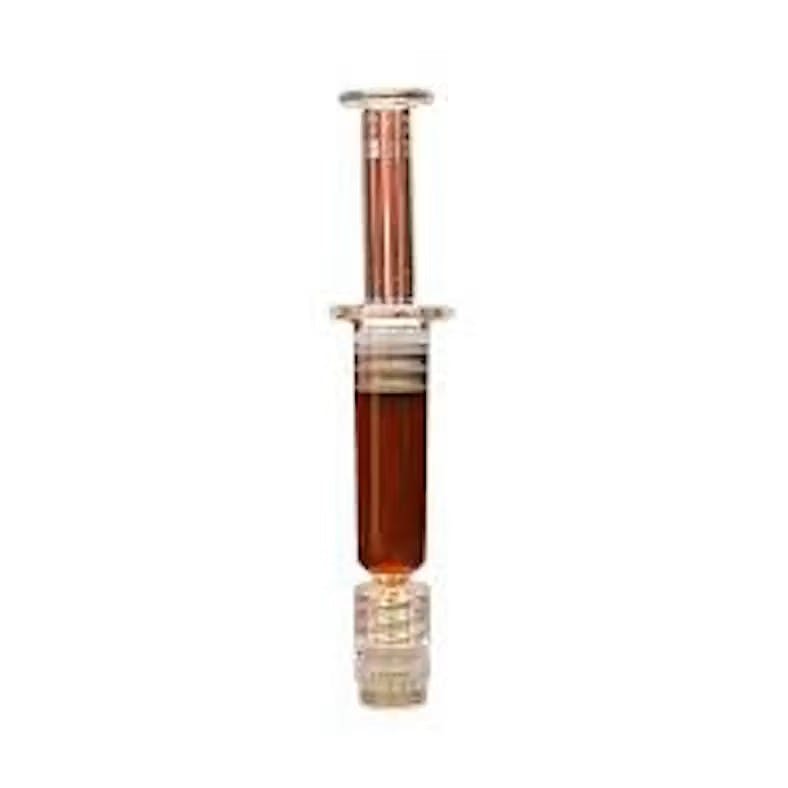
THC 66.28%·CBD 0.13%Hybrid
Veteran's Choice CreationsFECO | Full Extract Cannabis Oil · 1g
$39.82
$45after tax

weeddispensarynearme.com
You must be 21 years or older to enter. By entering, you confirm you’re of legal age in your state to purchase cannabis.
For use only by adults 21+ • Keep out of reach of children
Queens Village — the quietly composed stretch of southeastern Queens defined by Springfield Boulevard, the steady rhythm of Hillside Avenue, and the green expanse of Alley Pond Park — has a discerning cannabis culture to match its unhurried character. For adults 21 and older who prefer precision over guesswork, concentrates represent the category that rewards exactly that kind of deliberate sensibility.
About Concentrates
Concentrates occupy the most technically refined corner of New York's licensed adult-use cannabis market. Produced by extracting cannabinoids and terpenes from the flower through methods ranging from hydrocarbon and CO2 processes to solventless techniques like ice-water hash and rosin pressing, these products deliver an intensity of experience that simply cannot be replicated by rolling a pre-roll or packing a bowl. The result is a diverse spectrum of textures and potency levels — live resin, badder, sugar wax, shatter, diamonds and sauce, and full-melt hash — each with its own sensory signature. New York's Office of Cannabis Management licenses and regulates every concentrate sold through legal dispensaries, meaning lab-tested potency and contaminant screening are mandatory. Shoppers browsing ZIPs 11427, 11428, and 11429 can trust that any properly packaged product from a licensed retailer has been verified for residual solvents, pesticides, and heavy metals. That regulatory framework matters considerably when you are working with products that routinely register between 60 and 90 percent total cannabinoids. Live resin and live rosin hold particular prestige within the concentrate category because they are manufactured from freshly frozen or fresh plant material rather than dried and cured flower. This preservation method locks in a broader, more nuanced terpene profile — the aromatic compounds responsible for each cultivar's distinctive scent and the way it interacts with your endocannabinoid system. The difference between a live product and a standard extract is not merely marketing; it is measurable in aroma complexity and overall character. For adults new to concentrates, the general principle endorsed across the industry is start low and go slow. Even experienced flower consumers often find that a small amount of concentrate — a portion the size of a grain of rice on a dab nail or in a portable vaporizer — delivers a noticeably different experience than they anticipate. Licensed NY dispensaries carry a range of potency tiers, and knowledgeable staff can guide shoppers through the options without pressure.
Concentrates for Queens Village shoppers
Queens Village occupies a particular pocket of the borough that feels genuinely residential in a way that more commercial corridors do not. Springfield Boulevard anchors the neighborhood's daily life — dry cleaners, Caribbean bakeries, and family-run hardware stores give the street an organic texture that is easy to overlook and easy to love. Hillside Avenue runs the southern edge with slightly more velocity, while Alley Pond Park offers the rare urban luxury of actual quiet, whether you are walking the trail system or simply sitting near the kettle ponds at dusk. That combination of transit access and green space shapes how many Queens Village adults engage with cannabis concentrates. For the commuter who spends forty minutes each way on the Q85 or the Jamaica-bound buses that trace Hillside Avenue, a compact concentrate vaporizer tucked discreetly in a bag is a practical format — easy to store, odor-managed after a session, and efficient in a way that loose flower never quite matches. For the resident who uses Alley Pond Park as a de-stress ritual after a long workweek, a solventless rosin with a rich terpene profile can anchor an evening walk in a way that feels intentional rather than impulsive. Demographically, Queens Village is a neighborhood of homeowners and long-term renters who tend to be thoughtful consumers across every category, from groceries to electronics. That same thoughtfulness translates into the concentrate buyer who wants to understand what they are purchasing — who asks about extraction method, terpene preservation, and whether the product is truly solventless. This neighborhood does not trend toward impulse purchases; it trends toward informed ones.
What to look for
Shopping for concentrates in a licensed New York dispensary rewards preparation. The first variable worth understanding is extraction method. Solventless products — rosin pressed from hash or sift, or ice-water hash itself — appeal to consumers who want nothing introduced during processing; the flavor tends to be particularly clean and true to the source cultivar. Solvent-based extracts (hydrocarbon and CO2 processes, followed by purging) can achieve exceptional clarity and consistency, and when produced responsibly, residual solvent levels are well below regulatory thresholds. Neither category is categorically superior; it depends on what you value. Terpene content is the second pillar of a smart concentrate purchase. Look for products that list total terpene percentage on the label — anything above two percent is generally considered expressive, and products in the four-to-six percent range are considered especially aromatic. Specific terpenes worth understanding: myrcene tends toward earthy, calming depth; limonene offers citrus brightness; caryophyllene brings a peppery complexity that pairs well with evening use; terpinolene can give a concentrate an almost floral, slightly herbal quality. These are not medical claims — they are aromatic and sensory descriptors that help you choose a product aligned with your personal preference. For Queens Village shoppers specifically, format is a practical consideration. Portable concentrate vaporizers compatible with cartridges or pods offer discretion during commutes and minimal odor at home — a genuine advantage in a neighborhood of attached houses and apartment buildings along the Hillside Avenue corridor. Dabbing from a rig at home remains the preferred method for those who prioritize full terpene expression and are not constrained by a shared living situation. Budder and badder textures tend to load easily into portable devices, while diamonds and sauce reward slower, at-home sessions where the ritual is part of the point.
Why ZenZest for concentrates in Queens Village
ZenZest Cannabis Dispensary's Queens location at 272-06 Union Tpke in Bellerose sits approximately 1.8 miles from the heart of Queens Village — a straightforward drive down Union Turnpike or a manageable trip via Springfield Boulevard heading northwest. The store carries a curated selection of licensed New York concentrates across the full spectrum of extraction methods and textures, and staff members are trained to walk first-time concentrate buyers through the differences between live resin, rosin, and refined extracts without condescension or rush. For residents in ZIP codes 11427, 11428, and 11429 who would rather not make the trip, ZenZest offers free same-day delivery on qualifying orders over $100 to more than 80 eligible New York ZIP codes — Queens Village included. Orders placed through the delivery service arrive in discreet, compliant packaging. Whether you are restocking a favorite live rosin or exploring a new cultivar-specific badder for the first time, the combination of a nearby licensed retail floor and reliable same-day delivery makes ZenZest a practical anchor for concentrate shopping in this part of eastern Queens.
ZenZest Queens · 272-06 Union Tpke, Bellerose, NY 11004 · 1.8 miles from Queens Village.
$45after tax
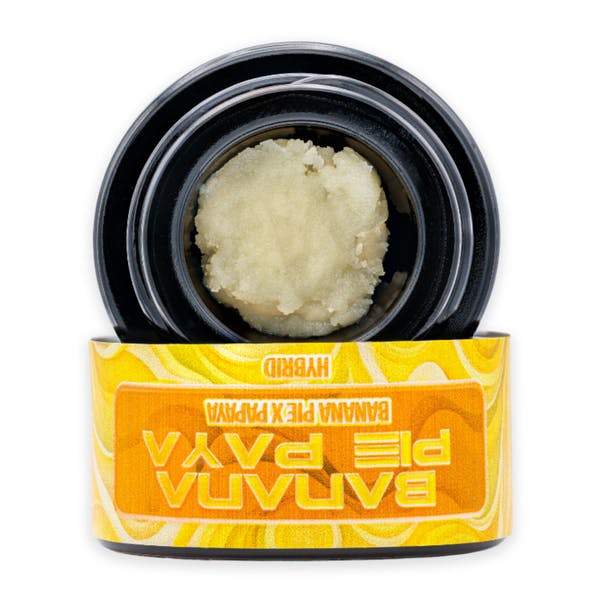
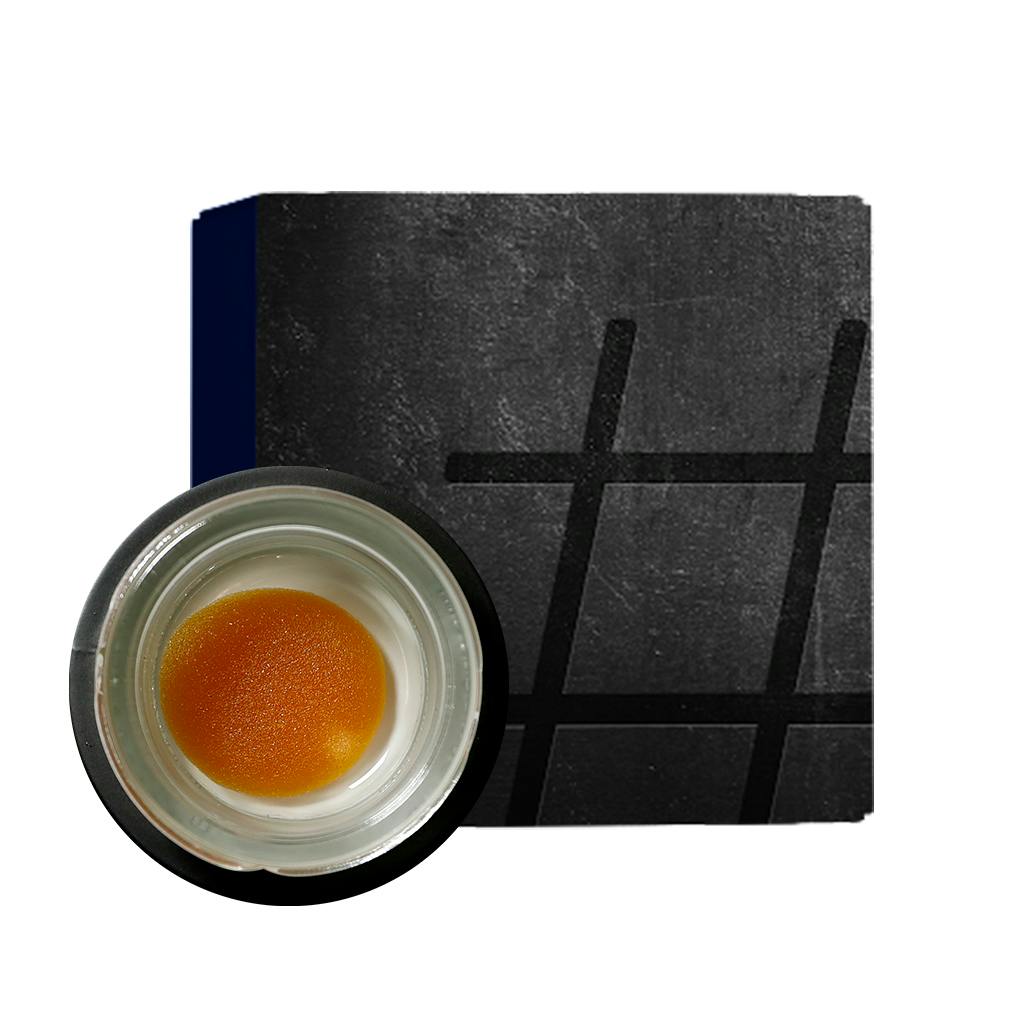
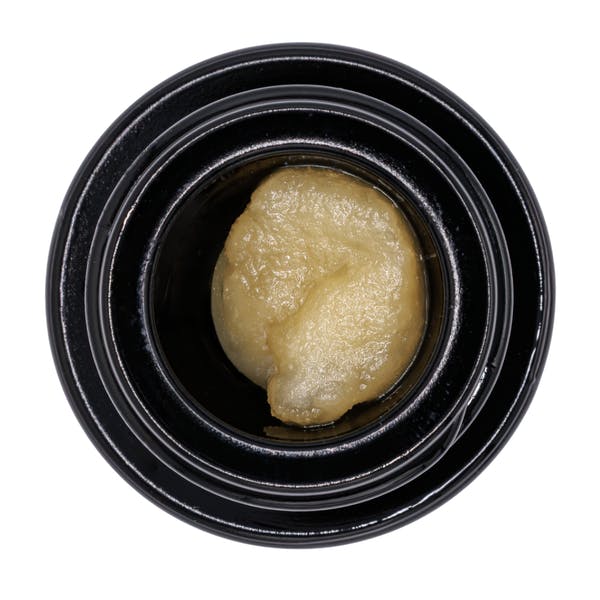
$82after tax
$75after tax
Live resin is produced from cannabis that was frozen immediately after harvest rather than dried and cured. This preservation method maintains a broader terpene profile, which typically translates into more aromatic complexity and a flavor that closely mirrors the original cultivar. Standard BHO (butane hash oil) processed from cured flower is often less expensive and still delivers high potency, but may sacrifice some terpene nuance. For a first concentrate purchase, a smaller quantity of live resin is a reasonable starting point if flavor experience matters to you as much as potency.
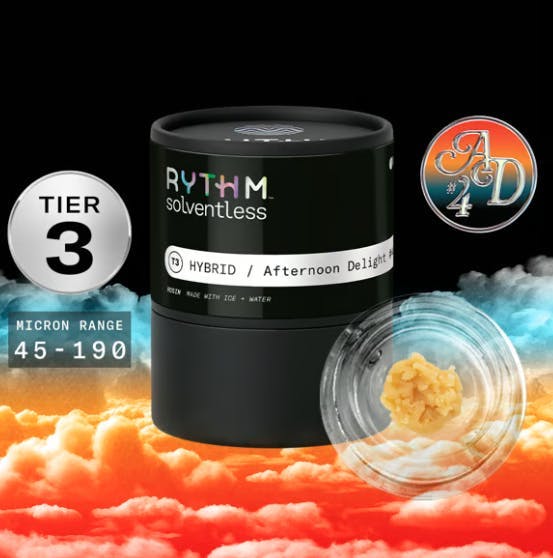
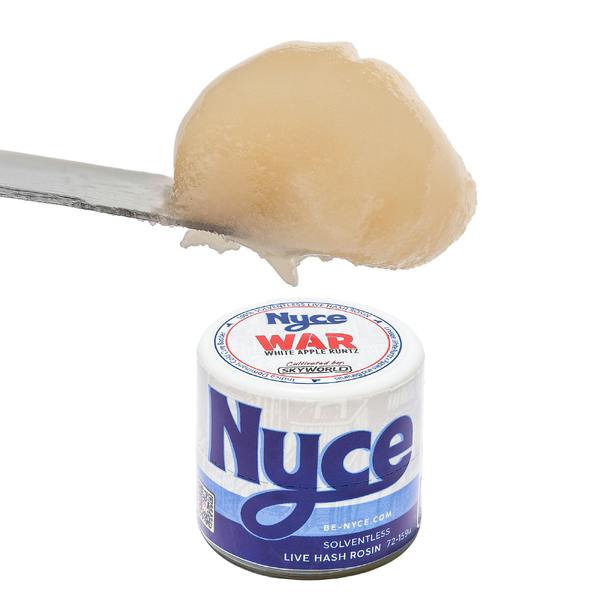
Live rosin is produced by applying heat and pressure — and nothing else — to fresh-frozen or water-hash starting material. No hydrocarbons, CO2, or chemical agents are introduced at any point in production. In the context of New York's licensed market, all concentrates must pass residual solvent testing regardless of method, but solventless products begin from a position where there is nothing to test for. For consumers who prioritize ingredient minimalism, solventless rosin offers peace of mind that extends beyond regulatory compliance into production philosophy.
Concentrates are sensitive to heat, light, and air exposure — all three degrade terpene content and alter texture over time. At home, silicone or glass concentrate containers stored in a cool, dark drawer or a small dedicated refrigerator work well. For commuters along Hillside Avenue or Springfield Boulevard who carry a portable vaporizer, keeping the device away from direct sunlight and avoiding leaving it in a hot car preserves both the product and the device hardware. Pre-loaded pods and cartridges designed for portable vaporizers are generally the most commute-friendly format.
This is a matter of personal preference rather than prescription, but many consumers who spend time in green, naturalistic settings gravitate toward terpene profiles that complement the environment — myrcene-forward cultivars with earthy, slightly herbaceous qualities, or pinene-dominant products that carry a crisp, resinous aroma that resonates with wooded surroundings. Terpinolene, which reads as floral and herbal, also pairs well with outdoor settings. Ask your dispensary budtender to show you the terpene breakdown on the certificate of analysis before purchasing.
Flower in New York's licensed market typically ranges from 18 to 30 percent total THC. Licensed concentrates commonly range from 60 to 90 percent, with some refined extracts exceeding that range. For someone transitioning, starting with a hash-derived product in the 50 to 65 percent range — often a full-melt hash or a rosin with substantial residual plant material — offers a gentler introduction than a high-clarity hydrocarbon extract at 85 percent. The general guidance across the industry remains consistent: start low, go slow, and allow sufficient time before re-dosing.
Most dry herb vaporizers are not designed for concentrates in their standard configuration. Many manufacturers offer concentrate inserts or pods that sit inside the herb chamber, allowing a small amount of wax or budder to be vaporized. Dedicated concentrate vaporizers — including portable wax pens and tabletop electronic nails — are purpose-built for the category and generally produce better results. If you primarily use a portable dry herb vaporizer for your commute along the Q85 route or similar, a dual-use insert may be a practical bridge before committing to a separate concentrate device.
Every concentrate sold through a New York Office of Cannabis Management-licensed dispensary must be produced by a licensed processor and tested by an accredited third-party laboratory. Testing panels include total cannabinoid potency, residual solvents, pesticides, heavy metals, microbial contaminants, and foreign matter. The results appear on a certificate of analysis that licensed retailers are required to make available to consumers. Purchasing from a licensed dispensary rather than an unlicensed source is the only way to ensure these protections apply to what you are consuming.
THCA diamonds are crystalline structures of near-pure THCA that form during a slow-purge extraction process. Sauce is the terpene-rich liquid that surrounds or separates from those crystals during the same process. The two components are often sold together as 'diamonds and sauce,' creating a product where the crystals provide potency and the surrounding liquid provides flavor. This format rewards slower, at-home consumption rather than on-the-go use, and is particularly suited to consumers near the Alley Pond Park corridor who use concentrates as a weekend ritual rather than a daily commute companion.
Yes. ZenZest Cannabis Dispensary offers free same-day delivery on orders over $100 to more than 80 eligible New York ZIP codes, and Queens Village ZIP codes 11427, 11428, and 11429 are within the delivery footprint. Orders are delivered in discreet, compliant packaging. The nearest retail location for in-store browsing is ZenZest Queens at 272-06 Union Tpke in Bellerose, approximately 1.8 miles from Queens Village — accessible via Springfield Boulevard or Union Turnpike directly.
Eastern Queens experiences genuine seasonal temperature swings — humid summers and cold winters that affect how you interact with both the products and the devices used to consume them. In summer, storing concentrates away from heat sources is critical, as warm temperatures cause waxes and rosins to soften significantly and terpenes to volatilize more rapidly. In winter, cold temperatures can make some concentrates brittle and harder to handle; bringing a refrigerated product to room temperature for ten to fifteen minutes before use improves workability. Portable vaporizer batteries also perform less efficiently in very cold weather, which is worth considering for outdoor use near Alley Pond Park in January or February.
Pick your store
We'll show pricing, deals, and delivery zones for the store you pick. You can switch any time from the header.