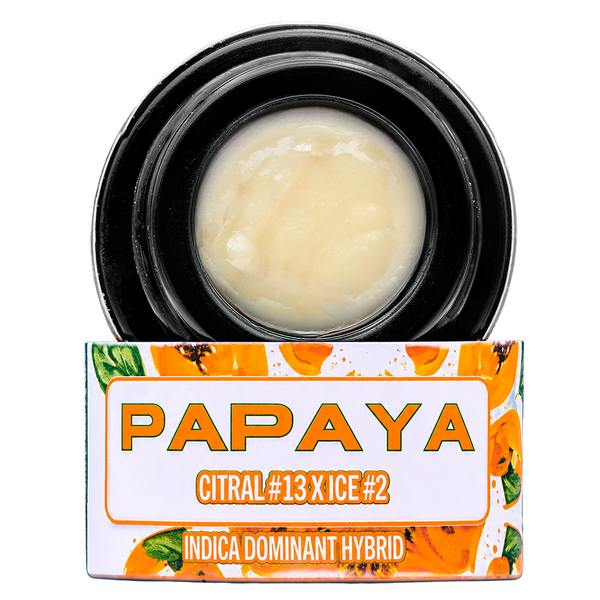
On sale· 20% OFF
THC 81.28%·CBD 0.26%Indica-Hybrid
UmamiiUmamii | Live Rosin Jar | Papaya · 2g
$80.70$100.88
$94after tax

weeddispensarynearme.com
You must be 21 years or older to enter. By entering, you confirm you’re of legal age in your state to purchase cannabis.
For use only by adults 21+ • Keep out of reach of children
Princes Bay, tucked along the southern shore of Staten Island where Seguine Avenue meets tidal marshland and Amboy Road carries you past century-old homes, has quietly become home to a discerning group of adult-use cannabis consumers who know exactly what they want. Solventless rosin — pressed from fresh or cured flower without a single chemical additive — fits this neighborhood's unhurried, quality-first sensibility as naturally as the salt air fits its waterfront.
About Rosin
Rosin occupies a singular position in the New York licensed cannabis market. Unlike butane hash oil or CO₂ extracts, rosin is produced entirely through heat and pressure — no solvents, no residual chemicals, no compromise. The result is a concentrate that cannabis connoisseurs consistently describe as the closest expression of the living plant: a full-spectrum oil rich in cannabinoids, terpenes, and minor compounds that many believe contribute to a more nuanced, well-rounded effect than isolated distillate products. Within the category, shoppers will encounter several distinct formats. Fresh-press rosin is made from ice-water hash derived from freshly harvested cannabis, yielding an almost liquid consistency and an aroma profile that can be strikingly vivid — think ripe citrus, pine resin, or wet earth. Cured rosin begins with dried and cured flower or hash, producing a slightly more shelf-stable product with a flavor character that has had time to develop complexity. Rosin badder and rosin jam are whipped or agitated variants that handle easily on a dab tool and appeal to consumers who find straight rosin too runny or too waxy. New York's Office of Cannabis Management licenses every producer and product that legally reaches store shelves, which means the rosin available at state-licensed dispensaries has passed identity, potency, and residual solvent testing — even though rosin, by definition, should contain none. That regulatory layer provides a layer of assurance that unlicensed market products simply cannot match. Potency on licensed rosin products typically ranges from roughly 60 to 85 percent total cannabinoids, with the remaining composition made up of terpenes, minor cannabinoids, and lipids that survived the pressing process. For consumers in Richmond County seeking the most transparent, traceable concentrate on the market, rosin remains the gold standard.
Rosin for Princes Bay shoppers
Princes Bay is not Midtown Manhattan. It is not the rush of a subway platform or the transactional pace of a Times Square retail corridor. This is a neighborhood where residents keep boats moored off Lemon Creek, where the Princes Bay Light stands on a bluff above Lower New York Bay, and where a Saturday afternoon can genuinely stretch into an evening without anyone noticing. That rhythm invites a style of cannabis consumption that prizes quality over convenience and experience over efficiency — which is precisely why solventless rosin resonates here in a way that, say, a mass-market vape cartridge simply does not. The coastal microclimate along this stretch of Staten Island's South Shore is worth noting for rosin storage purposes. Humidity drawn off Raritan Bay can fluctuate meaningfully across seasons, and rosin — particularly fresh-press varieties — is sensitive to both heat and moisture. Residents storing rosin at home should keep it in an airtight silicone or glass container, ideally in a cool drawer rather than near a windowsill that catches afternoon sun off Amboy Road. The community here skews toward homeowners who have the leisure to engage with cannabis as a refined interest rather than a quick transaction. Weekend gatherings in South Shore backyards, post-kayak evenings, and quiet nights watching the bay make rosin a fitting choice: a small amount goes a significant distance, the terpene experience rewards attention, and the absence of solvents aligns with the health-conscious, ingredient-aware sensibility common in this part of Richmond County.
What to look for
Shopping for rosin in a licensed New York dispensary means engaging with a product category that rewards a modest amount of research. The first thing to examine on any rosin's label or certificate of analysis is the terpene profile. Myrcene-dominant rosins tend toward earthy, mildly sedative character — well suited for unwinding after a long Staten Island Expressway commute or a day on the water. Limonene and terpinolene forward profiles read brighter and more uplifting, which may suit a social backyard evening in Princes Bay rather than a meditative solo session. Caryophyllene, a terpene that also appears in black pepper and cloves, brings a subtle spice and is among the few terpenes that interacts with CB2 receptors, adding another dimension to the overall experience. THC potency on licensed rosin products typically appears as a percentage of total cannabinoids. For consumers newer to concentrates, the general adult-use guidance — start low, go slow — is especially relevant here. A rosin that reads 75 percent total cannabinoids delivers an experience categorically different from a flower joint at 22 percent THC, and the efficiency of a concentrate means a very small quantity is sufficient to begin. Experienced concentrate consumers will want to evaluate the terpene percentage as a proxy for quality: rosins retaining four to eight percent or more of their terpene content tend to deliver richer flavor and a more layered effect. Format trade-offs matter for Princes Bay shoppers specifically. Fresh-press and live rosin are best enjoyed relatively soon after purchase and stored carefully given the local humidity. Rosin badder or sauce, which has a more stable consistency, travels more gracefully and is easier to portion with a dab tool — a practical consideration if you are picking up from a dispensary and driving back along Amboy Road or Hylan Boulevard before getting home.
Why ZenZest for rosin in Princes Bay
ZenZest Cannabis Dispensary on Staten Island, located at 2343 Forest Ave, Staten Island, NY 10303, sits approximately 7.2 miles from Princes Bay — a straightforward drive north along Hylan Boulevard or Richmond Avenue, well within the range that makes a planned dispensary visit entirely reasonable on any weekend afternoon. The store carries a rotating selection of New York state-licensed rosin and solventless concentrates, and the staff is prepared to walk customers through terpene profiles, consistency comparisons, and format differences without pressure. For Princes Bay residents who prefer not to make the trip, ZenZest offers free same-day delivery on orders over one hundred dollars to more than eighty New York ZIP codes, including 10309. That means a curated selection of licensed rosin — fresh-press, cured, badder, or jam — can arrive at a South Shore address the same day it is ordered, cold-packed and discreetly handled. For a neighborhood that values quality and convenience in equal measure, that delivery footprint removes the last remaining friction from accessing the borough's best licensed concentrate selection.
ZenZest Staten Island · 2343 Forest Ave, Staten Island, NY 10303 · 7.2 miles from Princes Bay.
$94after tax
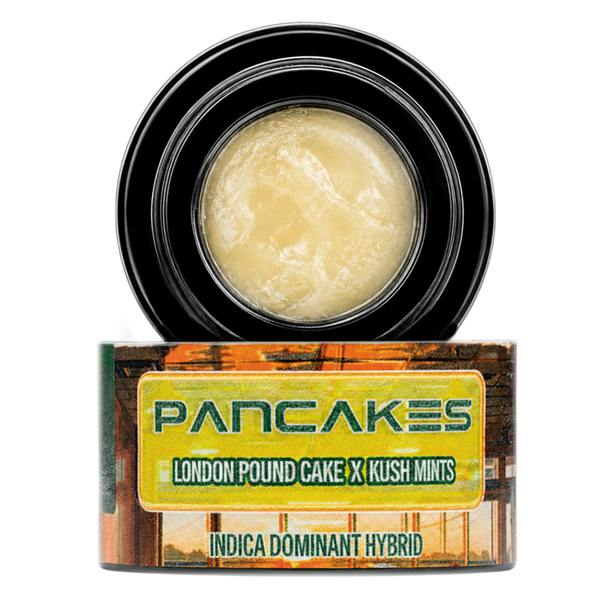
$99after tax

$99after tax
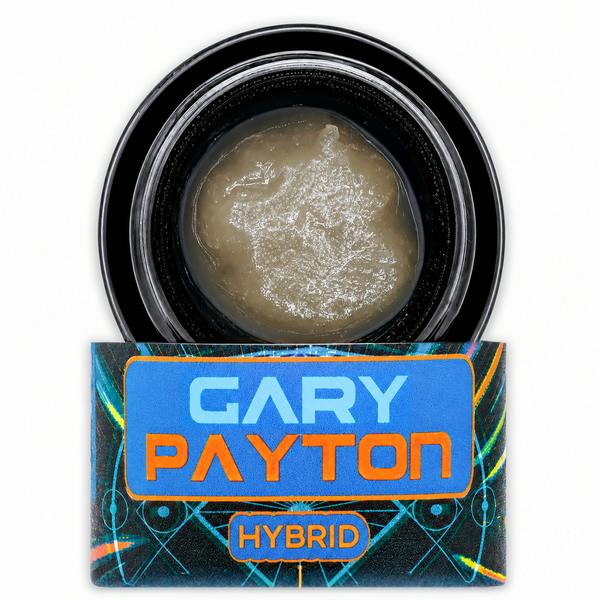
$93after tax
Rosin is produced exclusively through heat and pressure applied to cannabis flower, dry sift, or ice-water hash. No solvents — not butane, propane, ethanol, or CO₂ — are introduced at any stage of production. This distinguishes it from the majority of concentrates on dispensary shelves, including wax, shatter, live resin, and most vape cartridge oil. The solventless process preserves a broader range of terpenes and minor cannabinoids, which many consumers and producers believe results in a more expressive, plant-forward experience.
Rosin is significantly more potent than flower or pre-rolls, with licensed New York products typically ranging from sixty to eighty-five percent total cannabinoids compared to the fifteen to thirty percent THC range common in flower. If you are new to concentrates, the adult-use guidance of start low, go slow applies especially here. Begin with a very small amount — roughly the size of a grain of rice on a dab tool — and allow adequate time to assess the effect before considering more. The experience can be rewarding, but it is a meaningful step up from inhalation of flower.
Rosin is sensitive to both heat and moisture. In a coastal neighborhood like Princes Bay, where humidity off Raritan Bay can spike in summer and during storm systems, storage matters. Keep rosin in a sealed, non-stick silicone or glass jar in a cool, dark location — a kitchen drawer away from the stove or a dedicated cool cabinet works well. Avoid windowsills that receive afternoon sun and do not leave it in a warm car after pickup. Refrigeration is acceptable for short-term storage if the container is well sealed to prevent condensation.
Fresh-press rosin is made from ice-water hash derived from freshly harvested, never-dried cannabis — a process that preserves the most volatile aromatic compounds and often produces a more vivid, complex terpene profile. Cured rosin begins with flower or hash that has been dried and aged, yielding a product with a more stable consistency and a flavor character that has mellowed and deepened over the curing period. Neither is categorically superior; fresh-press tends to appeal to terpene enthusiasts, while cured rosin suits those who prioritize handling ease and shelf stability.
Yes. ZenZest Cannabis Dispensary's Staten Island location offers free same-day delivery on orders exceeding one hundred dollars to more than eighty New York ZIP codes, and 10309 — which covers Princes Bay and surrounding South Shore neighborhoods — is within that delivery footprint. Orders placed through the ZenZest platform are handled discreetly and delivered by licensed couriers in compliance with New York adult-use regulations. Delivery recipients must be twenty-one or older and present valid government-issued ID at the door.
For a calm, unhurried evening — the kind that comes naturally to Princes Bay residents sitting on a back porch within earshot of the bay — look for rosins where myrcene leads the terpene profile, often accompanied by linalool or beta-caryophyllene. Myrcene tends to produce an earthy, grounding quality. Linalool, shared with lavender, adds a gentle floral character. Caryophyllene contributes a mild spice. Together, these terpenes are frequently associated with a settled, contemplative effect that complements quiet social settings or solo decompression rather than high-energy activity.
Rosin is most commonly consumed using a dab rig — a water pipe fitted with a quartz, titanium, or ceramic nail that is heated with a torch or an electronic coil before the rosin is applied. Electronic dab rigs, sometimes called e-rigs or smart rigs, eliminate the torch and allow precise temperature control, which is particularly useful for preserving the terpene profile of a quality rosin. Some consumers also use rosin in a nectar collector or add small amounts to a bowl of flower. Each method requires dedicated hardware not typically included with a standard flower pipe setup.
A certificate of analysis, or COA, is a third-party lab report that all New York licensed cannabis products are required to carry. For rosin, the most relevant sections are total cannabinoids — look for the THC, THCA, CBD, and minor cannabinoid breakdown — and the terpene panel, which lists individual terpenes by percentage. A rosin retaining four percent or more of its total terpene content is generally considered high quality. The residual solvents panel on a true solventless rosin should show non-detected or zero results across all listed chemicals, confirming the solventless production claim.
Yes. Rosin is a licensed adult-use cannabis concentrate product in New York State. Residents of Princes Bay who are twenty-one years of age or older may legally purchase rosin from any New York Office of Cannabis Management licensed dispensary, including ZenZest Staten Island. Possession of up to three ounces of cannabis or twenty-four grams of concentrated cannabis is permitted for adults under New York law. Purchase and consumption are strictly for adults; no medical authorization is required for adult-use products.
Live rosin is a subcategory of fresh-press rosin made specifically from hash derived from freshly frozen cannabis — plant material that was frozen immediately after harvest before any drying or curing occurred. This process captures the most ephemeral aromatic compounds, called volatile terpenes, that would otherwise degrade during a standard drying cycle. The result is typically the most aromatically expressive and flavor-forward product in the rosin category. Live rosin commands a premium price on dispensary menus, which reflects both the complexity of the production process and the higher-quality input material required.
Pick your store
We'll show pricing, deals, and delivery zones for the store you pick. You can switch any time from the header.