
Suffolk County · Rosin
Best Rosin in Port Jefferson, Suffolk County
Port Jefferson's harborside character — the weathered docks off East Main Street, the ferry traffic cutting across the Sound, the unhurried energy of a village that rewards patience — pairs naturally with rosin, a solventless cannabis concentrate that rewards the same deliberate attention. For adults 21 and older exploring the finest extract options in Suffolk County's 11777 ZIP, this guide navigates the category with the care it deserves.
About Rosin
Rosin occupies a singular position in the hierarchy of cannabis concentrates. Unlike hydrocarbon extracts that rely on butane or propane, or ethanol-washed products that require post-processing to remove residual solvents, rosin is produced entirely through the application of heat and pressure. A hydraulic or pneumatic press squeezes trichome-rich starting material — flower, fresh-frozen whole plant, or sieved dry-sift hash — and the result is a full-spectrum oil that preserves the complete terpene and cannabinoid profile of the original cultivar. For discerning consumers, that transparency matters. New York's licensed adult-use market, operating under the Office of Cannabis Management, requires all manufactured concentrate products to meet strict testing standards for residual solvents, pesticides, heavy metals, and microbial contaminants. Rosin, by virtue of its process, tends to pass residual-solvent panels without issue, but purchasing through a licensed retailer remains the only way to verify that every batch has cleared the full OCM panel. Unlicensed products carry no such guarantee. Within the rosin category, quality grades vary considerably. Flower rosin — pressed directly from dried, cured bud — is the most accessible entry point and typically yields a product somewhere between a badder and a shatter in texture. Hash rosin represents the premium tier: starting material is first converted into ice-water hash (bubble hash), dried to a precise moisture level, and then pressed. The resulting oil is lighter in color, richer in minor cannabinoids, and noticeably more aromatic. Live rosin takes that further still, beginning with fresh-frozen cannabis to capture volatile terpenes that are lost during the drying and curing process. For Suffolk County consumers who have spent years navigating a gray or illicit market, licensed rosin offers a measurable upgrade in accountability. Every unit sold through a compliant New York retailer carries a certificate of analysis traceable to a licensed processor, giving buyers the factual grounding to make genuinely informed decisions.
Rosin for Port Jefferson shoppers
Port Jefferson occupies a particular corner of Suffolk County that rewards slow living. East Main Street slopes toward the harbor with a mix of independent restaurants, galleries, and boutiques that have no interest in the chain-retail pace of other Long Island corridors. The ferry to Bridgeport has been crossing the Sound from this dock for more than a century, and there is a rhythm to the village — tidal, unhurried — that makes it a natural home for consumers who approach cannabis with similar intentionality. Rosin, as the most process-transparent of all concentrate formats, fits that ethos precisely. Stony Brook Road and the broader Stony Brook University corridor bring a younger, research-oriented demographic into the orbit of Port Jefferson's 11777 ZIP. Graduate students, researchers, and faculty who have spent time in cannabis-legal West Coast markets often arrive with a baseline literacy around solventless extraction, seeking products in Suffolk County that match what they encountered in Portland or Oakland. Licensed rosin is frequently the category they reach for first. Seasonally, the harbor village presents distinct use occasions that shape purchasing patterns. Summer brings ferry tourists and day-trippers whose consumption is often social and session-oriented, favoring the efficiency of a concentrate over rolling multiple joints. The colder months, when the waterfront empties and the village turns quieter, tend toward more contemplative, at-home use — an evening session with a quality hash rosin and a well-calibrated dab rig is not an unusual ritual for year-round Port Jefferson residents. The region's sea air and changeable weather also mean that proper storage of rosin — airtight glass jars, kept below 70°F and away from direct light — is worth discussing at the point of purchase.
What to look for
Evaluating rosin begins with understanding the starting material. Flower rosin is widely available and accessible in price, but consumers seeking peak terpene expression and cannabinoid complexity should look toward hash rosin, and ideally live hash rosin pressed from fresh-frozen material. On a licensed New York product label, the processor is required to disclose the extraction method; that single line of information is among the most useful data points a buyer can consult. Terpene profiles drive the functional differentiation between rosin options more reliably than THC percentage alone. Myrcene-dominant cultivars tend toward heavier, more sedating effects and pair well with end-of-day use after a long commute on the Port Jefferson Branch of the Long Island Rail Road. Limonene and pinene-forward profiles tend to be brighter and more mentally engaging — better suited for an afternoon walk around the harbor or a social gathering on East Main Street. Caryophyllene, a terpene with a spicy, woody character, appears frequently in rosin pressed from high-quality hash and offers a complexity that rewards slower, more attentive consumption. Always review the terpene panel on the certificate of analysis, not just the THC number. Format and texture are practical considerations as well. Rosin consistency ranges from a stable, pull-and-snap taffy through a creamy badder to a liquid sauce depending on post-press handling temperature and terpene content. Badder and budder textures are typically easier to handle with a dab tool and tend to store well in cool conditions — an asset during Port Jefferson winters. If you are new to concentrates, the OCM-standard guidance of starting with a small quantity and waiting to assess the full effect before re-dosing applies clearly here. A quality hash rosin at modest temperature on a well-maintained rig delivers considerably more per inhalation than most inhalable formats.
Why ZenZest for rosin in Port Jefferson
ZenZest Cannabis Dispensary serves the Suffolk County market through its Queens location at 272-06 Union Tpke, Bellerose, NY 11004, approximately 36.8 miles from Port Jefferson's 11777 ZIP. The store carries a curated selection of licensed New York adult-use rosin across multiple quality tiers — from approachable flower rosin for consumers entering the concentrate category to premium live hash rosin from processors with established reputations in the state's licensed market. Staff are trained to walk buyers through certificate-of-analysis documentation and to discuss terpene profiles in genuine depth, which is precisely the kind of consultation that rosin shoppers benefit from. For Port Jefferson-area adults who prefer to plan their purchase in advance, ZenZest's online menu allows full product browsing before making the drive. The Queens store's inventory reflects the seasonal shifts in the licensed New York concentrate market, and availability at the premium hash-rosin tier can move quickly. While same-day delivery is not currently available to the 11777 ZIP, the Bellerose location is reachable via the Long Island Expressway and represents one of the more accessible licensed retail options for discerning Suffolk County consumers seeking solventless concentrates vetted through New York's regulatory framework.
ZenZest Queens · 272-06 Union Tpke, Bellerose, NY 11004 · 36.8 miles from Port Jefferson.
Live rosin for Port Jefferson
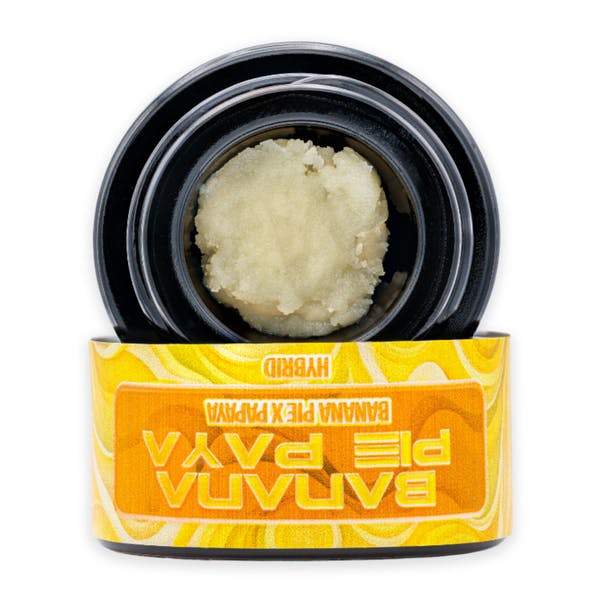
Full rosin menu →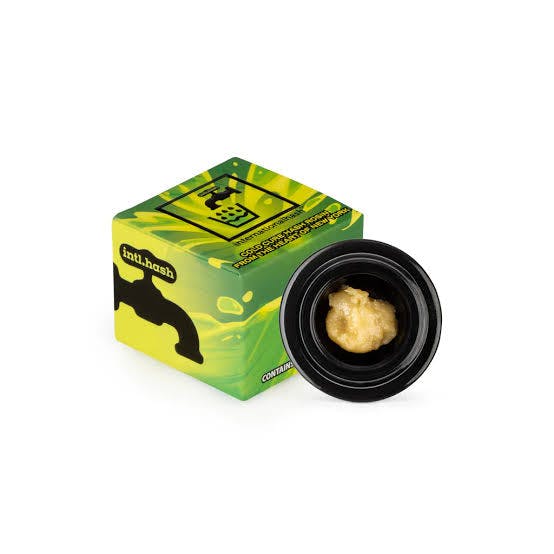
THC 75.73%Hybrid
INTERNATIONAL HASHInternational Hash | Cold Cure Hash Rosin | Grapefruit Hybrid · 1g
$66.37
$75after tax
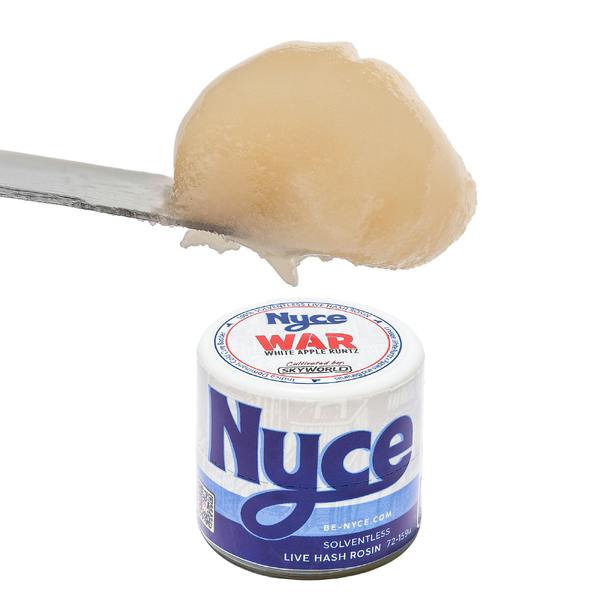
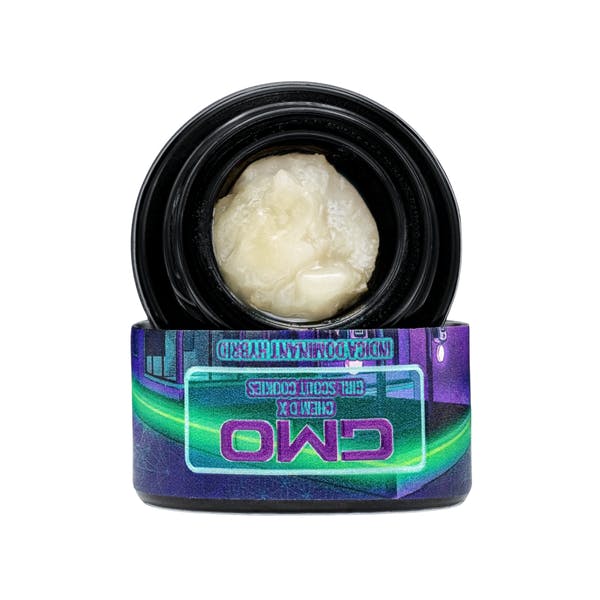
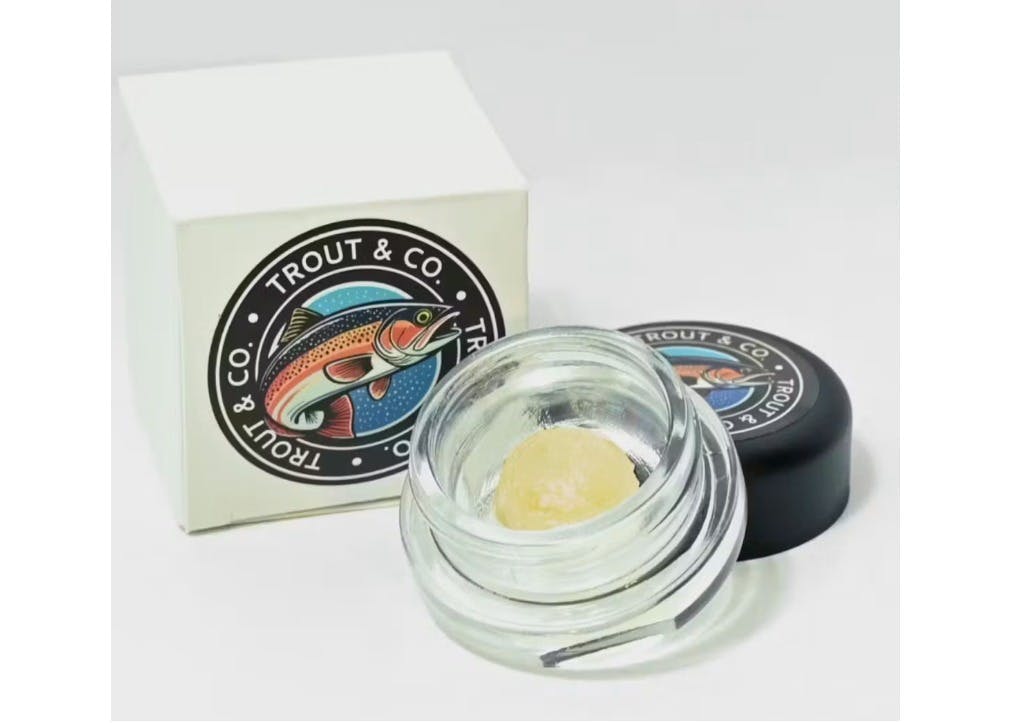
THC 77.52%Hybrid
Trout & Co.Trout & Co. | Super Funk | Live Rosin Private Reserve · 1g
$88.50
$100after tax
Rosin in Port Jefferson — answers
What is the difference between rosin and other cannabis concentrates available at licensed New York dispensaries?+
Rosin is a solventless concentrate made exclusively with heat and pressure, meaning no hydrocarbon gases, ethanol, or other chemical solvents are used in its production. Most other concentrates — including BHO wax, live resin, and distillate — involve chemical extraction. New York's OCM requires all concentrates to be tested for residual solvents, but rosin's process eliminates that variable at the source, making it a preferred choice for consumers in Port Jefferson and across Suffolk County who prioritize process transparency in their cannabis purchasing.
Is rosin stronger than cannabis flower, and how should a new concentrate user approach their first session?+
Rosin is significantly more potent per unit of weight than cured flower. Licensed New York hash rosin products commonly register between 60 and 85 percent total cannabinoids, compared to 15 to 30 percent in most flower products. For adults new to concentrates, beginning with a portion no larger than a grain of rice on a low-temperature dab setup is the standard starting approach. Waiting a full 10 to 15 minutes before assessing the effect and re-dosing is strongly advised. This start-low, go-slow approach applies whether you are a first-time concentrate user or returning to the format after a break.
How should I store rosin purchased from a licensed dispensary in Port Jefferson or Suffolk County?+
Rosin is sensitive to heat, light, and oxygen, all of which degrade terpenes and alter texture over time. The ideal storage environment is a sealed, opaque glass container kept between 35 and 65 degrees Fahrenheit. For Port Jefferson residents, a cool interior drawer or a small dedicated cooler works well during the warmer harbor-front months. Avoid storing rosin in car glove compartments during summer, as temperatures inside a parked vehicle can exceed 100 degrees Fahrenheit and will liquify and degrade even a premium live hash rosin within hours.
What equipment do I need to consume rosin at home in Port Jefferson?+
The most common method is a dab rig — a water pipe fitted with a heat-resistant quartz or titanium banger — paired with a butane torch or, increasingly, an electronic temperature-controlled nail. Electronic nails and purpose-built e-rigs offer more precise temperature control, which is particularly valuable for hash rosin where preserving delicate terpenes at lower temperatures (around 450 to 550 degrees Fahrenheit) produces a meaningfully better experience than high-heat dabbing. Dab tools, silicone or glass storage containers, and isopropyl alcohol for banger maintenance round out the basic kit.
What terpenes should I look for in a rosin if I want something suited for an evening wind-down after a day on the Port Jefferson waterfront?+
For end-of-evening, restful use occasions, rosin profiles dominated by myrcene, linalool, or beta-caryophyllene are commonly associated with a heavier, more physically relaxed character. Myrcene, which has an earthy and slightly sweet aroma, appears frequently in hash rosin derived from indica-leaning cultivars. Linalool contributes a floral quality. Caryophyllene adds a spiced, woody note. Reviewing the terpene panel on the licensed product's certificate of analysis — which any compliant New York dispensary should be able to provide — is the most reliable way to evaluate a specific batch before purchasing.
Can I travel with rosin purchased from a licensed New York dispensary if I take the Port Jefferson ferry to Connecticut?+
No. Cannabis purchased legally in New York under adult-use law is legal for possession and use within New York State only. Transporting any cannabis product, including licensed rosin, across state lines — whether by ferry to Bridgeport, Connecticut, or by any other means — is a federal offense regardless of the legality in either state. Connecticut has its own adult-use cannabis program, and products purchased in New York may not be carried into Connecticut. Consumers should plan purchases for use exclusively within New York.
What is live rosin, and is it worth the premium price over standard hash rosin at a licensed Suffolk County retailer?+
Live rosin begins with cannabis that was flash-frozen immediately after harvest rather than dried and cured, preserving volatile terpenes that evaporate during conventional post-harvest processing. The resulting concentrate is typically more aromatic, more complex in flavor, and more representative of the living plant's full chemical profile. The premium over standard hash rosin is real — live rosin can retail for significantly more per gram — and whether it is worth it depends on the individual consumer's palate and priorities. For consumers who value terpene fidelity over raw potency metrics, the difference is genuinely perceptible.
How do I verify that a rosin product sold at a New York dispensary is properly licensed and tested?+
Every adult-use cannabis product sold through a licensed New York retailer must carry a scannable QR code or batch number linking to a certificate of analysis from an OCM-accredited laboratory. This document details cannabinoid content, terpene percentages, and test results for pesticides, heavy metals, microbial contaminants, and residual solvents. Ask to see the COA before purchasing if it is not displayed on the packaging. Any retailer operating within New York's licensed framework should provide this documentation without hesitation. Purchasing outside the licensed market provides no such verification.
Are there rosin products designed specifically for consumers who want to avoid high THC concentrations?+
Yes. Some licensed New York processors produce rosin from cultivars selected for elevated minor cannabinoid content — including CBD, CBG, and CBC — alongside moderate THC levels. These products aim for a broader-spectrum experience that many consumers describe as more nuanced and less intensely psychoactive than high-THC rosin. The terpene-to-cannabinoid ratio matters as well; a rosin with a rich terpene profile at moderate THC may deliver a more satisfying experience than a stripped, high-potency extract. Discussing your preferred effect profile with staff at a licensed dispensary is the most practical way to identify the right product.
Does the season or weather in Port Jefferson affect how I should think about purchasing and using rosin?+
Practically, yes. The Long Island Sound climate means that Port Jefferson experiences genuine seasonal variation — humid summers and cold, damp winters. Rosin texture shifts with ambient temperature: a firm badder in December may become a runnier, harder-to-handle consistency on a warm August afternoon. Purchasing smaller quantities more frequently during summer months reduces the risk of texture degradation. In winter, allow refrigerated rosin to come to room temperature slowly in its sealed container before opening, to avoid condensation forming on the product, which introduces moisture that can affect consistency and shelf stability.