
Suffolk County · Tinctures
Best Tinctures in Patchogue, Suffolk County
Patchogue's Main Street corridor and the salt-tinged air rolling off Great South Bay set a pace that rewards precision and intention. For adults navigating the 11772 ZIP who want measured, discreet cannabis experiences, tinctures have emerged as the format of choice — a few drops, a defined onset, and no combustion interrupting an evening on the bay.
About Tinctures
Tinctures occupy a quietly sophisticated corner of New York's licensed adult-use cannabis market. Unlike flower or concentrates, a tincture is a liquid extract — typically cannabis oil or an alcohol-based infusion — delivered sublingually, meaning a measured dose held beneath the tongue for thirty to sixty seconds before swallowing. This method allows cannabinoids to enter the bloodstream through the mucous membrane more directly than traditional edibles, which must first pass through the digestive tract. The result is a faster, more predictable onset compared with a gummy or chocolate, generally arriving within fifteen to forty-five minutes, though individual physiology always plays a role. New York's licensed dispensaries carry tinctures formulated across a spectrum of cannabinoid ratios. You will find products leaning heavily THC for euphoric effect, balanced one-to-one CBD-to-THC formulas favored by those who want a gentler experience, and high-CBD tinctures with only trace THC. Reputable New York Office of Cannabis Management-licensed producers lab-test every batch, and by state regulation those results — potency, terpene content, and residual solvent screening — must appear on or accompany the product. Always check the certificate of analysis. The format itself is inherently low-profile. A small glass dropper bottle fits into a jacket pocket or a bag without drawing attention. There is no smoke, no vapor, no odor — qualities that matter enormously in residential neighborhoods, on ferries, or at the kind of waterfront gatherings Patchogue hosts through the warmer months. Tinctures also offer something edibles sometimes do not: easy titration. Because you are working in increments of a single dropper mark, first-time consumers or those returning to cannabis after a long hiatus can genuinely follow start-low, go-slow guidance with confidence.
Tinctures for Patchogue shoppers
Patchogue sits at the southwestern edge of Suffolk County, pressed between the Long Island Rail Road's Montauk Branch and the tidal reach of Great South Bay. Ocean Avenue runs south toward the marina and the ferry to Fire Island, and the stretch of Main Street between Rider Avenue and South Ocean Avenue has become one of Long Island's more energetic small-downtowns — local restaurants, craft-focused bars, and weekend farmers markets pulling in residents from Medford, Blue Point, and Bellport alike. The demographic texture is broad: young professionals who commute an hour into Penn Station, longtime Suffolk families, retirees, and seasonal visitors cutting through to the barrier island. That commuter reality shapes how tinctures fit into daily life in the 11772 ZIP. A one-to-one or high-CBD tincture taken at home before a ninety-minute train ride into Midtown is a fundamentally different proposition than a smoked session — discreet, controllable, and without the lingering scent that close quarters on the LIRR make conspicuous. Conversely, a THC-forward tincture taken on a Friday evening before a walk along the boardwalk at Shorefront Park delivers a measured, unhurried effect aligned with the bay's own unhurried rhythm. Summer weekends on Great South Bay — boating, kayaking out toward Watch Hill, evening gatherings at the marinas along Brightwood Street — also make the portability and dose precision of tinctures particularly appealing. There is no wind to fight, no lighter to keep dry, and no need to step away from a social setting. The bottle slips into a pocket, and the experience remains entirely personal.
What to look for
Shopping for tinctures as a licensed New York adult-use consumer begins with the cannabinoid ratio. If you are new to cannabis or simply prefer a functional, clear-headed experience, a product with a CBD-to-THC ratio of two-to-one or higher offers the plant's more subtle effects while tempering psychoactivity. More experienced consumers often prefer ratios closer to one-to-one or tinctures with higher THC percentages — though even here, 'high THC' in a tincture works differently than in a concentrate, so the start-low principle still applies. Terpenes matter in tinctures just as they do in flower, and the better licensed producers will include terpene data on their COA. Myrcene contributes earthy, sedating undertones often associated with evening relaxation — appropriate for winding down after a day on the water. Limonene skews citrus and uplifting, a reasonable complement to a bright summer afternoon. Linalool offers a floral, calming profile. When you pick up a bottle and the label lists terpene content, treat it as a guide to the product's character rather than a medical prescription, and let that guide pair with your own intended occasion. Format trade-offs are worth understanding before you buy. Alcohol-based tinctures tend to preserve terpenes well and absorb sublingually with efficiency but carry a sharp taste some find unpleasant. Oil-based tinctures — typically MCT or hemp seed oil as a carrier — are smoother to hold under the tongue and easier to incorporate into a beverage if you prefer not to dose directly. For Patchogue shoppers who may be balancing a social setting on the bay with a desire for discretion and precision, an oil-based tincture in a modest mid-range THC formulation is a sensible starting point. Bottle sizes in New York's licensed market commonly range from one hundred to five hundred milligrams total cannabinoids, offering meaningful flexibility in how long a single purchase lasts.
Why ZenZest for tinctures in Patchogue
ZenZest Cannabis Dispensary serves adult-use customers across New York with a curated selection of licensed products that prioritizes quality documentation and transparent sourcing. The nearest physical location is ZenZest Queens at 272-06 Union Tpke, Bellerose, NY 11004 — approximately 37.8 miles west of Patchogue via the Southern State Parkway or the Long Island Expressway. For Suffolk County residents willing to make the westward drive, the Queens store offers the full ZenZest tincture selection with staff equipped to walk you through cannabinoid ratios, carrier oil formats, and available COA data. For customers in the 11772 ZIP who prefer not to commit to an hour-plus round trip, it is worth noting that ZenZest offers free same-day delivery on orders over one hundred dollars across eighty-plus New York ZIP codes, though Patchogue does not currently fall within the active delivery zone. Checking back as the delivery network expands is advisable — coverage areas for licensed New York dispensaries have grown steadily since adult-use sales launched, and Suffolk County accessibility continues to improve across the industry.
ZenZest Queens · 272-06 Union Tpke, Bellerose, NY 11004 · 37.8 miles from Patchogue.
Live tinctures for Patchogue
Full tinctures menu →
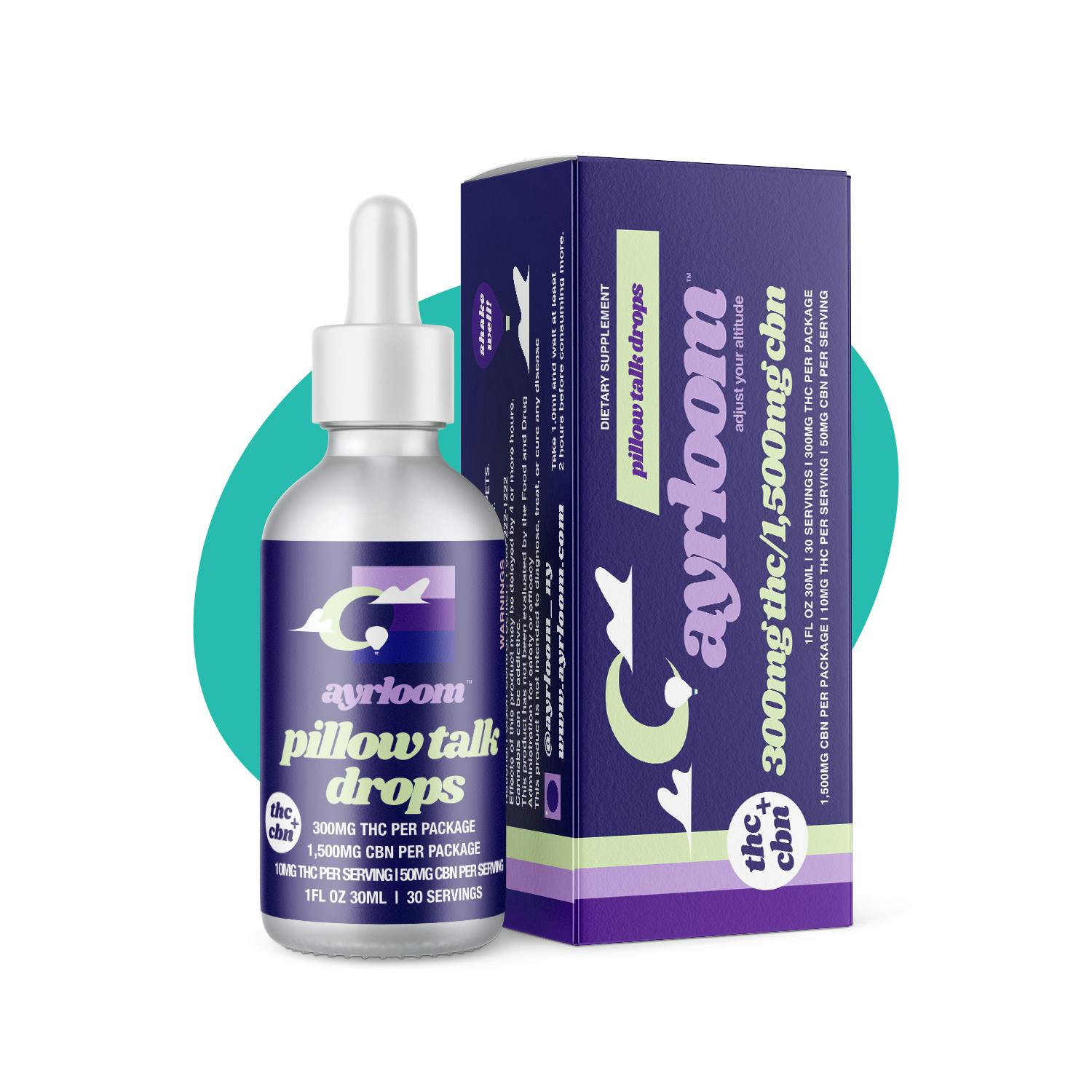
THC 0.93%Indica
ayrloomAyrloom | Pillow Talk Drops | 1:5 | 300MG THC : 1500MG CBN · .1g
$44.25
$50after tax
THC 0.53%·CBD 1.61%Hybrid
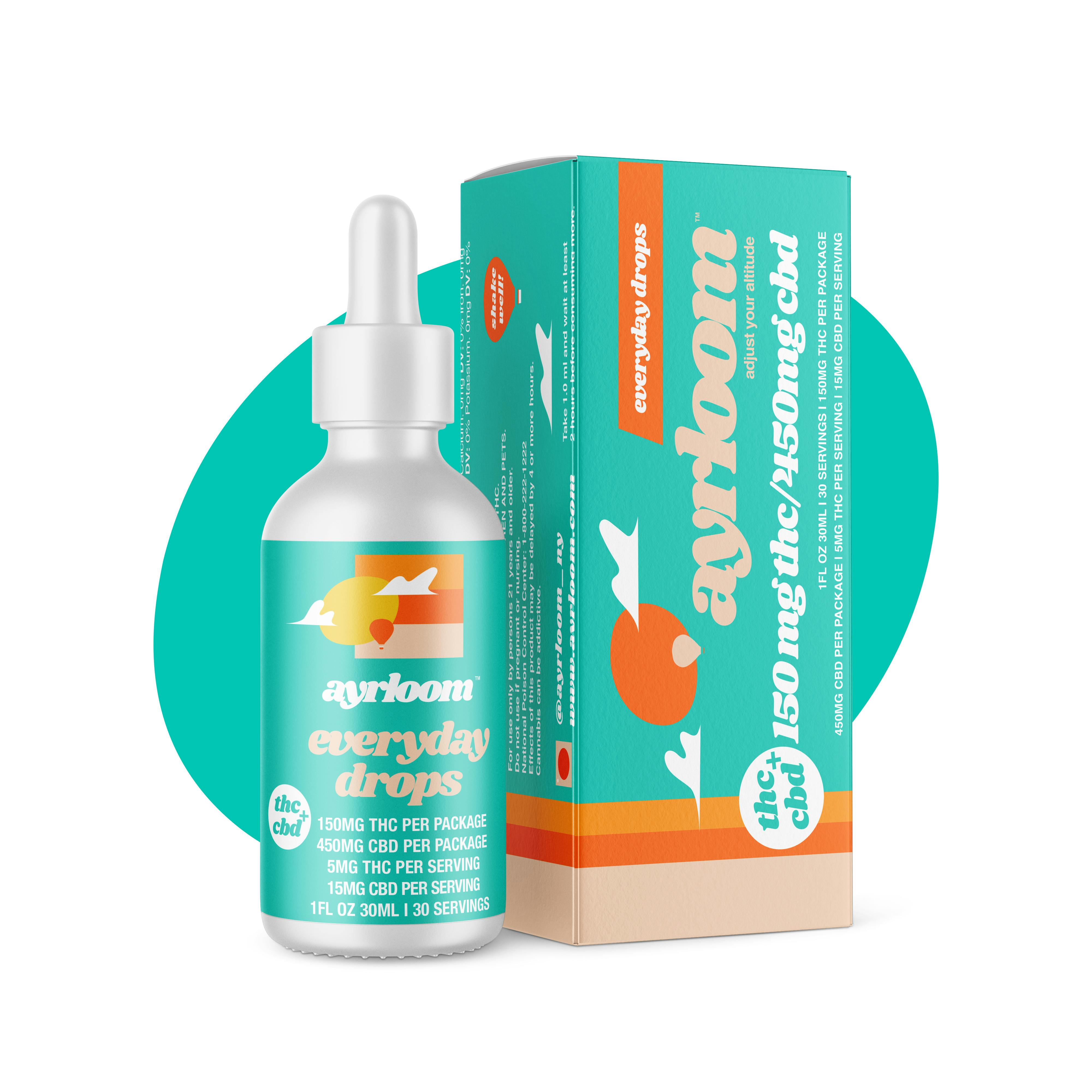
ayrloomayrloom | Low Dose Everyday Drops | 1:3 | 150MG THC : 450MG CBD · .1g
$30.00
$34after tax
Tinctures in Patchogue — answers
What makes tinctures a practical choice for adults who commute from Patchogue into New York City?+
The LIRR Montauk Branch runs directly through Patchogue, placing Penn Station roughly ninety minutes away on a typical morning. Tinctures offer a consumption format that produces no smoke, no vapor, and no identifiable odor — meaning a dose taken at home before departure integrates quietly into a commuter's routine. The sublingual method's relatively defined onset window also allows a commuter to time their experience with some predictability, rather than contending with the unpredictable absorption curve of an edible consumed in haste.
How does sublingual tincture dosing actually work, and how does it differ from eating an edible?+
With a sublingual tincture, the consumer places a measured amount of liquid beneath the tongue and holds it there for thirty to sixty seconds. Cannabinoids absorb through the mucous membrane into the bloodstream, bypassing first-pass liver metabolism. This generally produces an onset of fifteen to forty-five minutes — faster and more consistent than a traditional edible, which must be digested before cannabinoids enter circulation. The effect duration is typically shorter as well, often tapering after two to four hours depending on the individual and the product's cannabinoid profile.
What cannabinoid ratios should a first-time tincture buyer in Suffolk County look for?+
New York's licensed market offers a range from high-CBD, trace-THC products all the way to THC-dominant formulas. For a first-time buyer, a product with a CBD-to-THC ratio of at least two-to-one provides meaningful cannabinoid content while limiting the intensity of psychoactive effect. Starting with a low volume — typically half a dropper or less — and waiting a full hour before considering any additional amount reflects the start-low, go-slow guidance that experienced consumers and retail staff consistently recommend.
Are tinctures purchased from a licensed New York dispensary lab-tested?+
Yes. New York State's Office of Cannabis Management requires all licensed adult-use cannabis products to undergo third-party laboratory testing before reaching retail shelves. Tinctures must be tested for total THC and CBD potency, residual solvents, pesticides, heavy metals, and microbial contaminants. A certificate of analysis reflecting these results must accompany each product. Consumers can typically request or scan the COA at point of purchase. This requirement is specific to licensed dispensaries — unlicensed sources carry no such guarantee.
What is the difference between an alcohol-based tincture and an oil-based tincture?+
Alcohol-based tinctures use ethanol as the solvent and carrier, which efficiently extracts and preserves cannabinoids and terpenes and facilitates rapid sublingual absorption. The trade-off is a sharp, sometimes harsh taste when held under the tongue. Oil-based tinctures use a carrier such as MCT oil or hemp seed oil, which most consumers find more palatable and easier to hold in the mouth. Oil-based products can also be stirred into a beverage, though this shifts absorption toward the digestive route and extends onset time closer to that of a standard edible.
Can tinctures be used discreetly at outdoor events along Great South Bay or on the Patchogue waterfront?+
Tinctures are among the most discreet cannabis formats available to adult-use consumers. A small dropper bottle produces no combustion, no vapor cloud, and no noticeable odor. At an outdoor gathering along the marina or at Shorefront Park, a consumer can dose privately and unobtrusively. That said, consuming cannabis in public spaces remains restricted under New York State law. Tinctures should be used in private or in lawfully designated spaces, and consumers remain responsible for understanding local and state regulations regarding public consumption.
How do terpene profiles influence the experience of a tincture, and which terpenes are worth paying attention to?+
Terpenes are aromatic compounds found throughout the cannabis plant that interact with cannabinoids to shape the overall character of a product. In a tincture context, myrcene tends toward earthy and relaxing qualities often suited to evening use. Limonene offers a citrus-forward, uplifting profile that some consumers associate with daytime occasions. Linalool contributes floral, calming characteristics. Not all tinctures retain robust terpene content — particularly those produced using high-heat extraction — so reviewing the COA for terpene data, if available, helps distinguish products with intentional flavor and effect profiles from those that do not.
What bottle sizes and total cannabinoid amounts are typical for tinctures in New York's licensed market?+
Licensed New York tinctures commonly come in bottles ranging from one fluid ounce to two fluid ounces, with total cannabinoid content typically falling between one hundred milligrams and five hundred milligrams per bottle. A one-hundred-milligram bottle with a one-milligram dropper increment offers a long-lasting supply for a low-dose consumer, while a more experienced user may prefer a five-hundred-milligram product for convenience and value. Checking the milligrams per milliliter on the label — rather than the percentage — is the most practical way to understand what each dropper delivers.
Is ZenZest able to deliver tinctures to Patchogue ZIP code 11772?+
At present, Patchogue's 11772 ZIP code does not fall within ZenZest's active same-day delivery zone. ZenZest offers free same-day delivery on orders exceeding one hundred dollars across more than eighty New York ZIP codes, but Suffolk County's easternmost communities are still outside that footprint. Suffolk County residents have the option of visiting ZenZest Queens at 272-06 Union Tpke in Bellerose — approximately 37.8 miles from Patchogue — or monitoring ZenZest's delivery zone updates as service coverage expands.
How should tinctures be stored to maintain potency, particularly during Long Island's humid summer months?+
Cannabis tinctures are best stored in a cool, dark environment away from direct sunlight and heat, both of which accelerate cannabinoid degradation. The amber glass bottles that most licensed producers use offer meaningful light protection, but the humidity and temperature swings common along Great South Bay in July and August can still affect product quality if a bottle is left in a car, a beach bag in the sun, or near a stove. A kitchen cabinet, a drawer away from heat sources, or a small temperature-stable storage container will preserve potency and terpene integrity through the warmer months.