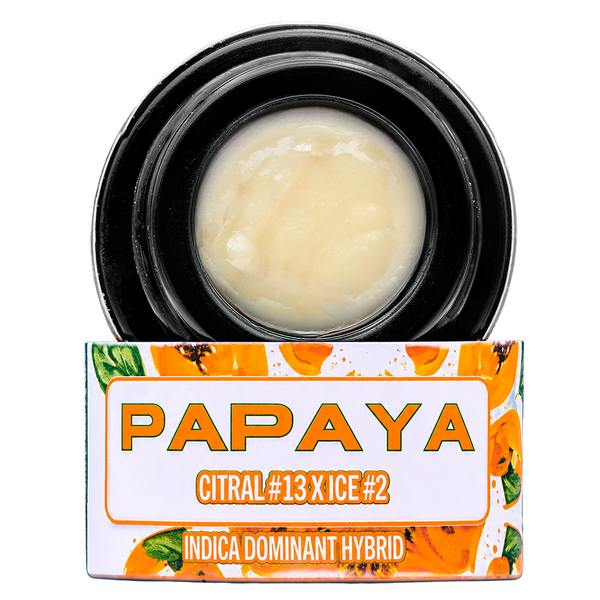
On sale· 20% OFF
THC 81.28%·CBD 0.26%Indica-Hybrid
UmamiiUmamii | Live Rosin Jar | Papaya · 2g
$80.70$100.88
$94after tax

weeddispensarynearme.com
You must be 21 years or older to enter. By entering, you confirm you’re of legal age in your state to purchase cannabis.
For use only by adults 21+ • Keep out of reach of children
Park Slope's tree-lined brownstone blocks and the unhurried rhythm of Prospect Park set a particular standard for what residents bring home. Rosin — the solventless concentrate pressed from fresh or cured cannabis flower using only heat and pressure — fits that standard precisely. Clean, expressive, and free of chemical residue, it is the category that discerning Brooklyn shoppers are reaching for more consistently than ever.
About Rosin
Rosin occupies a distinct position in New York's licensed adult-use cannabis market. Unlike hydrocarbon or CO2 extracts, rosin is produced without introducing any solvent into the process. A hydraulic or pneumatic press applies calibrated heat and pressure to either dried flower, sieved hash, or bubble hash, and the resulting oil — rich in cannabinoids and the full terpene profile of the cultivar — is collected as a pure expression of the plant itself. That transparency of process appeals strongly to consumers who read ingredient lists on their food, pay attention to provenance, and prefer to understand exactly what they are consuming. New York's Office of Cannabis Management licenses a growing cohort of processors who produce rosin legally for the adult-use market. Compliant products carry a label showing total THC by percentage, net weight in grams, harvest and extraction dates, and a batch number traceable to the cultivar used. Because rosin retains volatile terpenes that might be stripped in solvent-based processes, the flavor and aroma profile of a well-made rosin often reads as strikingly true-to-plant — something that seasoned concentrate users notice immediately. Within the rosin category, shoppers will encounter several sub-formats. Flower rosin is the most accessible entry point, pressed directly from cured bud. Hash rosin — pressed from water-hash or dry-sift — tends to carry a lighter color, a more refined texture, and a more pronounced terpene presence, often commanding a higher price per gram. Live rosin is produced from fresh-frozen flower, preserving terpenes that would otherwise degrade during the drying and curing cycle, and it represents the premium tier of the category. Each format occupies a different position in terms of cost, texture, and use occasion, and understanding those differences is the first step toward making a purchase that genuinely suits your preferences.
Rosin for Park Slope shoppers
Park Slope residents have long held an expectation of quality that carries across food, wine, coffee, and now cannabis. The neighborhood's 7th Avenue corridor — lined with independent wine shops, specialty grocers, and considered retail — is not a coincidence; it reflects a community that invests time in understanding what it consumes. That same sensibility translates directly to rosin, which rewards curiosity and a degree of product literacy in a way that a pre-roll or an edible does not. The proximity of Prospect Park shapes how and when people in this ZIP code use cannabis. Weekend mornings near the Long Meadow, afternoons reading on the hill above the skating rink, evenings winding down after a walk along the park's eastern drive — these are unhurried, sensory occasions that pair naturally with a concentrate format designed to deliver nuanced flavor at relatively small quantities. A small jar of live rosin on a Saturday morning is, for a growing number of 11215 residents, roughly analogous to choosing a single-origin coffee over a generic blend. The commute dimension matters as well. Many Park Slope residents cross into Manhattan daily via the F, G, or R trains. Concentrate formats like rosin, used with a portable dab device or a rosin-compatible vaporizer at home before or after a commute, require less preparation time than a full flower session. In a neighborhood where square footage is at a premium and the pace of weekday life is brisk, the efficiency of a concentrate — a small amount delivering a considered effect — fits the practical reality of brownstone apartment living.
What to look for
When evaluating rosin at a licensed New York dispensary, the first element worth examining is the source material and the sub-format. Flower rosin, pressed from dried bud, is a reasonable starting point for someone new to concentrates — it is generally the most affordable tier and broadly available. If budget allows, hash rosin or live rosin offers a markedly different experience: lighter in color (often ranging from pale gold to off-white, sometimes with a badder or budder consistency after cold-curing), more expressive in aroma, and notably smoother in the vapor it produces. Terpene profile is the second major consideration. Unlike flower, where terpenes are sometimes listed loosely, well-labeled rosin from a licensed processor will often include dominant terpenes on the COA or product description. Myrcene and linalool lean toward calming, body-forward experiences. Limonene and pinene tend to produce more uplifted, mentally engaged effects. Caryophyllene, which is both a terpene and a cannabinoid-adjacent compound, is associated with a grounding quality. Park Slope shoppers accustomed to reading tasting notes on natural wine labels will find terpene literacy transfers easily. On potency, rosin typically runs between 65 and 85 percent total THC depending on format and cultivar, with live rosin occasionally testing higher. For those new to concentrates, the standard guidance applies: begin with a very small amount — a portion roughly the size of a match head — and allow adequate time before assessing the effect. The format rewards patience and precision over volume. Hardware matters too: a quality quartz-banger dab rig or a dedicated rosin-capable portable vaporizer will preserve terpenes at lower temperatures in a way that a standard wax pen will not, and the investment is generally worthwhile if rosin is becoming a regular part of a routine.
Why ZenZest for rosin in Park Slope
ZenZest Cannabis Dispensary operates a fully licensed adult-use location at 2343 Forest Ave, Staten Island, NY 10303 — approximately 9.7 miles from Park Slope's 11215 ZIP code. The store carries a curated selection of solventless concentrates, including rosin across multiple sub-formats and price tiers, sourced from licensed New York processors. Staff are trained to walk through COAs, explain terpene profiles, and match product to consumption method, making it a destination worth the trip for shoppers who prefer an in-person, considered purchase experience. For 11215 residents who prefer to shop from home, ZenZest offers free same-day delivery on orders over $100 to more than 80 eligible New York ZIP codes, with Park Slope among them. Ordering online allows shoppers to review lab data, compare cultivars, and read format descriptions at their own pace — consistent with the deliberate, research-forward approach that characterizes how this neighborhood shops for everything else it cares about.
ZenZest Staten Island · 2343 Forest Ave, Staten Island, NY 10303 · 9.7 miles from Park Slope.
$94after tax
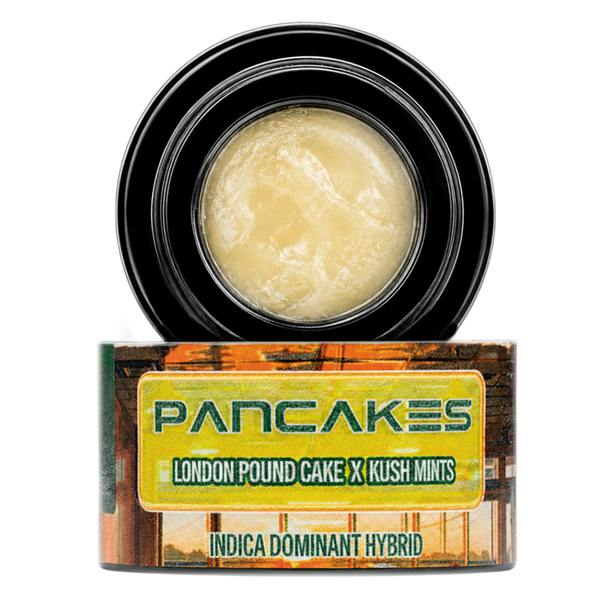
$99after tax

$99after tax
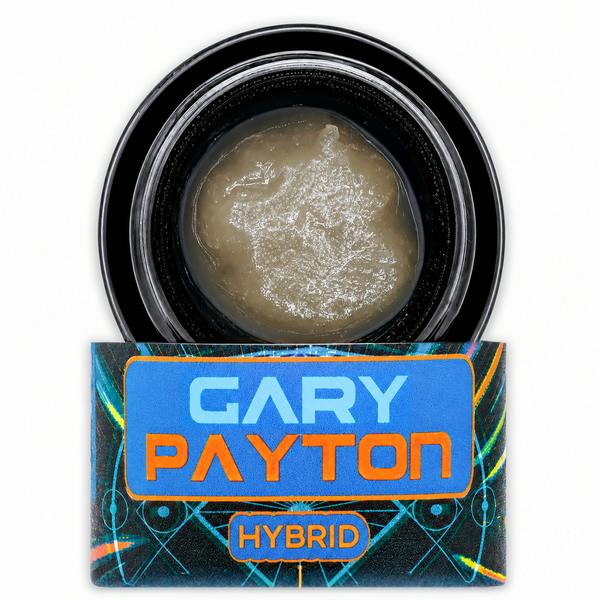
$93after tax
Rosin is a solventless cannabis concentrate produced by applying heat and pressure to flower, dry-sift hash, or bubble hash. No chemical solvents — such as butane, propane, or CO2 — are introduced at any point in the process. What remains is a pure oil containing cannabinoids, terpenes, and plant waxes. Other concentrates like live resin or distillate involve solvent extraction and sometimes post-processing that can alter the terpene profile. For Park Slope shoppers accustomed to scrutinizing ingredient lists, the transparency of the rosin process is a meaningful distinction.
Yes. New York's Marijuana Regulation and Taxation Act legalized adult-use cannabis for residents 21 and older, and licensed concentrates including rosin are fully legal to purchase, possess up to the applicable personal-use limits, and consume in private residences. Park Slope falls within Kings County and is fully covered by New York State adult-use licensing. Products purchased from a licensed retailer like ZenZest will carry compliant labeling including total THC content and batch traceability as required by the Office of Cannabis Management.
Flower rosin is pressed directly from dried and cured cannabis bud — the most straightforward process and generally the most affordable entry point. Hash rosin begins with a water-extracted or dry-sifted intermediate (bubble hash or dry sift), producing a purer oil with less plant material carried over. Live rosin starts with fresh-frozen flower — harvested and frozen before drying — which preserves volatile terpenes that would otherwise be lost during the cure. The result is typically the most aromatically expressive and texturally refined product in the rosin category, and it is priced accordingly.
Rosin is most commonly consumed using one of two approaches. A traditional dab rig — a water pipe fitted with a quartz banger heated by a torch — offers precise temperature control and excellent terpene expression when used correctly. For apartment living, where open-flame torches may feel inconvenient, an e-nail or a dedicated portable rosin vaporizer is a quieter and more controlled alternative. Standard wax pens can technically handle rosin but often run too hot, degrading the terpenes that make the format worth the investment. A quality portable device in the $80–$150 range is a reasonable companion purchase.
Rosin is sensitive to heat, light, and oxygen — all of which degrade both cannabinoids and terpenes over time. Short-term storage at room temperature in an airtight, non-stick silicone or glass container is acceptable for product you plan to use within one to two weeks. For longer storage, a refrigerator or a dedicated cool, dark drawer is preferable. If you are storing live rosin or a cold-cured badder specifically, consistent cool temperatures help maintain texture and slow terpene loss. Avoid leaving rosin near windows — direct sunlight, including the afternoon light common in south-facing Park Slope brownstone units, accelerates degradation.
For a calming, winding-down occasion, terpene profiles led by myrcene, linalool, and beta-caryophyllene tend to be most consistent with that intention. Myrcene — earthy, slightly musky — is associated with relaxed, body-forward effects. Linalool carries a floral quality reminiscent of lavender and is linked to a similarly settling character. Beta-caryophyllene, which interacts with the endocannabinoid system in a manner somewhat distinct from other terpenes, contributes a grounding, spice-tinged quality. Ask to see a COA at the dispensary or review terpene data online before purchasing.
Licensed rosin products in New York generally test between 65 and 85 percent total THC, though live rosin from particularly resinous cultivars can reach higher. Standard flower typically falls between 18 and 30 percent total THC. This concentration difference is significant and is why the standard guidance — begin with a very small amount and allow time before re-dosing — is especially relevant for consumers transitioning from flower to concentrates for the first time. The New York OCM requires total THC disclosure on all licensed products, so you can always verify potency before purchasing.
Yes. ZenZest Cannabis Dispensary offers free same-day delivery on orders over $100 to more than 80 New York ZIP codes, and Park Slope's 11215 ZIP code is among the eligible areas. Orders can be placed through ZenZest's online platform, where product details, terpene information, and format descriptions are available to review. Delivery is made to a private address by a licensed courier. All delivered products are packaged in compliant, sealed containers consistent with New York adult-use regulations.
Rosin can be an excellent next step for a flower consumer who is curious about concentrates, but it does require some adjustment in approach. The potency is meaningfully higher than flower, so beginning with a very small quantity — and resisting the impulse to re-dose quickly — is the most important practical consideration. From a sensory standpoint, the terpene expression in a quality live rosin is often striking for someone accustomed to flower; the flavor can read as more vivid and direct. If you are transitioning from pre-rolls specifically, consider visiting ZenZest in person so staff can help match a cultivar profile to what you already enjoy.
New York's OCM requires licensed concentrate labels to display the product name, net weight in grams, total THC and CBD by percentage and milligrams, harvest and extraction dates, a batch or lot number, and the name of the licensed processor. Some producers voluntarily include dominant terpenes and COA QR codes. The extraction date is particularly informative for rosin: fresher product will generally carry a livelier terpene profile. If the label lists the source cultivar by name, you can cross-reference that strain's known terpene characteristics to better anticipate the experience.
Pick your store
We'll show pricing, deals, and delivery zones for the store you pick. You can switch any time from the header.