
Nassau County · Rosin
Best Rosin in Oceanside, Nassau County
Oceanside, Nassau County's quietly confident South Shore community — where Long Beach Road meets the salt air drifting off the bay — has developed a discerning palate for solventless concentrates. Rosin, the pressure-and-heat extract that preserves terpene integrity without chemical processing, fits naturally into a neighborhood that values craft over flash and substance over spectacle.
About Rosin
Rosin occupies a singular position in the New York adult-use concentrate market. Unlike BHO or CO2 extracts, rosin is produced entirely without chemical solvents — cannabis flower, hash, or kief is subjected to controlled heat and hydraulic pressure, yielding a translucent, golden-to-amber oil that retains the plant's native terpene profile in remarkable fidelity. For consumers who care about what goes into their bodies and, equally, about what does not, rosin represents the cleanest expression of concentrate technology available on the licensed market today. New York's Office of Cannabis Management licenses rosin under the broader concentrate category, meaning every gram sold at a licensed adult-use dispensary has passed state-mandated testing for residual solvents, pesticides, heavy metals, and potency. The absence of solvents in rosin's production does not exempt it from this testing — it simply means compliant products consistently return non-detect results for solvent residuals, giving consumers one less variable to weigh. What remains front and center is the source material: the genetic quality of the starting flower or hash, and the skill of the processor. Live rosin, the premium tier, begins with freshly harvested, flash-frozen cannabis rather than cured material. This preservation method locks in volatile monoterpenes — the aromatic compounds most responsible for nuanced flavor — that would otherwise degrade during a conventional dry-and-cure cycle. The result is a product that tastes closer to the living plant than almost any other format. Cured rosin, pressed from dried flower or dry-sift hash, offers a slightly earthier, more rounded profile and often comes at a more accessible price point, making it the sensible entry into the category for curious shoppers. Format variety within rosin is broader than most newcomers expect. Badder, jam, sauce, and cold-cure variations differ in texture and terpene expression rather than in fundamental production method. Understanding these distinctions — rather than simply chasing the highest THC percentage — is what separates a satisfying concentrate purchase from a disappointing one.
Rosin for Oceanside shoppers
Oceanside is not a neighborhood that announces itself loudly. Situated just north of Long Beach along the barrier island's back bays, the 11572 ZIP code is home to year-round residents who know the difference between a tourist season attraction and a genuine local institution. Atlantic Avenue's low-rise commercial corridor, the steady Sunrise Highway traffic, and the proximity to the Lawrence border all speak to a community oriented around familiar rhythms — commuter schedules, weekend boat launches, after-work decompression — rather than nightlife novelty. That rhythm maps cleanly onto how Oceanside residents tend to approach cannabis concentrates. The commute into the city via the Long Island Rail Road's Long Beach Branch, or the drive along the Loop Parkway toward the barrier island's beach access, creates natural transition points in the day where a deliberate, measured concentrate session fits comfortably. Rosin's fast onset relative to flower — and the precision it affords when used with a quality dab rig or a portable electronic device — appeals to adults who want an efficient, well-defined experience rather than an open-ended one. Seasonal considerations matter along the South Shore. Oceanside winters are damp and brisk, with ocean wind making outdoor sessions less practical from November through March. The cold-cure rosin badder format, which many users find easier to manipulate at cooler ambient temperatures than thin sauces, becomes a practical consideration for the colder months. Summer weekends, by contrast, bring extended gatherings near the water's edge, where a discreet portable dab pen loaded with rosin cartridge or a small e-rig tucked into a beach bag suits the occasion without the combustion and smoke that an open-air setting makes awkward.
What to look for
Shopping for rosin in Nassau County's licensed market begins with understanding source material transparency. A quality producer will disclose the strain — or at minimum the cultivar family — used in pressing, and ideally will specify whether the input was fresh-frozen or cured. Live rosin commands a premium because the terpene retention genuinely differs; if flavor and full-spectrum experience are your priorities, that premium is justified. If potency efficiency at a more accessible price point matters more, a well-pressed cured rosin from a respected New York processor delivers excellent value. Terpene awareness is particularly important in the rosin category because the aroma and flavor are not augmented with added terpenes — what you smell in the jar is what the plant produced. Myrcene-forward profiles tend toward sedating, body-oriented effects appropriate for evening unwinding after a long South Shore commute. Limonene and pinene expression, common in sativa-leaning cultivars, offers a brighter, more alert character that some users prefer for weekend mornings before a beach walk along the Long Beach shoreline. Caryophyllene, with its peppery warmth, appears frequently in OG and Cookies-lineage rosins and tends to balance the intensity of higher-potency material. THC concentrations in quality rosin typically range from the mid-60s to the low 80s on a percentage basis — meaningfully higher than flower. Adults new to concentrates are well-served by starting with a very small amount, allowing adequate time to assess effects before considering more. The "start low, go slow" principle is not a marketing disclaimer here; it is practical guidance that experienced concentrate users universally endorse. Format trade-offs worth noting: cold-cure badder is the most forgiving texture to work with in variable temperatures, hash rosin sauce offers the most expressive terpene profile, and rosin cartridges sacrifice some terpene nuance but provide the most discreet, portable delivery format available in the category.
Why ZenZest for rosin in Oceanside
For Oceanside residents shopping within Nassau County's adult-use market, ZenZest Cannabis Dispensary's Queens location at 272-06 Union Tpke, Bellerose, NY 11004 sits approximately 8.0 miles from the 11572 ZIP code — a straightforward drive north through the Cross Island Parkway corridor. ZenZest's curated concentrate selection emphasizes New York State-licensed, lab-tested rosin from producers whose sourcing and process documentation meet the dispensary's editorial standards. The retail environment is unhurried and knowledgeable, suited to shoppers who come with questions and expect considered answers rather than a transactional checkout experience. For those who prefer not to make the drive, ZenZest offers free same-day delivery on orders exceeding one hundred dollars to more than eighty New York ZIP codes, with Oceanside's 11572 among the eligible destinations. Orders placed through the ZenZest platform are fulfilled from licensed inventory with the same chain-of-custody compliance as in-store purchases. For a South Shore neighborhood where time and convenience carry real weight, same-day delivery of a premium rosin order — arriving before the evening wind off the bay picks up — is a service that fits Oceanside's pace precisely.
ZenZest Queens · 272-06 Union Tpke, Bellerose, NY 11004 · 8 miles from Oceanside.
Live rosin for Oceanside
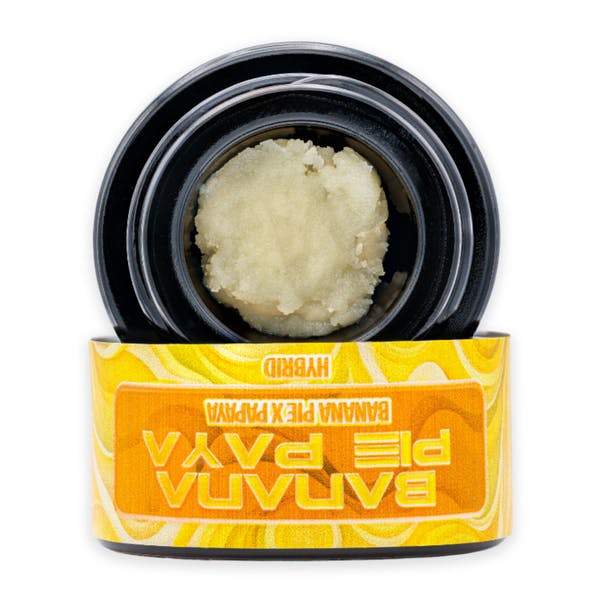
Full rosin menu →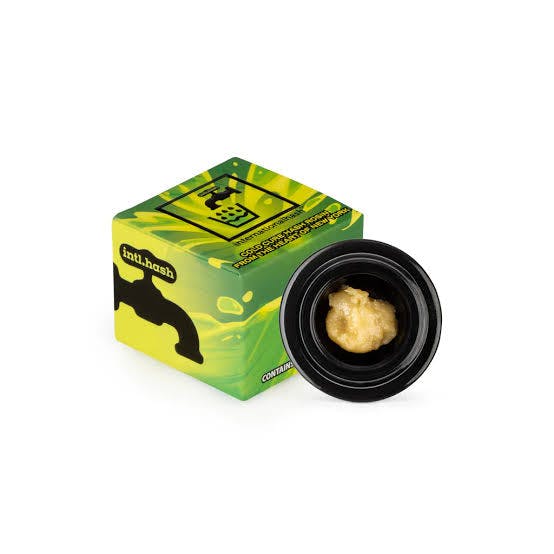
THC 75.73%Hybrid
INTERNATIONAL HASHInternational Hash | Cold Cure Hash Rosin | Grapefruit Hybrid · 1g
$66.37
$75after tax
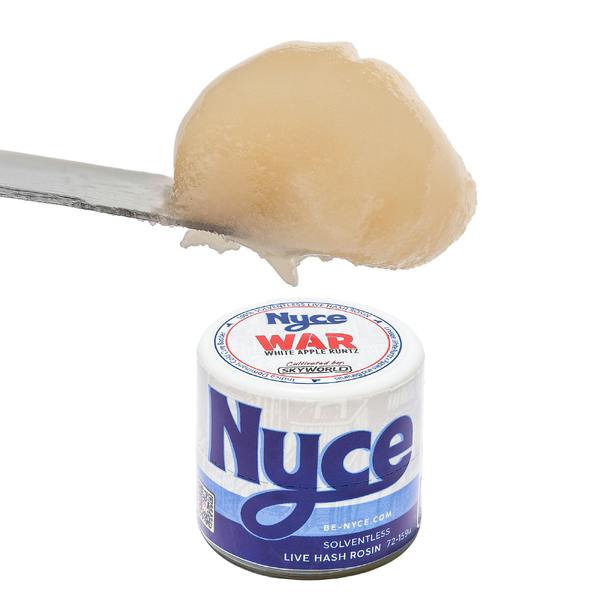
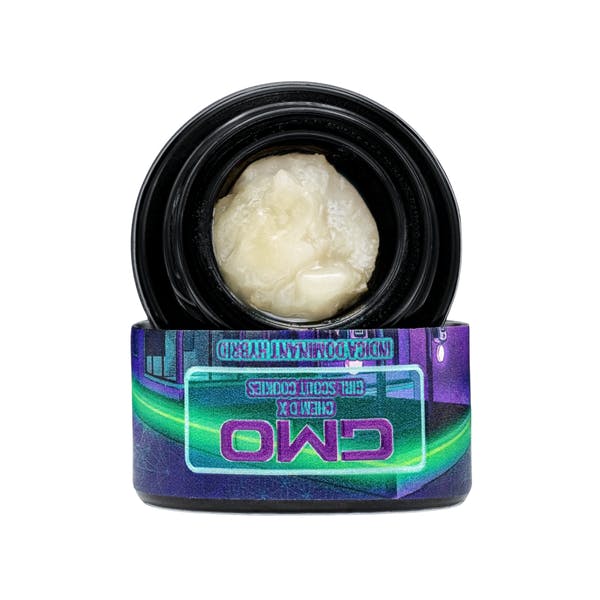
THC 77.52%Hybrid
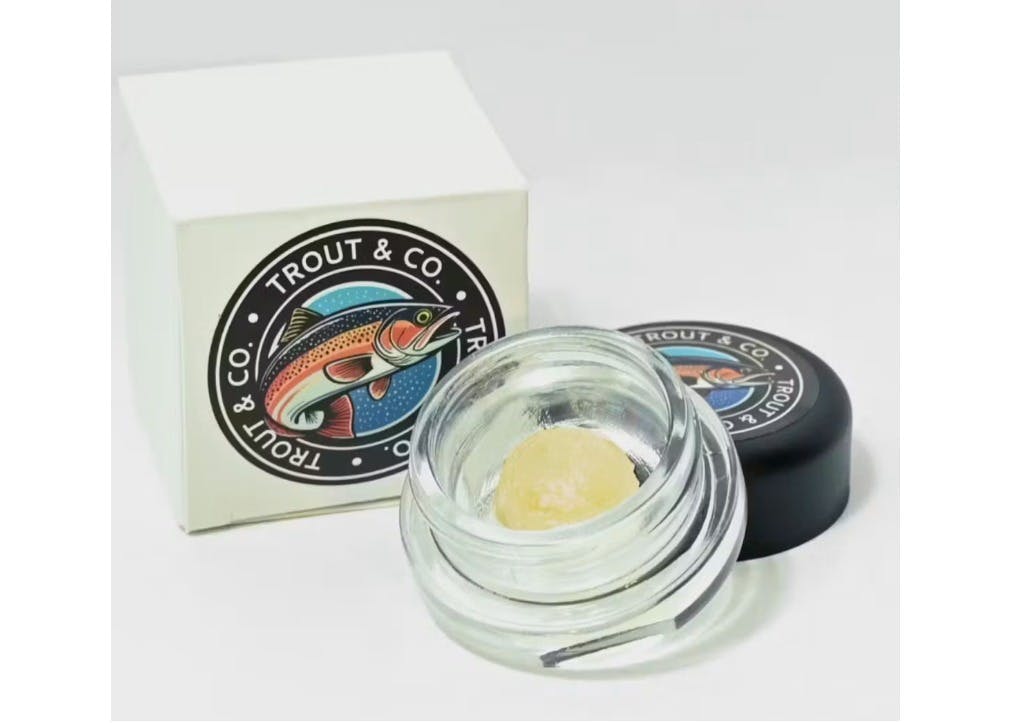
Trout & Co.Trout & Co. | Super Funk | Live Rosin Private Reserve · 1g
$88.50
$100after tax
Rosin in Oceanside — answers
What makes rosin different from other concentrates available at Nassau County dispensaries?+
Rosin is the only major concentrate category produced without chemical solvents. Heat and pressure are applied to cannabis material — flower, bubble hash, or dry-sift — and the resulting oil is mechanically separated from plant matter. Every other mainstream concentrate type, including live resin and distillate, uses a hydrocarbon or CO2 solvent at some stage. For shoppers in Oceanside and across Nassau County who prioritize ingredient transparency, that distinction is the defining one.
Is live rosin worth the higher price compared to cured rosin for someone in Oceanside?+
It depends on what you are optimizing for. Live rosin, pressed from flash-frozen fresh cannabis, retains volatile monoterpenes that degrade during conventional curing. The flavor difference is real and noticeable to most palates. For an Oceanside resident who treats concentrate sessions as a deliberate sensory experience — the way one might approach a well-sourced bottle of wine — the price differential is easy to justify. For shoppers primarily focused on potency efficiency, cured rosin delivers very comparable THC concentrations at a lower cost per gram.
What terpene profiles tend to pair well with South Shore evenings in Oceanside?+
The damp, salt-tinged air and the general decompression rhythm of an Oceanside evening tends to complement myrcene-dominant rosins — typically pressed from indica or indica-leaning cultivars — which support a settled, body-relaxed quality. Caryophyllene-forward profiles, common in OG Kush and Cookies-lineage strains, add a warm, grounding character that many South Shore residents find appropriate for post-commute unwinding. This is general guidance; individual responses to terpene profiles vary, and exploration within the category is part of the process.
How should I store rosin purchased from a licensed dispensary in the 11572 area?+
Rosin is sensitive to heat, light, and oxidation. The standard recommendation is airtight glass or silicone storage in a cool, dark environment — a drawer or cabinet away from direct sunlight. Refrigeration is appropriate for longer-term storage of unopened product, particularly during Oceanside's warmer summer months when ambient temperatures in cars and bags can degrade terpene quality quickly. Allow refrigerated rosin to return to room temperature before opening to avoid condensation forming on the product.
What consumption formats are available for rosin at New York licensed dispensaries?+
New York-licensed dispensaries carry rosin in several formats. Traditional dab-ready concentrates — badder, jam, cold-cure, and sauce — require a dab rig or electronic dab device. Rosin cartridges, which pair rosin-derived oil with a 510-thread or proprietary battery system, offer a portable, lower-barrier entry point. Some processors also produce rosin-infused pre-rolls and edibles, though the terpene distinction is less perceptible in those formats than in concentrate-forward delivery methods.
Can I get rosin delivered to my home in Oceanside, NY 11572?+
Yes. ZenZest Cannabis Dispensary offers free same-day delivery on orders over one hundred dollars to more than eighty New York ZIP codes, and Oceanside's 11572 is among the eligible delivery destinations. Delivery is fulfilled from licensed, lab-tested inventory with full compliance documentation. Adult-use delivery requires the recipient to be twenty-one or older and to present valid government-issued identification upon receipt, consistent with New York State adult-use regulations.
What THC potency range should I expect from rosin, and how does that compare to flower?+
Quality rosin sold through New York licensed dispensaries typically tests between the mid-60s and low 80s in THC percentage, compared to the 18-30 percent range common in premium flower. This meaningful difference in concentration is why the start-low, go-slow principle is particularly important for adults transitioning from flower to concentrates. A very small amount of rosin — less than what most newcomers would intuitively reach for — is the appropriate starting point, with adequate time allowed to assess effects.
Is there a difference between hash rosin and flower rosin, and which should an Oceanside shopper consider first?+
Hash rosin begins with bubble hash — a water-and-ice-separated trichome concentrate — rather than whole flower. Because the starting material is already a trichome-dense intermediate, hash rosin typically delivers superior terpene expression and a cleaner flavor profile than flower rosin at equivalent price points. Flower rosin is more accessible in price and widely available. For a first-time rosin purchase, flower rosin from a well-regarded New York cultivar is a sensible introduction. Hash rosin, particularly full-melt-grade product, represents the category's premium ceiling.
How does Oceanside's climate affect the rosin I purchase and bring home?+
Nassau County's South Shore humidity and temperature swings are worth factoring into purchasing decisions. In summer, rosin in a hot car degrades rapidly — plan to bring the product directly home and into appropriate storage. In winter, cold-cure badder and similar thicker textures become stiffer and easier to work with than thin sauces, which can become difficult to handle cleanly in low temperatures. Purchasing with seasonal format preference in mind, rather than simply defaulting to whatever is on sale, produces a consistently better experience.
Are all rosins sold at New York dispensaries tested for safety?+
Yes. New York State's Office of Cannabis Management mandates comprehensive laboratory testing for all adult-use cannabis products sold through licensed dispensaries, including concentrates. Rosin must pass testing for residual solvents, pesticides, heavy metals, microbial contaminants, and potency before reaching retail shelves. Rosin's solventless production means compliant products reliably return non-detect results for solvent residuals, but the full testing panel applies regardless. Certificates of analysis from state-approved labs are part of the compliance documentation for every licensed product.