
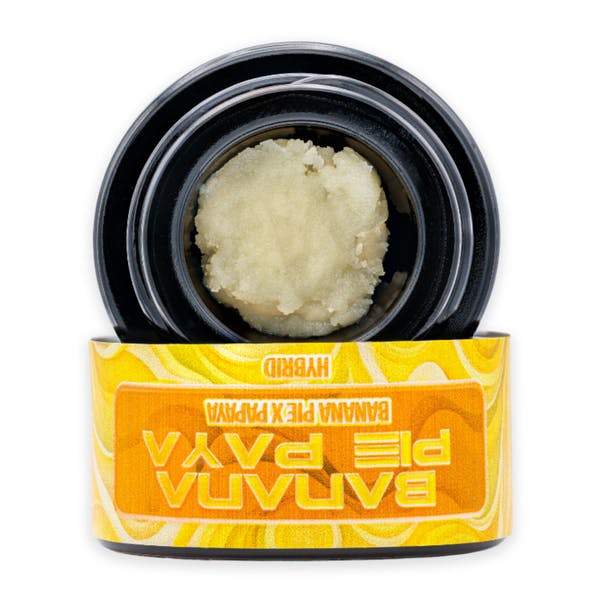
Queens · Rosin
Best Rosin in Oakland Gardens, Queens
Oakland Gardens, tucked between the quiet green corridors of Alley Pond Park and the unhurried stretches of Springfield Boulevard, has quietly become one of Queens' most discerning residential pockets. For adults 21 and older who appreciate craft cannabis without compromise, solventless rosin represents the category's most refined expression — and it is increasingly well represented across licensed New York dispensaries serving ZIP code 11364.
About Rosin
Rosin occupies a singular position in the licensed New York cannabis market. Unlike hydrocarbon or CO2 concentrates, rosin is produced exclusively through the application of heat and pressure — no chemical solvents enter the process at any point. The result is a full-spectrum extract that preserves the plant's original terpene profile with a fidelity that most other concentrate formats simply cannot match. For consumers who think carefully about what they put into their bodies, that distinction carries real weight. New York's Office of Cannabis Management licenses a growing roster of cultivators and processors who have invested in solventless production infrastructure, meaning the rosin available through compliant dispensaries in Queens County today is a meaningful step forward from what the legacy market ever offered. Batch-tested products arrive with documented cannabinoid percentages, verified terpene panels, and residual-solvent reports that confirm zero solvent presence — a transparency that benefits every informed buyer. Within the concentrate category, rosin takes several forms. Fresh-press rosin is extracted from recently harvested, uncured flower and typically presents with a softer, more malleable consistency and a notably bright terpene expression. Cured rosin, made from dried and cured input material, tends toward a slightly firmer texture and a profile that reads as more classically floral or earthy depending on cultivar. Hash rosin — pressed from ice-water-extracted bubble hash — is considered the premium tier, offering exceptional purity and a flavor clarity that enthusiasts often describe as the closest analog to consuming the living plant. For shoppers navigating New York's licensed retail landscape, rosin's traceability is a meaningful selling point. Every licensed product in New York carries a certificate of analysis, and solventless extracts from reputable processors consistently demonstrate the kind of terpene retention that justifies their position at the higher end of the concentrate price spectrum. The category rewards patience, palate, and a willingness to start at lower quantities while learning which cultivars and formats suit individual preferences.
Rosin for Oakland Gardens shoppers
Oakland Gardens carries the unhurried tempo of a neighborhood that has largely resisted the pressures reshaping other corners of Queens. The streets fanning off Springfield Boulevard and Cloverdale Boulevard are lined with brick colonials and mature trees, and the proximity to Alley Pond Park — one of the largest remaining natural areas in New York City — gives the neighborhood a genuinely outdoor-oriented identity. Many residents are long-term, career-stable adults who approach leisure with the same intentionality they bring to work, and that disposition translates naturally into an appreciation for craft cannabis formats like rosin. The seasonal rhythm here is worth noting. Winters in 11364 are properly cold, and the enclosed, low-odor nature of rosin consumed via a quality dab rig or portable electronic vaporizer makes it particularly well suited to indoor settings during the months when Alley Pond Park's trails become less inviting. Come spring and summer, residents who enjoy the park's kayak launch at Alley Pond or an evening walk along the Oakland Lake loop may find that a small quantity of rosin used responsibly at home beforehand pairs well with the neighborhood's slower outdoor pace. The commuter profile of Oakland Gardens is also relevant. Many residents travel into Manhattan or deeper into Queens via the Q30 and Q31 buses or maintain car-dependent schedules, meaning their cannabis consumption tends to be a deliberate, end-of-day or weekend ritual rather than an impulsive purchase. Rosin suits that lifestyle precisely: it is a format that rewards planning, proper equipment, and an unhurried setting — all of which describe the Oakland Gardens experience at its best.
What to look for
Evaluating rosin begins with the terpene panel. For solventless extracts, the most expressive profiles tend to be dominated by myrcene, caryophyllene, limonene, or terpinolene, each of which shapes the character of the experience in a distinct direction. Myrcene-forward rosins often present with earthy, almost herbal depth and are frequently associated with a more physically settling quality. Limonene-dominant expressions skew brighter and more citrus-forward. Caryophyllene adds a subtly spiced, woodsy edge. Shoppers who have a sense of which terpene families they respond to well should treat the terpene panel as a primary selection criterion — arguably more so than THC percentage alone. On the subject of THC potency, licensed rosin in New York commonly ranges from the mid-60 percent to the low-80 percent range for hash rosin, with cured and fresh-press formats sometimes sitting slightly lower. These are meaningfully higher concentrations than flower, and the standard guidance for any new or infrequent concentrate consumer is to start with a very small amount — a portion roughly the size of a grain of rice is a reasonable starting point — and allow adequate time before considering any additional quantity. Format trade-offs matter too: a portable electronic dab device offers temperature control and discretion, while a traditional quartz-banger setup on a water rig delivers full flavor but requires more deliberate preparation. For Oakland Gardens residents specifically, consider how the product will be stored between sessions. Rosin is sensitive to heat and light degradation, so a cool, dark environment — a cabinet away from any south-facing window — preserves terpene integrity between uses. Given the neighborhood's warm summer humidity, airtight silicone or glass containers are preferable to paper or loosely sealed packaging. Buying quantities sized for realistic consumption within a few weeks, rather than stockpiling, keeps every session at its most flavorful.
Why ZenZest for rosin in Oakland Gardens
ZenZest Cannabis Dispensary's Queens location at 272-06 Union Tpke in Bellerose sits approximately 2.6 miles from the heart of Oakland Gardens — a straightforward drive east on Union Turnpike or a manageable trip via Springfield Boulevard for those who prefer to avoid the expressway. The store carries a curated selection of licensed New York rosin from vetted processors, and the staff can walk shoppers through batch-specific terpene panels and consistency differences between fresh-press, cured, and hash rosin formats without pressure or rush. For residents who prefer to shop from home, ZenZest offers free same-day delivery on orders over $100, with service extending across more than 80 New York ZIP codes — including 11364. That means a carefully chosen rosin alongside any supporting accessories or complementary products can arrive at a Springfield Boulevard or Cloverdale Boulevard address the same day the order is placed. For a neighborhood that values convenience without sacrificing quality, it is a delivery program that aligns well with how Oakland Gardens residents already approach their day.
ZenZest Queens · 272-06 Union Tpke, Bellerose, NY 11004 · 2.6 miles from Oakland Gardens.
Live rosin for Oakland Gardens
Full rosin menu →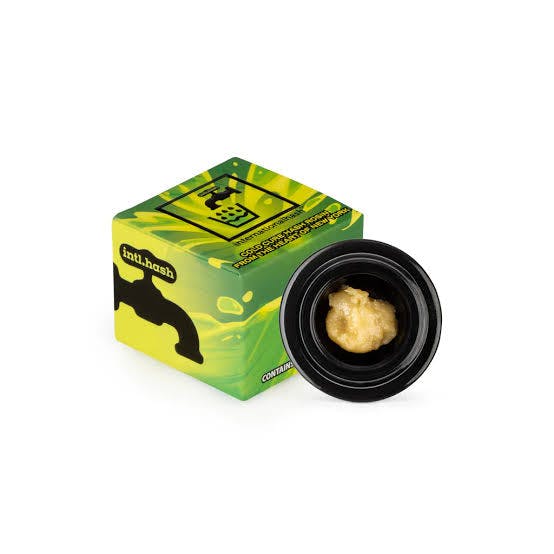
THC 75.73%Hybrid
INTERNATIONAL HASHInternational Hash | Cold Cure Hash Rosin | Grapefruit Hybrid · 1g
$66.37
$75after tax
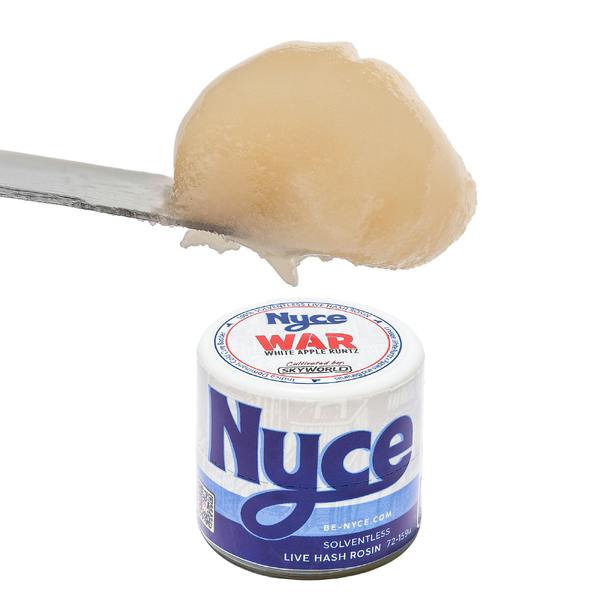
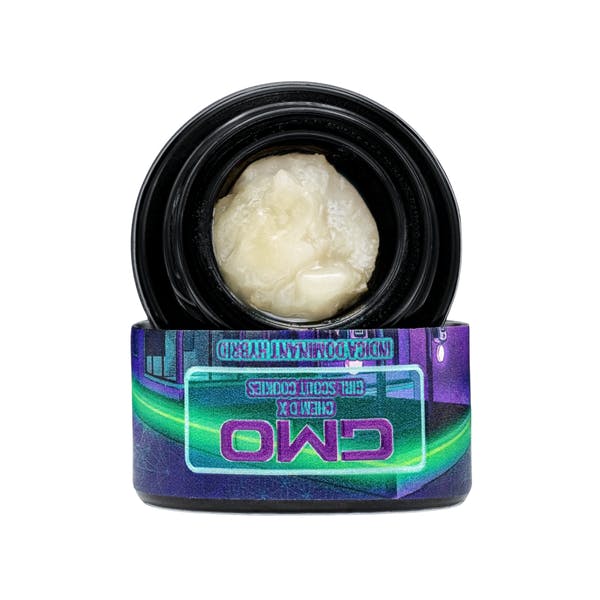
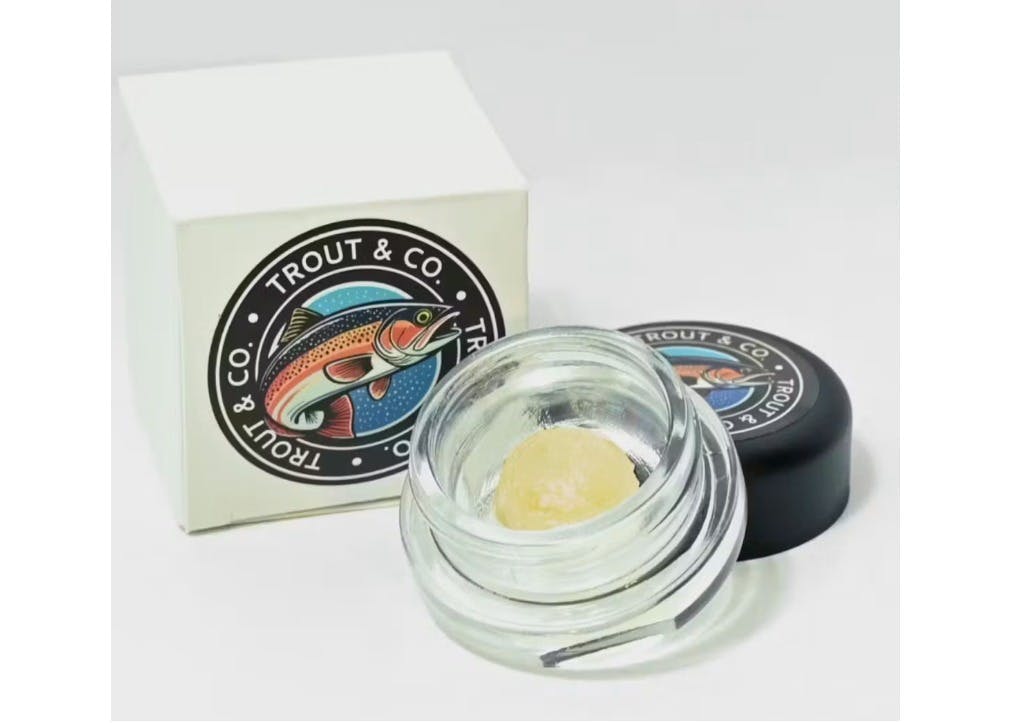
THC 77.52%Hybrid
Trout & Co.Trout & Co. | Super Funk | Live Rosin Private Reserve · 1g
$88.50
$100after tax
Rosin in Oakland Gardens — answers
What makes rosin different from other concentrates available at licensed New York dispensaries?+
Rosin is produced entirely through heat and pressure, with no chemical solvents involved at any stage of extraction. This distinguishes it from butane hash oil, CO2 extracts, and distillate, all of which require solvent processing. The solventless process preserves the plant's original terpene and cannabinoid ratios more faithfully, resulting in a product whose flavor and character more closely reflects the source cultivar. For Oakland Gardens shoppers who prioritize transparency, rosin's certificate of analysis will consistently show no detectable residual solvents.
Is hash rosin noticeably different from cured-flower rosin in terms of what to expect?+
Yes, meaningfully so. Hash rosin begins with bubble hash — a water-ice extraction of trichome heads — pressed a second time to yield rosin. Because the input material is already highly refined, hash rosin typically delivers a cleaner, more precise terpene expression and a lighter, more translucent appearance. Cured-flower rosin is more accessible in price and still offers a full-spectrum profile, but hash rosin is widely regarded as the premium tier for consumers who want maximum flavor clarity and the smoothest possible experience from solventless concentrates.
How should rosin be stored at home in Oakland Gardens, given the neighborhood's seasonal humidity?+
Rosin is sensitive to both heat and moisture, which makes proper storage especially relevant during Queens' humid summers. An airtight glass or medical-grade silicone container kept in a cool, shaded cabinet — away from any direct light or appliance heat — is the most reliable approach. Refrigeration is possible for longer-term storage but requires the product to return fully to room temperature before opening to prevent condensation from forming on the extract. Purchasing quantities sized for a few weeks of use ensures freshness without the need for extended storage.
What tools do I need to consume rosin properly, and where can I learn before making any equipment purchases?+
At minimum, consuming rosin requires either a dab rig with a quartz banger and a torch, or a portable electronic vaporizer designed specifically for concentrates. Electronic devices offer temperature control, which protects terpene expression and allows lower-temperature use that many consumers find preferable. The staff at ZenZest Queens on Union Turnpike can discuss format options without obligation and help first-time concentrate buyers understand what setup makes sense for their living situation and consumption frequency before any purchase is made.
What THC percentage range is typical for licensed rosin products in New York?+
Licensed rosin products available through compliant New York dispensaries generally test between the upper-50-percent and low-80-percent THC range, depending on whether the format is cured-flower rosin or hash rosin. These figures are substantially higher than flower, which typically tests between 18 and 30 percent. New and infrequent concentrate consumers should treat any rosin as significantly more potent per unit volume than flower and apply a genuinely conservative approach: a very small initial amount, with adequate time elapsed before any reassessment of quantity.
Are there rosin formats better suited to Oakland Gardens residents who commute and want a lower-maintenance routine?+
For residents with demanding commute schedules — common in this part of Queens given the Q30 and Q31 bus dependency and suburban car culture — a portable electronic dab device offers the most practical approach. These devices require minimal setup, maintain consistent temperature settings between sessions, and are designed for home use without the open-flame component of a traditional torch setup. Rosin stored properly at home and used with a portable device fits naturally into an end-of-day ritual without requiring elaborate preparation or dedicated time during busier weekday schedules.
Which terpenes should I prioritize if I am new to rosin and unsure where to start?+
For rosin newcomers, starting with a caryophyllene-forward or myrcene-forward cultivar tends to offer a familiar, grounded profile that many consumers find accessible. Caryophyllene contributes a mild spiced or peppery quality and has been studied for its interaction with the body's endocannabinoid system, though no specific therapeutic claims can be made. Myrcene delivers earthy, almost herbal depth. Both terpene families are common in New York-licensed rosin selections and represent a reasonable entry point before exploring brighter limonene or more complex terpinolene-dominant options.
Does ZenZest deliver rosin to Oakland Gardens addresses in ZIP code 11364?+
Yes. ZenZest Cannabis Dispensary offers free same-day delivery on orders over $100, and ZIP code 11364 falls within the more than 80 New York ZIP codes covered by that delivery program. Residents on streets throughout Oakland Gardens — whether closer to Alley Pond Park or along the Springfield Boulevard and Cloverdale Boulevard corridors — can place an order through ZenZest and receive licensed rosin and any accompanying products the same day without a trip to the Bellerose store on Union Turnpike.
How do I read a certificate of analysis for rosin, and what should I look for?+
A certificate of analysis for licensed New York rosin will typically include a cannabinoid panel listing THC, CBD, and minor cannabinoid percentages, a terpene panel identifying the dominant aromatic compounds and their concentrations, a residual solvent screen (which should show non-detected results for a true solventless product), and a microbial safety screen. The terpene panel and the total THC figure are the most practically useful sections for a consumer making a selection. The residual solvent section confirming non-detection is the signature quality marker for genuine rosin versus other concentrate categories.
Is rosin an appropriate category for adults who are returning to cannabis after a long break?+
Rosin can be appropriate for returning adult consumers, but concentration levels require genuine caution. Adults resuming cannabis use after an extended absence will have significantly reduced tolerance, and a concentrate testing at 70 percent or higher THC is a very different experience than the flower products many returning consumers remember. The universally recommended approach — often summarized as 'start low, go slow' — applies with particular emphasis here. Beginning with a fraction of even a modest serving and waiting a full 15 to 30 minutes before any reassessment is strongly advised for anyone reintroducing cannabis after a break.