On sale· 20% OFF
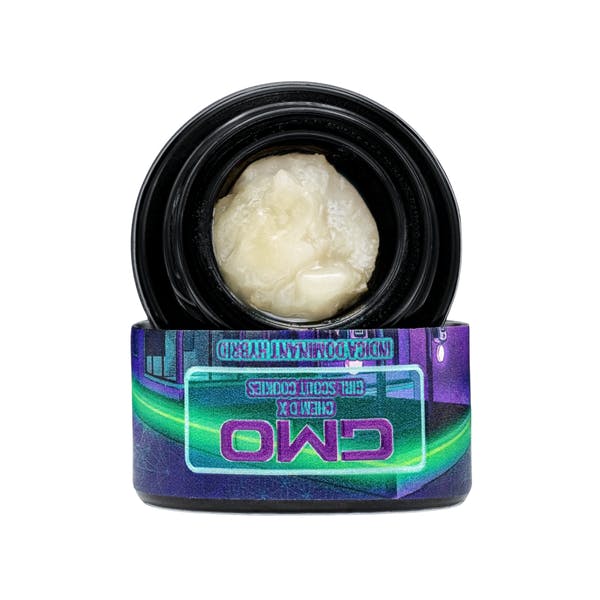
THC 70.7%Indica-Hybrid
UmamiiUmamii | Live Rosin Jar | GMO · 2g
$80.00$100.00
$93after tax

weeddispensarynearme.com
You must be 21 years or older to enter. By entering, you confirm you’re of legal age in your state to purchase cannabis.
For use only by adults 21+ • Keep out of reach of children
Nolita's Prince Street galleries and Elizabeth Street boutiques have long attracted a discerning crowd that refuses to settle for the ordinary. That same curatorial instinct extends to cannabis, where solventless rosin has become the concentrate of choice for adults who value purity, provenance, and a pressing process that lets the plant speak entirely for itself.
About Rosin
Rosin is a solventless cannabis concentrate produced through the precise application of heat and pressure — no butane, no CO2, no post-processing solvents of any kind. The result is a full-spectrum extract that preserves the terpene profile of the source material with a faithfulness that solvent-based concentrates rarely achieve. In New York's licensed adult-use market, rosin arrives in several distinct forms: flower rosin, pressed from cured or fresh-frozen whole flower; hash rosin, refined from ice-water bubble hash for a markedly cleaner and more aromatic final product; and live rosin, made from fresh-frozen plant material that captures the plant's terpene signature at peak vitality. Texture is one of rosin's most expressive qualities and an important signal of quality. Depending on post-press handling — temperature, agitation, and rest time — rosin can present as a golden sap, a whipped badder, a crumbled sugar, or a firm, glistening pressed puck. Each texture has its adherents, and none is inherently superior; what matters is that the appearance is consistent, the color ranges from pale gold to amber (darker hues suggest either older starting material or higher pressing temperatures), and the aroma is vivid and immediate upon opening the jar. New York's Office of Cannabis Management licenses cultivators and processors whose products must pass state-mandated testing for potency, residual solvents, pesticides, heavy metals, and microbial contaminants before reaching retail shelves. For rosin — which by definition contains no residual solvents — the testing protocol still applies across all other safety categories, giving consumers meaningful assurance. When you purchase rosin from a licensed New York dispensary, a scannable QR code on the packaging links directly to that batch's certificate of analysis, a transparency standard that the legacy market has never approached.
Rosin for Nolita shoppers
Nolita — the compact, fiercely stylish pocket of Manhattan bounded by Houston to the north, Canal to the south, Lafayette to the west, and the Bowery to the east — is perhaps the city's most unabashedly aesthetic neighborhood. The ZIP codes 10012 and 10013 overlap here in a grid of narrow streets where independent ceramicists share blocks with cult fragrance shops and chef-driven trattorie. The residents and visitors who populate Elizabeth Street on a Saturday afternoon are, broadly speaking, people who read ingredient labels, buy single-origin coffee, and appreciate the difference between a product made well and one merely made. Rosin fits that sensibility with precision. The Nolita lifestyle also shapes how people actually consume. Loft apartments and walk-ups along Mott Street are common, meaning indoor sessions with a desktop dab rig or an e-rig are practical and preferred. Noise and odor consciousness matter in close-quarters buildings, and rosin — consumed via a controlled, odor-contained dabbing setup — produces less ambient smoke than flower. For those who walk to the Spring Street subway station and commute into Midtown, the compact packaging of a half-gram or gram rosin jar occupies minimal space and carries no loose material. Weekend wanderers who drift through the Prince Street corridor toward SoHo galleries appreciate a concentrate that pairs with a slow, intentional afternoon rather than demanding constant re-engagement. Seasonality matters here, too. Nolita's cobblestone side streets get brutally cold from December through February, and indoor evening occasions expand during those months. Rosin's versatility — a small amount goes a long way — suits the neighborhood's measured, quality-over-quantity ethos across every season.
What to look for
Selecting a rosin in a licensed New York dispensary begins with understanding the hierarchy of starting material. Flower rosin is the most accessible price point; hash rosin commands a premium because producing quality bubble hash first requires an additional labor- and cold-intensive extraction step. Live rosin sits at the apex for aroma and flavor because the fresh-frozen source material retains volatile terpenes that begin to degrade the moment a plant is cut and dried. For the Nolita shopper accustomed to paying for genuine craft — whether in espresso or leather goods — the price differential of hash rosin or live rosin over a solvent-based distillate cartridge reflects real upstream labor and input quality. Terpene profiles deserve serious attention. Myrcene-forward rosins tend to deliver earthier, more physically relaxing sessions and are common in indica-leaning cultivars. Limonene and pinene express citrus and piney brightness and are well-represented in sativa-leaning and hybrid plants. Caryophyllene adds a subtle peppery complexity and is noted for its interaction with the body's endocannabinoid system independent of THC. Ask your budtender to open the jar if permitted: a rosin with a genuinely expressive, complex aroma is almost always a better product than one that smells flat or sharp. THC percentages in rosin typically range from the upper fifties to the low eighties by weight, substantially higher than flower. The standard guidance for adults new to concentrates — start low, go slow — is especially relevant here. A seasoned flower consumer encountering rosin for the first time should begin with a rice-grain-sized amount, assess after fifteen to thirty minutes, and adjust only across subsequent sessions. For Nolita residents who value control and intentionality, rosin's concentration actually enables precision: a very small, measured amount can produce a focused, clear-headed experience that a full-smoked bowl cannot replicate with the same consistency.
Why ZenZest for rosin in Nolita
ZenZest Cannabis Dispensary serves Nolita shoppers primarily through its Staten Island location at 2343 Forest Ave, Staten Island, NY 10303 — approximately 10.7 miles from the neighborhood's core along Elizabeth and Mott Streets. The store carries a rotating roster of New York-licensed rosin products across price tiers, from accessible flower-press rosins to small-batch live hash rosins from state craft cultivators. Budtenders are trained to walk customers through certificates of analysis, terpene breakdowns, and texture differences so that every purchase reflects an informed decision rather than a guessing game. For Nolita residents who would rather spend a Sunday afternoon at a Prince Street gallery than make the trip to Forest Avenue, ZenZest offers free same-day delivery on orders over $100 to more than 80 eligible New York ZIP codes — including 10012 and 10013. Rosin travels well in sealed, child-resistant packaging, and same-day delivery means your jar arrives at peak freshness without any intermediate storage uncertainty. Browse the current menu online, confirm your ZIP code eligibility at checkout, and your order is on its way.
ZenZest Staten Island · 2343 Forest Ave, Staten Island, NY 10303 · 10.7 miles from Nolita.
$93after tax
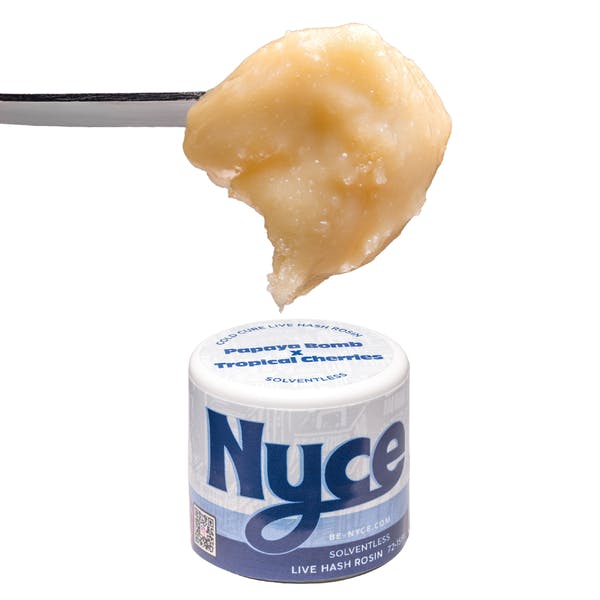
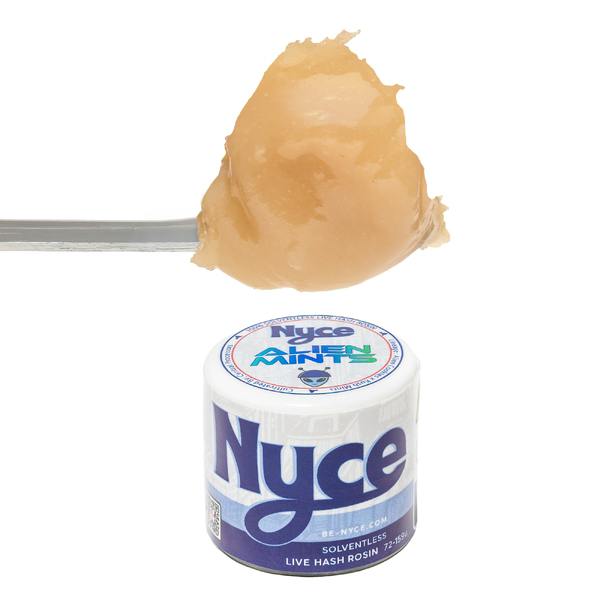
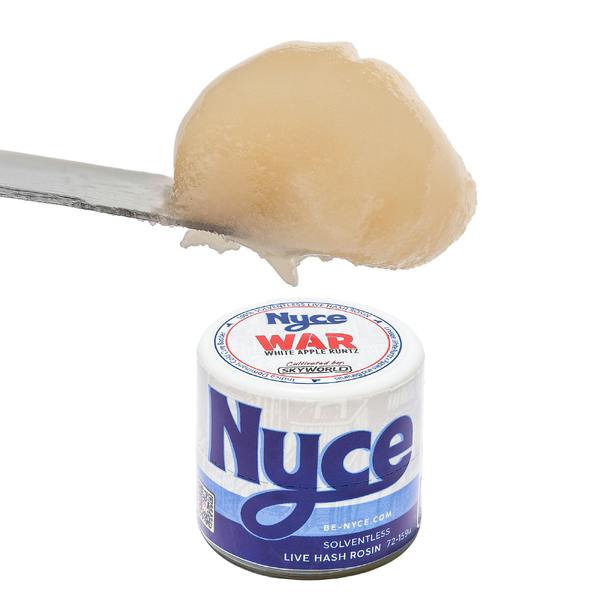
Rosin is extracted using only heat and pressure — no chemical solvents such as butane, propane, or ethanol are introduced at any stage. The practical result is a concentrate with no residual solvent risk and a terpene profile that reflects the actual plant rather than one altered by chemical interaction. For the Nolita consumer who scrutinizes ingredient labels on everything from skincare to olive oil, solventless production is a meaningful transparency marker, not a marketing buzzword.
Lower-priced rosin is typically pressed directly from dried and cured flower. Hash rosin starts with an intermediate step: the trichome heads are separated from the plant using ice water and fine mesh bags — a process called bubble hash extraction — and then that refined concentrate is pressed. Because you are pressing a much more terpene-dense, resin-rich starting material, hash rosin is generally lighter in color, richer in aroma, and more nuanced in effect. The extra labor and cold-water processing account for the price premium.
Licensed dispensaries and their staff can offer general guidance, though precise medical or usage advice is outside their scope. Most experienced consumers and equipment manufacturers suggest that lower-temperature dabs — sometimes called 'low-temp' or 'cold-start' dabs — preserve volatile terpenes better and produce smoother vapor than high-heat approaches. A budtender at ZenZest can point you toward educational resources, but start low, go slow is the foundational principle regardless of temperature setting.
Rosin consumed via an e-rig or a small electronic dab device produces a vapor cloud that dissipates more quickly and leaves less residual odor than combusted flower. For residents of the walk-ups and loft conversions common along Mott and Elizabeth Streets, where neighboring units are in close proximity, this can be a practical consideration. A very small amount of rosin also produces effects that most flower consumers find substantive, which means fewer total sessions per evening.
Terpenes associated with more alert, clear-headed experiences in anecdotal consumer reports include limonene, which presents as citrus and bright; alpha-pinene, which carries a fresh, resinous quality; and ocimene, which tends toward sweet and herbaceous. These are common in sativa-leaning and many hybrid cultivars. Ask to see the terpene breakdown on the certificate of analysis — a licensed New York rosin product should have this data available — and look for total terpene percentages above one percent as a general indicator of aromatic richness.
Rosin is sensitive to heat, light, and air exposure, all of which degrade terpenes and alter texture over time. The ideal storage is a cool, dark location — a refrigerator works well for longer-term storage, though allowing the jar to return to room temperature before opening prevents unwanted condensation inside the container. The child-resistant, sealed packaging required by New York state licensing provides a reasonable short-term barrier, but for anything you plan to keep longer than two to three weeks, cold storage is advisable.
Both 10012 and 10013 are among the more than 80 New York ZIP codes eligible for ZenZest's free same-day delivery program. Orders totaling over $100 qualify for complimentary delivery. You can verify eligibility by entering your ZIP at checkout on the ZenZest website. Rosin ships in its original, sealed, child-resistant packaging, and delivery is restricted to adults 21 and older who can present valid identification at the door.
Texture in rosin is primarily a function of post-press handling: temperature during pressing, whether the extract was agitated or whipped, and how long it rested before jarring. A whipped badder has a creamy consistency that many consumers find easy to portion with a dab tool. A sugar texture indicates some nucleation of cannabinoid crystals, which can concentrate THC slightly in one phase and terpenes in another. A sap or sauce is minimally processed and often the most aromatic. None is inherently superior; it is largely a matter of handling preference.
Yes. New York's Conditional Adult-Use Retail Dispensary framework and the broader OCM licensing structure have begun to allow cultivators — including smaller craft operations upstate in regions such as the Hudson Valley and the Finger Lakes — to bring locally grown, licensed cannabis into the extract supply chain. Ask your budtender specifically about New York-origin rosin; availability rotates seasonally, and small batches tend to sell through quickly. ZenZest's staff can advise on what is currently in stock from in-state producers.
Rosin commands a higher price than most solvent-based concentrates because the yield per pound of input material is lower, the process requires skilled labor and specialized equipment, and the starting material — particularly for live or hash rosin — is costly in its own right. Whether that premium is justified depends on what you are optimizing for. If purity of process, full-spectrum terpene fidelity, and the assurance of zero residual solvents matter to you — as they tend to matter to the quality-conscious shoppers who gravitate toward Nolita's independent retail culture — the price differential reflects genuine upstream value.
Pick your store
We'll show pricing, deals, and delivery zones for the store you pick. You can switch any time from the header.