On sale· 20% OFF
THC 70.7%Indica-Hybrid
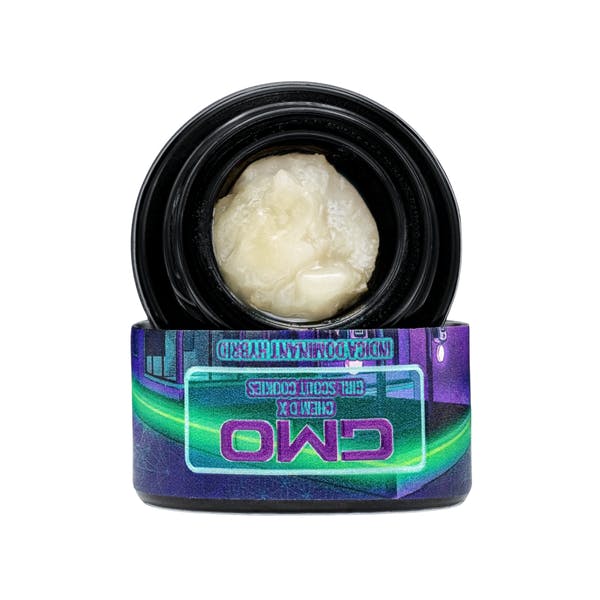
UmamiiUmamii | Live Rosin Jar | GMO · 2g
$80.00$100.00
$93after tax

weeddispensarynearme.com
You must be 21 years or older to enter. By entering, you confirm you’re of legal age in your state to purchase cannabis.
For use only by adults 21+ • Keep out of reach of children
Murray Hill's measured pace — Park Avenue co-ops, the quiet grid east of Lexington, the after-work exhale along Third Avenue — deserves a concentrate that matches its standard. Rosin, pressed without solvents and licensed through New York's adult-use framework, has become the category of choice for discerning shoppers in ZIP codes 10016 and 10017 who want full-spectrum potency with nothing added and nothing hidden.
About Rosin
Rosin occupies a singular position in the New York licensed cannabis market. Unlike hydrocarbon or CO₂ extracts, rosin is produced entirely through heat and pressure — no chemical solvents enter the process, which means the finished product carries the plant's original terpene and cannabinoid profile with minimal interference. The result is a concentrate that tastes unmistakably like the cultivar it came from, a quality that seasoned consumers increasingly seek out as New York's adult-use retail infrastructure matures. New York State's Office of Cannabis Management licenses rosin producers under the same rigorous testing requirements applied to every other adult-use product. Pesticide residue panels, heavy-metals screening, and potency verification are mandatory before any batch reaches retail shelves. For a category defined by its purity proposition, that regulatory framework is more than bureaucratic formality — it is a guarantee that what appears on the label reflects what is inside the jar. Within the broader concentrates landscape, rosin is available in several textures: fresh-press, which is pliable and expressive immediately after production; cured rosin, which develops a badder or sugar consistency over time and often carries a more complex terpene evolution; and live rosin, derived from fresh-frozen flower that has never been dried, preserving volatile aromatics that standard curing would diminish. Each format rewards a slightly different approach to handling and temperature, and New York's licensed dispensaries now carry enough variety across these sub-categories that educated shoppers can meaningfully compare. Potency in licensed rosin typically ranges from the mid-60s to the low 80s in total THC percentage, though live rosin from premium cultivars can reach higher. First-time concentrate users should apply the standard guidance: start with a very small amount, allow adequate time to assess effects before redosing, and recognize that concentrate onset differs from flower.
Rosin for Murray Hill shoppers
Murray Hill is one of Manhattan's most quietly residential midtown neighborhoods, bookended by the energy of Kips Bay to the south and the corporate architecture of Park Avenue to the west. The population skews professional — finance, healthcare, and the institutions clustered around the medical corridor near First Avenue — and the daily rhythm reflects that: structured mornings, demanding workdays, and evenings where decompression is genuinely earned rather than merely habitual. Rosin fits naturally into that lifestyle because it rewards intentionality. You measure carefully, you use a dedicated device, and the experience is proportionate to the care you invest. Third Avenue through the high 30s carries a particular evening character: the post-work crowd thinning by nine, the kind of neighborhood where people know their dry-cleaner by name and choose their grocery store deliberately. Shoppers in 10016 and 10017 who arrive at a rosin purchase have usually already moved through flower and vapes; they are looking for something that performs at a higher level without the chemical aftertaste that can accompany some solvent-based extracts. The solventless story resonates here in the same way that provenance resonates at the wine shops along Lexington — the process matters as much as the outcome. The commute dimension is also relevant. Murray Hill residents who use the 6 train at 33rd Street or the crosstown buses along 34th know the value of a product that can be used precisely and put away cleanly. A small jar of rosin in a protective silicone container travels without concern, and a single modest session at home delivers results that a half-smoked pre-roll cannot replicate with the same efficiency.
What to look for
Evaluating rosin begins with understanding what the terpene profile tells you before you ever open the jar. Myrcene-forward rosins — earthy, slightly fruity, often associated with indica-leaning cultivars — tend to produce heavier, more sedative effects, which may suit late-evening use after a long day on Park Avenue. Limonene and pinene are common in sativa-leaning or hybrid cultivars and carry brighter, more cerebral qualities; these terpenes also contribute the citrus and pine aromatics that make certain live rosins genuinely aromatic before you even load a device. Caryophyllene, which appears frequently in rosin pressed from OG and Cookies-lineage cultivars, brings a peppery warmth and is often associated with a more balanced body response. Texture and consistency are practical indicators of quality and freshness. A live rosin that has been properly cold-cured will hold a smooth, glossy badder or a slightly grainy sugar consistency. If a rosin appears unusually dark, oily, or has separated significantly, it may have experienced temperature fluctuation during storage — a consideration worth raising with dispensary staff. The color range for well-made rosin runs from pale gold through amber; deeper browns are not automatically problematic but warrant attention to the cultivar and the press conditions. For Murray Hill shoppers deciding between formats, the trade-off is essentially freshness versus depth. Fresh-press rosin delivers the most immediate terpene expression and is best consumed relatively quickly. Live rosin commands a premium but justifies it for those who appreciate the additional aromatic complexity. Cured rosin sits in a practical middle ground — developed flavor, stable texture, and a price point that makes regular use sustainable. Whatever the format, total THC percentage alone is an incomplete metric; look for the full cannabinoid and terpene panel on the label, which licensed New York products are required to provide.
Why ZenZest for rosin in Murray Hill
ZenZest Cannabis Dispensary serves Murray Hill and the broader Midtown East corridor through its Staten Island location at 2343 Forest Avenue, Staten Island, NY 10303 — approximately 12.6 miles from the neighborhood's center. The distance is bridged by ZenZest's same-day delivery program, which reaches more than 80 ZIP codes across New York, including 10016 and 10017. Orders above $100 qualify for free same-day delivery, making it practical to explore rosin across multiple textures and cultivars without a separate trip for each. The ZenZest catalog is curated with the same editorial discipline that the category demands — licensed products, verified potency and terpene data, and staff who can speak to the differences between a fresh-press and a live rosin with the specificity that Murray Hill's professional clientele expects. For a neighborhood where attention to quality and provenance is a baseline assumption rather than a differentiating factor, ZenZest's approach to sourcing and transparency makes it a natural fit for the rosin category in ZIP codes 10016 and 10017.
ZenZest Staten Island · 2343 Forest Ave, Staten Island, NY 10303 · 12.6 miles from Murray Hill.
$93after tax
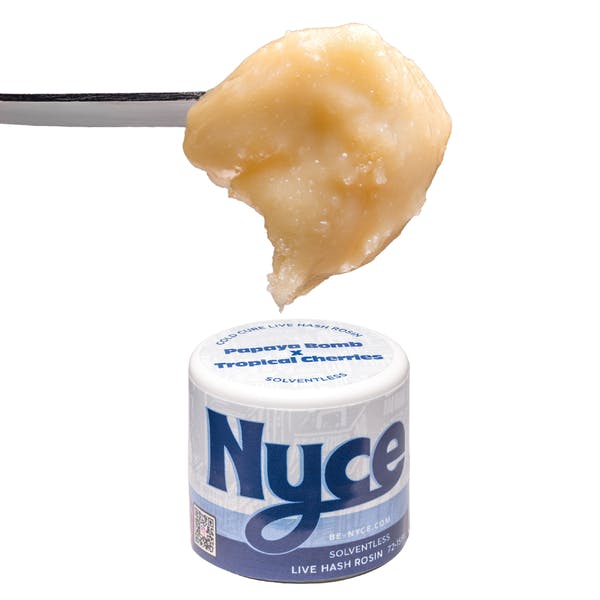
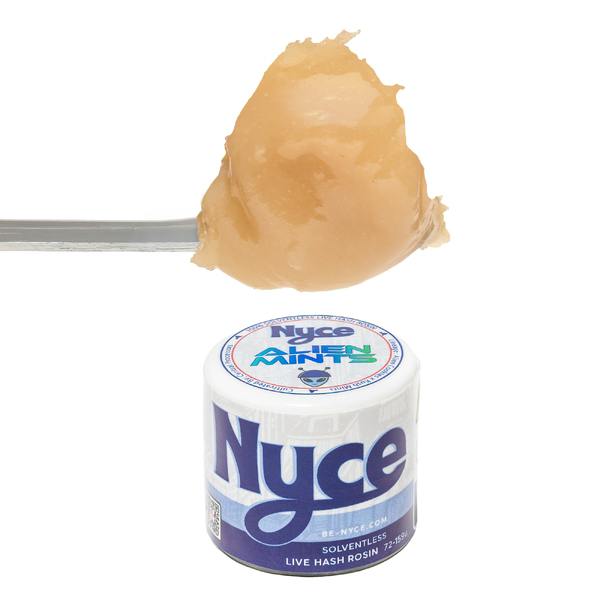
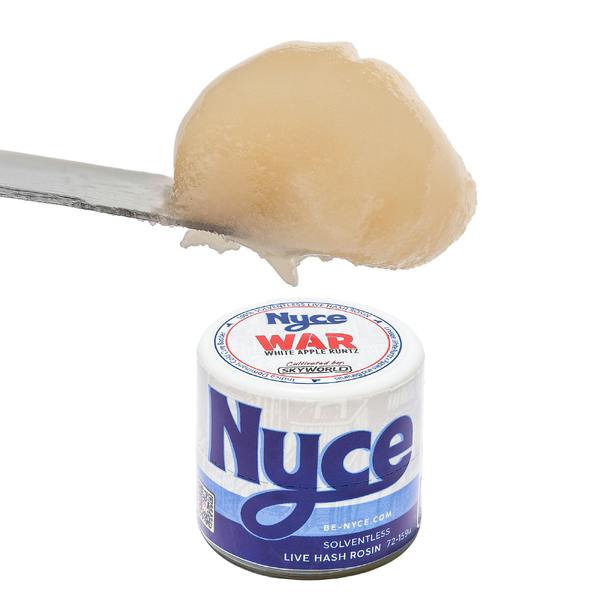
Rosin is produced exclusively through applied heat and pressure, with no chemical solvents involved at any stage of production. Every other major concentrate category — wax, shatter, distillate, live resin — relies on hydrocarbon, ethanol, or CO₂ extraction at some point. The solventless distinction matters for Murray Hill shoppers who prioritize transparency in what they consume, because the finished rosin carries only what the original plant contained, minus unwanted plant waxes removed through cold-filtration techniques.
Live rosin is pressed from fresh-frozen cannabis that was never dried or cured, which preserves a broader range of volatile terpenes that would otherwise dissipate during post-harvest processing. The aromatic complexity is measurably different, and for consumers in 10016 and 10017 who approach cannabis the way they approach single-origin coffee or small-production wine, the premium reflects a genuine qualitative distinction. For more casual or regular use, well-made cured rosin delivers exceptional value without the price gap.
The most common method is a dab rig or an electronic dab device, sometimes called an e-rig or e-nail. Electronic devices offer precise temperature control, which matters significantly for rosin — lower temperatures, generally in the 450 to 550 degrees Fahrenheit range, preserve terpene expression; higher temperatures produce larger vapor clouds but can char the terpenes that define the product's character. A small silicone or glass container and a dab tool are also necessary for handling the material cleanly.
Rosin is sensitive to heat and light, two variables that can be challenging to control in a Park Avenue or Third Avenue apartment with significant sun exposure. Store rosin in a sealed, airtight container — ideally glass or food-grade silicone — in a cool, dark location such as a drawer or cabinet away from any appliances that generate heat. For medium-term storage beyond two weeks, a refrigerator is appropriate; for longer periods, a freezer works well, though the rosin should return fully to room temperature before opening to prevent condensation.
For evening decompression, myrcene-dominant rosins are the most commonly cited choice — the terpene appears at high concentrations in cultivars like Granddaddy Purple and OG Kush lineages and is frequently associated with relaxing, body-centered effects. Linalool, a floral terpene also found in lavender, appears in certain rosins and is similarly associated with calming qualities. New York licensed products are required to disclose terpene data, so shoppers can verify the profile before purchasing rather than relying on cultivar names alone.
Yes. ZenZest Cannabis Dispensary's same-day delivery program covers more than 80 New York ZIP codes, including 10016 and 10017. Orders over $100 qualify for free same-day delivery. Because rosin jars are typically priced in a range that makes a $100 threshold achievable with a single or double purchase, the delivery option is genuinely practical for Murray Hill residents rather than an aspirational minimum.
Licensed New York rosin typically falls in the 65 to 80 percent total THC range, compared to the 20 to 30 percent range common in premium flower. That gap is significant. Anyone approaching concentrates for the first time — regardless of their comfort level with flower — should start with an amount roughly the size of a grain of rice, allow a full fifteen to twenty minutes to assess effects before considering more, and recognize that the experience will be more immediate and more pronounced than what they associate with smoked or vaporized flower.
Hash rosin begins with an intermediate step: fresh-frozen cannabis is washed in ice water to separate trichome heads from plant material, producing ice water hash or bubble hash. That hash is then pressed under heat and pressure to produce rosin. The additional refinement step removes more plant lipids and chlorophyll than a direct flower press, typically resulting in a lighter color, a cleaner flavor, and a purer terpene expression. Hash rosin is generally positioned at the premium end of the rosin market for this reason.
Yes. The Office of Cannabis Management mandates comprehensive testing for all adult-use cannabis products sold through licensed dispensaries in New York, including concentrates. Required testing panels cover pesticide residues, heavy metals, residual solvents (to confirm no contamination in solventless products), microbial contaminants, and potency. A certificate of analysis reflecting these results must be available for any product on a licensed retailer's shelf, and consumers are entitled to request it.
Anecdotally, the professional demographic concentrated in Murray Hill's 10016 and 10017 ZIP codes — accustomed to making considered purchases and reading labels carefully — tends to gravitate toward live rosin and hash rosin when budget allows, and toward well-documented hybrid cultivars when selecting cured rosin for regular use. The preference for flavor complexity over raw potency is common among experienced concentrate consumers in urban professional neighborhoods, and the available product range in New York's licensed market increasingly reflects that demand.
Pick your store
We'll show pricing, deals, and delivery zones for the store you pick. You can switch any time from the header.