
Bronx · Rosin
Best Rosin in Morris Park, Bronx
Morris Park, tucked into the northeastern Bronx along the institutional corridors of White Plains Road and the research-minded blocks near Albert Einstein College of Medicine, has cultivated a quietly discerning residential character. For adults 21 and older who appreciate craft and transparency in their cannabis purchases, solventless rosin has emerged as the category worth knowing — and this guide navigates every nuance of it.
About Rosin
Rosin occupies a singular position in the licensed New York cannabis market. Unlike hydrocarbon or CO2 extracts, rosin is produced entirely without chemical solvents — heat and hydraulic pressure are the only tools required to coax resin from cannabis flower, hash, or dry-sift kief. The result is a full-spectrum concentrate that preserves the plant's original terpene profile with remarkable fidelity, delivering what connoisseurs often describe as the most honest representation of a given cultivar. Within New York's adult-use framework, all licensed dispensaries are required to source products from state-licensed processors, meaning the rosin available in regulated retail channels has passed testing for residual solvents, pesticides, heavy metals, and potency. That third-party verification matters for a category where authenticity is the entire value proposition — you are purchasing the product precisely because no solvents were introduced, and a compliant certificate of analysis confirms that claim. Rosin comes in several distinct textures and consistencies depending on how the extracted resin is handled after pressing. Fresh-press rosin retains soft, sauce-like characteristics and a pronounced aromatic intensity. Rosin that is cured — meaning it rests at controlled temperatures over days or weeks — may develop a badder, sugar, or wax texture with a subtler but layered scent profile. Live rosin, pressed from fresh-frozen cannabis rather than dried and cured flower, represents the premium tier of the category, capturing volatile terpenes that are typically lost during the drying process. For New York consumers new to concentrates, the general guidance of starting low and going slow applies with particular weight here. Potency levels in licensed rosin products frequently range from the mid-50s to the upper 70s in total cannabinoids, a significant step above even high-potency flower. Understanding that gradient before purchasing is the foundation of a satisfying experience.
Rosin for Morris Park shoppers
Morris Park is a neighborhood shaped by a particular kind of purposeful daily life. The presence of Albert Einstein College of Medicine and the broader Jacobi and Montefiore medical campuses nearby means a meaningful portion of residents work long, intellectually demanding shifts — nurses, researchers, administrative staff, and graduate students who often finish their days on the 5 train at Morris Park station or driving south along White Plains Road toward the quiet residential blocks branching off Morris Park Avenue. For this community, a cannabis purchase is rarely an impulse — it is a considered choice. Rosin suits that temperament well. Because no extraction machinery or chemical processes are involved beyond heat and pressure, the product narrative is straightforward and verifiable, which tends to resonate with residents who are professionally accustomed to reading labels and scrutinizing sourcing. The solventless story is not merely marketing; it is a process distinction with measurable implications for what ends up in the final product. Seasonally, the northeastern Bronx experiences genuine winters, with temperatures along White Plains Road regularly dropping well below freezing between December and February. Rosin stored at room temperature in the 10461 ZIP code during those months will firm up, making a silicone dab tool and a gentle warming of the jar useful practices. Conversely, Morris Park summers — humid and warm — require that rosin be kept away from direct sunlight and preferably refrigerated if not consumed within a few weeks. Knowing how temperature affects texture and terpene stability helps local shoppers protect the quality of what they have purchased.
What to look for
When evaluating a rosin at a licensed New York retailer, the certificate of analysis is the first document to request or look up via the producer's batch number. Confirm that the test reports residual solvents as non-detected — this is what distinguishes a genuine solventless product from a mislabeled or improperly categorized one. Beyond that baseline, look at the terpene report. Myrcene, caryophyllene, limonene, and terpinolene are among the most commonly dominant terpenes in rosin pressed from popular New York cultivars, and each contributes meaningfully to the experiential character of the concentrate. A rosin heavy in myrcene and caryophyllene will read as earthy and grounding; one led by limonene and ocimene tends toward brightness and uplift. THC potency in licensed rosin typically sits between 55 and 80 percent total active cannabinoids, with the remainder comprising minor cannabinoids, terpenes, and waxes. That range is wide, and the number alone does not tell the full story — a 62 percent live rosin with a rich terpene panel will often feel more complex and satisfying than a 78 percent product stripped of aromatic complexity by aggressive post-processing. Prioritize terpene retention over headline THC figures. For Morris Park residents who commute on the 5 or 6 lines, or who work structured shifts at nearby medical institutions, format matters as much as potency. Rosin packaged in small, well-sealed glass jars — typically one gram or half-gram — is the standard at licensed NY retailers. If portability is a priority, rosin cartridges filled with solventless oil exist in the market, though purists note that the vaporization process in cartridge hardware can diminish some of the terpene complexity that makes fresh-press rosin distinctive. For home use in a quiet Morris Park apartment after a long shift, a dedicated dab rig or a quality electronic vaporizer designed for concentrates will deliver the category's full range of flavor and effect.
Why ZenZest for rosin in Morris Park
ZenZest Cannabis Dispensary operates two New York licensed retail locations, and for Morris Park residents in the 10461 ZIP code, the nearest is ZenZest Queens at 272-06 Union Tpke, Bellerose, NY 11004 — approximately 10.6 miles from the neighborhood. The Queens store's inventory spans the full spectrum of licensed New York cannabis products, with the rosin selection drawing from state-licensed processors who prioritize solventless technique and batch transparency. Staff are prepared to walk customers through certificates of analysis and terpene profiles rather than defaulting to potency figures alone. For residents who prefer not to make the trip across borough lines, ZenZest offers free same-day delivery on orders over $100 to more than 80 eligible ZIP codes across New York — and 10461 qualifies. Orders can be placed and fulfilled on a timeline that suits the demanding schedules common in Morris Park, whether that means an early-morning window before a hospital shift or an evening delivery to a quiet block off Morris Park Avenue. The combination of a staffed retail location and a reliable delivery program means that access to licensed, tested rosin is genuinely convenient for this corner of the Bronx.
ZenZest Queens · 272-06 Union Tpke, Bellerose, NY 11004 · 10.6 miles from Morris Park.
Live rosin for Morris Park
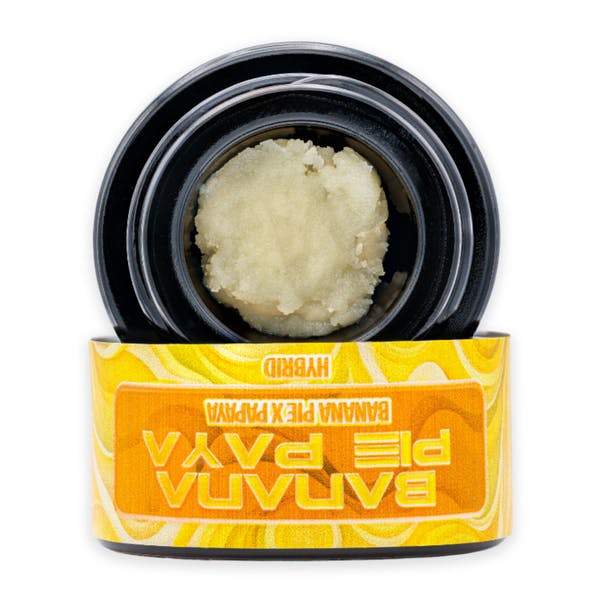
Full rosin menu →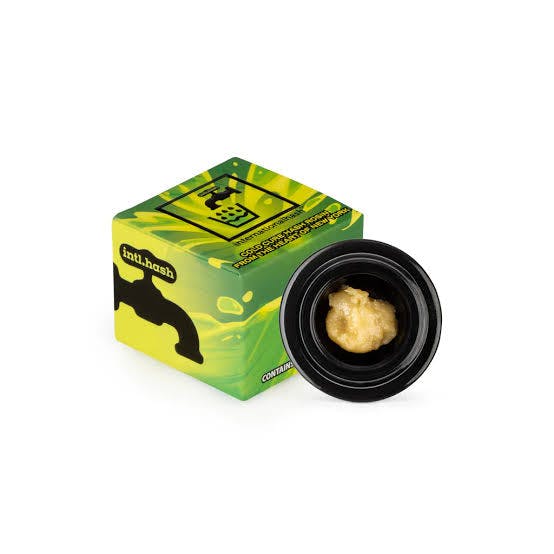
THC 75.73%Hybrid
INTERNATIONAL HASHInternational Hash | Cold Cure Hash Rosin | Grapefruit Hybrid · 1g
$66.37
$75after tax
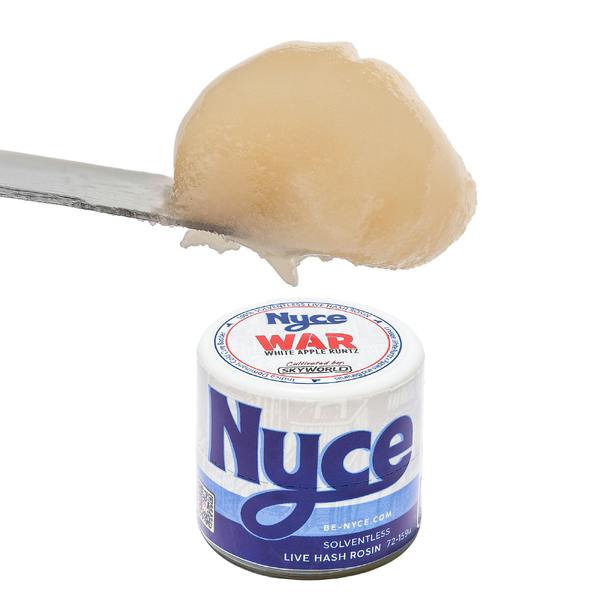
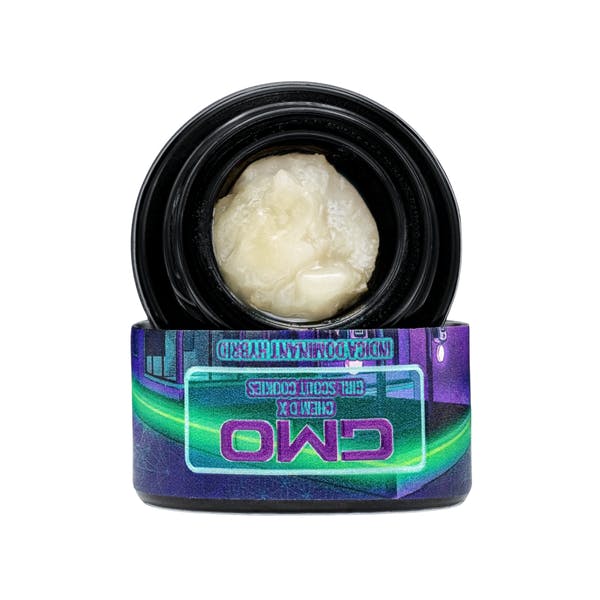
THC 77.52%Hybrid
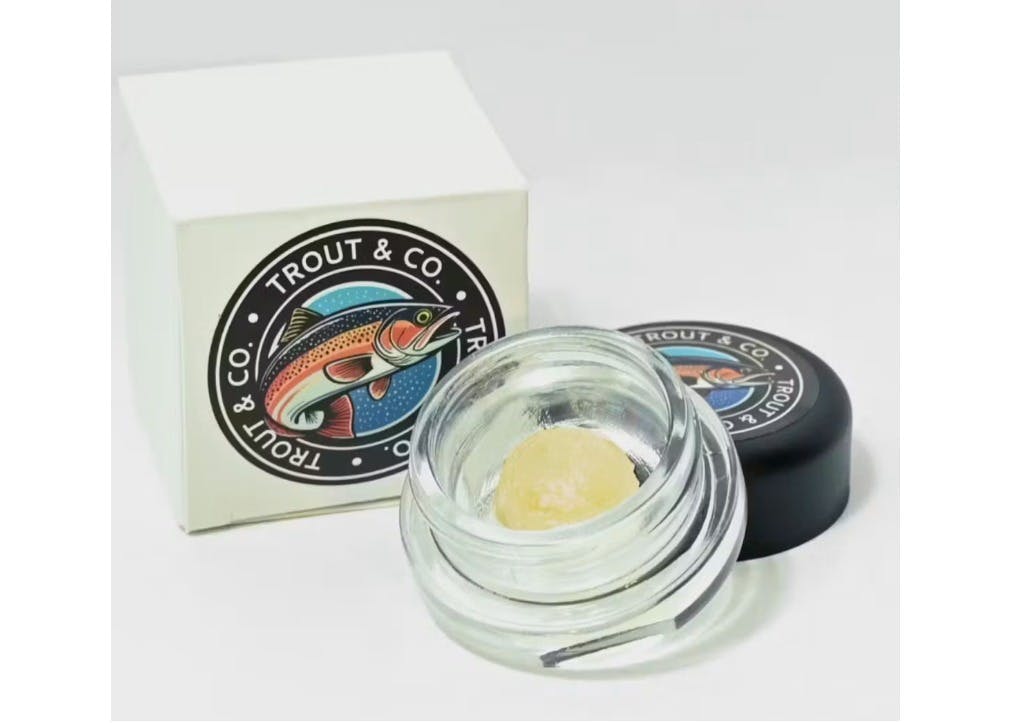
Trout & Co.Trout & Co. | Super Funk | Live Rosin Private Reserve · 1g
$88.50
$100after tax
Rosin in Morris Park — answers
What makes rosin different from other concentrates available at licensed New York dispensaries?+
Rosin is the only major concentrate category produced without chemical solvents. Heat and pressure are applied to cannabis material — flower, hash, or kief — to extract resin mechanically. All other common concentrate categories, including shatter, wax, and live resin, use hydrocarbon gases or CO2 as part of the extraction process. For Morris Park shoppers who value product simplicity and verifiable solventless production, that distinction is the core reason to choose rosin over other formats on a licensed New York dispensary menu.
How should I store rosin purchased from a licensed dispensary in the 10461 ZIP code?+
Morris Park's climate presents both winter cold and summer humidity as storage challenges. In warm months, rosin should be kept in an airtight glass container away from direct sunlight — a cool drawer or a refrigerator is ideal for preserving terpene integrity. During the colder months, rosin will firm considerably, so allow a refrigerated jar to come gradually to room temperature before attempting to use it. Avoid repeated freeze-thaw cycles, which can degrade the terpene panel over time.
What terpenes should I look for when selecting a rosin at a licensed New York retailer?+
Terpene preference is personal, but a few benchmarks help new rosin buyers. Myrcene and caryophyllene together tend to produce earthy, relaxing profiles. Limonene dominant products lean citrus and bright. Terpinolene appears often in sativa-leaning cultivars and reads as floral and piney. Linalool contributes a soft floral character. Because licensed NY processors are required to provide batch-level terpene data, asking for the certificate of analysis at any licensed retail location — including ZenZest Queens — gives you concrete numbers to compare before purchasing.
Is live rosin worth the price premium compared to standard fresh-press rosin?+
Live rosin is pressed from cannabis that was frozen immediately after harvest rather than dried and cured. That process preserves volatile terpenes — particularly monoterpenes like limonene and myrcene — that begin to degrade within hours of harvest under normal conditions. The result is a more aromatically intense and often more complex product. Whether that difference justifies the price gap depends on how much value a buyer places on terpene fidelity. For residents near Albert Einstein College of Medicine who appreciate data-supported quality claims, the side-by-side terpene percentages on a COA make the comparison concrete.
What consumption hardware works best with rosin for a home user in Morris Park?+
A quartz-banger dab rig operated at low-to-medium temperatures — typically between 450 and 550 degrees Fahrenheit — is the traditional approach and produces the most complete terpene expression. Electronic dab devices with precise temperature control are a more accessible alternative that eliminates the need for a torch. For Morris Park residents in smaller apartments, odor is a practical consideration; a portable electronic vaporizer designed for concentrates produces less ambient vapor than an open rig setup. Rosin cartridges offer discretion but sacrifice some aromatic complexity.
How potent is licensed rosin compared to cannabis flower sold in New York dispensaries?+
Licensed flower in New York typically tests between 18 and 30 percent THC. Licensed rosin generally ranges from 55 to 80 percent total active cannabinoids. That gap is substantial, and adults new to the concentrate category — particularly those who work demanding shifts at nearby medical campuses and are returning home to unwind — are well-served by the general principle of starting with a very small amount and allowing sufficient time before reassessing. Rosin's effects are felt more rapidly than edibles but can still build over 15 to 30 minutes depending on the individual.
Can I have rosin from ZenZest delivered to my address in Morris Park?+
Yes. ZenZest Cannabis Dispensary offers free same-day delivery on orders over $100 to more than 80 New York ZIP codes, and the 10461 ZIP code that covers Morris Park is among the eligible areas. The delivery option is practical for residents whose schedules — especially those aligned with medical campus shift patterns — make a trip to the Queens store at 272-06 Union Tpke less convenient. All deliveries are handled in compliance with New York adult-use regulations, and a valid government-issued ID confirming age 21 or older is required at the door.
What is the difference between rosin badder, sugar, and sauce textures, and does it affect quality?+
These terms describe the physical consistency of rosin after it is pressed and optionally cured. Fresh-press rosin is typically soft and oil-like. When rosin is cured at low temperatures, terpenes and cannabinoids can separate partially, producing a sugary or crystalline texture. Badder texture results from whipping or agitating the rosin during the curing process. Sauce typically refers to a high-terpene, semi-liquid consistency where cannabinoid crystals are suspended in aromatic oil. None of these textures is inherently superior — they reflect production choices and cultivar characteristics rather than quality grades.
Are there any rosin products suited for cannabis consumers who prefer lower potency?+
Within the licensed New York market, rosin is inherently a high-potency concentrate category, and very few products test below 55 percent total cannabinoids. For Morris Park adults who are newer to cannabis or prefer a gentler experience, starting with an extremely small portion — a fraction of what the package suggests as a serving — is the practical approach. Some licensed processors produce rosin cartridges with hardware that delivers metered draws, which can assist with pacing. Flower or low-dose edibles may be more appropriate formats for those seeking a meaningfully lower potency ceiling.
How does the licensed New York testing requirement protect rosin buyers specifically?+
Every licensed cannabis product sold in New York state must pass third-party testing before reaching retail shelves. For rosin buyers, the most relevant tests are residual solvents — which should read non-detected, confirming the solventless claim — and pesticide screening, which matters because rosin concentrates the full chemical profile of the input material, including any agricultural residues. Heavy metal and microbial testing rounds out the panel. Requesting or scanning the batch COA at any licensed retailer, including ZenZest Queens, is the simplest way to verify that these standards have been met for a specific product.