![Camino Watermelon Lemonade 'Bliss' Gummies [20pk]](https://images.dutchie.com/784ad668d8cf5b104851579e177db040)
Manhattan · Edibles
Best Edibles in Morningside Heights, Manhattan
Morningside Heights — the narrow, book-lined corridor between Riverside Drive and Morningside Park, anchored by Columbia University and the grand spire of the Cathedral of St. John the Divine — has a relationship with intention that runs through everything from its coffee order to its cannabis. For adults 21 and over seeking edibles in ZIP codes 10025 and 10027, the category rewards exactly the kind of careful consideration this neighborhood tends to apply to most things.
About Edibles
Edibles represent one of the most nuanced entry points into New York's licensed adult-use cannabis market, and for good reason. Unlike inhalation methods, ingested cannabis undergoes a fundamentally different metabolic process: delta-9-THC is converted in the liver to 11-hydroxy-THC, a compound widely considered more potent and longer-lasting than its inhaled counterpart. The practical result is an onset window that typically spans thirty minutes to two hours, with effects that can persist for four to eight hours depending on individual metabolism, body composition, and whether the product was consumed with food. New York's licensed dispensaries carry a spectrum of edible formats that has expanded considerably since the state's adult-use framework began licensing retail operators. Gummies remain the dominant category — portionable, shelf-stable, and available in a wide range of cannabinoid ratios — but chocolates, mints, beverages, and even savory options have earned legitimate shelf space. Each format carries distinct onset and duration characteristics. Mints and sublingual strips, for instance, allow for partial absorption through oral mucosa, which can shorten onset relative to a dense chocolate truffle that must be fully digested. All New York licensed edibles are subject to strict packaging, testing, and labeling requirements under the Office of Cannabis Management. Every product sold through a licensed retailer displays a verified cannabinoid panel, including total THC and CBD per serving and per package, and is required to meet contaminant-testing standards for pesticides, heavy metals, and microbials. This regulatory infrastructure provides a level of consumer assurance that informal markets simply cannot replicate. For shoppers approaching the category for the first time — or returning after a long hiatus — the foundational principle remains consistent: start low, go slow. A 2.5 mg THC serving is a widely recognized starting threshold for adults new to edibles, and experienced consumers rarely need to exceed 10 mg per occasion to achieve a desired effect.
Edibles for Morningside Heights shoppers
Morningside Heights occupies a specific kind of New York rhythm. Broadway and Amsterdam Avenue function less as commercial corridors and more as extended commons for the Columbia and Barnard communities, the medical professionals rotating through nearby NewYork-Presbyterian, and the longtime residents who have shaped the neighborhood's intellectual, ecclesiastical, and activist character for generations. The pace here is deliberate but rarely idle, and that quality maps naturally onto how many residents in 10025 and 10027 are likely to approach edibles. The use occasions in this neighborhood skew toward the cerebral and the restorative. Late evenings after seminar or a long shift at the hospital, weekend afternoons on the Riverside Park lawn with a book, quiet nights in a pre-war apartment off 113th Street with the window cracked — these are contexts where a precisely dosed gummy or a square of single-origin cannabis chocolate fits without disruption. The extended duration of edibles is a feature rather than a limitation here: there is no commute to reverse, no operating-machinery concern for someone already home for the evening. Morningside Heights winters deserve particular mention. When Amsterdam Avenue is raw and grey between November and March, the neighborhood's indoor life intensifies. Residents tend to stock thoughtfully, treating their homes as a genuine retreat. A well-curated edibles selection — balanced 1:1 THC-to-CBD options alongside higher-potency choices for more experienced consumers — suits a pantry mentality rather than an impulse-purchase one. The long-format effect of edibles pairs logically with long-format evenings.
What to look for
Selecting an edible in a licensed New York dispensary involves a few distinct variables, and understanding them before you arrive makes the conversation with a budtender considerably more productive. The first is cannabinoid ratio. Pure THC edibles deliver the most well-known psychoactive effect, but products blending THC with CBD — at ratios like 1:1 or even 2:1 CBD-dominant — tend to produce a more measured, less anxious experience for many consumers. For residents of Morningside Heights who value functional evenings and clear-eyed mornings, a balanced ratio often merits serious consideration. Terpenes matter in edibles more than most consumers realize. Because the entourage effect — the interplay between cannabinoids and aromatic terpene compounds — persists in full-spectrum and broad-spectrum products, the terpene profile of an edible can influence the character of the experience. Myrcene, common in indica-leaning cultivars, is associated with physical relaxation. Limonene appears frequently in products marketed for elevated mood. Linalool, a floral terpene also present in lavender, appears in formulations positioned toward calm. Ask your dispensary for the terpene data sheet; licensed New York products increasingly make this information available. Format trade-offs are the final variable. Gummies are the most precise: manufacturers calibrate them to consistent per-piece dosing, and they are easy to split for half-doses. Chocolates and baked goods can have slightly more variable distribution of cannabinoids through the product. Beverages offer faster onset than most solid edibles and are well-suited to social occasions — a relevant point for the Columbia-adjacent host crowd in 10025 and 10027. Whatever format you choose, storage matters: edibles keep best in a cool, dark location, away from the radiator heat that defines Morningside Heights apartments in winter.
Why ZenZest for edibles in Morningside Heights
ZenZest Cannabis Dispensary serves Morningside Heights shoppers primarily through its Queens location at 272-06 Union Tpke in Bellerose — approximately 13.8 miles from the Columbia University campus, a route that follows the familiar logic of the F or E train corridor. The store carries a curated selection of licensed New York edibles spanning gummies, chocolates, mints, and beverages, with staff equipped to discuss cannabinoid ratios and terpene profiles in the kind of detail that suits a neighborhood accustomed to asking good questions. For residents who prefer to shop from a pre-war apartment on 116th Street rather than make the trip to Queens, ZenZest offers free same-day delivery on orders over $100 to more than 80 New York ZIP codes, including 10025 and 10027. Orders placed through the ZenZest platform arrive in discreet, compliant packaging and are fulfilled exclusively from licensed inventory. For the Morningside Heights consumer who approaches their edibles selection the way they approach a wine purchase — with research, intention, and a preference for provenance — ZenZest's licensed curation is a natural fit.
ZenZest Queens · 272-06 Union Tpke, Bellerose, NY 11004 · 13.8 miles from Morningside Heights.
Live edibles for Morningside Heights
Full edibles menu →
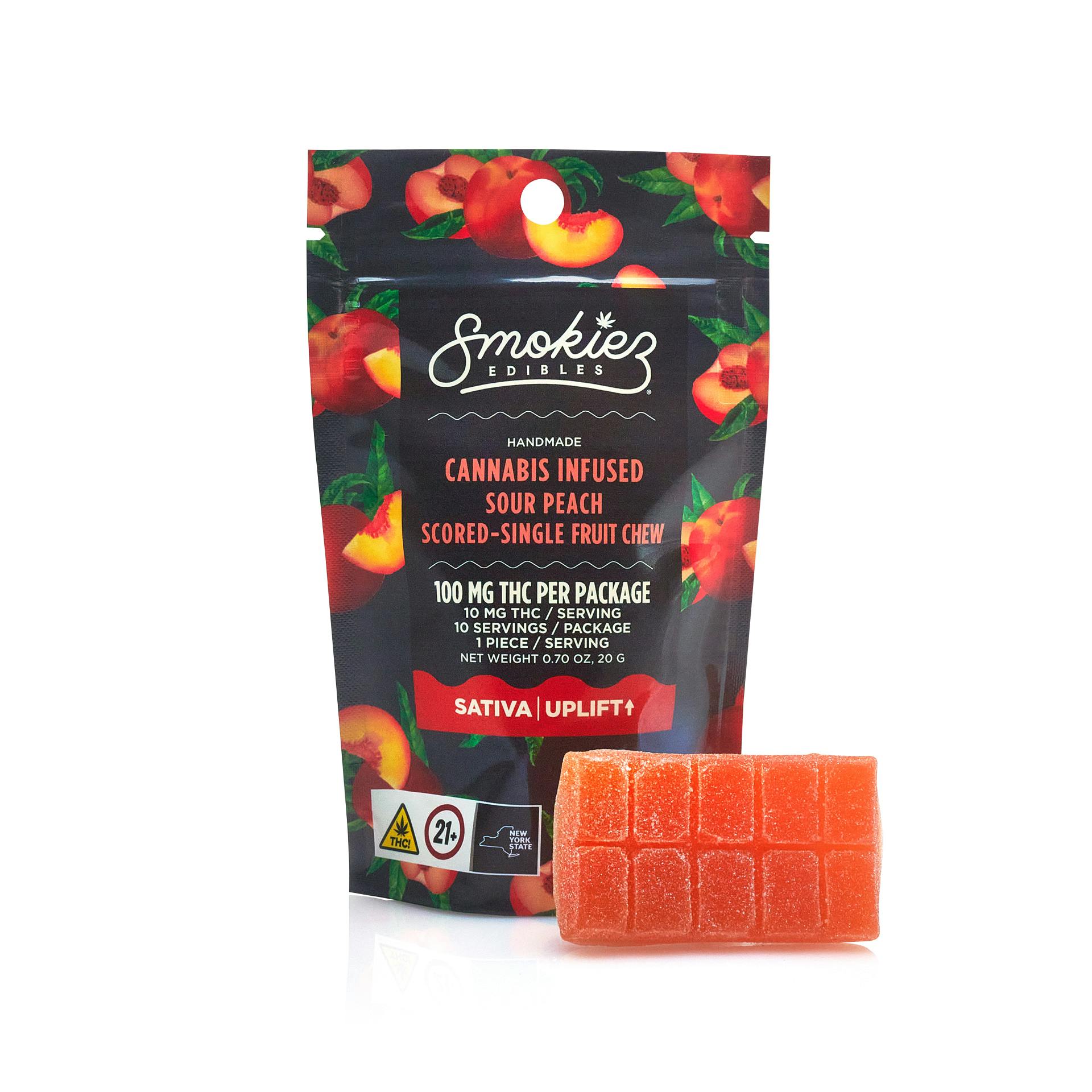
THC 0.4%·CBD 0.02%Sativa
Smokiez EdiblesSour Peach Sativa Scored-Single Piece 100mg THC Fruit Chew · .1g
$15.93
$18after tax
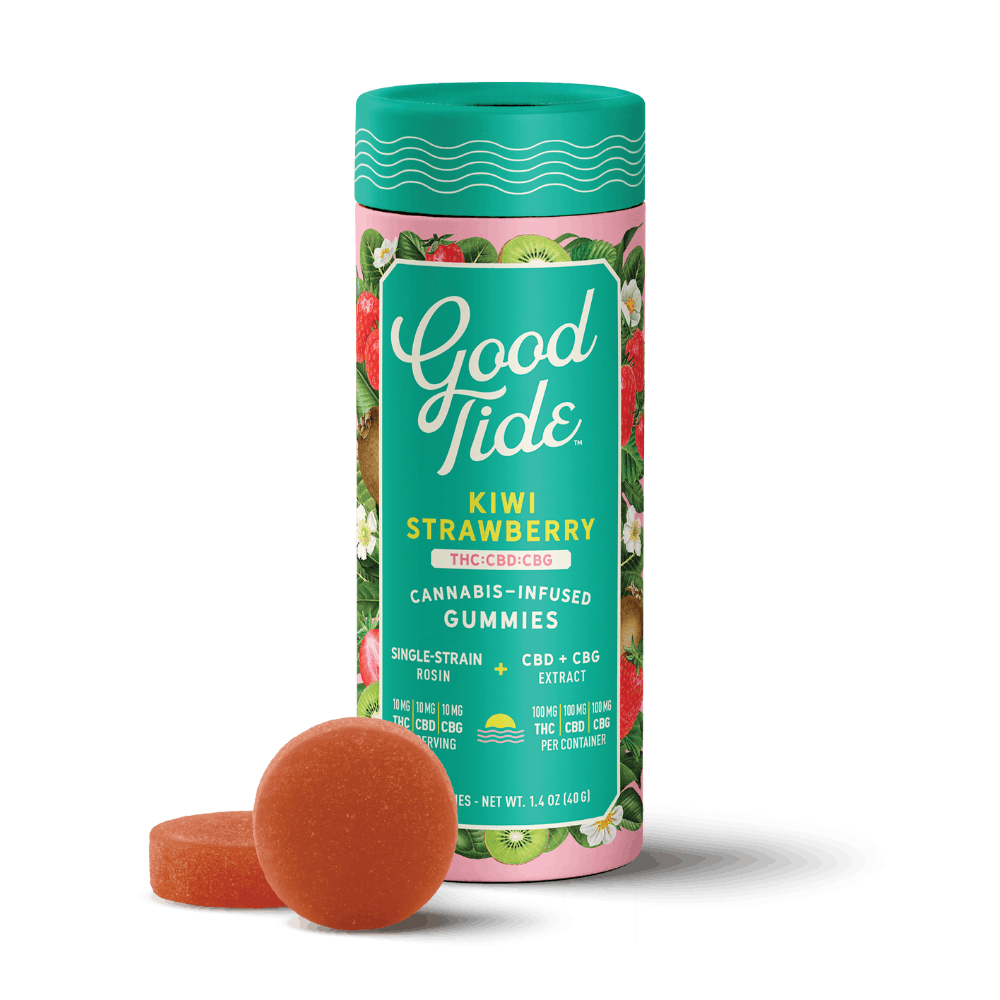
THC 0.25%·CBD 0.24%Hybrid
Good TideGood Tide | Kiwi Strawberry | Infused Edible | 100mg · .1g
$28.32
$32after tax
![Quick Strawberry Margarita 1:1 CBD/THC Gummies [10-Pack] | 100mg](https://images.dutchie.com/2d90db499f7c87c8e32f994e47a1590d)
THC 0.23%·CBD 0.23%Hybrid
WanaQuick Strawberry Margarita 1:1 CBD/THC Gummies [10-Pack] | 100mg · .1g
$28.32
$32after tax
![Camino Sours 'Deep Sleep' Blackberry Dream CBN Gummies [10pk] (100mg THC : 30mg CBN)](https://images.dutchie.com/88925280440378318d0366cdc8800104)
THC 0.27%·CBD 0.26%Indica
CaminoCamino Sours 'Deep Sleep' Blackberry Dream CBN Gummies [10pk] (100mg THC : 30mg CBN) · .1g
$30.00
$34after tax
![Quick New York Sunrise Gummies [10-Pack] | 100mg](https://images.dutchie.com/96382157695117db2d2a15ebac58d6cd)
Edibles in Morningside Heights — answers
Why do edibles feel stronger than smoking or vaping the same amount of THC?+
When cannabis is ingested, the liver metabolizes delta-9-THC into 11-hydroxy-THC, a compound that crosses the blood-brain barrier more readily and is generally considered more potent and longer-lasting than inhaled THC. This conversion process is why a 5 mg edible can feel more intense than inhaling a comparable dose. For Morningside Heights residents who may be experienced with other cannabis formats but new to edibles, this distinction is worth understanding before the first session.
How long should I wait before deciding an edible 'isn't working'?+
The honest answer is at least two hours, and potentially longer if you consumed the edible after a substantial meal. Digestion rate is the primary variable: fat-rich foods can actually accelerate absorption of oil-based cannabinoids, while a full stomach of complex carbohydrates can slow onset considerably. Many experienced consumers in neighborhoods like Morningside Heights — where late dinners near Broadway are common — have made the mistake of redosing too early. Patience is genuinely the best practice here.
What is a reasonable starting dose for an adult who has never tried edibles before?+
New York's licensed dispensary community broadly aligns on 2.5 mg of THC as a conservative starting point for edibles-naive adults, with 5 mg as a more common beginner dose. Starting low and going slow is not a cliché — it reflects the pharmacokinetic reality of oral cannabis consumption. Products sold at licensed dispensaries in New York are required to display per-serving THC content clearly, which makes it straightforward to identify and portion a starting dose.
Are there edibles that won't leave me feeling impaired the next morning?+
Residual effects from edibles are primarily a function of dose and individual metabolism. Lower-dose products — particularly those in the 2.5 mg to 5 mg THC range — are far less likely to produce next-morning grogginess for most adults than higher-potency options. CBD-dominant or balanced 1:1 products are also worth considering if functional mornings are a priority, as they tend to produce a gentler arc. Columbia faculty with eight o'clock seminars and hospital staff on early rotations have good reason to approach dosing conservatively.
What is the difference between full-spectrum, broad-spectrum, and isolate edibles?+
Full-spectrum edibles retain the complete range of cannabinoids and terpenes present in the source cannabis, including trace THC in CBD-forward products. Broad-spectrum products preserve most of that profile but remove detectable THC. Isolate products contain a single purified cannabinoid — typically THC or CBD — without the additional compounds. Many consumers report that full-spectrum products produce a richer, more nuanced effect due to the entourage effect, though isolate products offer the most predictable and controllable experience for dose-sensitive individuals.
Can I bring edibles purchased in Manhattan to a Riverside Park gathering?+
New York state law permits adults 21 and over to possess up to three ounces of cannabis flower or its equivalent in other forms in public. However, consumption is prohibited in most public spaces, including parks administered by the New York City Department of Parks and Recreation, except in designated areas. Riverside Park, a beloved green corridor along the western edge of Morningside Heights, falls under this restriction. Licensed products may be transported legally; consuming them publicly in non-designated spaces remains prohibited.
How should I store edibles in a Morningside Heights apartment?+
The pre-war and early postwar buildings that define much of 10025 and 10027 tend to run warm — sometimes very warm — through the heating season, which creates a genuine storage consideration for edibles. Heat degrades cannabinoids and can compromise the texture of gummies and chocolates. A cool cabinet away from the radiator, or even a dedicated section of the refrigerator, is appropriate for longer-term storage. All licensed New York edibles include a best-by date; keeping them in stable conditions helps preserve both potency and quality to that date.
Do cannabis beverages count as edibles, and how do they differ in effect?+
Cannabis beverages are regulated in New York as a subcategory of edibles, but their onset profile can differ meaningfully from solid formats. Because beverages are liquid and may incorporate nano-emulsified cannabinoids — particles processed to a size that allows faster uptake — some products begin producing effects within fifteen to forty-five minutes, closer to the onset range of inhalation than traditional edibles. For social occasions common near Columbia's campus — a gathering on 114th Street, a dinner on Broadway — a beverage can offer more predictable timing than a chocolate consumed at the same moment.
Are there edibles formulated specifically for nighttime use versus daytime use?+
New York licensed dispensaries carry edibles marketed toward distinct use windows, typically differentiated by cannabinoid ratio and terpene profile rather than any medically certified claim. Nighttime-positioned products often feature myrcene or linalool-forward terpene profiles alongside higher THC concentrations or added CBN, a cannabinoid associated with sedative qualities in some consumer reports. Daytime products more commonly feature limonene or pinene-prominent profiles with moderate THC levels or balanced CBD ratios. These distinctions are informational, not prescriptive, and individual response varies.
What does 'activated' mean on an edible label, and should I look for it?+
Activated refers to THC that has been decarboxylated — heated through a process that converts non-psychoactive THCA into psychoactive THC — before being incorporated into the product. All properly manufactured licensed edibles in New York are activated, meaning the THC listed on the label is bioavailable upon ingestion. This is distinct from raw cannabis flower, which requires heating to activate. When reviewing a label at a licensed dispensary, the THC figure listed per serving represents the activated, bioavailable content — no additional processing is required on the consumer's part.