
Nassau County · Rosin
Best Rosin in Mineola, Nassau County
Mineola's quiet residential streets and the steady rhythm of Old Country Road set a particular pace — one that pairs naturally with the deliberate, craft-forward world of rosin. For adults 21 and older seeking solventless cannabis concentrates near ZIP code 11501, this guide covers everything worth knowing before your first or next purchase in Nassau County.
About Rosin
Rosin occupies a distinct position in the licensed New York cannabis market. Unlike hydrocarbon extracts that rely on solvents such as butane or propane, rosin is produced entirely through heat and pressure applied to cured flower, fresh-frozen material, or sieved hash. The result is a full-spectrum concentrate that retains the plant's native terpene profile with minimal post-processing interference — a quality that discerning consumers have come to appreciate as the New York adult-use market matures and shelf offerings grow more sophisticated. The licensed concentrate category in New York has expanded considerably since adult-use sales began, and rosin now appears in several distinct forms: flower rosin pressed from dried, cured bud; hash rosin derived from ice-water-extracted bubble hash; and live rosin, which starts with fresh-frozen material to preserve the volatile aromatic compounds that would otherwise diminish during the drying process. Each tier reflects a different balance of accessibility and artisan refinement, and each commands a corresponding price point on compliant dispensary shelves. Consumers should understand that all concentrates sold through licensed New York dispensaries are tested by state-accredited laboratories for potency, residual solvents (rosin will show none), pesticides, heavy metals, and microbial contaminants. That regulatory framework offers meaningful assurance — particularly for concentrate shoppers who are moving up from flower and want confidence in what they are inhaling. Rosin's rising profile is partly a story about texture and versatility. Depending on post-press handling — temperature, agitation, and storage conditions — rosin can present as a glossy sap, a pliable budder, a crumbly badder, or a refined, sauce-like consistency dotted with THCA diamonds. Each texture can be consumed with a dab rig, an electronic dab device, or a purpose-built rosin vaporizer, giving adults a range of hardware options to match their lifestyle.
Rosin for Mineola shoppers
Mineola's identity is anchored by its role as a Nassau County administrative and transit hub. The Long Island Rail Road's Mineola station on Mineola Boulevard moves commuters between Penn Station and the Island daily, and the presence of NYU Langone Winthrop Hospital on Second Street means the neighborhood draws healthcare professionals, administrative staff, and visitors who maintain demanding, schedule-driven routines. For adults in this community who choose cannabis, discretion and efficiency tend to matter — rosin, consumed at home through a precise electronic device, fits that sensibility well. The tree-lined residential blocks that fan out from Old Country Road reflect a neighborhood where people have settled with intention. Many residents own their homes, entertain modestly, and take quality seriously across categories — from food to wine to, increasingly, cannabis. That orientation toward considered consumption aligns with rosin's artisan ethos: it is not the entry-level product, and it appeals to adults who have moved beyond novelty and want to understand what they are buying. Seasonally, Nassau County winters are genuine. Cold, dry air can make smoking less appealing, and the enclosed domestic environment of a Mineola home or apartment becomes the natural setting for cannabis use from November through March. Rosin consumed via a low-temperature electronic dab device or a portable vaporizer produces no combustion byproducts and keeps sessions contained and controllable — practical advantages when windows are closed and neighbors are close.
What to look for
Evaluating rosin begins with understanding the starting material. Flower rosin is the most accessible entry point and typically carries a lower price, but the terpene complexity is generally less pronounced than hash rosin or live rosin. Hash rosin, made from bubble hash pressed through a filter bag, represents the craft standard most enthusiasts reference when discussing solventless quality. Live rosin — starting from fresh-frozen plant material — preserves the terpene spectrum most faithfully and tends to be the most expensive tier on any licensed New York dispensary menu. Terpenes are the primary quality signal to study. For rosin shoppers in Mineola who want a relaxed evening after a commute or a long hospital shift, cultivars heavy in myrcene and linalool tend toward calming, sedative-adjacent experiences. Those seeking a more social or creative disposition may look for rosin expressing limonene or pinene. Caryophyllene, which has a peppery character, appears frequently in rosin made from OG-lineage cultivars and is worth noting if you enjoy that flavor profile. Ask your budtender to review the certificate of analysis terpene panel — a quality rosin should show a total terpene content of 5 percent or higher to reflect meaningful preservation. THC potency in rosin typically ranges from 65 to 85 percent, significantly higher than flower. New consumers to concentrates are strongly encouraged to start low and go slow — a portion the size of a grain of rice is a reasonable starting point for someone accustomed to flower. Format trade-offs are also worth weighing: a dab rig offers the most flavor clarity but requires the most equipment; an electronic dab device balances control and convenience; and certain portable vaporizers compatible with concentrates offer the most discreet, travel-ready option for a neighborhood where residents tend to keep their habits private.
Why ZenZest for rosin in Mineola
ZenZest Cannabis Dispensary's Queens location at 272-06 Union Tpke, Bellerose, NY 11004 sits approximately 4.1 miles from central Mineola — a straightforward drive west along Union Turnpike or a short trip up the Cross Island Parkway depending on your route. The store carries a curated selection of licensed New York concentrates, and staff are positioned to walk concentrate newcomers through the distinctions between rosin tiers, help interpret lab panels, and match products to hardware you may already own. For Mineola residents who prefer not to make the trip, ZenZest offers free same-day delivery on orders over one hundred dollars to more than eighty New York ZIP codes, with 11501 among the eligible areas. That service is particularly useful in winter months when Old Country Road traffic can be unpredictable, or on days when the LIRR schedule makes a detour impractical. Orders can be placed through ZenZest's platform, and the delivery window is designed to fit around the working schedules common in this commuter-oriented community.
ZenZest Queens · 272-06 Union Tpke, Bellerose, NY 11004 · 4.1 miles from Mineola.
Live rosin for Mineola
Full rosin menu →

THC 73.15%Indica
INTERNATIONAL HASHInternational Hash | Cold Cure Hash Rosin | Garlic Naan Indica · 1g
$66.37
$75after tax
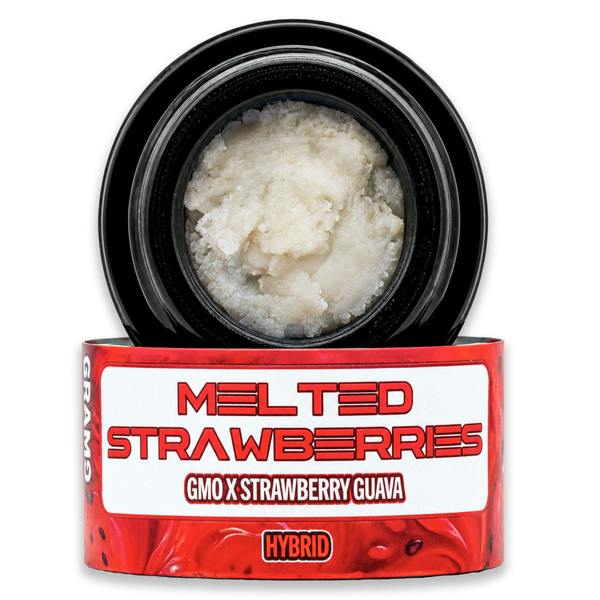
THC 77.37%·CBD 0.16%Hybrid
UmamiiUmamii | Live Rosin Jar | Melted Strawberries · 2g
$100.00
$113after tax
Rosin in Mineola — answers
What is rosin and how does it differ from other concentrates sold at licensed New York dispensaries?+
Rosin is a solventless cannabis concentrate made exclusively through applied heat and pressure. Unlike wax, shatter, or live resin — which are extracted using hydrocarbons or CO2 — rosin requires no chemical solvent at any stage of production. All licensed New York dispensary concentrates, including rosin, are laboratory tested for potency and contaminants, but rosin is the only category that can guarantee zero residual solvents by virtue of its production method. That distinction matters to consumers in Mineola and across Nassau County who prioritize ingredient transparency.
Is rosin significantly stronger than cannabis flower, and how should a Mineola resident new to concentrates approach it?+
Yes. While licensed New York flower typically ranges from 18 to 30 percent THC, rosin commonly tests between 65 and 85 percent. For adults new to concentrates, the guidance is straightforward: start low and go slow. A starting portion no larger than a grain of rice is appropriate for someone whose experience has been primarily with flower. Giving the effects time to develop — at least 15 to 20 minutes — before considering any additional consumption is important. There is no rush, and a measured approach allows you to find a comfortable, sustainable level without overcorrection.
What is the difference between flower rosin, hash rosin, and live rosin available on New York dispensary menus?+
Flower rosin is pressed directly from dried, cured cannabis bud and is the most accessible and typically least expensive rosin tier. Hash rosin begins with bubble hash — made by washing trichomes from plant material with ice water — before pressing, yielding greater terpene richness and a cleaner flavor profile. Live rosin starts with fresh-frozen plant material, preserving the broadest terpene spectrum possible before any pressing occurs. Each step up the ladder involves more labor, more starting material, and a more refined sensory outcome, reflected proportionally in retail pricing.
What hardware do I need to consume rosin purchased from a dispensary near Mineola?+
Three primary options exist. A traditional dab rig — a water pipe fitted with a quartz banger heated by a butane torch — offers the most pronounced terpene expression but requires the most equipment and technique. Electronic dab devices, sometimes called e-rigs, replicate that experience with temperature precision and no open flame, making them well suited for home use in a Mineola residence. Certain portable concentrate vaporizers also work well with rosin and offer the most discreet profile. Whichever hardware you choose, low-temperature sessions generally preserve the terpene experience better than high-heat approaches.
How should I store rosin purchased from a licensed New York dispensary to maintain quality?+
Rosin is sensitive to both heat and light. Storing it in a sealed, food-grade silicone or glass container in a cool, dark location — ideally a refrigerator set to a consistent temperature — will extend freshness and terpene integrity meaningfully. In Mineola's warmer summer months, a countertop or car glove compartment is not an appropriate storage location, as ambient heat degrades the terpene profile and can cause consistency changes. Most licensed rosin packaging will include a use-by date, and consuming it reasonably close to that date ensures the best sensory experience.
Which terpenes should I look for in a rosin if I want a calming experience after a long workday in Mineola or at Winthrop Hospital?+
Myrcene is the terpene most commonly associated with relaxing, settled experiences and appears frequently in indica-leaning cultivars. Linalool, which carries a floral quality, has a similarly calming character and pairs well with myrcene-forward profiles. Caryophyllene, with its peppery warmth, is another terpene worth considering for evening use, appearing prominently in OG-lineage cultivars that produce classic, grounding effects. A licensed dispensary's certificate of analysis will list terpene percentages; asking your budtender to pull that panel is a reasonable request and a mark of a quality operation.
Can ZenZest deliver rosin to my address in Mineola's 11501 ZIP code?+
Yes. ZenZest Cannabis Dispensary offers free same-day delivery on orders exceeding one hundred dollars, and ZIP code 11501 falls within the more than eighty New York ZIP codes they serve. For Mineola residents who prefer not to drive to the Queens store on Union Turnpike, placing a delivery order is a practical alternative. Concentrate orders, which often carry a higher per-unit value, can reach the free delivery threshold without adding unneeded items. Delivery windows are designed to accommodate working schedules, which suits the commuter rhythms common in this part of Nassau County.
Is rosin appropriate for cannabis consumers who are sensitive to the smell associated with smoking flower?+
Rosin consumed through an electronic dab device or a low-temperature vaporizer produces vapor rather than smoke and generates noticeably less odor than combusted flower. The terpene aroma is present but dissipates more quickly and does not linger in upholstery or clothing the way smoke does. For Mineola residents in attached housing or apartment buildings near Old Country Road, this is a meaningful practical distinction. That said, any cannabis vapor carries some detectable scent in an enclosed space, so adequate ventilation remains a reasonable consideration regardless of consumption method.
How do I read the lab panel on a licensed New York rosin product to understand what I am buying?+
A compliant New York cannabis concentrate label will reference a certificate of analysis performed by a state-accredited laboratory. Key figures to review include total THC and THCA potency (expressed as a percentage), total terpene content (higher is generally better in rosin, with five percent or above suggesting meaningful preservation), and confirmation that residual solvent, pesticide, heavy metal, and microbial screens returned non-detect or compliant results. Rosin, by its production method, should show no residual solvents. If a dispensary cannot produce or reference the COA for a rosin product, that is a reason for pause.
What price range should Mineola shoppers expect for rosin at a licensed New York dispensary?+
Pricing in the licensed New York concentrate market varies by tier and producer. Flower rosin typically represents the most accessible price point, often falling in the range of forty to sixty dollars per gram at retail. Hash rosin commands a premium, generally between sixty and ninety dollars per gram depending on the cultivar and batch. Live rosin sits at the top of the solventless category and can reach or exceed one hundred dollars per gram for small-batch, artisan production. These ranges reflect the labor-intensive nature of solventless extraction and the cost of compliant licensed production in New York State.