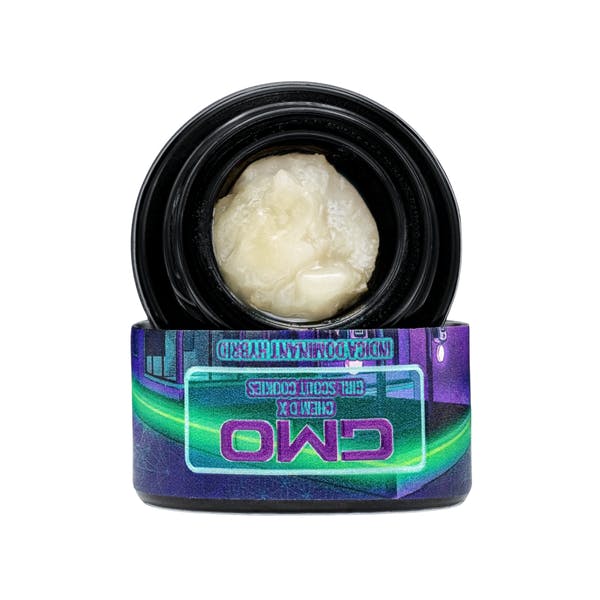
On sale· 20% OFF
THC 70.7%Indica-Hybrid
UmamiiUmamii | Live Rosin Jar | GMO · 2g
$80.00$100.00
$93after tax

weeddispensarynearme.com
You must be 21 years or older to enter. By entering, you confirm you’re of legal age in your state to purchase cannabis.
For use only by adults 21+ • Keep out of reach of children
Mill Basin, Brooklyn's quiet southeastern waterfront enclave, has developed a discerning palate for solventless cannabis — and rosin sits at the center of that conversation. Along the corridors near Avenue U and Kings Plaza, adult-use shoppers are seeking concentrates that reward patience and intentionality, and rosin, pressed cleanly from flower or hash, delivers exactly that kind of refined, terpene-forward experience.
About Rosin
Rosin is a solventless cannabis concentrate produced by applying calibrated heat and pressure to either cured flower, fresh-frozen material, or bubble hash — extracting a full-spectrum oil that preserves the plant's natural terpene and cannabinoid profile without the introduction of chemical solvents. The result is a product many seasoned concentrate consumers consider the purest expression of a given cultivar, since nothing is added and very little is lost in the process. Within New York's licensed adult-use market, rosin has emerged as a benchmark category for quality-focused dispensaries, representing a growing share of premium shelf space. New York's Office of Cannabis Management licenses a growing roster of processors authorized to produce solventless concentrates, and the rosin available through licensed retailers reflects considerable craft diversity. Shoppers can encounter flower rosin, which offers a more accessible entry point in both price and texture, as well as hash rosin — made from ice-water-extracted bubble hash — which represents the upper tier of the category. Hash rosin typically yields a lighter, more refined product with exceptional terpene clarity, and it commands pricing that reflects the additional labor and starting-material quality involved. Formats in the rosin category range from shelf-stable badder and batter — whipped to a creamy, easy-to-scoop consistency — to sauce, jam, and pure rosin in its pressed, translucent form. Each format has its own handling characteristics and ideal temperature range for consumption. Most are best experienced at lower temperatures using a quartz banger or an electronic dab device calibrated for concentrate work, which preserves the volatile terpenes that distinguish one cultivar from another. For New York adult-use consumers, understanding that all licensed rosin on legal shelves has passed state-mandated testing for potency, pesticides, residual solvents, heavy metals, and microbial contaminants is important context. The solventless designation does not mean residual solvents cannot be tested — it simply means none are used in production, a distinction that makes clean test results on these products especially meaningful.
Rosin for Mill Basin shoppers
Mill Basin occupies a particular corner of Brooklyn's psyche — it is neither the hyperkinetic energy of Flatbush nor the dense commercial rhythm of Canarsie, but something more measured. The neighborhood's tree-lined streets, its canal-front homes, and the steady presence of Kings Plaza as the community's commercial anchor create a lifestyle that prizes comfort and quality over novelty. For cannabis consumers here, that sensibility translates directly into a preference for products that are crafted with care rather than mass-produced for convenience. The zip code 11234 is largely residential, with a commuter population that often travels toward Manhattan or the business corridors along Flatbush Avenue. For those residents, an after-commute or weekend ritual centered on a well-made rosin — appreciated at home rather than on the move — fits naturally into the neighborhood's rhythm. The borough's southeastern position also means that Mill Basin winters carry a real coastal chill off Jamaica Bay, making the warmth and immediacy of a properly vaporized concentrate an appealing domestic ritual during the colder months along Avenue U. The demographic fabric of Mill Basin reflects a long-standing community of homeowners and long-term renters who take pride in their choices. Shopping for cannabis here, when shoppers have access to licensed products at all, tends to be deliberate rather than impulse-driven. Rosin's premium positioning — it asks for a modest investment in the right consumption hardware and rewards that investment with exceptional flavor — resonates with a neighborhood that values doing things properly. The short drive or delivery route from Kings Plaza toward a licensed source makes accessibility less of a barrier than it once was.
What to look for
When evaluating rosin for purchase, the first consideration should be starting material and extraction tier. Flower rosin, made directly from dried and cured cannabis, is the most widely available and tends toward higher total THC percentages but a slightly less nuanced terpene profile than hash rosin. Hash rosin — pressed from bubble hash or ice-water extract — offers the most complete terpene preservation and is the standard by which craft extractors are judged. If a label specifies the hash grade, such as a 73-micron or full-spectrum wash, that is a positive signal about the producer's attention to detail. Terpenes are the primary lens through which to evaluate a rosin's character. Myrcene-forward profiles tend toward relaxed, grounding effects often associated with indica-leaning cultivars — relevant for Mill Basin shoppers seeking an end-of-day unwinding ritual after a long commute from the city. Limonene and pinene profiles tend to be brighter and more mentally engaging, better suited to creative weekend afternoons. Caryophyllene, a spicy, peppery terpene that also acts as a dietary cannabinoid, adds a layer of depth frequently found in dessert and OG-lineage strains. Any licensed product sold through a New York retailer will include a certificate of analysis detailing the terpene breakdown — reviewing that document before purchase is worth the few minutes it takes. For shoppers new to concentrates, the general principle of starting low and going slow applies with particular emphasis in the rosin category, where total THC percentages commonly range from the mid-60s into the low 80s on a percentage basis. A quartz or ceramic-tipped e-rig or a low-temperature banger setup will extract the most flavor and provide a more measured experience than high-heat consumption. Badder and batter formats are easiest for beginners to handle and measure; sauce and live rosin in its raw pressed form can be stickier and less forgiving during the scoop.
Why ZenZest for rosin in Mill Basin
For Mill Basin residents shopping within Brooklyn's licensed adult-use landscape, ZenZest Cannabis Dispensary's Staten Island location at 2343 Forest Ave, Staten Island, NY 10303 is the nearest ZenZest store — approximately 12.9 miles from the heart of the 11234 zip code. The route, manageable by car across the Verrazzano-Narrows Bridge, leads to a curated dispensary environment where the rosin selection reflects the premium, craft-forward purchasing philosophy that Mill Basin shoppers tend to appreciate. Staff are trained to walk customers through the category distinctions between flower rosin and hash rosin and can advise on format selection without pressure. For those who prefer not to make the trip, ZenZest offers free same-day delivery on all orders over $100 across more than 80 eligible New York zip codes, and 11234 qualifies. This makes it straightforward to browse a full licensed rosin assortment from a quiet Mill Basin home and receive it the same day — an arrangement that suits the neighborhood's homeowner sensibility perfectly. Orders can be placed directly through ZenZest's platform, with delivery handled by licensed couriers who operate in full compliance with New York adult-use regulations.
ZenZest Staten Island · 2343 Forest Ave, Staten Island, NY 10303 · 12.9 miles from Mill Basin.
$93after tax
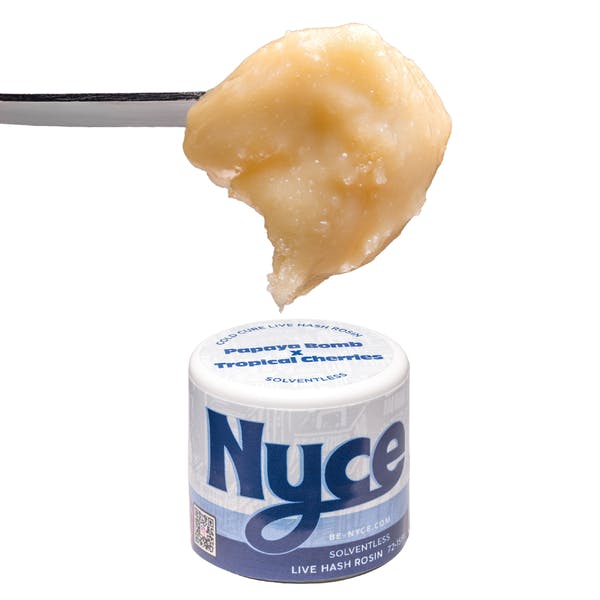
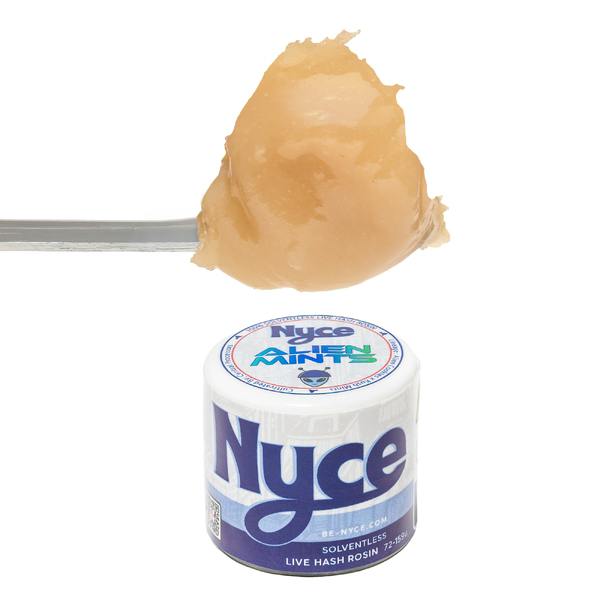
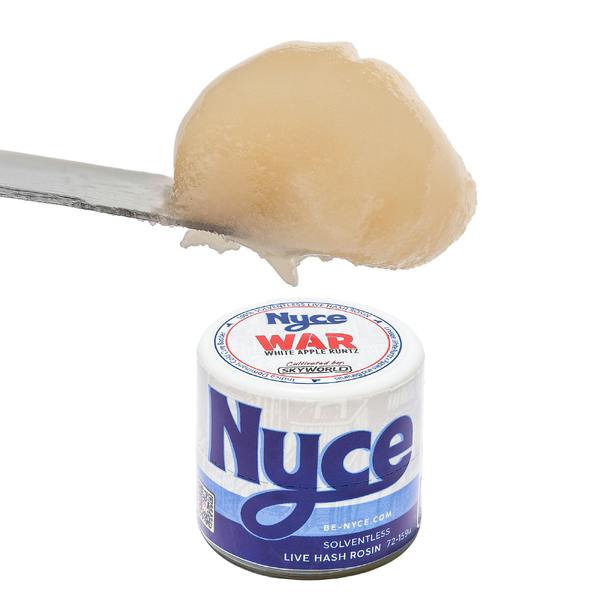
Rosin is a solventless concentrate produced by applying heat and pressure to cannabis flower, dry sift, or bubble hash. Unlike BHO (butane hash oil) or CO2 extracts, no chemical solvents are introduced during production, making it a clean, full-spectrum product. New York's licensed market carries a range of concentrates, but rosin is distinguished by its terpene fidelity and the absence of any residual solvent concerns — an important differentiator for discerning Mill Basin shoppers who prioritize product purity.
Rosin can be a thoughtful first step into concentrates, particularly for flower consumers who already appreciate terpene-rich cultivars. The same flavor profiles and cultivar characteristics are present but significantly amplified. The advice that applies broadly to adult-use cannabis — start low, go slow — is especially relevant here, as rosin potency typically ranges from the mid-60s to low 80s in total THC percentage. Beginning with a very small amount and waiting to assess the effect before consuming more is the standard guidance.
To get the most out of rosin's terpene profile, a low-temperature dabbing setup is recommended. Options include a quartz banger with a butane torch and carb cap, or an electronic e-rig that allows precise temperature control. Many experienced rosin consumers prefer temperatures between 450°F and 550°F to preserve volatile terpenes. These setups are sold through licensed accessory retailers. Vaporizers with concentrate-compatible chambers also work, though they may capture less of the nuanced flavor profile than a dedicated dab device.
Rosin is sensitive to heat and humidity, both of which can cause it to degrade, separate, or lose terpene integrity. The best practice for home storage is to keep rosin in an airtight, non-stick silicone or glass concentrate container placed in a cool, dark location — ideally a refrigerator or a dedicated small cooler. During Mill Basin's warm, occasionally humid summer months, countertop or shelf storage is not ideal. If refrigerating, allow the concentrate to return to room temperature before handling to prevent condensation from affecting texture.
Flower rosin is pressed directly from dried cannabis flower or trim and is generally the more affordable entry point in the category. Hash rosin begins with bubble hash — made through an ice-water washing process — and is then pressed again into its final form. This additional step preserves more of the plant's secondary terpene compounds and typically yields a lighter, more refined color and flavor. Whether the premium is worth it depends on the individual consumer's palate and priorities. For terpene-focused shoppers, hash rosin often justifies its cost.
Myrcene-dominant rosin profiles — often associated with earthy, herbal, and mildly sedating cultivar characteristics — are frequently chosen for relaxed, domestic winter evenings, which align well with quiet nights in a Mill Basin home after a cold commute from the city. Linalool-forward profiles, which carry a more floral character, are also popular for unwinding. Caryophyllene adds a warm, spicy note that many consumers find particularly appealing in colder months. Terpene breakdowns should be available on each product's certificate of analysis at any licensed New York retailer.
Yes. ZenZest Cannabis Dispensary offers free same-day delivery on orders over $100 to more than 80 eligible New York zip codes, and 11234 is among them. Delivery is conducted through licensed couriers operating in compliance with New York's adult-use cannabis regulations. Age verification at the door is required — a valid government-issued ID confirming the recipient is 21 or older must be presented upon delivery. Orders are placed directly through ZenZest's online platform.
A certificate of analysis, or COA, is a third-party lab report that every licensed New York cannabis product must have. For rosin, the key figures include total THC and total CBD percentages, the terpene panel listing individual terpene concentrations by percentage or milligrams per gram, and the confirmation of non-detect results for pesticides, residual solvents, heavy metals, and microbial contaminants. The terpene panel is especially informative for rosin consumers, as it gives a reliable preview of the aroma, flavor, and general character of the product before purchase.
Live rosin is produced from fresh-frozen cannabis — plant material that was frozen immediately after harvest rather than dried and cured. This process preserves a broader spectrum of volatile terpenes, resulting in a flavor profile that is often described as more vibrant and closer to the aroma of the living plant. Cured rosin, made from dried flower, is more stable, easier to handle, and typically more affordable. For a shopper near Kings Plaza who is new to the category, cured flower rosin is a sensible starting point. Live rosin rewards the investment once the consumer has developed a preference for cultivar-specific terpene nuance.
In New York's licensed adult-use market, flower rosin typically ranges from roughly $40 to $70 per gram, while hash rosin and live rosin from craft extractors can range from $60 to over $100 per gram depending on the producer and starting material quality. Price alone is not a guarantee of quality — a COA with a detailed terpene panel, a reputable licensed processor name, and a clearly labeled extraction method are more reliable indicators. Extremely low pricing on a rosin product may signal lower-quality starting material or less rigorous production standards.
Pick your store
We'll show pricing, deals, and delivery zones for the store you pick. You can switch any time from the header.