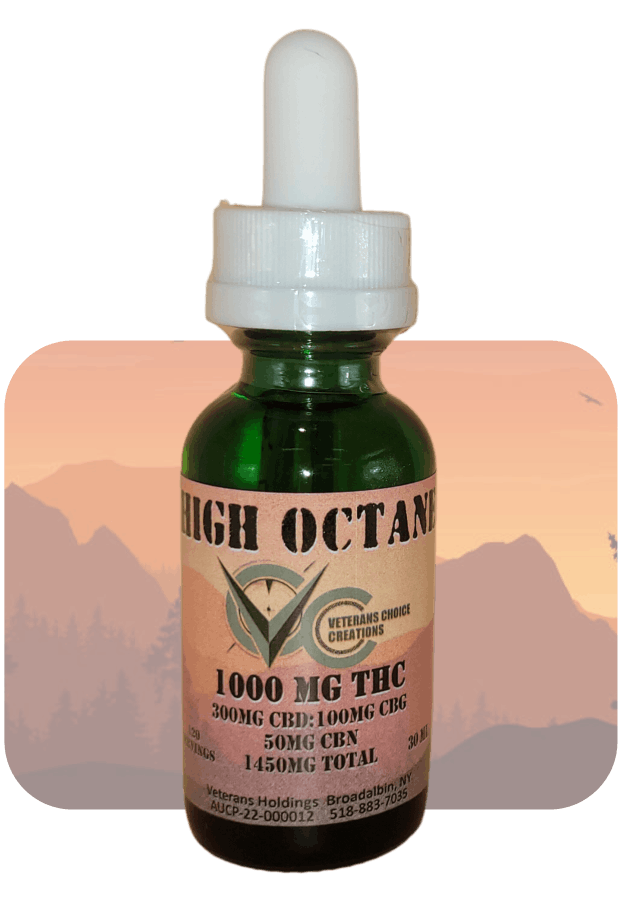
THC 4.41%·CBD 1.58%Hybrid
Veteran's Choice CreationsVETERANS CHOICE CREATIONS | 30ML | TINCTURE | HIGH OCTANE · .1g
$53.10
$60after tax

weeddispensarynearme.com
You must be 21 years or older to enter. By entering, you confirm you’re of legal age in your state to purchase cannabis.
For use only by adults 21+ • Keep out of reach of children
Midwood's measured pace — from the tree-lined blocks near Brooklyn College to the bustling stretch of Coney Island Avenue — calls for a cannabis format equally considered and precise. Tinctures, the quietly sophisticated corner of New York's licensed adult-use market, answer that call. Discreet, dose-aware, and free of combustion, they suit a neighborhood that values quality without spectacle.
About Tinctures
Tinctures occupy a distinctive position in New York's licensed adult-use cannabis landscape. Unlike flower or vape formats, a tincture is a concentrated liquid extract — most commonly alcohol- or oil-based — designed to be placed under the tongue for sublingual absorption or blended into a beverage for a slower, digestion-dependent onset. That versatility is precisely what draws a widening circle of adults in Kings County toward the format. New York's Office of Cannabis Management licenses all retail tinctures sold in the state, meaning every bottle on a dispensary shelf has passed lab testing for potency, residual solvents, pesticides, and microbial contaminants. Consumers browsing tinctures at a licensed shop can expect a certificate of analysis and clearly labeled cannabinoid percentages — a layer of accountability that legacy-market products never offered. THC concentrations in tinctures typically range from modest 5 mg-per-mL formulations designed for newer consumers all the way to potent full-spectrum preparations exceeding 33 mg per mL. The cannabinoid profile of a tincture matters as much as the THC number. Many premium products feature a meaningful CBD-to-THC ratio, which can moderate intensity without dulling the experience. Others lean into CBG or CBN, minor cannabinoids increasingly recognized for their distinct character. Full-spectrum tinctures retain the plant's complete terpene and cannabinoid complement; broad-spectrum versions remove delta-9 THC while preserving other compounds; isolate-based options deliver single-molecule precision. Each approach produces a noticeably different experience, so understanding the distinction before purchase is time well spent. For New York shoppers specifically, tinctures align with the state's general ethos of informed, recreational use. The format rewards patience and attention — qualities that tend to surface in consumers who have moved past the novelty phase and are looking for something that integrates quietly into an adult life.
Tinctures for Midwood shoppers
Midwood is not a neighborhood in a hurry. Its residential blocks — deep into Kings County's 11230 ZIP — are populated by families, academics connected to Brooklyn College a short walk up Bedford Avenue, and a richly layered mix of Orthodox Jewish, Bangladeshi, Russian, and Caribbean communities, each with its own relationship to wellness and discretion. A format that produces no smoke, no conspicuous odor, and no paraphernalia fits organically into that social fabric. Coney Island Avenue, the commercial spine running the length of Midwood, offers every errand one could need within a few blocks. Avenue M brings the neighborhood's slower, cafe-and-bookshop rhythm. For residents navigating the B or Q train for a Manhattan commute, the morning and evening transitions can be long. A tincture taken sublingually roughly 15 to 45 minutes before a desired window of effect gives commuters a predictable, discreet option that requires no smoke break and no device charging — just a small glass bottle in a coat pocket. Midwood winters are genuine New York winters: cold, grey, and occasionally punishing. The neighborhood's indoor culture — dinner parties, Shabbat tables, study sessions at the college — lends itself to tinctures consumed at home rather than on the move. Conversely, the long, warm evenings of a Brooklyn summer, when residents spill onto porches along East 17th or gather near the college's Flatbush Avenue green spaces, suggest occasions where a discreet sublingual dose fits far better than anything requiring combustion or a vape pen.
What to look for
When selecting a tincture at a licensed New York dispensary, the first variable to evaluate is the carrier base. Alcohol-based tinctures absorb quickly under the tongue — often within 15 to 30 minutes — but carry a pronounced botanical flavor that not every palate welcomes. MCT oil and other lipid-based carriers deliver a smoother taste and pair well with food or beverages, though onset when swallowed shifts toward the 60-to-120-minute range characteristic of edibles. Knowing how you intend to use the product should drive that decision before any other. Terpenes are the next consideration, and they matter more in tinctures than most shoppers initially expect. Full-spectrum products rich in myrcene tend toward a relaxed, grounding character; limonene-forward profiles skew brighter and more uplifting; linalool, found in many indica-leaning cultivars, has a floral quality associated with ease. Ask your budtender for the terpene breakdown on any full-spectrum product — a licensed New York dispensary should have that information available from the certificate of analysis. For Midwood shoppers specifically, the general 'start low, go slow' principle applies with particular relevance to the tincture format. Because sublingual onset is faster than an edible but still less immediate than inhalation, newer consumers sometimes misjudge timing and layer doses unnecessarily. A 5-to-10 mg THC starting point with a full 90-minute observation window before any adjustment is widely regarded as a sensible approach. Residents who prefer a balanced experience should look for a 1:1 or 2:1 CBD-to-THC ratio, which many licensed New York producers now offer in tincture form. Format-wise, tinctures win on portability and discretion — two qualities that resonate in a neighborhood where privacy and neighborhood respect are genuinely valued.
Why ZenZest for tinctures in Midwood
ZenZest Cannabis Dispensary serves Midwood residents through its Staten Island location at 2343 Forest Ave, Staten Island, NY 10303 — approximately 10.2 miles from the heart of the 11230 ZIP code. The store carries a curated selection of New York State-licensed tinctures across potency ranges, cannabinoid ratios, and carrier bases, with staff prepared to walk shoppers through certificates of analysis and help identify the right product for their experience level and intended use occasion. For Midwood households that prefer not to make the trip, ZenZest offers free same-day delivery on orders over $100, servicing more than 80 New York ZIP codes — a range that encompasses Kings County addresses throughout the borough. Ordering through the ZenZest platform means access to the same licensed, lab-tested inventory available in-store, delivered directly to your door. For a neighborhood where time, discretion, and quality all carry weight, that combination of premium selection and convenient delivery makes ZenZest a natural first stop for tincture shoppers in Midwood.
ZenZest Staten Island · 2343 Forest Ave, Staten Island, NY 10303 · 10.2 miles from Midwood.
$60after tax
$49after tax

$50after tax
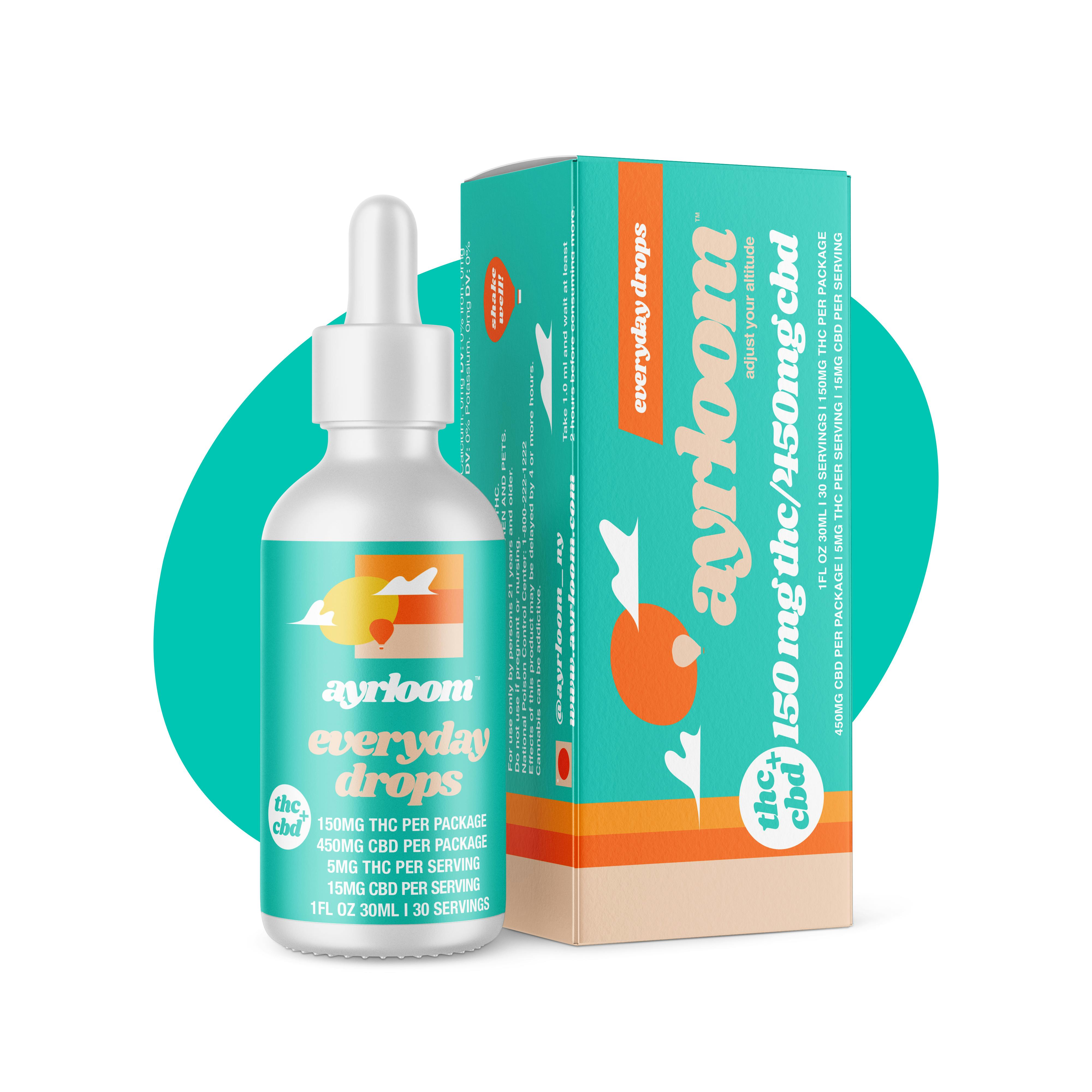
$34after tax
Yes. Under New York State's adult-use cannabis law, any person 21 years of age or older may legally purchase cannabis tinctures from an OCM-licensed dispensary. Midwood, located within Kings County's 11230 ZIP, falls fully under New York State jurisdiction. Licensed dispensaries — including those that deliver to Brooklyn — are the only legal retail channel for these products. Purchasing from unlicensed sources carries legal risk and offers no product safety guarantees.
A sublingual tincture, held under the tongue for 60 to 90 seconds, absorbs through the mucous membrane and typically produces effects within 15 to 45 minutes. An edible is metabolized through the digestive system, with onset ranging from 60 to 120 minutes or longer. For Midwood commuters on the B or Q train, the faster and more predictable sublingual onset offers a meaningful practical advantage over edibles. Swallowing a tincture rather than holding it sublingually shifts it toward the edible onset profile.
New York State requires licensed tincture labels to display total THC and CBD per milliliter as well as per package, net volume, a universal cannabis symbol, the OCM license number, and a batch number traceable to a certificate of analysis. Some products also list minor cannabinoids such as CBG or CBN. The certificate of analysis, available from the dispensary or the producer's website, provides full terpene and contaminant test results — information worth reviewing, particularly when comparing full-spectrum and broad-spectrum options.
For adults new to tinctures, products in the 5-to-10 mg THC per dose range are a reasonable starting point. The general principle — start low, go slow — applies especially to this format, since the onset window is wide enough that impatient consumers sometimes take a second dose before the first has fully expressed itself. Waiting a full 90 minutes before reconsidering is advisable. Many licensed New York producers offer tinctures specifically calibrated at 5 mg per serving to support this approach.
Myrcene is among the most common cannabis terpenes and tends to contribute a grounding, relaxed quality. Limonene, with its citrus notes, skews brighter and more uplifting in character. Linalool, floral and gentle, appears frequently in indica-leaning cultivars. Beta-caryophyllene, which also appears in black pepper and cloves, is notable for binding to CB2 receptors and contributing a warm, spiced quality. Full-spectrum tinctures preserve these compounds; isolate-based products do not. Ask your dispensary's staff for the terpene profile before purchasing.
Yes, tinctures — particularly oil-based carriers — can be blended into beverages or food. When consumed this way rather than held sublingually, the absorption pathway shifts to the digestive system, meaning onset resembles that of an edible: slower, often 60 to 120 minutes, and sometimes more pronounced in intensity. For Midwood residents who find the sublingual application socially inconvenient, this is a practical alternative, but the shift in timing should be factored into how much product is used. Starting with the same low dose and waiting is still the prudent approach.
Full-spectrum tinctures retain all cannabinoids, terpenes, and minor compounds found in the original plant, including delta-9 THC. Broad-spectrum products remove THC while preserving other compounds. Isolate tinctures contain a single purified cannabinoid — most commonly CBD or THC — with no other plant material. Full-spectrum products are often preferred by experienced consumers seeking what is commonly called the entourage effect, a term for the interplay among cannabis compounds. Isolates offer precise, consistent dosing with minimal variability, which some consumers find more useful.
ZenZest Cannabis Dispensary offers free same-day delivery on orders over $100 across more than 80 New York ZIP codes, including addresses in Kings County. Customers place their order through the ZenZest platform, and a licensed delivery agent brings the products directly to the address on file. Delivery is restricted to adults 21 and over with valid ID. The 11230 ZIP code covering Midwood, Brooklyn falls within the eligible delivery area, making it a practical option for residents who prefer not to travel to a physical store.
New York State law prohibits the consumption of cannabis in locations where tobacco smoking is prohibited, which includes most public spaces, transit environments, and within 100 feet of school entrances. Sublingual use of a tincture — placing drops under the tongue — occupies a somewhat ambiguous space legally, but consuming cannabis products discreetly in private residences remains the clearest compliant approach. Midwood's residential character makes in-home use the natural and legally straightforward choice for most tincture consumers in the neighborhood.
Cannabis tinctures perform best when stored away from direct light, heat, and humidity — all of which can degrade cannabinoids and terpenes over time. A cool, dark cabinet or drawer is sufficient for most products; refrigeration is not typically required but is unlikely to cause harm for oil-based carriers. In a Midwood apartment, where summer humidity can be significant and radiator heat in winter creates warm interior conditions, paying attention to storage location preserves both potency and flavor. Always keep tinctures out of reach of anyone under 21, and in a child-resistant container when not in use.
Pick your store
We'll show pricing, deals, and delivery zones for the store you pick. You can switch any time from the header.