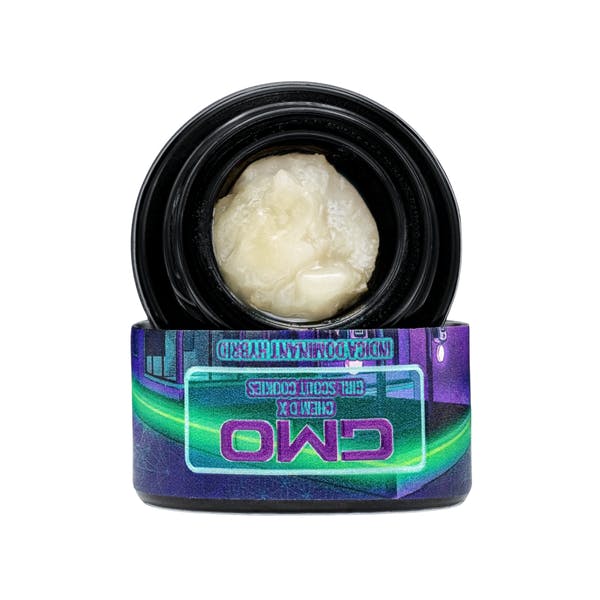
On sale· 20% OFF
THC 70.7%Indica-Hybrid
UmamiiUmamii | Live Rosin Jar | GMO · 2g
$80.00$100.00
$93after tax

weeddispensarynearme.com
You must be 21 years or older to enter. By entering, you confirm you’re of legal age in your state to purchase cannabis.
For use only by adults 21+ • Keep out of reach of children
Midwood, Brooklyn carries a quiet confidence — tree-lined residential blocks, the hum of Coney Island Avenue, the scholarly energy near Brooklyn College — and its adult-use cannabis shoppers are no different. Rosin, the solventless concentrate prized for its purity and full-spectrum flavor, has found a natural audience here among 11230 residents who value craft over convenience and transparency over trend.
About Rosin
Rosin occupies a distinct tier in the New York licensed cannabis market. Unlike extracts processed with butane or CO₂, rosin is produced entirely through heat and pressure — no solvents, no residual chemical signatures, no compromise on the source material's native chemistry. What ends up in the final jar is a direct, honest translation of the original flower or hash: its terpene profile intact, its cannabinoid ratios preserved, its character fully legible to anyone paying close attention. New York's adult-use framework, overseen by the Office of Cannabis Management, requires that all rosin sold through licensed dispensaries undergo third-party testing for potency, residual solvents (ironic as that is for a solventless product — it simply confirms the process), pesticides, heavy metals, and microbial content. That regulatory layer matters. When you purchase rosin from a licensed New York retailer, the certificate of analysis behind that product is a legal document, not a marketing gesture. For a category where provenance and process are the entire point, that accountability is foundational. Within the rosin category itself, there is meaningful variation. Flower rosin — pressed directly from cured or fresh-frozen cannabis — tends toward broader terpene expression and slightly higher lipid content. Hash rosin, made from ice-water extracted bubble hash before pressing, is typically more refined: cleaner on the palate, more concentrated in cannabinoids, and priced to reflect the additional labor and starting material. Live rosin, derived from fresh-frozen plant material, preserves volatile terpenes that would otherwise degrade during the drying and curing process, delivering an aromatic and sensory profile closer to the living plant. For adult-use consumers aged 21 and older in Kings County, the availability of all three tiers through licensed retail channels represents a genuine market maturation. The days of accepting whatever concentrate was available are over; the question now is which expression of rosin suits your palate, your session, and your lifestyle.
Rosin for Midwood shoppers
Midwood is not a neighborhood in a hurry. The rhythm of Avenue M — its bakeries, its bookshops, its unhurried foot traffic on a Tuesday afternoon — suggests a community that has developed a preference for things made with care. That sensibility maps cleanly onto rosin, a product that rewards patience: in its production, in its consumption, and in the deliberate way a thoughtful shopper approaches selecting it. The 11230 ZIP code encompasses a remarkably diverse cross-section of Brooklyn — longtime residents with deep roots, Brooklyn College students and faculty navigating the intellectual pressure of academic life, professionals who commute into Manhattan via the B or Q trains at Avenue M or Kings Highway and return in the evening looking for a clean, considered way to decompress. Rosin, consumed in small amounts through a dab rig, an electronic device, or folded into a joint or bowl as a concentrate topper, accommodates all of those use occasions without demanding a large time commitment or elaborate ritual. Brooklyn winters along Coney Island Avenue are genuinely cold, and the neighborhood's summer humidity is no small thing. Both extremes are relevant to rosin storage: this is a temperature-sensitive product that benefits from refrigeration or at minimum a cool, dark drawer. Midwood residents living in the older apartment stock common to the area — pre-war buildings without central climate control — should plan their storage accordingly. A small, dedicated airtight container kept away from radiators and south-facing windows will preserve both the terpene profile and the consistency of the rosin far longer than casual treatment would allow.
What to look for
Selecting rosin in a licensed New York dispensary involves a few focused questions that are worth understanding before you arrive at the counter. The first is source material. Hash rosin commands a premium for good reason: the additional extraction step removes plant lipids, waxes, and chlorophyll, yielding a product that is smoother and more potent by weight. If you are new to concentrates, flower rosin at a moderate THC range — somewhere in the 60 to 75 percent range — offers a more forgiving entry point. Hash rosin, frequently testing above 75 percent, and live rosin, with its heightened terpene intensity, are better suited to consumers who have established their tolerance. Terpenes are the functional soul of rosin. Because no solvent strips the extract, the terpene profile in well-made rosin closely mirrors the source cultivar. Myrcene-forward profiles (common in indica-leaning cultivars) tend toward a grounding, physical quality; limonene and terpinolene-heavy expressions skew brighter and more cerebral. Caryophyllene, present in many Brooklyn-popular cultivars, contributes a subtle spiced character. Ask your budtender to walk you through the COA's terpene panel — not just the total THC figure — before committing. Format trade-offs are worth considering for a neighborhood with a mix of apartment dwellers and those who commute. A full dab rig setup produces the most expressive experience but is not portable. An electronic dab device offers temperature precision and relative portability. For Midwood residents who want the quality of rosin without dedicated hardware investment, purchasing a small amount to fold into a flower bowl or pre-roll is a practical and cost-effective starting point. As always, the guidance of starting low and going slow applies with particular force to concentrates: potency per unit volume is significantly higher than flower.
Why ZenZest for rosin in Midwood
ZenZest Cannabis Dispensary operates two licensed adult-use retail locations in the New York metro area, with the nearest option for Midwood residents being ZenZest Staten Island at 2343 Forest Ave, Staten Island, NY 10303 — approximately 10.2 miles from the heart of the 11230 ZIP code. The Staten Island location carries a curated selection of solventless concentrates including rosin across multiple tiers and price points, with staff who can walk you through the COA for any product on the shelf and help you match a specific cultivar's terpene profile to your preferences. For Midwood and broader Kings County residents who prefer not to make the trip, ZenZest offers free same-day delivery on orders over $100 to more than 80 eligible New York ZIP codes, with 11230 among the qualifying areas. That delivery threshold is realistic for rosin shoppers: a single gram of quality hash rosin from a licensed New York producer will frequently approach or exceed that figure on its own. Ordering directly means your product arrives in compliant, sealed packaging with full documentation — convenient for the Avenue M commuter who would rather not reroute their evening.
ZenZest Staten Island · 2343 Forest Ave, Staten Island, NY 10303 · 10.2 miles from Midwood.
$93after tax
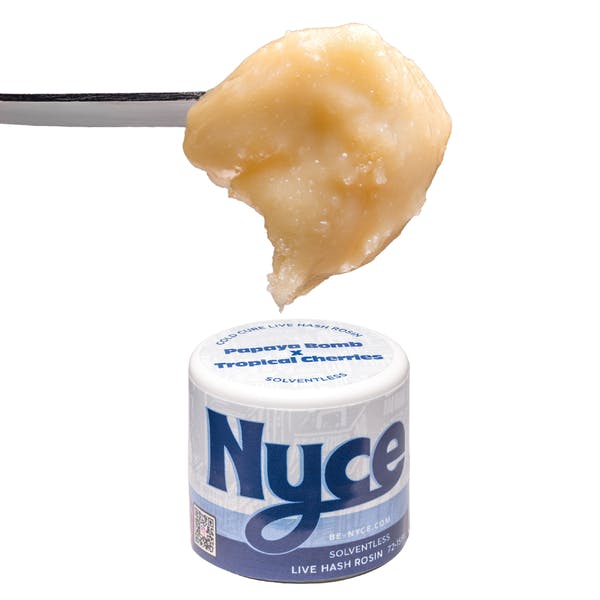
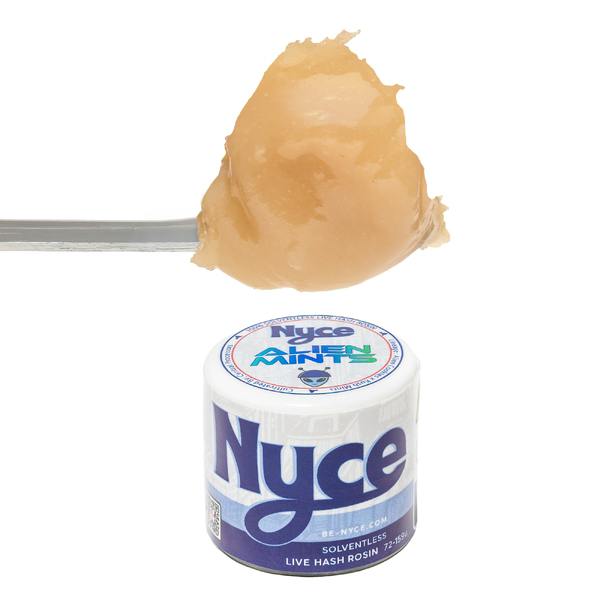
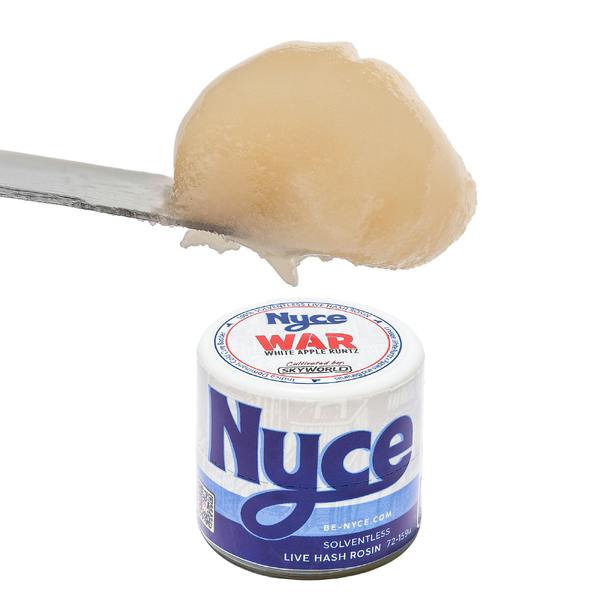
Rosin is a solventless cannabis extract made by applying heat and pressure to cannabis flower, kief, or bubble hash. Unlike BHO (butane hash oil) or CO₂ extracts, no chemical solvent is introduced at any stage of production. The result is a full-spectrum concentrate whose terpene and cannabinoid content reflects the source material directly. For adult-use shoppers in Midwood exploring concentrates for the first time, this distinction is meaningful: rosin's purity is verifiable on its certificate of analysis, and its flavor profile is typically more nuanced than solvent-based alternatives.
Yes. Rosin sold through a licensed New York adult-use dispensary is fully legal for consumers 21 and older under New York State law. Kings County, which includes Midwood and the 11230 ZIP code, falls under the jurisdiction of the New York Office of Cannabis Management. Any licensed retailer operating in New York is required to carry only products that have passed third-party testing for potency and safety. Purchasing from unlicensed sources carries legal risk and offers none of the consumer protections that regulated retail provides.
Flower rosin is pressed directly from dried and cured cannabis flower — the most accessible and typically the most affordable tier. Hash rosin begins with bubble hash (made via ice-water extraction) before pressing, producing a more refined, higher-potency product with less plant material carried through. Live rosin uses fresh-frozen cannabis, harvested and immediately frozen to preserve volatile terpenes that drying destroys. Each tier offers a different balance of flavor intensity, potency, and price. For Midwood shoppers new to concentrates, flower rosin is a reasonable starting point; hash or live rosin rewards more experienced consumers.
Rosin is sensitive to both heat and light. The older housing stock common near Coney Island Avenue and along the residential blocks off Avenue M often includes steam radiators and limited climate control, which can create warm indoor conditions. For short-term storage — within one to two weeks — an airtight silicone or glass container kept in a cool, dark location is sufficient. For longer storage, refrigeration in a sealed container is preferable. Avoid frequent temperature fluctuations, which can alter the consistency of the rosin and degrade its terpene profile over time.
Flower rosin from licensed New York producers typically tests between 60 and 75 percent total THC. Hash rosin and live rosin frequently exceed 75 percent, with some premium products reaching into the low 80s. These figures are significantly higher than dried flower, which generally tests between 18 and 30 percent. The practical implication for adult-use consumers in Midwood is that a very small quantity — a fraction of what you might use with flower — is sufficient, particularly for those building familiarity with concentrates. Starting low and going slow is the standard guidance.
Because rosin preserves the native terpene chemistry of its source material, the COA terpene panel is the most useful tool available to a discerning shopper. Myrcene, one of the most common terpenes in cannabis, is associated with a relaxing, grounding quality and is prevalent in many classic indica-leaning cultivars. Limonene tends toward brighter, more uplifting profiles. Caryophyllene, which also binds to CB2 receptors, contributes a spiced, peppery note and may support a calming character. Ask your budtender to pull the terpene panel — not just the THC number — before selecting a product.
Yes. ZenZest Cannabis Dispensary offers free same-day delivery to the 11230 ZIP code, which covers Midwood, Brooklyn, on qualifying orders over $100. Rosin products from licensed New York producers are eligible for delivery. All deliveries arrive in compliant, sealed packaging with the required documentation. This is a practical option for Midwood residents who commute via the B or Q trains and prefer to receive their order at home rather than adding a stop to their route.
A traditional dab rig produces the fullest expression of rosin's terpene and flavor profile, but it is not the only option. Electronic dab devices — sometimes called e-rigs or electronic nectar collectors — offer temperature control and portability without the torch and hardware complexity of a traditional rig setup. Alternatively, a small amount of rosin can be added to a flower bowl or rolled into a joint as a concentrate topper, which requires no additional equipment beyond what a typical flower consumer already owns. This method is less thermally precise but provides a meaningful potency and flavor elevation.
Rosin can be appropriate for consumers new to concentrates, with the right tier and consumption approach. Flower rosin at the lower end of the potency range — closer to 60 percent THC — is more forgiving than hash rosin or live rosin, which can test significantly higher. The key principle for any adult-use concentrate newcomer is to begin with a very small amount, wait a reasonable period to gauge the effect before consuming more, and choose a comfortable, familiar environment. Brooklyn College-area residents new to the category are well advised to consult with a licensed dispensary budtender before purchasing.
Every product sold through a licensed New York adult-use dispensary is required to have a certificate of analysis from an accredited third-party laboratory. For rosin, this document will include total THC and CBD potency, a terpene panel, and confirmation that the product passed testing for pesticides, heavy metals, and microbial contaminants — as well as residual solvents (confirming that none are present, as expected for a solventless product). Reputable dispensaries make this documentation available either at the counter or through a QR code on the product packaging. Always review it before purchasing.
Pick your store
We'll show pricing, deals, and delivery zones for the store you pick. You can switch any time from the header.