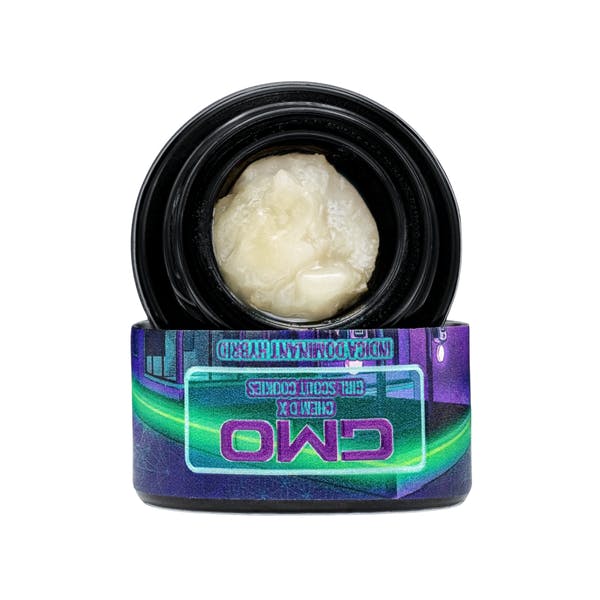
On sale· 20% OFF
THC 70.7%Indica-Hybrid
UmamiiUmamii | Live Rosin Jar | GMO · 2g
$80.00$100.00
$93after tax

weeddispensarynearme.com
You must be 21 years or older to enter. By entering, you confirm you’re of legal age in your state to purchase cannabis.
For use only by adults 21+ • Keep out of reach of children
Midtown Manhattan — the corridor of Broadway marquees, the kinetic pulse of Times Square, and the measured calm of Bryant Park — draws a sophisticated adult crowd that increasingly turns to rosin as its concentrate of choice. Solventless, expressive, and rich with natural terpene character, rosin suits the discerning pace of New York County's most storied ZIP codes: 10018, 10019, and 10036.
About Rosin
Rosin occupies a distinct and increasingly respected corner of the New York licensed cannabis market. Unlike extracts produced with hydrocarbon or CO₂ solvents, rosin is made entirely through heat and pressure — a process that preserves the living chemistry of the source plant with minimal intervention. The result is a concentrate that retains its full terpene profile, offering nuance that mass-market vape cartridges rarely approach. New York's Office of Cannabis Management licenses a growing roster of processors authorized to produce and sell solventless concentrates, and rosin has emerged as a premium tier within that category. Shoppers browsing licensed dispensary shelves in 2024 and beyond will encounter several rosin formats: fresh-press rosin, made immediately after harvest and noted for its bright, almost citrusy aromatic signature; cold-cure rosin, which undergoes a low-temperature rest that transforms its texture into a velvety, budder-like consistency; and hash rosin, pressed from ice-water-extracted bubble hash, widely regarded as the most refined expression of solventless craft. Potency in rosin products typically ranges from the mid-50s to the low-80s in THC percentage, though total cannabinoid profiles — including minor cannabinoids like CBG and CBC — often tell a more complete story than THC alone. The entourage effect, a widely discussed concept in cannabis science, suggests that these compounds interact synergistically, and rosin's preservation of that full spectrum is one reason connoisseurs seek it out. Adults new to concentrates should follow general guidance to start low and go slow, as even a small amount of rosin is considerably more potent than flower by weight. Within New York's regulated adult-use framework, all rosin sold at licensed dispensaries must pass state-mandated laboratory testing for pesticides, residual solvents, and microbial contaminants. Purchasing through licensed channels in ZIP codes 10018, 10019, and 10036 — rather than unlicensed storefronts — is the only way to guarantee that compliance.
Rosin for Midtown shoppers
Midtown Manhattan operates on a particular rhythm. The morning commute through the West 40s and 50s feeds office towers along Sixth and Seventh Avenues; by evening, those same blocks transform into a theater district audience flowing in and out of Broadway houses along 44th and 45th Streets. Bryant Park, tucked just east of Sixth Avenue at 42nd Street, functions as an outdoor living room for the neighborhood — a place where the tension of a packed workday genuinely exhales. For the adult cannabis consumer navigating this environment, rosin offers a form of intentionality that fits Midtown's sensibility. It is not a casual, convenience-driven product; it requires a dab rig or a quality rosin-compatible vaporizer, and it rewards the user who takes time to appreciate what is in the jar. That deliberate quality appeals to the theater-goer who wants a well-considered pre-show experience at home in Hell's Kitchen before crossing into the 10036 ZIP, or the finance professional in a Sixth Avenue tower who approaches recreation with the same research mindset applied to work. The climate of Midtown also matters. Winters along Broadway can be biting, with wind channeled sharply down the avenues, making outdoor consumption impractical for much of the year. Rosin's indoor-focused format is well-suited to that reality. Summers in the 10019 ZIP — where the edge of Central Park South provides some relief — invite a more expansive mood, and the brighter, more aromatic fresh-press rosins tend to align with that seasonal shift. Year-round, rosin serves a consumer who is willing to invest in quality because the environment around them already demands it.
What to look for
Selecting a quality rosin begins with understanding texture, and texture begins with process. Fresh-press rosin is typically oily and pourable, with a vivid aromatic presence — look for a clean, almost luminous color ranging from pale gold to amber, with no dark edges that might suggest oxidation. Cold-cure rosin, by contrast, presents as a soft, whipped consistency; the best examples hold their shape at room temperature without weeping excess oil. Hash rosin, the most labor-intensive format, should be evaluated for color clarity and a complex, layered scent — anything with a harsh or chemical note is worth questioning. Terpene profiles are the most reliable guide to the experience a rosin will deliver. Myrcene-dominant rosins, common in strains with Kush lineage, tend toward a relaxing, grounding quality suited to winding down after a long Broadway Wednesday matinee. Limonene and terpinolene are associated with brighter, more uplifting characters, and rosins expressing those terpenes are often a better fit for social occasions or an evening that starts at a rooftop bar in the West 50s. Caryophyllene, a spicy, peppery terpene that also interacts with CB2 receptors, appears frequently in strains that connoisseurs describe as balanced. For Midtown consumers new to concentrates, format is a practical consideration. A portable electronic dab device — sometimes called an e-rig or a wax pen compatible with rosin's viscosity — is realistic for a Hell's Kitchen apartment or a Midtown hotel suite. Desktop dab rigs offer a fuller experience but require more setup. Whichever path you choose, begin with a rice-grain-sized amount and allow adequate time to assess the effect before returning for more. The potency differential between rosin and flower is meaningful, and patience is its own form of luxury.
Why ZenZest for rosin in Midtown
ZenZest Cannabis Dispensary's Staten Island location at 2343 Forest Ave, Staten Island, NY 10303 — approximately 12.7 miles from the heart of Midtown Manhattan — carries a curated selection of New York-licensed rosin and solventless concentrates sourced from regulated processors. The staff is trained to speak to the distinctions between fresh-press, cold-cure, and hash rosin formats, making it a worthwhile destination for consumers who want a more considered purchasing conversation than a retail queue typically allows. For adults in ZIP codes 10018, 10019, and 10036 who prefer to shop from within Midtown itself, ZenZest extends free same-day delivery on orders over $100 to more than 80 New York ZIP codes. Rosin, given its compact format and premium price point, often meets that threshold without difficulty. Orders placed through the ZenZest platform arrive in discreet, compliant packaging — a detail that matters in a neighborhood where building lobbies are staffed and discretion is a baseline expectation.
ZenZest Staten Island · 2343 Forest Ave, Staten Island, NY 10303 · 12.7 miles from Midtown.
$93after tax
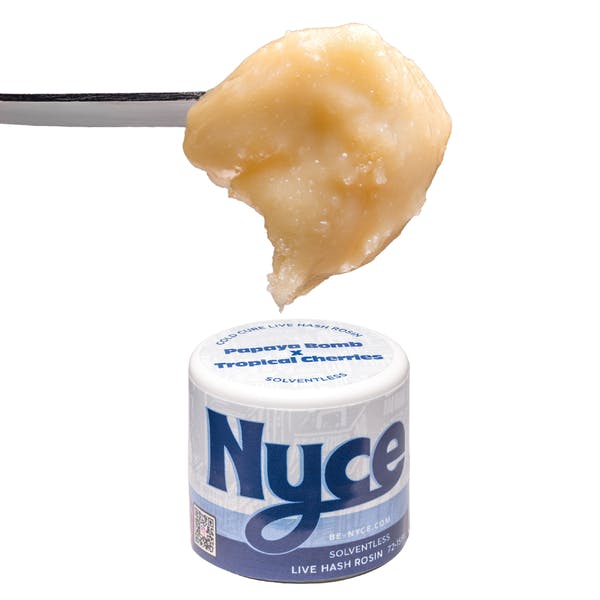
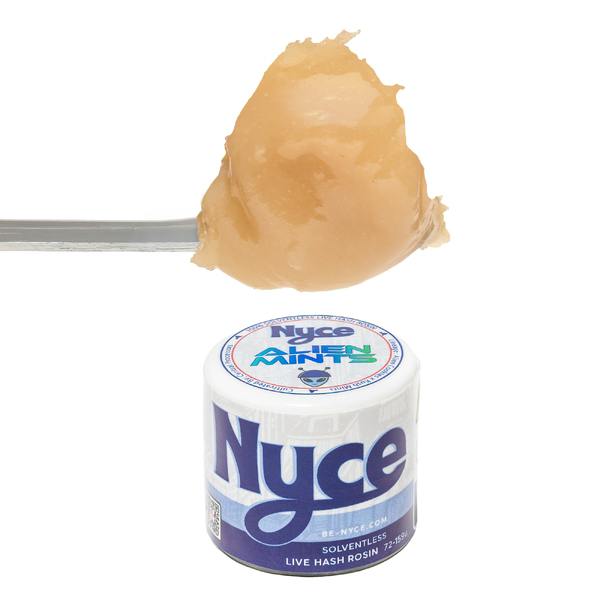
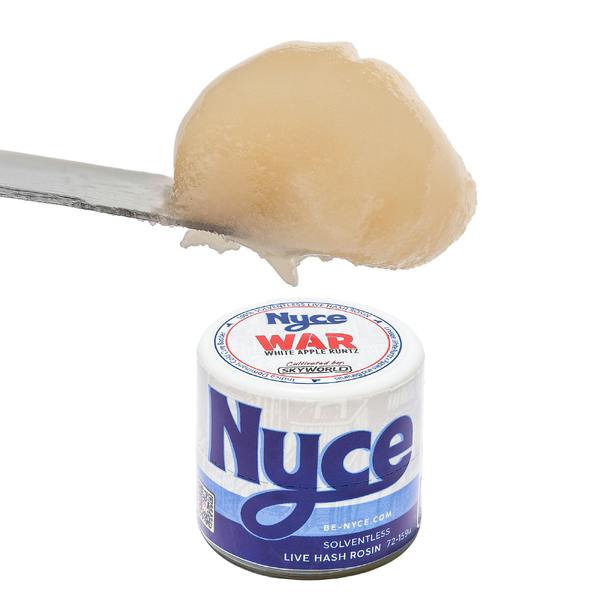
Rosin is produced using only heat and mechanical pressure — no butane, ethanol, or CO₂ is introduced at any stage. For a consumer in Midtown who approaches food and drink with ingredient-label awareness, that distinction carries weight. The absence of solvents means no residual chemical compounds need to be purged from the final product. New York's licensed testing regime still screens for a range of contaminants, but solventless processing removes an entire category of concern from the conversation before the lab even opens its doors.
Yes, as a category, rosin is considerably more potent by weight than flower. While New York-licensed flower typically ranges from roughly 15 to 30 percent THC, rosin commonly tests between the mid-50s and low-80s. This does not make rosin inherently superior — it simply means that the effective dose is much smaller. Adults new to concentrates, including experienced flower consumers, are consistently advised to begin with a very small amount and wait a full 15 to 30 minutes before reassessing. This guidance applies regardless of prior cannabis experience.
Fresh-press rosin is extracted and jarred immediately, preserving a bright, high-moisture terpene expression that many describe as closest to the living plant. Cold-cure rosin undergoes a controlled low-temperature resting period that alters its texture to a soft, budder-like consistency and mellows its aromatic profile. Hash rosin is pressed from bubble hash rather than whole flower or sift, representing an additional processing step and generally commanding a higher price. For a Midtown consumer prioritizing aroma and immediate character, fresh-press is a strong starting point. Those who prefer a more workable texture for a portable device may find cold-cure more practical.
New York State law prohibits cannabis consumption in any location where smoking tobacco is not permitted, which encompasses virtually all public outdoor spaces in Midtown, including Bryant Park and the Times Square pedestrian plazas. Cannabis consumption is also prohibited in vehicles and most shared residential spaces without landlord authorization. Rosin is an indoor concentrate by practice as well as by regulation — it requires a device, a heat source, and a controlled setting. Adults in ZIP codes 10018, 10019, and 10036 are best served enjoying rosin in a private residence or a permitted cannabis-friendly venue.
The two most practical options for a Midtown apartment or hotel suite are an electronic dab device — sometimes called an e-rig — and a rosin-compatible wax pen or portable vaporizer. E-rigs offer temperature precision and a more complete vaporization experience, important for preserving rosin's terpene character. Portable wax pens are discreet and travel-friendly but vary widely in quality; look for models with low-temperature settings, as high heat degrades terpenes and can produce a harsh, less nuanced result. Traditional glass dab rigs with a torch are also an option but require more setup and are less suited to transient Midtown living arrangements.
Rosin is sensitive to heat, light, and oxygen — all of which accelerate terpene degradation and can alter texture. The ideal storage environment is a cool, dark place; a refrigerator set above freezing works well for short-term storage, while a dedicated cannabis refrigerator or a cool pantry shelf suffices for most consumers. Airtight glass jars — ideally the sealed jar the rosin was packaged in — prevent oxidation. In a Midtown apartment where summer heat can push interior temperatures, refrigeration is particularly advisable during warmer months to maintain the product's aromatic integrity and consistency.
New York's licensed testing framework requires laboratory analysis of cannabinoid content, and many processors voluntarily include terpene data on packaging or certificates of analysis. These figures are accurate to the testing moment but can shift subtly over time as terpenes volatilize. When shopping, use terpene profiles as a directional guide rather than a precise prescription. A rosin high in myrcene and linalool will trend toward relaxing qualities; one dominated by limonene or pinene will skew toward a more alert, clear-headed character. Ask dispensary staff or review the COA attached to the product for specifics before purchasing.
ZenZest Cannabis Dispensary offers free same-day delivery on orders exceeding $100 across more than 80 New York ZIP codes, which encompasses the Midtown corridors of 10018, 10019, and 10036. Rosin products, given their premium pricing relative to flower, frequently reach that threshold within a single-item order. Delivery arrives in discreet, compliant packaging suited to doormen-staffed buildings and residential towers common throughout the West 40s and 50s. Confirming your specific ZIP's eligibility at checkout takes only a moment and is recommended before finalizing any order.
Live resin and rosin are both considered premium concentrates, but they differ fundamentally in process. Live resin is made using frozen fresh-harvested plant material extracted with hydrocarbon solvents — typically butane — which are then carefully purged. It is not solventless. Rosin, as noted, uses only heat and pressure. Both categories aim to preserve terpene richness, and both represent a significant step above standard distillate in aromatic complexity. A consumer committed to a solventless experience will always choose rosin; one more focused on price-per-gram at a comparable terpene level may find live resin a competitive alternative.
Hash rosin from small-batch licensed New York processors typically occupies the highest tier of the concentrate market, often ranging from roughly $60 to $100 or more per gram depending on the cultivar and producer. Fresh-press and cold-cure flower rosins generally sit somewhat lower, though quality examples still command a premium over solvent-based extracts. Midtown consumers accustomed to paying for craft and provenance in food, wine, and spirits will find the pricing logic familiar. The investment reflects labor-intensive processing, limited batch sizes, and the full-spectrum character that mass-produced alternatives do not replicate.
Pick your store
We'll show pricing, deals, and delivery zones for the store you pick. You can switch any time from the header.