On sale· 20% OFF
THC 81.28%·CBD 0.26%Indica-Hybrid
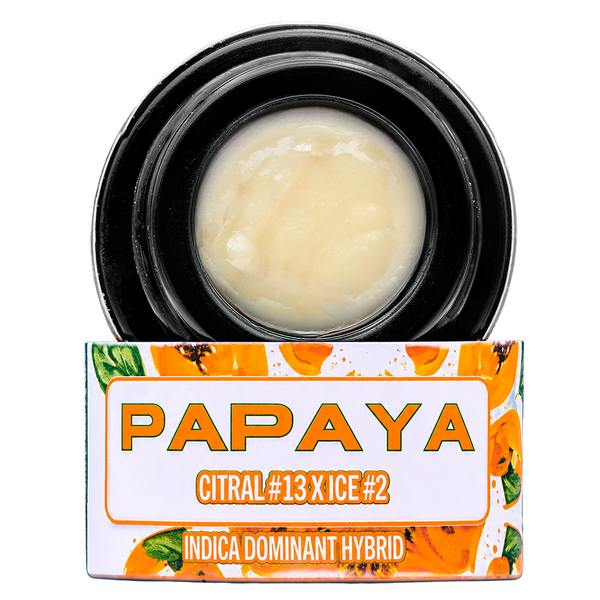
UmamiiUmamii | Live Rosin Jar | Papaya · 2g
$80.70$100.88
$94after tax

weeddispensarynearme.com
You must be 21 years or older to enter. By entering, you confirm you’re of legal age in your state to purchase cannabis.
For use only by adults 21+ • Keep out of reach of children
Midtown West moves at a relentless pace — Broadway curtain calls, Hell's Kitchen dinner rushes, and the perpetual hum of Eighth Avenue at midnight. For adults 21 and older who prefer their cannabis without solvents, rosin has become the concentrate of choice in this neighborhood: a pressure-and-heat-extracted product that honors the plant and respects the schedule of the people who live and work here.
About Rosin
Rosin sits at the intersection of craft and chemistry, though chemistry in the traditional sense plays no role whatsoever. Unlike butane hash oil or other hydrocarbon extracts, rosin is produced exclusively through mechanical pressure and carefully calibrated heat, which means no residual solvents reach the final product. That distinction matters enormously to the discerning New York consumer who has spent years reading labels on everything from natural wine to cold-pressed olive oil. The standard of transparency that defines premium food culture translates directly into the appeal of solventless cannabis concentrates. New York's adult-use market, regulated by the Office of Cannabis Management, requires licensed dispensaries to carry products with verified cannabinoid and terpene lab panels. For rosin specifically, this means shoppers can examine precise figures for THC, minor cannabinoids such as CBG and CBC, and the full terpene profile before committing to a purchase. That level of disclosure is relatively new in the broader cannabis landscape and positions NY-licensed rosin as among the most traceable concentrate product in the country. Within the solventless category, several formats exist. Fresh-press rosin is extracted from freshly frozen flower and retains a higher proportion of volatile terpenes, yielding a more aromatic, nuanced experience. Cured rosin, derived from dried and cured flower, tends toward a firmer consistency and slightly more traditional flavor profile. Live rosin, widely regarded as the pinnacle of the category, begins with fresh-frozen material and passes through ice-water extraction before the final pressing step, producing a product that many connoisseurs describe as the closest analog to consuming the living plant itself. Consumers new to concentrates should approach rosin with the same measured curiosity they would apply to a first pour of a high-proof aged spirit. Potency can range considerably — from modest expressions in the mid-sixties percentage range to full-spectrum live rosins that climb higher — and starting low and going slow remains the relevant guidance for anyone building their tolerance baseline.
Rosin for Midtown West shoppers
Midtown West occupies a peculiar position in New York's urban fabric. By day, it belongs to the theater industry, the hospitality sector, and the enormous foot traffic that spills out of Times Square along 42nd and 44th Streets toward Ninth and Tenth Avenues. By night, it transforms into something more intimate: a neighborhood of pre-theater bars on Restaurant Row, late-night diners on Eighth Avenue, and the quiet residential pockets of Hell's Kitchen that have survived and adapted through decades of Manhattan reinvention. The residents of ZIP codes 10019 and 10036 tend to be sophisticated, time-pressed, and comfortable investing in quality when quality is clearly defined. For that demographic, rosin's solventless purity functions as a kind of shorthand for intentionality — the same instinct that draws a person to a Saturday greenmarket rather than a mid-week grocery run. The concentrate format also suits the particular rhythms of this neighborhood. A Broadway stagehand finishing a late load-out, a Hell's Kitchen chef wrapping a double shift, or a hotel industry professional navigating a compressed weekend schedule all share one trait: they value efficiency and discretion. Rosin, used with a quality portable dab device or a well-designed electronic rig, delivers a precise, controlled experience that fits into the margins of a demanding day rather than reshaping the entire afternoon. Winter along Eighth Avenue can feel notably exposed — the corridor between 34th and 57th Streets channels wind off the Hudson with particular efficiency — which makes the warming, full-body quality associated with indica-forward and hybrid rosin selections especially relevant when temperatures drop across the 10036 zip code. Conversely, lighter sativa-leaning selections suit the kinetic energy of the neighborhood during warmer months when Times Square's ambient noise and brightness are at their seasonal peak.
What to look for
When evaluating rosin at any licensed New York dispensary, the terpene panel is the first document worth consulting. Myrcene, a terpene common in indica-leaning cultivars, contributes an earthy, slightly fruity quality and is often associated with a heavier, more relaxing character. Limonene lends citrus brightness and tends to accompany more uplifting profiles. Caryophyllene, a spicy and peppery terpene that also binds to certain receptors in the body, appears frequently in well-rounded hybrid rosins and is worth seeking out for an evening wind-down after a long shift in Midtown's hospitality or entertainment sectors. Terpinolene and pinene round out many sativa-forward selections and pair naturally with the kind of focused but sociable energy that Hell's Kitchen evenings often call for. Format trade-offs are worth understanding before committing to a purchase. Rosin purchased in jar form — sometimes called badder, batter, or sauce depending on consistency — is best suited to consumers who already own a dab rig or a quality electronic device such as a portable e-rig. Rosin pressed into vape cartridge form (solventless carts) offers a middle path: the purity of the extraction method with the convenience of a format familiar to casual cannabis consumers. Some producers also offer rosin pre-rolls, where the concentrate is incorporated into or applied around a flower pre-roll, providing a meaningful potency upgrade without requiring any additional hardware. For the Midtown West shopper, convenience and consistency matter in equal measure. Look for rosin from licensed New York cultivators with consistent batch-to-batch lab results, clearly labeled harvest and extraction dates, and terpene totals — not just THC percentage — that tell a complete story about the product. A rosin with a thoughtfully assembled terpene profile at a moderate THC level will frequently outperform a higher-percentage product with an incomplete or uninformative label.
Why ZenZest for rosin in Midtown West
ZenZest Cannabis Dispensary operates a location at 2343 Forest Ave, Staten Island, NY 10303 — approximately 12.7 miles from the heart of Midtown West — and maintains a curated selection of licensed New York cannabis products that includes solventless concentrate options across multiple formats and potency ranges. The store's inventory reflects the same quality-forward perspective that Midtown West residents bring to other premium purchases, with staff who can walk a first-time concentrate shopper through terpene panels and format options without pressure or jargon overload. For adults 21 and older who prefer to shop from home, ZenZest offers free same-day delivery on orders over $100 to more than 80 New York ZIP codes, including the 10019 and 10036 zip codes that cover Midtown West and Hell's Kitchen. That delivery footprint means a carefully selected rosin — perhaps a live badder from a New York licensed producer, chosen by reviewing the lab panel online — can arrive the same day without requiring a trip across borough lines. For a neighborhood that runs on precision and convenience, same-day delivery from a licensed, regulated dispensary is a meaningful amenity.
ZenZest Staten Island · 2343 Forest Ave, Staten Island, NY 10303 · 12.7 miles from Midtown West.
$94after tax
$99after tax

$99after tax
$93after tax
Rosin is a solventless cannabis concentrate produced by applying controlled heat and pressure to cannabis flower, hash, or kief. Unlike butane hash oil, CO2 extracts, or distillate, rosin contains no chemical solvents at any stage of production. In New York's licensed adult-use market, all concentrates carry lab-verified cannabinoid and terpene panels, but rosin's solventless nature makes it a preferred choice for consumers in ZIP codes like 10019 and 10036 who prioritize ingredient transparency and clean extraction methods.
Cured rosin is pressed from dried, cured flower and offers a more traditional concentrate flavor with a firmer consistency. Fresh-press rosin comes from freshly frozen material pressed without an intermediate hash-washing step, preserving a higher proportion of volatile aromatic terpenes. Live rosin — widely considered the premium tier — starts with freshly frozen flower, passes through an ice-water washing process to produce bubble hash, and is then pressed into the final product. For Midtown West shoppers investing in their first quality rosin, live rosin generally represents the fullest expression of the source cultivar's character.
Traditional rosin consumption requires a dab rig — a water pipe fitted with a quartz banger or ceramic nail — and a torch to heat the surface. A more accessible entry point for Midtown West residents is a portable electronic rig, which regulates temperature automatically and eliminates the open flame entirely, a practical consideration in apartment buildings along Eighth Avenue or the residential side streets off Broadway. Solventless rosin cartridges, compatible with standard 510-thread batteries, require no additional hardware beyond what many vape users already own.
A terpene panel lists individual aromatic compounds by percentage of the total product weight. For rosin, total terpene content above two percent generally indicates a more expressive, flavorful product. Pay attention to the dominant terpenes: myrcene tends toward relaxing, earthy qualities; limonene toward brightness; caryophyllene toward a grounded, slightly spicy profile. For a Midtown West resident wrapping a theater industry shift or a late hospitality service, matching the terpene profile to the intended occasion — wind-down versus socializing — is a practical framework.
Yes, rosin is considerably more concentrated than cannabis flower. While licensed New York flower products commonly test in the low-to-mid twenties percentage range for THC, rosin can range from the mid-sixties to the low eighties or beyond. For adults 21 and older who are new to concentrates, starting low and going slow is the applicable guidance — a portion no larger than a grain of rice is a reasonable starting point for those without an established concentrate tolerance. There is no medical guidance implied here; personal pacing and individual response vary.
ZenZest Cannabis Dispensary offers free same-day delivery on orders over $100 to more than 80 New York ZIP codes, and both 10019 and 10036 — the Midtown West and Hell's Kitchen coverage area — fall within that delivery footprint. Orders from the ZenZest Staten Island location at 2343 Forest Ave are dispatched by licensed delivery agents and arrive in compliant, discreet packaging. Purchasers must be 21 or older and present valid identification upon delivery.
Rosin consistency varies by extraction technique, cultivar, and storage conditions. Common textures include badder or batter, which are soft and whipped and easy to work with a dab tool; sauce, which has a more fluid, terpene-rich character; and cold-cure rosin, which firms up in refrigeration into a more crumbly, waxy form. For Midtown West residents storing product in apartments — which can run warm year-round due to building heating systems — keeping rosin refrigerated or in a cool, dark space helps preserve both consistency and terpene integrity.
Yes, a growing number of New York licensed producers now offer solventless rosin cartridges — sometimes labeled as live rosin carts — that use the concentrate itself as the fill rather than distillate or CO2 oil. These products carry a noticeably more complex terpene profile than standard vape cartridges and appeal to Midtown West consumers who want the portability and discretion of a cartridge without compromising on the solventless standard. Lab panels on these products will reflect the terpene richness that distinguishes rosin from other cartridge formats.
Every cannabis product sold through a licensed New York adult-use dispensary is required to carry an OCM-compliant label that includes the licensed producer's name, license number, a unique batch or lot identifier, cannabinoid test results from an accredited laboratory, and a harvest or extraction date. Rosin purchased through ZenZest or any other licensed New York dispensary will meet these requirements. Consumers in the 10019 and 10036 zip codes should avoid unlicensed storefronts, which operate outside state oversight and carry products with no verified lab testing.
Given the neighborhood's mix of creative industry professionals, hospitality workers, and theater-adjacent residents, versatility is the practical priority. For post-shift decompression on a quiet Hell's Kitchen block, myrcene and linalool-forward rosins offer a calming, settled quality. For social occasions — a gathering before a Broadway show or an after-hours creative session — limonene and terpinolene profiles tend toward a more animated, communal energy. Caryophyllene, a terpene present across many hybrid rosins, functions well as a bridge between focus and relaxation and suits the variable demands of a Midtown West day.
Pick your store
We'll show pricing, deals, and delivery zones for the store you pick. You can switch any time from the header.