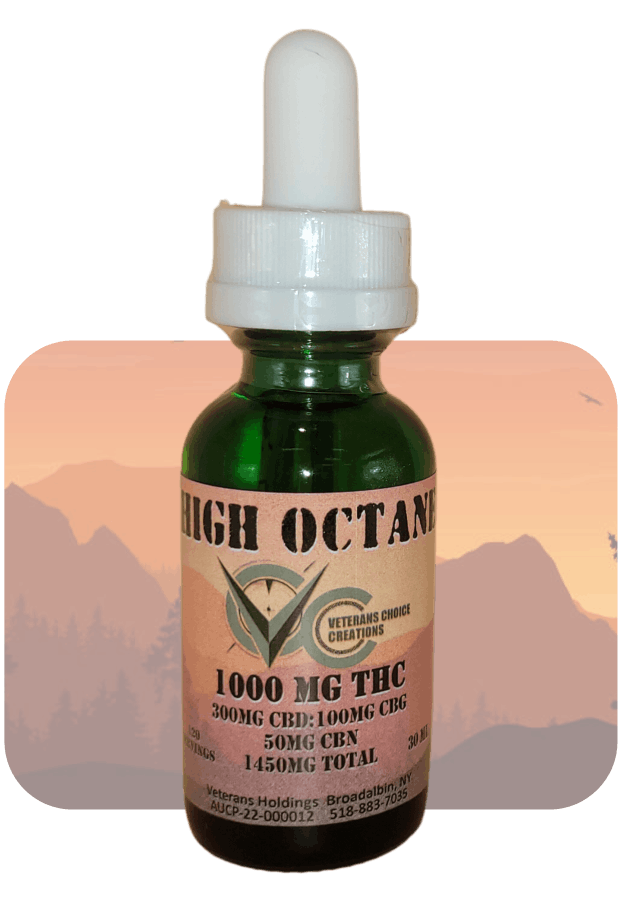
THC 4.41%·CBD 1.58%Hybrid
Veteran's Choice CreationsVETERANS CHOICE CREATIONS | 30ML | TINCTURE | HIGH OCTANE · .1g
$53.10
$60after tax

weeddispensarynearme.com
You must be 21 years or older to enter. By entering, you confirm you’re of legal age in your state to purchase cannabis.
For use only by adults 21+ • Keep out of reach of children
Midtown East moves at a particular velocity — Grand Central's concourse at rush hour, the glass towers along Lexington Avenue, the deliberate lunch crowds threading down 3rd Avenue toward the Lipstick Building. For adults 21 and over who prefer their cannabis measured, discreet, and precisely integrated into that rhythm, tinctures have emerged as the category worth knowing in ZIP codes 10017 and 10022.
About Tinctures
Cannabis tinctures occupy a quiet but significant corner of New York's licensed adult-use market. Unlike flower or concentrate formats, tinctures are liquid extracts — typically suspended in MCT oil, hemp seed oil, or ethanol — that deliver cannabinoids sublingually or, when swallowed, through digestion. The sublingual route, placing drops under the tongue and holding for sixty to ninety seconds, allows compounds to absorb directly into the bloodstream through mucous membranes, producing effects that many users report noticing within fifteen to forty-five minutes. Swallowed as a food additive, tinctures behave more like edibles, with a slower and longer arc. New York's Office of Cannabis Management licenses dispensaries to carry tinctures produced by state-licensed processors, meaning every bottle on a legal shelf has passed laboratory testing for cannabinoid potency, residual solvents, pesticides, heavy metals, and microbial contaminants. Certificates of analysis should accompany every product, and reputable retailers will make them available on request. That regulatory rigor matters for a category where milligram accuracy is central to the experience. The cannabinoid profiles available in the New York market range from THC-dominant and CBD-dominant expressions to balanced 1:1 and even minor-cannabinoid-forward formulations incorporating CBG or CBN. Some processors add terpene blends to approximate specific cultivar characters; others keep the oil clean and flavorless. Bottle sizes typically run from 15 ml to 30 ml, with droppers calibrated to deliver a standard serving, making tinctures one of the more metrically honest formats in the category. For the adult consumer navigating New York's licensed market for the first time, tinctures represent a relatively forgiving entry point: the dose is visible, the format is familiar (a dropper bottle is not categorically different from a vitamin supplement), and the experience can be modulated over time. General guidance holds to start low and go slow — establish a baseline before adjusting.
Tinctures for Midtown East shoppers
Midtown East is one of the densest professional corridors in the country. The blocks between 42nd and 59th Streets along Lexington Avenue host a concentration of corporate headquarters, boutique law firms, and financial services offices that fill Grand Central's lower concourse every weekday morning with commuters arriving from Westchester, Long Island, and Connecticut. The neighborhood's residential population — concentrated in the white-glove co-ops along Park Avenue and the newer condominiums between 2nd and 3rd Avenues — tends toward established professionals and empty-nesters who value discretion, quality, and efficiency. That demographic profile maps naturally onto the tincture category. A product that arrives in a small, unmarked-looking bottle, requires no combustion, produces no odor, and can be incorporated into a morning coffee or an evening glass of water fits the Midtown East lifestyle in ways that other formats simply do not. There is no outdoor terrace to smoke on; there is a corner office, a hotel suite at the InterContinental or the Beekman, a 40th-floor apartment with east-facing views toward the Queensboro Bridge. The commute itself is another relevant axis. Grand Central Terminal at 42nd and Park sees over 750,000 people daily. For those traveling home to the suburbs after a long session in a midtown office, a tincture taken sublingually during an early evening wind-down carries a different kind of utility than an edible with an unpredictable two-hour onset or a pre-roll that requires outdoor use in variable November weather. The format respects the neighborhood's architecture of the day.
What to look for
Shopping for tinctures in a licensed New York dispensary rewards a bit of advance literacy. The first variable to examine is the cannabinoid ratio. THC-dominant tinctures (roughly 5 mg THC or more per serving) will produce more pronounced psychoactive effects and suit consumers with some prior experience; CBD-dominant and balanced 1:1 formulations offer a more subdued profile and are frequently selected by those seeking calm without significant intoxication. Neither is universally superior — the right ratio depends entirely on individual tolerance, occasion, and intention. Terpenes are worth asking about even in a tincture context. Some processors incorporate strain-specific or custom terpene blends into their oil, which can meaningfully influence character: myrcene is associated with a heavier, more relaxing quality; limonene with a brighter, more lifted one; linalool with a notably calm and smooth experience. A tincture that tastes of nothing in particular may be a clean-oil extraction without added terpenes, which is neither better nor worse, simply a different design choice. For the Midtown East shopper, format trade-offs deserve specific attention. Sublingual absorption is faster than swallowing and more predictable for dose-finding; adding drops to a beverage at dinner converts the tincture effectively into an edible with a corresponding delay. MCT-oil carriers are neutral in flavor and widely tolerated; ethanol-based tinctures have a sharper taste but may absorb more readily under the tongue. Bottle size matters when thinking about the cost per milligram of cannabinoid — a 30 ml bottle at 500 mg total THC offers a different economy than a 15 ml bottle at 150 mg. Certificate-of-analysis review, particularly the potency panel, is the single most practical step any careful shopper can take.
Why ZenZest for tinctures in Midtown East
ZenZest Cannabis Dispensary serves the Midtown East community through its Staten Island location at 2343 Forest Ave, Staten Island, NY 10303 — approximately 13.2 miles from the 10017 and 10022 ZIP codes that define this neighborhood. The store carries a curated selection of New York State licensed tinctures alongside the full spectrum of adult-use categories, with staff trained to discuss cannabinoid ratios, terpene profiles, and certificate-of-analysis details without pressure or prescription. For Midtown East residents and workers who prefer not to make the trip, ZenZest offers free same-day delivery on orders over $100 across more than 80 New York ZIP codes — a practical option for a neighborhood where parking is a foreign concept and a lunch break rarely stretches to an outer-borough errand. Orders can be assembled thoughtfully, and the delivery format suits the Midtown East preference for seamless, discreet service. Adults 21 and over may browse current tincture inventory and confirm delivery eligibility directly through the ZenZest platform.
ZenZest Staten Island · 2343 Forest Ave, Staten Island, NY 10303 · 13.2 miles from Midtown East.
$60after tax
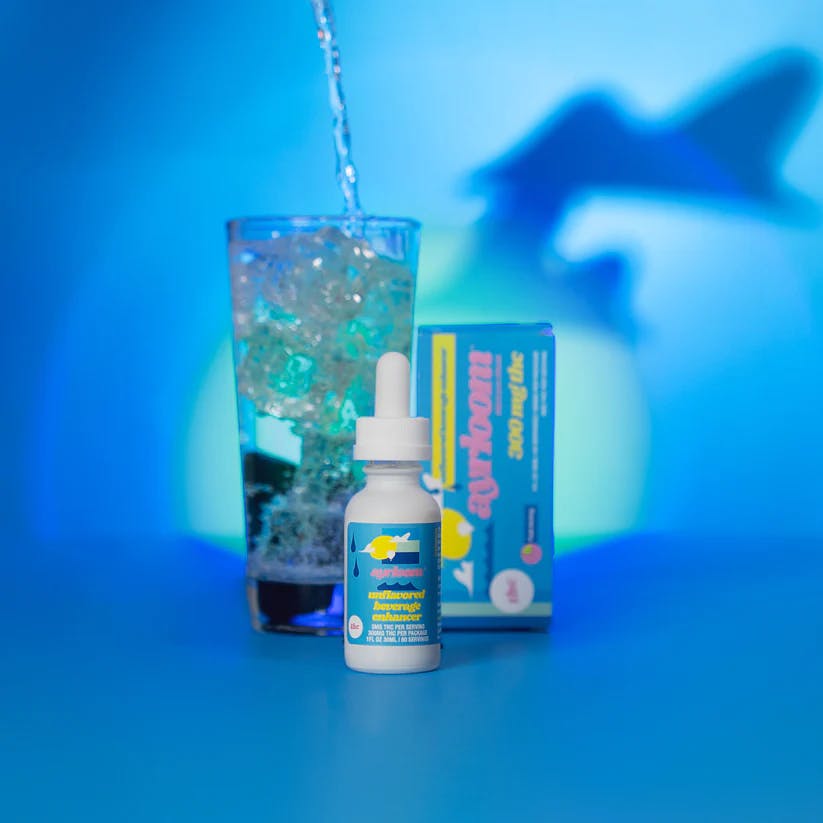
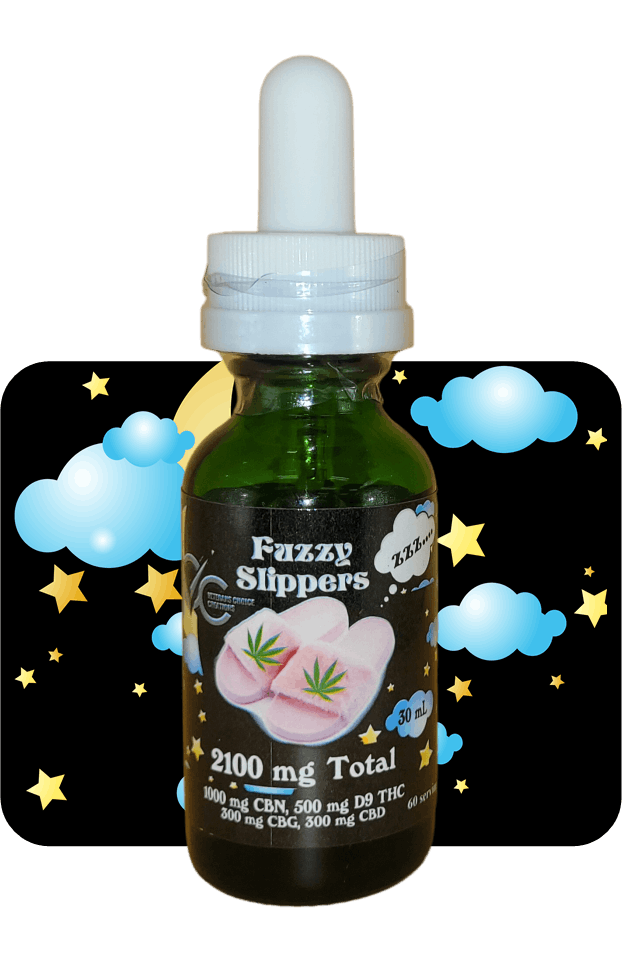
$50after tax
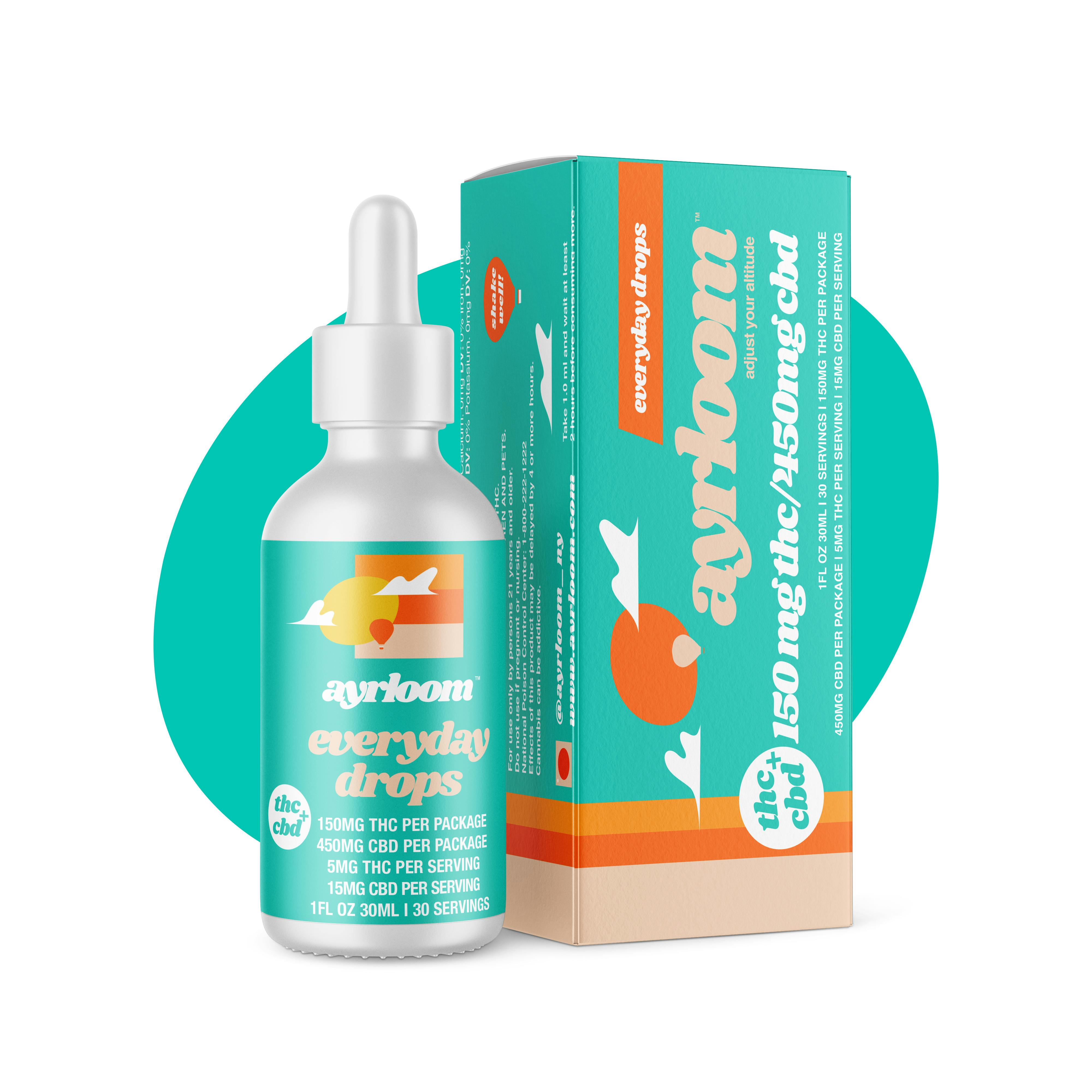
$34after tax
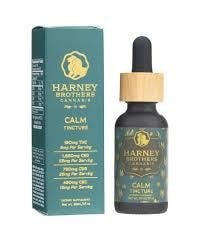
$49after tax
Yes. Under New York State adult-use cannabis law, licensed dispensaries may sell cannabis tinctures to any person 21 years of age or older. Midtown East ZIP codes 10017 and 10022 fall within New York County, which is fully within the adult-use sales framework regulated by the Office of Cannabis Management. All products sold through licensed retailers must carry laboratory testing documentation confirming potency and safety profiles.
Sublingual administration involves placing drops under the tongue and holding them for sixty to ninety seconds before swallowing. This allows cannabinoids to absorb through mucous membranes directly into the bloodstream, and many users report noticing effects within fifteen to forty-five minutes. Oral ingestion — adding drops to food or drink and swallowing — routes cannabinoids through the digestive system and liver, producing a slower onset comparable to an edible, often sixty to one hundred twenty minutes, with a characteristically longer duration.
The widely accepted principle in adult-use cannabis is to start low and go slow. For most licensed New York tinctures, a single serving is indicated on the label and typically delivers between 2.5 mg and 10 mg of THC. Beginning at the lower end of that range — particularly sublingually — allows you to establish a personal baseline before adjusting in subsequent sessions. Waiting a full two hours after an oral dose before reassessing is especially important given the delayed onset of digested cannabinoids.
Cannabis tinctures in oil or ethanol suspension produce minimal to no detectable odor during use, which distinguishes them sharply from flower, concentrate, or vaporizer formats. For Midtown East residents living in co-op buildings with strict building rules, professionals using a product in a private office, or hotel guests at properties on Lexington Avenue or 3rd Avenue, the odorless character of tinctures is a practical and social advantage worth factoring into format selection.
The most common carriers in the New York licensed market are MCT oil (medium-chain triglyceride, typically derived from coconut), hemp seed oil, and food-grade ethanol. MCT oil is flavorless, widely tolerated, and does not require refrigeration. Hemp seed oil carries a mild, nutty taste and contains its own fatty acid profile. Ethanol-based tinctures have a sharper flavor but may facilitate faster sublingual absorption for some users. None is categorically superior; preference tends to be personal and palatability-driven.
New York State law prohibits the on-premises consumption of cannabis at unlicensed venues, which includes standard restaurants and bars. Adding a tincture to a drink at such an establishment would not be legally permitted. Licensed consumption venues, where they exist and are open, represent the compliant option for social use outside the home. In practical Midtown East terms, tinctures are most sensibly used in private residential or hotel settings within ZIP codes 10017 and 10022.
For a wind-down occasion following a demanding professional day, terpene profiles emphasizing myrcene, linalool, or beta-caryophyllene are frequently referenced in consumer literature for their association with calm and physical ease. Linalool in particular carries a floral, slightly lavender-adjacent character. These terpenes appear in some tinctures as part of cultivar-derived or formulated terpene additions. Asking your licensed retailer whether a given tincture's certificate of analysis includes a terpene panel is the most reliable way to confirm what is present.
Most cannabis tinctures in MCT or hemp seed oil benefit from storage in a cool, dark location away from direct light and heat. A cabinet away from a stove or sunny windowsill is sufficient for most products. Ethanol-based tinctures are generally stable at room temperature for extended periods. Some manufacturers recommend refrigeration after opening, which is noted on the label. Properly stored tinctures typically maintain potency and quality through their labeled use-by date, which New York licensed products are required to carry.
ZenZest Cannabis Dispensary offers free same-day delivery on qualifying orders of $100 or more across more than 80 New York ZIP codes. Midtown East residents and workers in ZIP codes 10017 and 10022 should confirm their specific address eligibility directly through the ZenZest platform when placing an order. The nearest physical location is the Staten Island store at 2343 Forest Ave, approximately 13.2 miles from the neighborhood, for those who prefer to shop in person.
Balanced 1:1 CBD-to-THC tinctures are carried by a number of New York State licensed processors and are available at licensed retail locations. Consumers who select them often describe an interest in moderate psychoactive effect paired with the broader cannabinoid profile that CBD contributes. For Midtown East shoppers new to tinctures or returning to cannabis after a long interval, a 1:1 formulation at a modest total THC serving size is a commonly recommended starting point under the start low, go slow principle.
Pick your store
We'll show pricing, deals, and delivery zones for the store you pick. You can switch any time from the header.