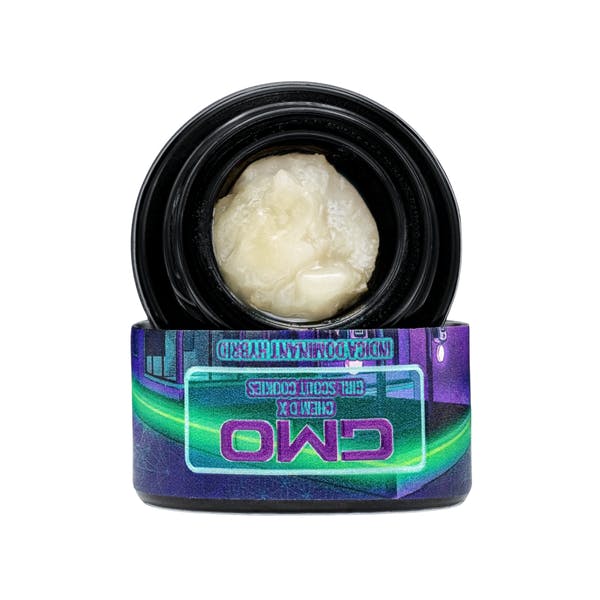
On sale· 20% OFF
THC 70.7%Indica-Hybrid
UmamiiUmamii | Live Rosin Jar | GMO · 2g
$80.00$100.00
$93after tax

weeddispensarynearme.com
You must be 21 years or older to enter. By entering, you confirm you’re of legal age in your state to purchase cannabis.
For use only by adults 21+ • Keep out of reach of children
Midtown East moves at a pace few neighborhoods can match — Grand Central's great hall humming with commuters, Lexington Avenue lined with corporate towers, the quiet residential stretch of 10022 tucked just east of Park. For the adult consumer who appreciates precision and craft, solventless rosin has become the concentrate of choice along this corridor, offering a purity that mirrors the neighborhood's exacting standards.
About Rosin
Rosin occupies a singular position in the New York licensed cannabis market. Unlike hydrocarbon or CO₂ extracts, rosin is produced exclusively through the application of heat and pressure — no chemical solvents, no residual agents, no post-processing purge required. What emerges from a well-pressed batch of quality flower or fresh-frozen ice-water hash is a translucent, terpene-rich oil that reads almost like a live record of the original cultivar. For consumers in New York navigating a still-maturing legal market, that transparency is genuinely meaningful. The spectrum of rosin available through NY licensed retailers ranges from flower rosin — pressed directly from dried and cured bud — to hash rosin, widely considered the premium tier. Hash rosin begins with bubble hash or dry-sift extracted from fresh-frozen or cured material, then undergoes a secondary press that dramatically concentrates terpenes and cannabinoids. The resulting product carries a complexity of aroma and effect that flower rosin, while excellent, rarely matches at the same potency ceiling. New York's OCM-licensed producers have invested heavily in solventless technology over the past two years, and the state's output now rivals markets in California and Colorado. Potency in rosin typically runs between 65 and 85 percent total cannabinoids, with hash rosin often landing toward the higher end of that range. That is a meaningful leap from a high-end flower sitting at 25 to 30 percent, and it demands a calibrated approach — start low, go slow is the universal guidance for any concentrate category, and rosin is no exception. New consumers accustomed to flower should consider beginning with a rice-grain-sized portion and waiting to fully assess effects before continuing. Texture varies considerably and often signals quality and storage conditions. A fresh, well-made hash rosin may present as a glossy badder or a firm, cold-cure batter. Some producers allow their rosin to set into a more stable, jammy consistency. Sauce-style rosin, where THCA diamonds or crystalline structures separate into a terpene-rich liquid, is also found among premium New York brands. All are legitimate presentations — texture is largely a function of pressure, temperature, and curing protocols rather than a direct indicator of potency.
Rosin for Midtown East shoppers
Midtown East has one of the most compressed daily rhythms in the country. The streets around Grand Central Terminal — 42nd Street feeding into Lexington, the Vanderbilt corridor, the quieter residential blocks of East 50s between Second and Third Avenues — cycle through waves of commuters, finance professionals, hotel guests, and longtime residents in a way that leaves little tolerance for imprecision. The adult-use consumer here tends to be intentional: they research before they purchase, they value discretion, and they have strong preferences formed by experience in other markets. Rosin fits this profile with particular elegance. It is portable in small quantities — a single gram travels easily, requires no elaborate setup for home use, and produces minimal odor in storage when properly sealed. For the 10017 or 10022 resident returning on the Metro-North or commuting home down Third Avenue, a concentrate that delivers a controlled and predictable experience from a measured amount is far more practical than packing a bowl or rolling anything at the end of a long day. The solventless process also appeals to the health-conscious consumer demographic that characterizes much of this zip code's professional class. Seasonally, Midtown East winters are sharp — wind channels between the towers on Lex and Third Avenue make outdoor consumption essentially nonexistent from November through March. Rosin's at-home use case dominates in those months, with consumers gravitating toward batter and badder textures that are easy to handle with a dab tool even in a warm apartment. In summer, when the neighborhood empties slightly on weekends and rooftop access opens up, smaller, discreet vaporizer-compatible rosin formats become more relevant.
What to look for
When evaluating rosin in a retail setting, the first data point worth examining is the starting material. Hash rosin derived from fresh-frozen full-melt bubble hash represents the highest expression of solventless craft — look for producers who specify the ice-water hash grade (commonly rated by micron screen and full-melt designation) on their packaging or lab documentation. Flower rosin is more accessible in price and still excellent in quality if pressed from well-cured, terpene-forward cultivars, but the distinction matters when comparing two products at different price points. Terpene profile is where rosin genuinely separates itself from solvent-based concentrates. Because no chemical extraction is involved, the volatile terpene compounds that define a cultivar's character survive the process far more intact. When reading a certificate of analysis, look for total terpene percentages above 3 percent as a general benchmark of expressive material — many premium hash rosins land between 4 and 8 percent. Key terpenes to note for effect and experience include myrcene (associated with relaxing, sedating qualities), limonene (citrus-forward, uplifting character), caryophyllene (peppery, often chosen for evenings), and terpinolene (floral, creative-leaning). For the Midtown East consumer decompressing after a demanding workday, cultivars heavy in linalool or myrcene may align well with that specific occasion. Format trade-offs are also worth considering. Badder and batter are the most user-friendly — soft, scoopable, and consistent with each use. Rosin in a sauce format can separate in the jar, requiring a gentle stir before use. Pressure-extruded rosin sold in a syringe is among the most discreet and compatible with standard 510-thread vaporizer hardware, though purists argue that heat-calibrated dab rigs best preserve the full terpene range. For a Midtown East resident with limited counter space and a preference for minimal equipment, a syringe-loaded portable vaporizer or an e-rig designed for concentrates represents the most practical entry point.
Why ZenZest for rosin in Midtown East
ZenZest Cannabis Dispensary serves the Midtown East cannabis consumer from its Staten Island location at 2343 Forest Ave, Staten Island, NY 10303 — approximately 13.2 miles from the heart of the 10017 and 10022 zip codes. The store carries a curated selection of New York OCM-licensed solventless rosin from producers across the state, with staff who can speak to provenance, starting material, and terpene character in the kind of detail that a discerning shopper in this neighborhood expects. The buying floor is organized with the same editorial clarity one would hope to find in a luxury specialty retailer. For Midtown East residents who prefer not to make the trip, ZenZest offers free same-day delivery on orders over $100 to more than 80 New York zip codes, including coverage throughout Manhattan. A curated order placed before the daily delivery cutoff arrives without requiring anyone to navigate Lexington Avenue traffic or restructure a workday around a retail errand. For concentrate consumers who regularly purchase rosin in quantities that meet that threshold, the delivery model is both practical and consistent with the pace of life along this corridor. Visit zenzestny.com to confirm delivery availability for your specific zip code.
ZenZest Staten Island · 2343 Forest Ave, Staten Island, NY 10303 · 13.2 miles from Midtown East.
$93after tax
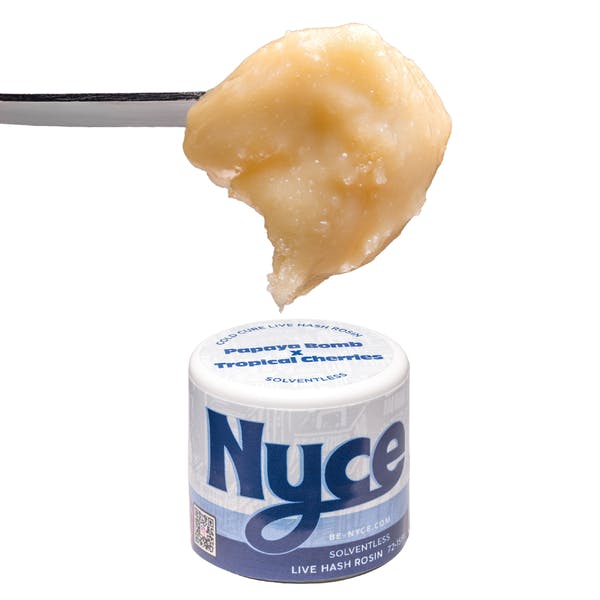
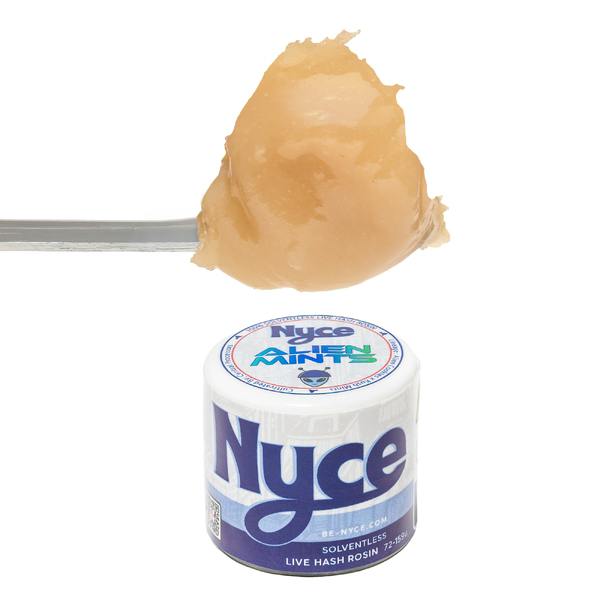
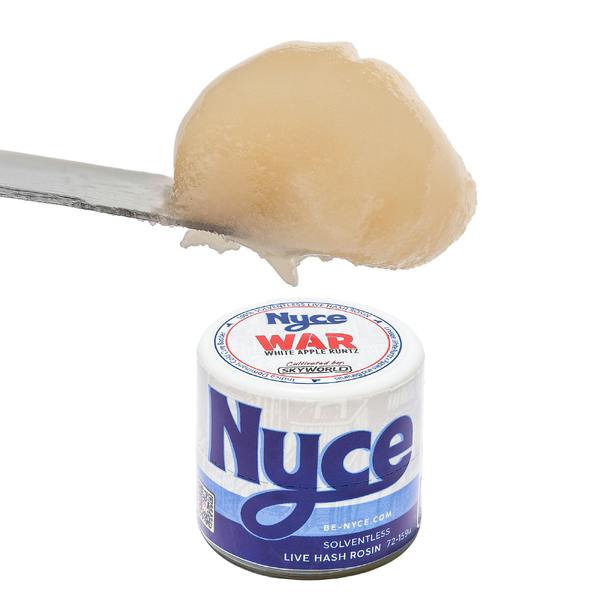
Rosin is a solventless concentrate, meaning it is produced entirely through the application of heat and pressure rather than chemical extraction agents like butane, ethanol, or CO₂. No solvent purge is required, which preserves a broader range of volatile terpene compounds and eliminates any concern about residual chemicals in the final product. For New York consumers comparing concentrate options at a licensed dispensary, rosin typically sits at the premium end of the category, reflecting both the labor-intensive process and the quality of starting material required to produce a compelling product.
The distinction is real and measurable. Hash rosin begins with bubble hash or dry-sift — a pre-concentrated form of the plant's trichome heads — which is then pressed a second time. This two-stage process yields higher terpene concentrations, a cleaner flavor profile, and often greater potency than flower rosin, which is pressed directly from dried bud. The price differential reflects both the additional labor and the volume of input material required. That said, a high-quality flower rosin from an expressive cultivar will outperform a mediocre hash rosin for many consumers. Starting material quality matters more than process alone.
Most licensed New York rosin products run between 65 and 85 percent total cannabinoids, though some premium hash rosins test higher. This represents a substantial increase over flower, which typically ranges from 18 to 30 percent. New consumers — or those transitioning from flower — are strongly advised to start with a very small amount and wait a full 15 to 30 minutes before considering any additional consumption. The intensity and onset of a concentrate differ meaningfully from smoked or vaped flower, and a measured approach will consistently produce a more satisfying experience.
Rosin is sensitive to heat, light, and air exposure. In a Manhattan apartment — particularly during summer months when building temperatures can climb — storing rosin in an airtight, opaque container in the refrigerator or a cool, dark cabinet is the most practical approach. For longer-term storage beyond two to three weeks, a freezer-safe container with minimal air space will preserve terpene integrity. Allow refrigerated or frozen rosin to come fully to room temperature before opening the container, which prevents condensation from degrading the product. Silicone containers work well for batter textures; glass is preferable for sauce-style products.
Standard 510-thread vaporizers designed for distillate cartridges are not compatible with most loose rosin formats due to viscosity differences. However, rosin sold in pre-filled cartridges or syringes formulated for vaporizer use is available from several NY-licensed producers and works with compatible hardware. For home use, a portable electronic dab device or a traditional dab rig with precise temperature control offers the most complete expression of the product's terpene profile. Many experienced concentrate consumers in New York favor e-rigs for their consistency and apartment-friendly form factor.
For an evening decompression occasion after a demanding commute or workday, terpene profiles led by myrcene, linalool, or caryophyllene are commonly associated with relaxing and settling qualities. Myrcene is earthy and herbaceous; linalool carries a gentle floral character; caryophyllene reads as peppery and warm. These are not medical claims — individual responses vary — but understanding the terpene profile of a product is a useful tool for making a more informed selection. Ask dispensary staff for the certificate of analysis, which will list dominant terpenes by percentage alongside cannabinoid data.
New York's licensed cannabis market has seen significant investment in solventless production infrastructure since the OCM began issuing licenses. Several New York State cultivators and processors now produce hash rosin from locally grown material, and the quality has advanced considerably. Supporting NY-licensed producers is also a regulatory certainty — all products sold at OCM-licensed dispensaries must originate from licensed New York operators. Staff at quality dispensaries can identify which rosins in their inventory come from producers with established reputations for solventless craft within the state.
ZenZest Cannabis Dispensary offers free same-day delivery on orders over $100 across more than 80 New York zip codes. Manhattan coverage is available within that network, making it practical for residents and professionals in 10017 and 10022 to order from ZenZest's concentrate selection without traveling to either retail location. Confirm your specific zip code's eligibility at zenzestny.com prior to placing an order. All deliveries comply with New York State adult-use regulations — a valid ID confirming age 21 or older is required at the point of receipt.
Cold-cure rosin refers to a post-press technique in which freshly pressed rosin is stored at low temperatures — typically between 35 and 50 degrees Fahrenheit — over a period of days to weeks. This process encourages a specific crystalline restructuring that produces a stable, opaque batter or budder texture prized for its consistency and ease of handling. Live rosin, by contrast, refers to rosin pressed from fresh-frozen input material rather than dried and cured flower or hash. The two descriptors address different aspects of production and are not mutually exclusive — cold-cure live hash rosin represents the convergence of both premium techniques.
Yes. Under New York State's Marihuana Regulation and Taxation Act, adults 21 and older may legally purchase cannabis concentrates, including rosin, from OCM-licensed dispensaries. The adult-use possession limit for concentrated cannabis is three grams in public. Concentrates purchased from a licensed retailer are legal to possess at home in quantities consistent with lawful purchase. Always carry proof of purchase when transporting concentrate products, and review current OCM guidelines for any updates to possession or consumption regulations, as the regulatory framework continues to evolve.
Pick your store
We'll show pricing, deals, and delivery zones for the store you pick. You can switch any time from the header.