
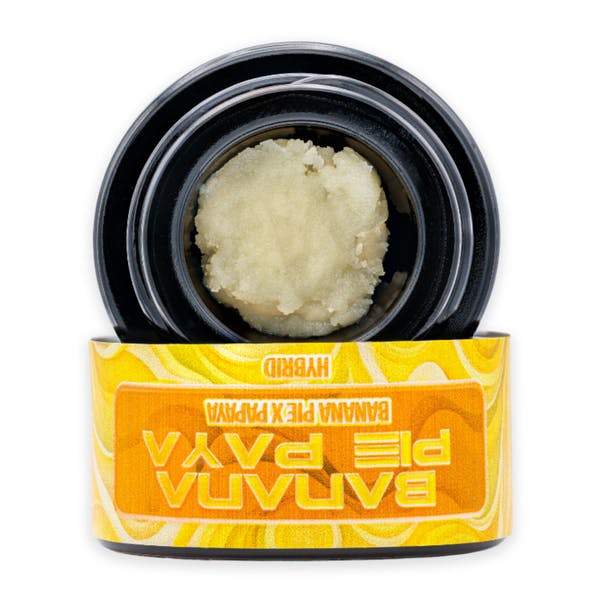
Queens · Rosin
Best Rosin in Middle Village, Queens
Middle Village, Queens — the tree-lined enclave anchored by Juniper Park and the unhurried rhythm of Metropolitan Avenue — has quietly become home to a discerning crowd of adult-use cannabis consumers who expect the same craft-forward standards from their concentrates that they demand from everything else in their lives. Rosin, the solventless pinnacle of that world, is exactly the category this neighborhood deserves.
About Rosin
Rosin occupies a singular position in the legal New York cannabis market. Unlike hydrocarbon extracts that rely on butane or propane to strip cannabinoids and terpenes from plant material, rosin is produced exclusively through heat and pressure — no solvents, no residual chemicals, no ambiguity about what ends up in the final product. The result is a concentrate that connoisseurs regard as one of the purest expressions of a cultivar's full chemical profile, preserving the fragile aromatic compounds that define a strain's character with a fidelity that other extraction methods simply cannot match. Within New York's licensed adult-use framework, rosin arrives in several distinct forms. Flower rosin is pressed directly from high-quality dried cannabis, offering an approachable entry point. Hash rosin — pressed from ice-water hash or dry-sift — sits at the premium tier, demanding more labor-intensive starting material and significantly greater craft from the processor. Both formats are available through state-licensed retailers and delivery services operating under NYSOCM (New York State Office of Cannabis Management) regulations, ensuring that every gram purchased legally carries third-party lab testing for potency, terpenes, residual solvents, and microbial contaminants. THC potency in licensed rosin products typically ranges from the mid-sixties to the low eighties on a percentage basis, though potency alone is a reductive metric for a product this nuanced. The terpene fraction — often preserved at levels far exceeding those found in cured flower — is what separates a transcendent rosin from a merely adequate one. Myrcene, caryophyllene, limonene, and the more volatile terpinolene and ocimene all survive the low-heat pressing process in ways they do not survive harsher extraction methods. For adult consumers in Queens County, the licensed market represents a meaningful quality leap over what was available before legalization. State-compliant rosin products must display cannabinoid percentages, terpene totals, harvest and extraction dates, and processor license numbers — a transparency standard that rewards the curious buyer willing to read a label.
Rosin for Middle Village shoppers
Middle Village operates at its own measured pace. Metropolitan Avenue functions as the neighborhood's quiet main street — boutique hardware stores, longtime bakeries, and family-owned restaurants that have outlasted three economic cycles. The residents here tend toward permanence: homeowners, long-tenured renters, professionals who moved out of denser western Queens for exactly the leafy calm that Juniper Park provides. Cannabis consumption in this context skews toward the considered and private — an after-dinner wind-down, a quiet weekend afternoon in the backyard, or the occasional celebratory occasion that calls for something noticeably above everyday flower. Rosin maps cleanly onto that sensibility. It is not a category built for novelty or impulse; it rewards the consumer who is willing to invest a few extra minutes researching a batch, selecting the right tool, and consuming at a measured pace. The 11379 ZIP code is also a short commute from Ridgewood, Maspeth, and Glendale, meaning that many Middle Village residents are used to navigating Queens' fragmented geography with intention — a mindset that translates naturally to the deliberate, information-driven purchase that quality rosin demands. Seasonally, Middle Village's climate makes itself felt in the concentrate category. Queens winters are cold enough that a solventless concentrate consumed at home on a Thursday evening near the Fresh Pond Road corridor feels genuinely different from a summer purchase meant for a Juniper Park afternoon. Rosin's versatility — it can be vaporized at lower temperatures for a terpene-forward experience, or dabbed conventionally for more pronounced effect — gives the neighborhood consumer a product that adapts to those shifting seasonal occasions rather than dictating them.
What to look for
Selecting rosin in the licensed New York market begins with understanding the starting material. Hash rosin pressed from six-star ice-water hash is widely regarded as the ceiling of the category — expect a lighter, more translucent appearance, complex aromatics, and a price point that reflects the labor involved. Flower rosin offers a more accessible entry, with slightly earthier flavor profiles and a lower price per gram without meaningfully sacrificing the solventless purity that defines the category. When reading product labels, look for the extraction date alongside the harvest date; fresher rosin retains more of the volatile terpene fraction that makes the product sing. Terpene profiles deserve as much attention as THC percentage when evaluating a rosin. A product rich in myrcene will tend toward a heavier, more physically relaxing character — well-suited to a quiet Middle Village evening at home. Limonene-forward rosins carry citrus-driven brightness appropriate for a more social or creative occasion. Caryophyllene, which is spicy and slightly woody, often anchors cultivars with pronounced flavor depth. For consumers new to concentrates, a terpene total above two or three percent on a lab certificate is generally a meaningful quality signal. Format trade-offs are worth considering before purchase. Fresh-press rosin is consumed closest to the pressing event and offers peak aromatics but requires refrigeration and relatively prompt use. Cured or badder-consistency rosin has been allowed to develop a more workable texture and can remain stable at room temperature for reasonable periods — a practical consideration for Middle Village buyers who may not consume concentrates daily. Regardless of format, the general guidance of starting with a small amount and waiting to assess effect before consuming more applies strongly to rosin, given its elevated potency relative to flower. A low-temperature vaporizer or electronic dab device is the most approachable hardware for newcomers to the format.
Why ZenZest for rosin in Middle Village
For Middle Village residents exploring the licensed rosin market in Queens County, ZenZest Cannabis Dispensary at 272-06 Union Tpke in Bellerose represents the nearest state-licensed retail option — approximately 8.6 miles from the 11379 ZIP code, a straightforward drive east along Union Turnpike. ZenZest's Queens location carries a curated selection of adult-use concentrates sourced from licensed New York processors, with staff trained to walk customers through lab certifications, terpene profiles, and format distinctions without pressure. The premium, unhurried retail environment aligns with the measured purchasing approach that rosin consumers typically bring to the category. For those who prefer not to make the drive, ZenZest extends free same-day delivery on orders over one hundred dollars to more than eighty New York ZIP codes, with 11379 among the eligible areas. Ordering rosin for delivery removes the logistical friction entirely — products arrive in compliant, discreet packaging with all required labeling intact. Whether the preference is in-store selection with direct staff guidance or the convenience of doorstep delivery, ZenZest provides a licensed, accountable channel for Middle Village adults seeking quality solventless concentrates.
ZenZest Queens · 272-06 Union Tpke, Bellerose, NY 11004 · 8.6 miles from Middle Village.
Live rosin for Middle Village
Full rosin menu →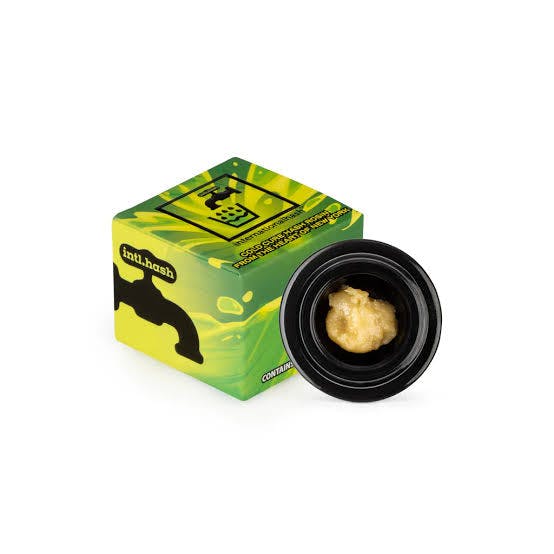
THC 75.73%Hybrid
INTERNATIONAL HASHInternational Hash | Cold Cure Hash Rosin | Grapefruit Hybrid · 1g
$66.37
$75after tax
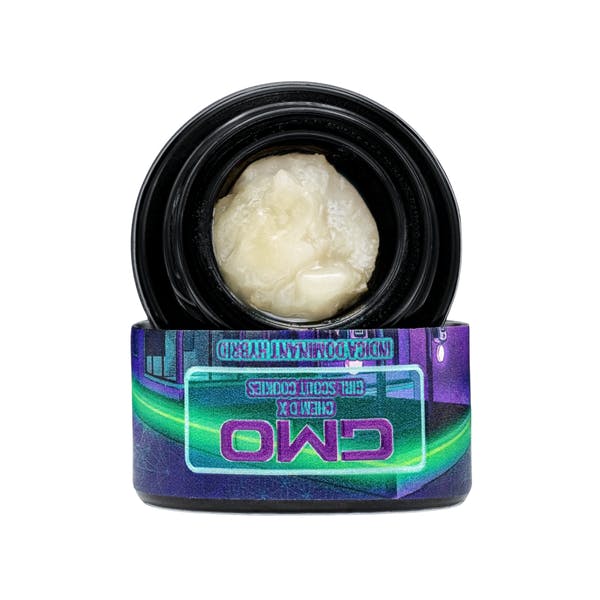
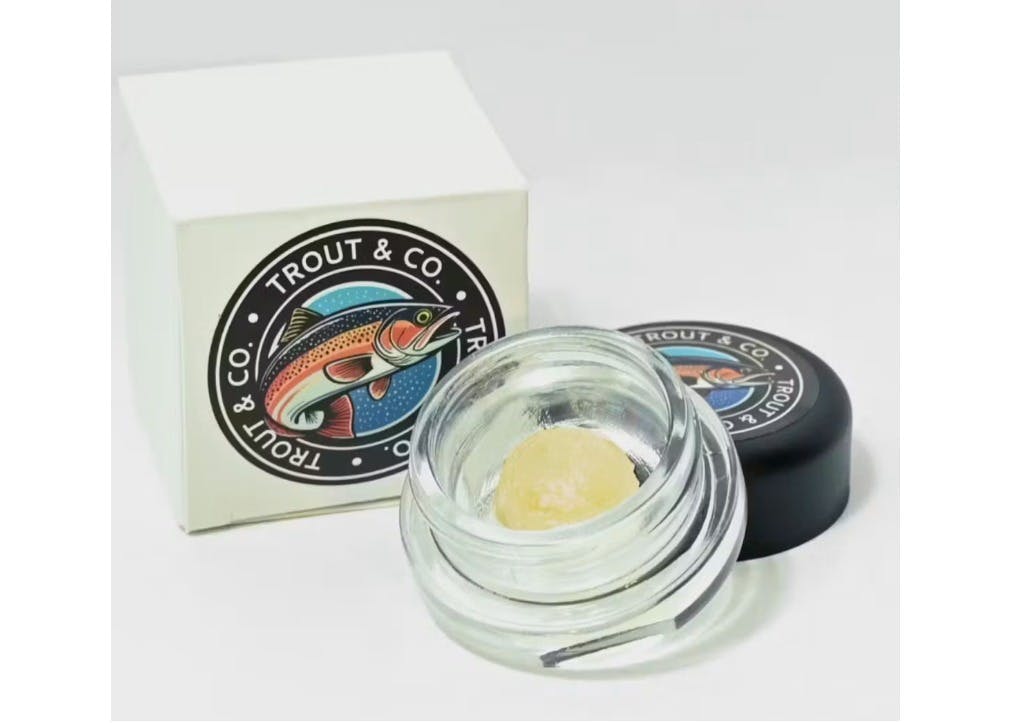
THC 77.52%Hybrid
Trout & Co.Trout & Co. | Super Funk | Live Rosin Private Reserve · 1g
$88.50
$100after tax
Rosin in Middle Village — answers
What exactly makes rosin 'solventless,' and why does that matter for a New York consumer?+
Rosin is produced using only heat and mechanical pressure — no butane, propane, ethanol, or CO2 is introduced during extraction. For New York adult-use consumers, this matters primarily because licensed lab testing for solventless products still screens for residual solvents, and rosin consistently returns non-detectable results in that category. Beyond regulatory assurance, the absence of solvents means the terpene fraction of the plant is preserved more completely, yielding a flavor and aroma profile that closely mirrors the living plant. It is a process-integrity argument as much as a chemistry one.
Is rosin significantly stronger than the flower I might buy at a licensed New York dispensary?+
Yes, in terms of THC percentage, rosin typically tests between sixty-five and eighty-two percent cannabinoids by weight, compared to the eighteen to thirty percent range common in licensed New York flower. That concentration difference is meaningful. Consumers accustomed to smoking or vaporizing flower should approach rosin with genuine caution on quantity — a rice-grain-sized amount is a reasonable starting reference — and allow adequate time to assess effect before consuming more. New York's adult-use framework makes no medical claims about dosing, but the 'start low, go slow' principle applies with particular force to concentrates.
How should I store rosin purchased from a licensed Queens dispensary or delivered to my Middle Village address?+
Storage conditions meaningfully affect rosin quality over time. Fresh-press and live rosin products benefit from refrigeration — ideally in an airtight, opaque silicone or glass container — to preserve the volatile terpene fraction and slow oxidation. Cured rosin and badder-texture products are more stable at cool room temperature but should still be kept away from direct light and heat sources. In Middle Village's warmer summer months, even stable-format rosin benefits from cooler storage. Most licensed New York products carry a best-by date; consuming within that window, with proper storage, ensures the product performs as the processor intended.
What hardware do I need to consume rosin at home in Middle Village?+
The two most common methods are a traditional dab rig with a quartz banger and torch, or an electronic vaporizer designed for concentrates — often called an e-rig or electronic dab device. For beginners in the category, an electronic device offers temperature control that protects terpenes at lower settings and removes the variable of open-flame torches. Some rosin products, particularly softer badder consistencies, can also be used with certain vaporizer cartridge-compatible devices designed for loose concentrates. None of this hardware is sold through cannabis licensees under current New York rules, but it is widely available at specialty retailers throughout Queens.
Does rosin from a licensed New York processor carry lab testing I can actually read and verify?+
Yes. Every licensed adult-use concentrate sold in New York must include a certificate of analysis from a state-approved third-party laboratory. That certificate covers total THC and CBD potency, the terpene panel, residual solvent screening (relevant even for solventless products as a baseline), heavy metals, pesticides, and microbial contamination. The license number of the processor is printed on the packaging, allowing consumers to cross-reference with the NYSOCM public registry. When purchasing rosin at ZenZest or through its delivery service, staff can provide or direct you to the relevant COA for the specific batch.
What terpenes should I prioritize when selecting rosin for a relaxing evening near Juniper Park?+
For a calm, unwinding occasion — the kind that suits a quiet evening in Middle Village's residential streets after a long week — myrcene-dominant rosin is a widely cited choice among enthusiasts. Myrcene is the most abundant terpene in cannabis broadly and is associated with heavier, more grounding aromatic character. Linalool, which carries floral and slightly woody notes, is another terpene worth noting on a COA for evening use contexts. These are not medical claims, and individual responses to terpene profiles vary considerably, but reading the terpene panel on a licensed product's lab certificate is a meaningful starting point for matching a product to a specific occasion.
How does the price of licensed rosin in Queens compare to other concentrate formats?+
Within the New York licensed market, rosin occupies the premium tier of the concentrate category. Flower rosin generally runs higher per gram than distillate cartridges or live resin products, and hash rosin — particularly from named, craft processors — commands a further premium that reflects the labor-intensive starting material. That price differential is a real consideration, and it is honest to acknowledge it. The trade-off is process transparency, terpene fidelity, and a product that many experienced consumers regard as categorically different in quality. For Middle Village shoppers placing delivery orders over one hundred dollars with ZenZest, free same-day delivery partially offsets the per-gram premium.
Can I have rosin delivered to a Middle Village address in the 11379 ZIP code?+
Yes. ZenZest Cannabis Dispensary offers free same-day delivery on qualifying orders over one hundred dollars to more than eighty New York ZIP codes, and 11379 is among the eligible areas. Delivery operates under the same state-licensed adult-use framework as in-store retail — valid government-issued ID confirming age twenty-one or older is required at the door, and products arrive in compliant, labeled packaging. Ordering online allows Middle Village residents to review the full product catalog, including terpene panels and potency data, before purchase.
Is there a meaningful difference between 'live' rosin and standard rosin on a licensed New York product label?+
Yes, and the distinction is worth understanding before purchasing. Standard rosin — whether flower or hash rosin — is pressed from dried and cured starting material. Live rosin is produced from fresh-frozen plant material, harvested and frozen immediately to preserve the full terpene and cannabinoid profile before curing degrades it. The result in live rosin is typically a more complex, aromatic product with a terpene fraction closer to the living plant. It is also more expensive and more perishable. For a Middle Village consumer making an occasional premium purchase, live rosin represents the top of the category; for regular use, standard hash rosin offers a compelling balance of quality and value.
What should first-time concentrate consumers from the Middle Village area know before purchasing rosin?+
Several things are worth internalizing before a first rosin purchase. The potency is substantially higher than flower on a percentage basis, and the effect onset — particularly with inhalation methods — is rapid. Starting with the smallest practical quantity and waiting a full fifteen minutes before any additional consumption is sensible guidance. Having the appropriate hardware ready before the product arrives matters, as rosin cannot be consumed without a dab rig or concentrate vaporizer. Finally, reading the lab certificate — specifically the total THC percentage and terpene panel — before purchasing gives a first-time buyer more meaningful information than the product name or packaging design alone.