
Queens · Rosin
Best Rosin in Maspeth, Queens
Maspeth, Queens has always rewarded those who appreciate craft — from the independent workshops along Maurice Avenue to the quiet industrial pride that defines this corner of 11378. Solventless rosin fits that ethos precisely. Pressed from flower or hash without chemical solvents, it is among the most honest concentrates available in New York's licensed adult-use market, and discerning shoppers here have taken notice.
About Rosin
Rosin occupies a distinctive position in the New York licensed cannabis market. Unlike hydrocarbon extracts that rely on butane or propane to strip cannabinoids and terpenes from plant material, rosin is produced entirely through heat and pressure. The result is a full-spectrum concentrate that retains the plant's original terpene profile with minimal intervention — what many consumers describe as the clearest expression of a given cultivar. In New York's regulated dispensary environment, licensed rosin must be manufactured by a state-licensed processor, tested for residual solvents (which, by definition, should be absent), pesticides, and potency before it reaches retail shelves. The category itself spans several sub-formats. Fresh-press rosin is extracted from recently harvested, uncured flower and typically presents a saucier, more fluid consistency with an especially vivid terpene expression. Cured-flower rosin, made from dried and cured bud, tends toward a more stable, badder-like texture that is easier to handle. Hash rosin — pressed from ice-water hash or dry-sift — sits at the top of the craft pyramid, offering exceptional clarity and potency, often testing between 65 and 85 percent total cannabinoids, with terpene percentages that can surprise even experienced consumers. For New Yorkers accustomed to scrutinizing sourcing — whether in food, fashion, or real estate — rosin's supply chain transparency is part of its appeal. Every gram can be traced back to a licensed cultivator and processor, and reputable dispensaries will carry batch-specific certificates of analysis. Knowing the harvest date, the cultivar, and the pressing conditions allows a shopper to make genuinely informed decisions rather than choosing on packaging alone. New York's adult-use market has matured enough that rosin is no longer a specialty oddity; it is a legitimate, stocked category at quality dispensaries across the five boroughs and beyond. Still, availability varies, and freshness matters more here than in almost any other concentrate format. Terpenes degrade with time and improper storage, so purchasing from a retailer that moves inventory quickly and stores product refrigerated is worth prioritizing.
Rosin for Maspeth shoppers
Maspeth sits in a quiet but purposeful part of Queens — bounded by Grand Avenue to the north, Maurice Avenue threading through its commercial and light-industrial core, and Newtown Creek tracing its southern and western edges. The neighborhood draws a working population: tradespeople, logistics professionals, small-business owners, and long-tenured Queens families who tend to value straightforward quality over trend-chasing. That pragmatic sensibility maps well onto the rosin category, where the product's value is legible — no mystery inputs, no residual chemistry, just plant material and mechanical force. Seasonal considerations also shape how residents here engage with concentrates. Maspeth winters can be raw and grey, and the creek-adjacent air carries a particular damp chill from November through March. During those months, a small amount of rosin used at home with a dab rig or a concentrate-compatible vaporizer offers a warm, measured ritual that fits naturally into evenings spent indoors. Spring and summer bring a different rhythm: the neighborhood's blocks loosen up, rooftops and backyard gatherings become social spaces, and portable options — rosin-filled cartridges or a discreet dab pen loaded with badder — become more practical for the adults of 11378 who prefer flexibility. The commuter profile is also relevant. Many Maspeth residents travel by the Q18, Q29, or Q47 bus routes rather than a direct subway line, meaning downtime between transit connections is common. Products that require zero prep — a pre-loaded concentrate pen, for instance — are well suited to that reality. For those who dab at home, the after-work winding-down occasion is a natural fit for rosin's relatively clean, terpene-forward experience.
What to look for
Evaluating rosin in a licensed New York dispensary begins with the certificate of analysis. Look for total cannabinoid content (typically 65–82 percent for hash rosin, somewhat lower for flower rosin), but pay equal attention to the terpene panel. A rosin with two to five percent total terpenes is considered expressive; anything above that is exceptional. Dominant terpenes like myrcene suggest a relaxing, earthy character, while limonene and terpinolene point toward brighter, more energetic profiles. Caryophyllene, common in many Queens-accessible cultivars, adds a subtle spice and is the only terpene known to interact with CB2 receptors. Understanding these compounds helps a shopper choose based on desired effect and flavor rather than THC percentage alone. Format trade-offs matter. A jar of fresh-press rosin offers the richest experience for home dab rigs, but requires a dab tool, a rig, and some practice — not always convenient after a long day on Maurice Avenue. Rosin badder has a scoopable, stable consistency that tolerates minor temperature swings better than fresh-press, making it more forgiving to store and use. Rosin cartridges, while slightly modified in viscosity to flow through hardware, preserve much of the solventless character and suit consumers who want concentrate-level potency without additional equipment. For Maspeth shoppers new to the category, starting with a small quantity — a half-gram — is a sensible way to assess a cultivar before committing to a full gram or more. Potency in rosin is meaningfully higher than in flower. A consumer comfortable with a mid-range flower at 20 percent THC may find that even a modest amount of rosin at 75 percent delivers a substantially different experience. The widely applied principle of starting with a small amount and waiting to assess effect is especially pertinent here. Freshness is also worth asking about at the counter — rosin pressed and sold within 60 to 90 days will outperform older stock on both aroma and effect.
Why ZenZest for rosin in Maspeth
ZenZest Cannabis Dispensary operates its Queens location at 272-06 Union Tpke in Bellerose — approximately 9.8 miles from central Maspeth, a straightforward drive east along Union Turnpike or a manageable trip via the Q46 bus corridor. The store carries a curated selection of adult-use concentrates including rosin across multiple format types, sourced from licensed New York processors and displayed with batch information available for review. Staff are trained to discuss terpene profiles, consistency distinctions, and cultivar sourcing in the measured, informative manner that concentrate shoppers tend to appreciate. For residents of 11378 who prefer to skip the trip entirely, ZenZest offers free same-day delivery on orders over $100 to more than 80 New York ZIP codes, with Maspeth included in that service area. Orders can be placed and tracked directly, and delivery brings licensed, lab-tested rosin to your door without navigating transit on a weekday evening. Whether the priority is browsing in-store or the efficiency of same-day delivery, ZenZest represents a reliable option for adult-use rosin shoppers in Maspeth and across Queens County.
ZenZest Queens · 272-06 Union Tpke, Bellerose, NY 11004 · 9.8 miles from Maspeth.
Live rosin for Maspeth
Full rosin menu →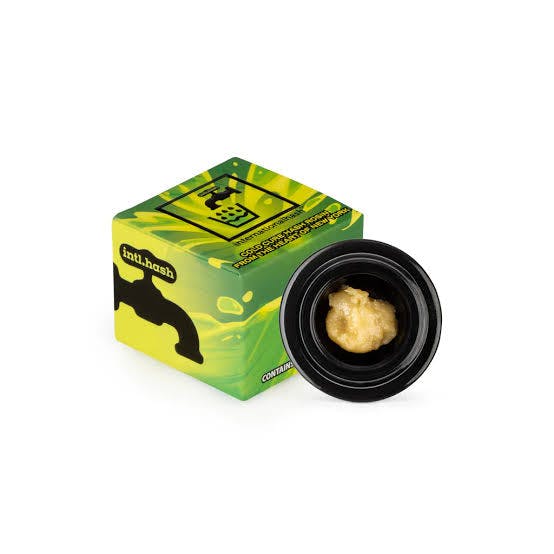
THC 75.73%Hybrid
INTERNATIONAL HASHInternational Hash | Cold Cure Hash Rosin | Grapefruit Hybrid · 1g
$66.37
$75after tax
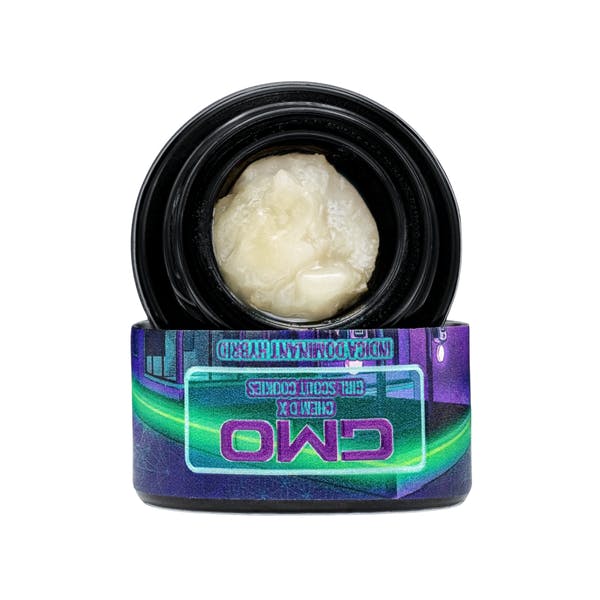
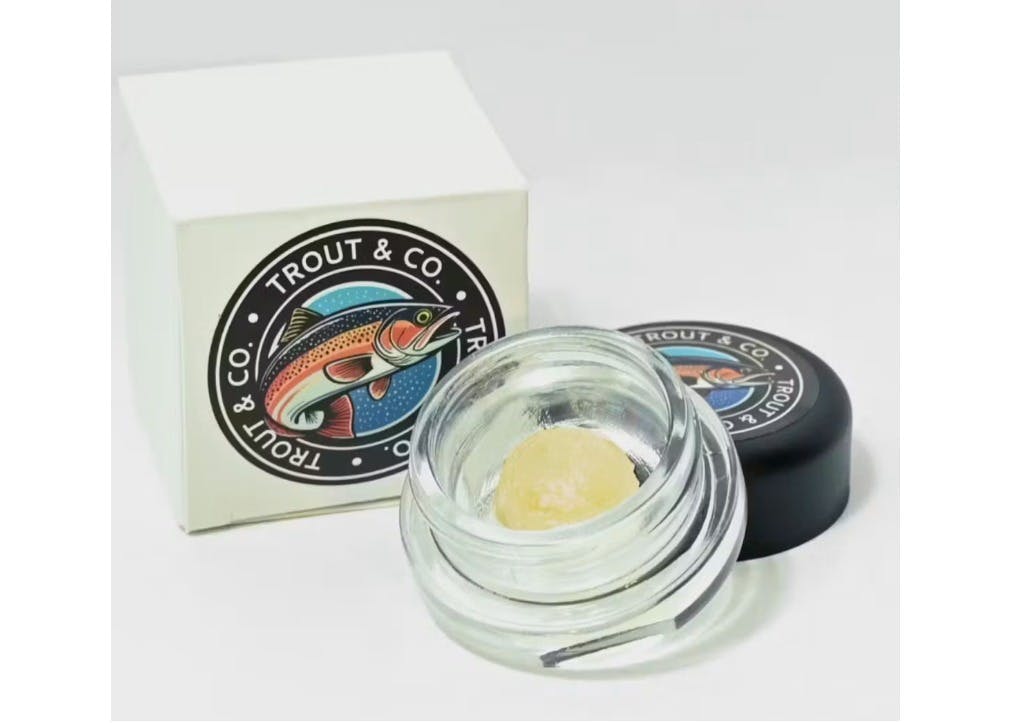
THC 77.52%Hybrid
Trout & Co.Trout & Co. | Super Funk | Live Rosin Private Reserve · 1g
$88.50
$100after tax
Rosin in Maspeth — answers
What exactly makes rosin a solventless concentrate, and why does that matter to buyers in Maspeth?+
Rosin is produced using only heat and mechanical pressure — no butane, propane, CO2, or ethanol enters the process. For Maspeth shoppers who tend to research what they bring into their homes, solventless production means there is no residual hydrocarbon to test for and no chemical processing step to account for. The finished product is essentially a mechanical extract of the plant's resin glands, which many consumers find aligns with a preference for minimal-intervention goods across food and lifestyle categories.
How should I store rosin purchased from a licensed New York dispensary?+
Rosin is sensitive to both heat and light. At room temperature, most rosin will soften and may begin to separate or lose terpene volatiles within weeks. The preferred storage method is an airtight, non-stick silicone or glass container kept in a refrigerator set between 35 and 45 degrees Fahrenheit. If you plan to use the product within a few days, a cool, dark drawer is adequate. For longer storage — several weeks or more — a freezer is appropriate, though allow the container to return to room temperature before opening to prevent condensation from degrading the product.
Is hash rosin meaningfully different from flower rosin, and which should a Maspeth first-time buyer consider?+
Hash rosin begins with ice-water hash or dry-sift rather than whole flower, which concentrates resin glands before pressing and typically yields a purer, more potent final product — often testing 10 to 15 percentage points higher in total cannabinoids than flower rosin from the same cultivar. For a first-time rosin buyer in Maspeth, flower rosin at a moderate potency range is often the better starting point. It is generally more affordable, still meaningfully more potent than flower, and provides a clear baseline for assessing how the format suits your preferences before investing in premium hash rosin.
Can I use rosin in a standard vape pen or cartridge battery?+
Pure jarred rosin is too thick and waxy to flow through standard 510-thread cartridge hardware designed for distillate. However, licensed processors in New York's market do produce rosin-based cartridges, where the rosin is processed to an appropriate viscosity for cartridge delivery. These products retain more of the terpene complexity of solventless extraction than typical distillate carts. If cartridge convenience matters for your Maspeth commute or lifestyle, ask specifically for rosin cartridges rather than assuming any labeled 'live' product is solventless.
What terpenes should I look for in a rosin if I want a calming evening profile?+
Myrcene is the terpene most commonly associated with physically relaxing, sedative-leaning effects and appears prominently in indica-leaning cultivars. Linalool, which carries a faintly floral character, also contributes to a restful quality. Caryophyllene adds depth and a mild spice while interacting with the body's CB2 receptors in a way that is distinct from typical psychoactive terpenes. A rosin whose COA shows myrcene and caryophyllene as dominant compounds would be a reasonable starting point for a Maspeth resident looking for an after-work, evening-at-home experience.
How does the pricing of licensed rosin in New York compare to flower, and is it worth the premium?+
Licensed rosin in New York typically retails between $50 and $90 per gram depending on format and source material, compared to $12 to $20 per gram for premium flower. The price reflects both the lower yield of the pressing process — a gram of rosin may require several grams of quality input material — and the labor-intensive nature of small-batch production. For consumers who use cannabis infrequently or in small quantities, a half-gram of rosin can represent considerable value per session relative to purchasing several eighths of flower. The question of 'worth it' ultimately depends on preferred consumption style and how much terpene fidelity matters to you.
Are there specific dab rig or vaporizer setups recommended for enjoying rosin at home in 11378?+
Rosin performs best at lower temperatures than many other concentrates, generally between 450 and 550 degrees Fahrenheit. At this range, terpenes remain largely intact and the vapor is smooth rather than harsh. For home use, a quality quartz banger with a directional carb cap allows precise temperature management. Electronic nails or e-rigs offer even more consistency and are a reasonable investment for anyone who plans to dab regularly. Concentrate-specific portable vaporizers — devices with dedicated concentrate inserts — offer a lower-commitment entry point and are practical for Maspeth apartments where a full dab setup may feel excessive.
Does ZenZest Cannabis offer same-day delivery to Maspeth, and is the 11378 ZIP code covered?+
Yes. ZenZest Cannabis Dispensary provides free same-day delivery on orders over $100, and Maspeth's 11378 ZIP code falls within their 80-plus ZIP delivery network. Orders are fulfilled from ZenZest's Queens location at 272-06 Union Tpke in Bellerose, roughly 9.8 miles from the heart of Maspeth. For adult-use consumers in the neighborhood who prefer not to make the trip on a weekday, this delivery option brings licensed, tested rosin directly to their address without a minimum-order surcharge beyond the $100 threshold.
How can I verify that rosin from a licensed New York dispensary has been properly tested?+
Every licensed adult-use cannabis product sold in New York must pass state-mandated laboratory testing before retail sale, covering potency, terpenes, residual solvents, pesticides, heavy metals, and microbials. For rosin specifically, a clean residual solvent panel is straightforward to confirm — by definition, there should be none detected. Ask the dispensary for the batch-specific certificate of analysis, often accessible via a QR code on the package. Reviewing the harvest and pressing date alongside the terpene percentages gives you a complete picture of product quality before you commit to a purchase.
What is the general guidance for someone in Maspeth using rosin for the first time after experience only with flower?+
The standard principle — start with a very small amount and allow adequate time to assess the effect before consuming more — applies here with particular weight. Rosin at 70 to 80 percent total cannabinoids is three to four times more potent by weight than a strong flower at 20 percent. A rice-grain-sized amount is a sensible starting point for a session. Because concentrate effects can onset quickly but continue to build over 15 to 30 minutes, patience between portions is worthwhile. New York's licensed dispensaries are also permitted to discuss general consumption guidance with adult-use customers, so asking staff at ZenZest or any other licensed retailer for orientation is entirely appropriate.