
Bronx · Tinctures
Best Tinctures in Marble Hill, Bronx
Marble Hill sits at a quiet geographic crossroads — technically the Bronx by county, yet tethered to Manhattan by the elevated IRT and the steady current of Broadway's northernmost stretch. For residents navigating that layered identity, cannabis tinctures offer a format as understated and precise as the neighborhood itself: no smoke, no spectacle, just measured, oil-based drops that fold seamlessly into a considered daily routine.
About Tinctures
Cannabis tinctures are liquid extracts — typically cannabis oil or alcohol-based solutions — dispensed by dropper and administered sublingually, meaning beneath the tongue, or blended into food and beverages. As a format, they occupy a middle ground between the immediacy of inhalation and the longer arc of an edible. Held under the tongue for sixty to ninety seconds, tincture compounds absorb through the mucous membrane and can begin producing effects within fifteen to forty-five minutes, though individual response varies considerably based on metabolism, body composition, and recent food intake. New York's licensed adult-use market has brought meaningful quality controls to the tincture category. Products sold through state-licensed retailers must carry verified cannabinoid percentages, batch-level certificates of analysis, and standardized labeling that makes it straightforward to compare potency across brands. Shoppers will encounter a range of formulations: full-spectrum tinctures that preserve the plant's complete cannabinoid and terpene profile, broad-spectrum options with THC removed or reduced, and isolate-based products built around a single purified compound. Each carries distinct trade-offs in effect character and predictability. For consumers new to cannabis, tinctures are frequently cited as one of the more approachable entry points. The dropper format allows for incremental adjustments — the broadly recommended "start low, go slow" principle is straightforward to apply when dosing is measured in fractions of a milliliter. Experienced consumers, meanwhile, appreciate the consistency tinctures offer across repeated sessions, particularly useful for those integrating cannabis into structured wellness or winding-down routines. The tincture category in New York continues to expand, with an increasing number of craft and small-batch producers entering the licensed market. Formulations now range from simple single-cannabinoid preparations to layered blends incorporating CBD, CBN, and CBG alongside THC, sometimes complemented by botanical terpenes or adaptogenic additions. For a borough resident shopping with intention, understanding the basics of what separates one tincture from another is the clearest path to a purchase that actually delivers.
Tinctures for Marble Hill shoppers
Marble Hill is a neighborhood that rewards patience and precision — qualities that map well onto the tincture format. The community along Broadway between 225th Street and the Spuyten Duyvil corridor is largely residential and relatively unhurried compared to the denser commercial corridors further south. Long-term residents, working professionals commuting via the 1 train, and newer arrivals drawn by the neighborhood's relative calm and Hudson River adjacency make up a population with varied but thoughtful cannabis preferences. The seasonal character of Marble Hill adds another dimension. Winters along the Spuyten Duyvil waterway are genuinely cold — wind off the water cuts through even the most prepared commuter. Outdoor consumption is neither comfortable nor socially prominent here in the colder months, which makes tinctures a particularly practical choice for the roughly five months when standing outside with a vape or pipe is a brisk, often uninviting proposition. The format requires no equipment, no ventilation, and no temperature sensitivity in the way flower or certain edibles can present. Summer evenings near the water have their own appeal, and a tincture taken before a walk along the Harlem River Ship Canal or a quiet evening on a Marble Hill rooftop fits the neighborhood's understated register. There is no performance to the format, no ritual paraphernalia — simply a small bottle, a dropper, and a few seconds of intention. For 10463 residents who prefer their cannabis habits as private and low-friction as possible, the tincture category offers exactly that latitude.
What to look for
When evaluating tinctures at a licensed New York dispensary, the label is your first and most useful tool. Look for the milligrams of THC and CBD per milliliter clearly stated, not just per bottle — per milliliter allows you to make meaningful comparisons across different bottle sizes and brands. A common starting point for adults new to the format is a low-THC, higher-CBD ratio tincture, often listed as something like a 1:1 or 2:1 CBD-to-THC formulation, which tends to produce a gentler and more predictable experience. Terpenes matter in tinctures, though they are sometimes underemphasized compared to flower. Full-spectrum tinctures that retain naturally occurring terpenes — compounds like myrcene, linalool, and beta-caryophyllene — are believed to interact with cannabinoids in ways that shape the overall effect character, a dynamic sometimes referred to as the entourage effect. For consumers in Marble Hill looking for something suited to unwinding after a long 1-train commute or a demanding workday, terpene-forward full-spectrum formulations may be worth exploring. Those seeking clarity and consistency across sessions sometimes prefer broad-spectrum or isolate-based tinctures, where terpene and minor cannabinoid variables are reduced. Carrier oil is a practical consideration that shoppers often overlook. Most tinctures use MCT oil derived from coconut, hemp seed oil, or a similar food-grade fat as the base. If you plan to blend your tincture into a beverage or small amount of food rather than taking it sublingually, the carrier oil's flavor profile becomes relevant. Some New York brands produce water-soluble or nanoemulsified tinctures, which blend more cleanly into drinks and may onset slightly faster than standard oil-based formulations — a useful distinction if you prefer adding a dropper to an evening tea rather than holding oil under your tongue.
Why ZenZest for tinctures in Marble Hill
For Marble Hill residents shopping in the licensed New York cannabis market, ZenZest Cannabis Dispensary offers a reliable and well-curated path to quality tinctures without an unnecessary commute defining the experience. The nearest physical location, ZenZest Queens at 272-06 Union Tpke in Bellerose, sits approximately 13.9 miles from the 10463 ZIP code — manageable for a purposeful trip, particularly for shoppers who appreciate browsing a considered selection in person before committing to a format or formulation. For those who prefer to skip the transit entirely, ZenZest's same-day delivery service extends to more than eighty New York ZIP codes and is free on qualifying orders over one hundred dollars. Tinctures, which tend toward a higher per-unit value and store compactly, make the delivery threshold easy to reach, especially when pairing a tincture with a secondary product. Marble Hill residents can expect their order handled with the same editorial standard ZenZest applies to its curation — licensed products, transparent sourcing, and staff knowledge that matches the premium positioning of the directory it calls home.
ZenZest Queens · 272-06 Union Tpke, Bellerose, NY 11004 · 13.9 miles from Marble Hill.
Live tinctures for Marble Hill
Full tinctures menu →
THC 0.93%Indica
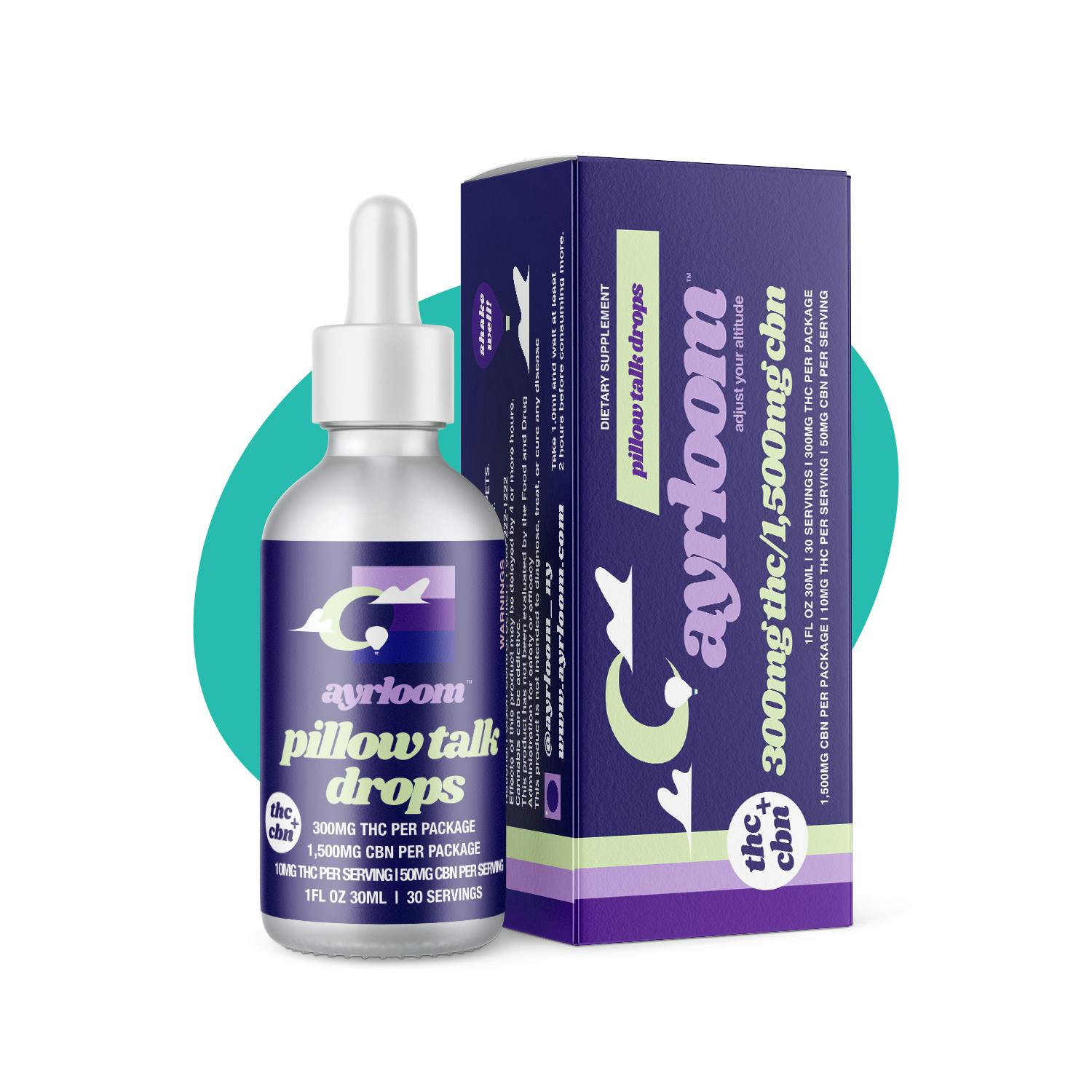
ayrloomAyrloom | Pillow Talk Drops | 1:5 | 300MG THC : 1500MG CBN · .1g
$44.25
$50after tax
THC 0.53%·CBD 1.61%Hybrid
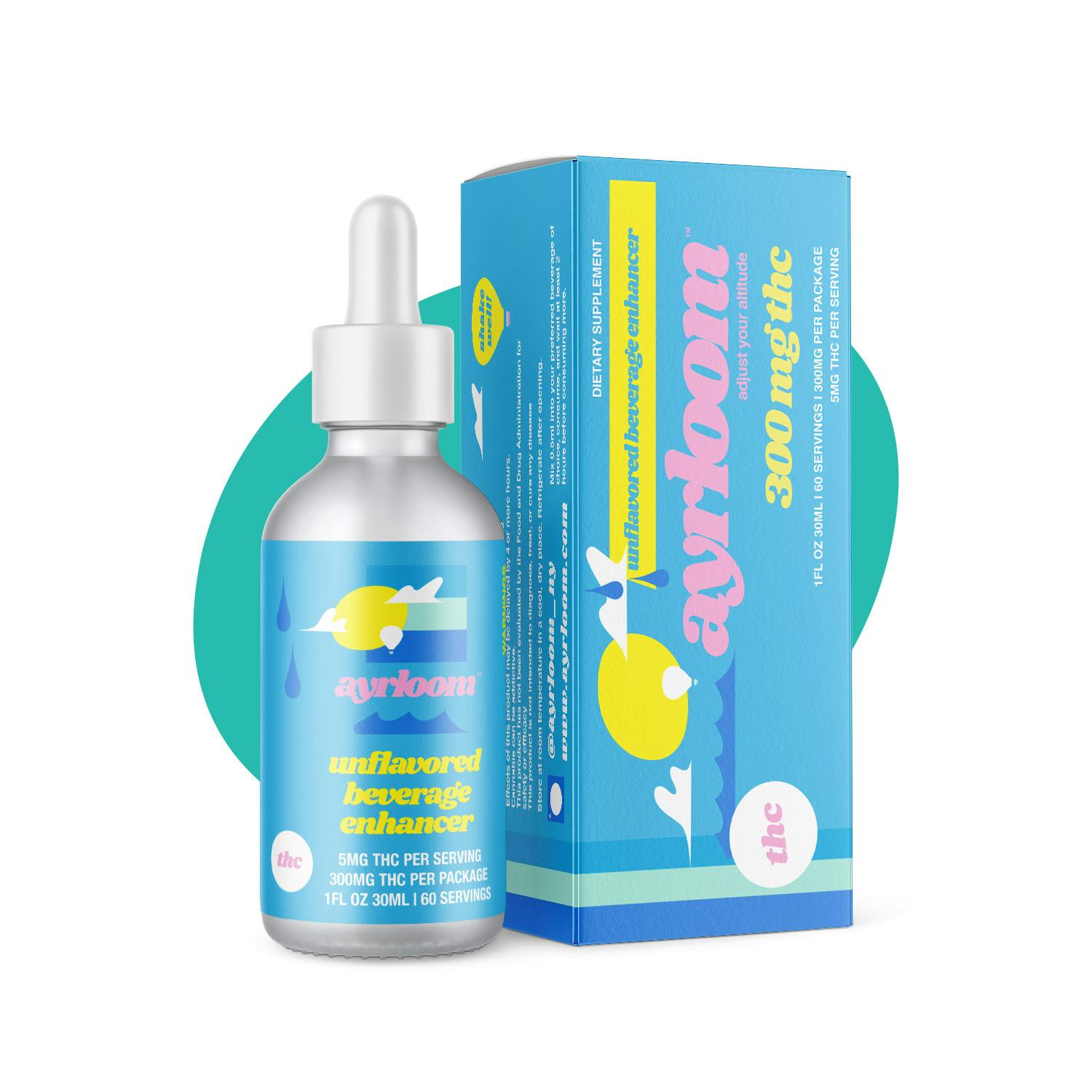
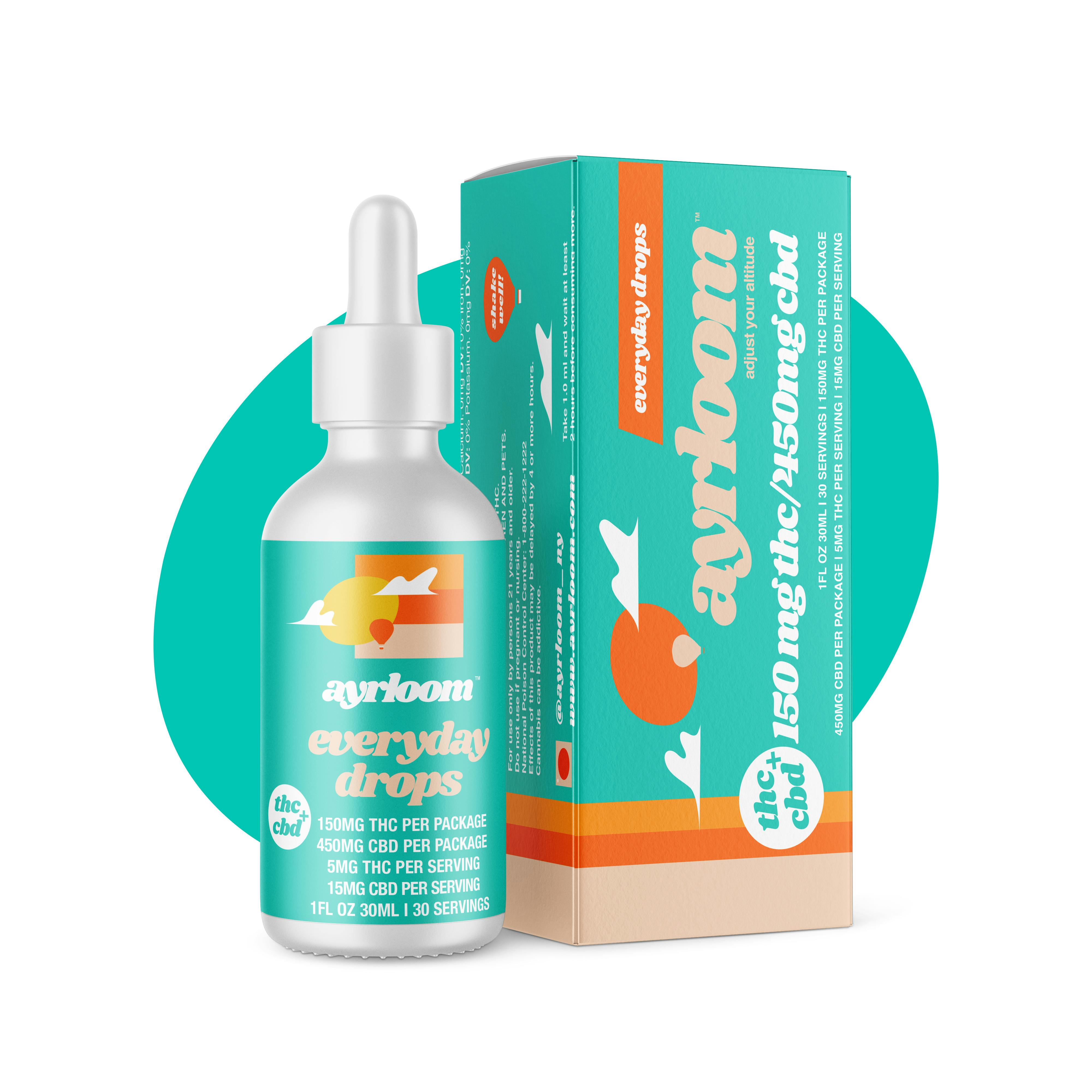
ayrloomayrloom | Low Dose Everyday Drops | 1:3 | 150MG THC : 450MG CBD · .1g
$30.00
$34after tax
Tinctures in Marble Hill — answers
What makes tinctures a practical cannabis format for Marble Hill residents specifically?+
Marble Hill's residential character, colder winters along the Spuyten Duyvil waterway, and a commuter population using the 1 train all favor a low-friction, no-equipment cannabis format. Tinctures require no combustion, no ventilation, and no accessories — a dropper bottle fits in a coat pocket and delivers consistent results regardless of whether you are settling in after a long ride home on Broadway or spending a quiet evening in the neighborhood. The format's discretion aligns with the community's measured pace.
How quickly do tinctures take effect compared to edibles or vaping?+
Administered sublingually — held beneath the tongue for sixty to ninety seconds — tinctures typically begin producing noticeable effects in fifteen to forty-five minutes, placing them between the near-immediacy of inhalation and the longer one-to-two-hour onset of most traditional edibles. If a tincture is swallowed rather than held sublingually, it essentially becomes an edible and the onset extends accordingly. Individual factors including metabolism, body weight, and recent food intake all influence timing, which is why starting with a low amount and waiting a full hour before reassessing is standard guidance.
What should I look for on the label when shopping for a tincture at a licensed New York dispensary?+
Prioritize milligrams of THC and CBD listed per milliliter, not just per bottle — this is the figure that allows meaningful cross-brand comparison. Confirm the product carries a certificate of analysis, which licensed New York retailers are required to make accessible. Note whether the formulation is full-spectrum, broad-spectrum, or isolate-based, and check the carrier oil if you have dietary sensitivities or plan to add it to food or drink. A clear ratio — such as 1:1 CBD to THC — is easier to work with than unmarked blends.
Are tinctures appropriate for first-time adult-use cannabis consumers?+
Tinctures are frequently recommended as an accessible entry point for adults new to cannabis, specifically because the dropper format makes incremental adjustments straightforward. The broadly accepted guidance is to start with a small amount, wait at least an hour to assess the full effect before considering more, and keep expectations modest for the first few sessions. Lower-THC or higher-CBD ratio formulations further reduce the likelihood of an overwhelming experience. New York's licensed market requires standardized labeling, which makes it easier to understand what you are purchasing compared to unregulated products.
What is the difference between full-spectrum and broad-spectrum tinctures?+
Full-spectrum tinctures retain the complete range of cannabinoids, terpenes, and other plant compounds found in the original cannabis extract, including THC. Broad-spectrum formulations undergo additional processing to remove or significantly reduce THC while preserving other cannabinoids and terpenes. Isolate-based tinctures go further, containing only a single purified compound — most commonly CBD or THC — without additional plant material. Full-spectrum products are associated with what is called the entourage effect, where multiple compounds interact; broad-spectrum and isolates offer greater consistency and predictability at the cost of some of that complexity.
Which terpenes should I look for in a tincture intended for evening use?+
Consumers seeking a tincture to accompany evening wind-down often look for formulations featuring myrcene, linalool, or beta-caryophyllene. Myrcene, one of the most common cannabis terpenes, is associated with a grounding, relaxed character. Linalool, also prevalent in lavender, carries a similarly calm quality. Beta-caryophyllene is notable for its potential interaction with CB2 receptors and is found in black pepper and cloves. None of these represent medical claims — terpene profiles are one of many factors that contribute to a product's overall character, and individual responses vary.
Can I add a cannabis tincture to food or a drink, and does that change the experience?+
Yes, tinctures can be added to beverages or small amounts of food, and doing so effectively converts the sublingual administration into an ingested one. This typically extends the onset time to one hour or beyond, closer to a traditional edible experience. Oil-based tinctures may not blend cleanly into water-based beverages and can leave a visible sheen. Water-soluble or nanoemulsified tinctures, available from some New York licensed brands, are specifically designed for beverage blending and often disperse more evenly. If you prefer an evening tea ritual, this format distinction is worth discussing with a budtender.
How should I store a cannabis tincture purchased from a licensed New York dispensary?+
Most cannabis tinctures benefit from storage in a cool, dark location away from direct sunlight and heat sources — a cabinet or drawer rather than a windowsill. Light and heat accelerate cannabinoid degradation, which can reduce potency and alter the terpene profile over time. Refrigeration is generally not required but is unlikely to cause harm for most oil-based formulations. Always keep tinctures in their original childproof packaging, sealed between uses. New York licensed products carry expiration or best-by dates; using a product within that window ensures you are working with the potency stated on the label.
Is same-day delivery to Marble Hill's 10463 ZIP code available from ZenZest?+
ZenZest Cannabis Dispensary offers same-day delivery that covers more than eighty New York ZIP codes, and the service is free on orders over one hundred dollars. Marble Hill residents in the 10463 ZIP code should confirm current delivery zone eligibility directly with ZenZest, as coverage can be updated. Given that tinctures carry a relatively high per-unit value and store compactly, reaching the qualifying order threshold is generally straightforward, particularly when pairing a tincture with a complementary product. The nearest ZenZest retail location is the Queens store at 272-06 Union Tpke, approximately 13.9 miles away.
How does the THC potency range in tinctures compare to other cannabis formats available in New York?+
Tinctures sold in New York's licensed adult-use market typically range from formulations as low as 2.5 milligrams of THC per milliliter to considerably higher concentrations sometimes reaching 33 milligrams per milliliter or more. This range is broader in practical terms than it may appear on paper — a 5 mg dose from a low-concentration tincture and a 5 mg dose from a high-concentration one can feel equivalent if administered carefully, but the margin for error is much narrower with a concentrated product. For consumers new to the format, lower-concentration tinctures purchased from licensed New York retailers make the start-low-go-slow principle significantly easier to apply.