
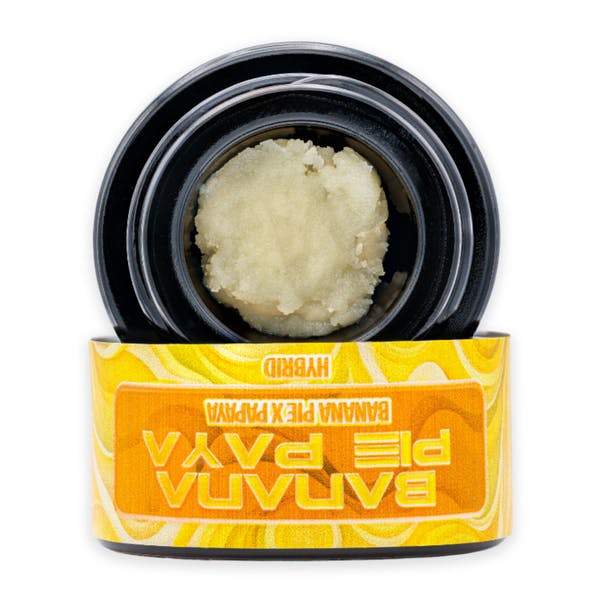
Bronx · Rosin
Best Rosin in Marble Hill, Bronx
Marble Hill sits at a quiet geographic crossroads — technically Bronx County, yet stitched to Manhattan by the old Harlem Ship Canal fill and anchored by the rumble of the 1 train at 225th Street. For the solvent-free cannabis concentrate known as rosin, this unhurried, residential enclave has become a surprisingly discerning market, where commuters and longtime neighbors alike are seeking purity, transparency, and craft above all.
About Rosin
Rosin occupies a singular position in the New York licensed cannabis landscape: it is the one concentrate produced without a single drop of chemical solvent. The extraction process applies only heat and pressure — typically through a hydraulic or pneumatic press fitted with fine micron filter bags — to either fresh-frozen flower, dried-and-cured flower, or bubble hash. The result is a translucent to amber oil that retains the plant's full terpene and cannabinoid profile in a way that hydrocarbon or CO2 extracts simply cannot replicate. New York's Office of Cannabis Management licenses a growing cohort of processors authorized to produce solventless concentrates, and rosin is at the premium tier of that category. Because no solvents need to be purged from the final product, the margin for processing error is reduced, and lab panels can be read with greater confidence. Shoppers browsing NY dispensary shelves will encounter rosin in several textures — batter, badder, live rosin, pressed coins, and sauce — each reflecting different post-press handling temperatures and agitation levels. Texture is largely aesthetic; potency and terpene retention are the more substantive variables. THC percentages in quality rosin typically run between 60 and 85 percent, though numbers alone are an incomplete guide. A live rosin pressed from a terpene-rich cultivar at 60 percent THC will often deliver a more complex and satisfying experience than an aggressively processed extract at 80 percent. Cannabinoids and terpenes interact through what researchers call the entourage effect, and rosin — by preserving the widest possible terpene fraction — is generally considered the format most sympathetic to that dynamic. For New York adult-use consumers 21 and older, rosin represents a considered step beyond flower: more concentrated, more immediate in onset, and typically more economical per session once the per-gram cost is contextualized against the quantity used. New consumers are encouraged to start low and go slow, given the elevated potency relative to traditional flower.
Rosin for Marble Hill shoppers
Marble Hill is one of New York's genuinely liminal neighborhoods — it carries a Bronx County address, a 10463 ZIP code, and yet Broadway and 225th Street feel unmistakably like a northern Manhattan commercial corridor, lined with bodegas, nail salons, and the steady percussion of MTA buses transferring riders between the 1 train and the Bx7 and Bx20 lines. The community is multi-generational, with a strong Dominican and Puerto Rican heritage, an increasing number of young professionals priced out of Inwood and Washington Heights, and a bedrock of longtime residents who have watched the neighborhood shift incrementally but retain its unhurried character. For this demographic mix, rosin's appeal maps neatly onto lifestyle. The young professional commuting from 225th Street toward Midtown appreciates a concentrate that requires no combustion — a small dab loaded into a portable device before the subway descent leaves no smoke, no lingering odor, and delivers a clean, controlled elevation that transitions smoothly into an office afternoon. The longtime resident who has migrated from flower values rosin for the efficiency of a small quantity and the absence of the chemical aftertaste associated with butane hash oil. Spuyten Duyvil, just to the south along the waterfront where the Harlem River Ship Canal meets the Hudson, lends Marble Hill a surprisingly scenic quality. Weekend afternoons near the creek's edge or in Isham Park draw residents who appreciate the kind of unhurried, sensory-attentive experience that a well-crafted live rosin — rich in myrcene and linalool — pairs with naturally. The neighborhood rewards a slower approach to cannabis, and rosin, consumed thoughtfully and in modest quantities, fits that rhythm precisely.
What to look for
When evaluating rosin at a licensed New York dispensary, the first variable to examine is the input material. Live rosin is pressed from fresh-frozen plant material harvested at peak terpene expression, then processed into bubble hash before the final press. This pathway preserves volatile monoterpenes — limonene, terpinolene, ocimene — that are largely lost during the drying and curing of flower used for standard rosin. If terpene complexity and an aromatic, nuanced experience are priorities, live rosin is worth the premium. Terpene profiles are the most practical guide to expected effect. Rosin high in myrcene tends toward relaxed, body-centered sessions — well suited for a long evening at home after the commute back up Broadway. Limonene-forward profiles skew more cerebral and social, appropriate for an afternoon gathering. Caryophyllene, a terpene that interacts with CB2 receptors, is often found in cultivars described as calming without sedation. Lab certificates of analysis, which licensed NY dispensaries are required to make available, will list dominant terpenes alongside cannabinoid percentages; a rosin with a detailed terpene panel is a sign of a processor who takes quality seriously. Format trade-offs are also worth considering. Rosin batter and badder have been whipped to incorporate air, making them easier to work with a dab tool at room temperature — ideal for the 10463 consumer dealing with cold Bronx winters when thicker consistencies can become brittle. Rosin sauce or live rosin in a liquid-adjacent texture requires more precise temperature management. For beginners, a small jar of badder and a quality low-temperature e-nail or portable vaporizer is the most forgiving entry point. As always, start low and go slow — a portion the size of a grain of rice is a reasonable first measurement for any new rosin.
Why ZenZest for rosin in Marble Hill
ZenZest Cannabis Dispensary maintains two licensed retail locations in the New York metro area, and the Queens store at 272-06 Union Tpke in Bellerose is the closest brick-and-mortar option for Marble Hill residents — approximately 13.9 miles from the 225th Street corridor via the Henry Hudson Parkway and the Cross Bronx to Queens routes. The Bellerose location carries a curated selection of solventless concentrates, and the staff are trained to walk shoppers through terpene panels and input-material distinctions rather than simply quoting THC percentages. For Marble Hill residents who prefer not to make the cross-borough trip, ZenZest offers free same-day delivery on orders over $100 to more than 80 New York ZIP codes, including 10463. Orders placed through the ZenZest platform arrive in discreet, temperature-appropriate packaging — a meaningful detail for rosin, which benefits from stable storage conditions. Whether visiting the Queens store or receiving delivery at home near Spuyten Duyvil, ZenZest's approach to solventless concentrates reflects the kind of considered, unhurried retail experience that suits Marble Hill's character.
ZenZest Queens · 272-06 Union Tpke, Bellerose, NY 11004 · 13.9 miles from Marble Hill.
Live rosin for Marble Hill
Full rosin menu →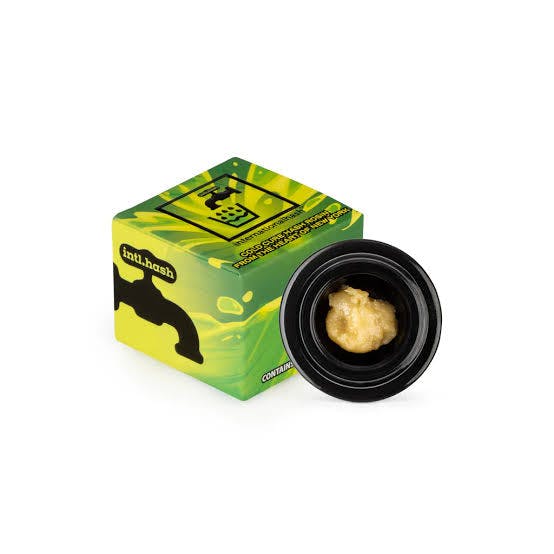
THC 75.73%Hybrid
INTERNATIONAL HASHInternational Hash | Cold Cure Hash Rosin | Grapefruit Hybrid · 1g
$66.37
$75after tax
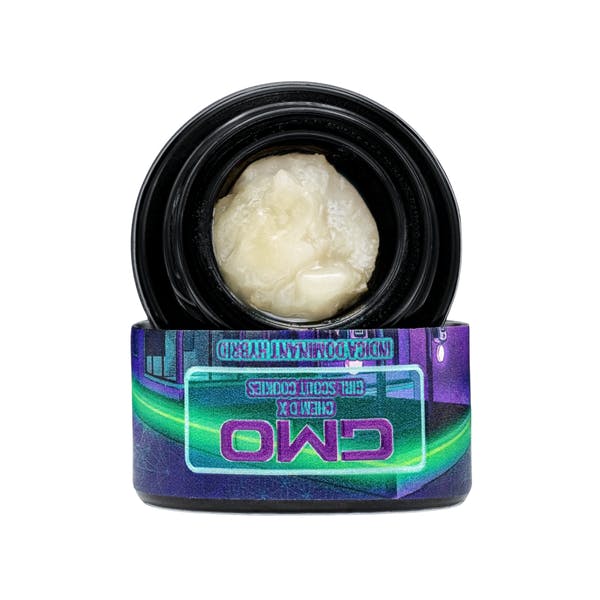
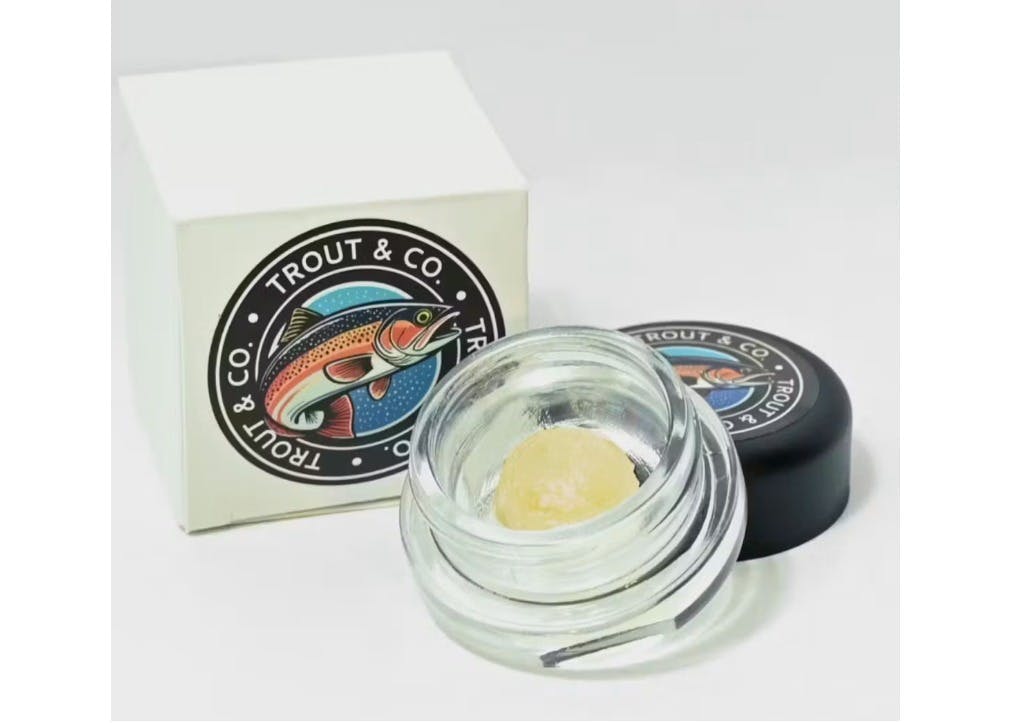
THC 77.52%Hybrid
Trout & Co.Trout & Co. | Super Funk | Live Rosin Private Reserve · 1g
$88.50
$100after tax
Rosin in Marble Hill — answers
What is rosin and how is it different from other cannabis concentrates sold at New York dispensaries?+
Rosin is a solvent-free cannabis concentrate made by applying heat and pressure to flower, trim, or hash. Unlike butane hash oil or CO2 extracts, no chemical solvents are introduced during processing, which means there is no residual solvent to purge. The resulting product retains a broader terpene spectrum and is widely considered among the cleanest concentrate formats available at licensed New York adult-use dispensaries. It is legal for purchase by adults 21 and older.
Is rosin available for same-day delivery to the 10463 ZIP code in Marble Hill?+
Yes. ZenZest Cannabis Dispensary offers free same-day delivery to ZIP code 10463 on qualifying orders over $100. Marble Hill residents near Broadway and 225th Street can browse the available rosin selection online, place an order, and receive their purchase the same day in discreet packaging. This is a practical option for those who prefer not to travel to the nearest store in Bellerose, Queens, approximately 13.9 miles away.
What is the difference between live rosin and standard rosin?+
Standard rosin is pressed from dried and cured flower or hash, while live rosin begins with fresh-frozen plant material harvested at peak terpene expression. The fresh-frozen input preserves volatile monoterpenes — compounds like limonene and terpinolene — that would otherwise degrade during drying. Live rosin typically displays greater aromatic complexity and a broader terpene profile. It also generally commands a higher price point at New York licensed dispensaries, reflecting the more labor-intensive processing pathway.
What terpenes should a Marble Hill shopper look for when choosing a rosin?+
It depends on the intended occasion. Myrcene-dominant rosins tend toward relaxed, body-focused sessions — well suited for unwinding after a commute on the 1 train. Limonene-forward profiles lean more energetic and social. Caryophyllene appears frequently in cultivars described as calming without heavy sedation. Licensed New York dispensaries are required to provide certificates of analysis that list dominant terpenes; a rosin with a detailed terpene panel from the processor indicates higher quality standards.
What equipment does a beginner in Marble Hill need to consume rosin at home?+
The most approachable setup for a new rosin consumer is a portable electronic vaporizer or e-nail designed specifically for concentrates. These devices allow precise temperature control, which is important because rosin consumed at excessively high temperatures loses much of its terpene character. A dab tool for handling the product and a small silicone storage jar are also useful. Combustion methods are not recommended for rosin, as the temperatures involved degrade the terpene profile significantly.
How should rosin be stored during Marble Hill's cold winter months?+
Rosin is sensitive to both heat and extreme cold. In winter, a cold apartment can cause rosin — particularly thicker textures like pressed coins — to become brittle and difficult to work with. The recommended storage approach is a sealed, airtight container kept at a consistent cool room temperature, away from direct light. If the rosin has been refrigerated, allow it to return slowly to room temperature before opening the container, which prevents condensation from degrading the product.
What THC potency range is typical for rosin at New York licensed dispensaries?+
Quality rosin from licensed New York processors typically tests between 60 and 85 percent total THC, though the number alone is an insufficient guide to the experience. A rosin at the lower end of that range with a rich and diverse terpene profile will often deliver a more satisfying and nuanced session than a highly refined extract at the upper end. Adult-use consumers new to concentrates should approach any potency in this range carefully and start with very small amounts, going slowly to gauge individual response.
Can someone take rosin discreetly on a commute from Marble Hill's 225th Street station?+
Consuming cannabis of any kind in public spaces, including MTA subway stations and trains, is prohibited under New York law. Rosin consumed via a portable vaporizer before boarding, in a private residence or other lawful setting, produces minimal odor compared to combusted flower. However, any consumption must occur in a lawful location. Consumers should also be mindful of onset timing with concentrates, which tends to be faster and more pronounced than with flower.
How does rosin compare to vape cartridges for a Marble Hill consumer weighing options?+
Vape cartridges are more convenient for on-the-go use and require no additional equipment beyond the cartridge and battery. Rosin requires a separate concentrate vaporizer or e-nail setup. However, licensed-market rosin generally offers a fuller terpene profile and greater transparency about input materials than many cartridge formulations. For a consumer who primarily uses cannabis at home near Spuyten Duyvil and values terpene complexity and solvent-free purity, rosin is often the more rewarding choice despite the added equipment consideration.
What should I look for on the label of a rosin product at a New York licensed dispensary?+
Look for the processor's name and license number, the cultivar name, the input material designation — whether flower, hash, or fresh-frozen — and a QR code or batch number linked to a certificate of analysis. The COA should list total THC and CBD percentages alongside dominant terpenes. A reputable processor will also note the pressing temperature range and micron filter size used, which signals attention to craft. Avoid products with incomplete labeling or no accessible COA, as transparency is a baseline quality indicator in the licensed New York market.