
Queens · Rosin
Best Rosin in Long Island City, Queens
Long Island City's industrial-chic waterfront, from the cobblestones of Vernon Boulevard to the East River panorama at Gantry Plaza State Park, has cultivated a discerning creative class that demands quality in everything it consumes. For cannabis connoisseurs in ZIP codes 11101 and 11109, solventless rosin represents the category's clearest expression of craft — pure, potent, and uncompromised.
About Rosin
Rosin occupies a singular position in the licensed New York cannabis market. Unlike hydrocarbon or CO2 extracts, rosin is produced entirely without chemical solvents — heat and pressure are applied to cannabis flower, hash, or kief to squeeze out a resin-rich concentrate that preserves the plant's full terpene and cannabinoid profile with remarkable fidelity. The result is a product that serious consumers, including many who came to concentrates through legal markets in California and Colorado, consistently describe as the most transparent expression of a cultivar's character. New York's Office of Cannabis Management licenses dedicated processors to produce rosin under strict testing and labeling requirements. Every gram sold through a licensed adult-use dispensary must carry a certificate of analysis disclosing total THC, total CBD, residual solvent levels (which, for rosin, should read at or near zero), and microbial testing results. That regulatory framework gives LIC shoppers a meaningful layer of assurance that the solventless concentrate they are purchasing is exactly what it claims to be. Within the concentrate category, rosin exists on a spectrum of forms. Fresh-press rosin is extracted immediately after harvest and retains an almost sauce-like consistency rich in volatile terpenes. Cured rosin is made from dried and cured flower, producing a slightly firmer texture with a more settled, complex aromatic profile. Live rosin — widely considered the category's premium tier — is pressed from fresh-frozen material, locking in the full aromatic snapshot of the living plant. Each format commands a different price point and suits a different consumption style, from a dab rig to a rosin-topped bowl to a purpose-built rosin vape cartridge. As New York's licensed supply chain matures, the rosin available at compliant dispensaries has improved substantially in both consistency and variety. Shoppers in Queens County can now find single-cultivar live rosin from craft processors alongside approachable, value-oriented cured options — a range that rewards both the curious newcomer and the experienced concentrate enthusiast.
Rosin for Long Island City shoppers
Long Island City's identity is built on a productive tension between its industrial past and its forward-looking creative present. The warehouses along Jackson Avenue and the converted lofts near Court Square are home to a dense population of architects, designers, film and media professionals, and tech workers — adults who approach what they put in their bodies with the same critical attention they bring to their work. That orientation maps naturally onto solventless rosin, a category whose appeal rests almost entirely on process integrity and sensory quality rather than marketing. The neighborhood's geography also shapes consumption patterns in practical ways. Gantry Plaza State Park offers one of the most dramatic outdoor settings in all of New York City — the iconic gantry cranes framing lower Manhattan across the East River create a backdrop that rewards unhurried, sensory-forward experiences. For residents who use cannabis recreationally in that setting, a small dab of live rosin or a high-quality rosin cartridge delivers an experience that feels proportionate to the surroundings. Similarly, the Vernon Boulevard corridor, with its gallery openings, independent restaurants, and evening foot traffic, is exactly the kind of environment where a refined, fast-acting concentrate fits the rhythm of the night. The 7 train and the G line make LIC one of Queens County's most transit-connected neighborhoods, and the commute dynamic matters: concentrate formats that travel well — sealed silicone jars for traditional rosin, discreet rosin-filled vape cartridges — suit the on-the-go lifestyle of residents cycling between Midtown, Greenpoint, and the neighborhood itself. For adults who want the quality ceiling that rosin provides without the ritual of a full dab setup, rosin-infused pre-rolls and hash hole joints are increasingly available at licensed New York retailers and offer a genuinely premium experience that fits into a busy LIC evening.
What to look for
When evaluating rosin at a licensed New York dispensary, the first variable to examine is starting material. Live rosin made from fresh-frozen whole flower commands the highest prices and the most complex terpene expression; it is the right choice for consumers prioritizing aroma, flavor, and the nuanced interplay of minor cannabinoids. Cured flower rosin typically comes in at a lower price point and offers a more shelf-stable product with a firmer consistency — excellent for those new to the concentrate category or working within a tighter budget. Hash rosin, pressed from ice-water-extracted bubble hash, occupies a middle tier and is prized by collectors for its exceptional clarity and purity. Terpene profiles are the best compass when navigating rosin. Myrcene-forward profiles tend toward relaxing, body-oriented effects and are common in indica-leaning cultivars; limonene and terpinolene profiles skew more uplifting and cerebral, well-suited to creative work or social occasions. Caryophyllene, a terpene with a peppery, woody character, is often associated with a grounding effect that many concentrate users find particularly useful. New York's COA requirements mean you can ask to see the terpene breakdown on any licensed product before purchasing. For LIC shoppers specifically, a few practical considerations are worth weighing. The neighborhood's warm, humid summers mean that rosin stored in a car or bag can shift in consistency; a small, sealed silicone or glass container and a cool storage environment at home will preserve the product. THC potency in licensed rosin typically ranges from the mid-50s to the low-80s by percentage — a wide window that underscores the importance of starting with a very small amount, particularly for consumers accustomed to flower. A rice-grain-sized portion on a dab tool is a reasonable starting point; allowing adequate time to assess effects before proceeding further is standard guidance in the concentrate category.
Why ZenZest for rosin in Long Island City
ZenZest Cannabis Dispensary serves Long Island City through its Queens location at 272-06 Union Tpke, Bellerose, NY 11004 — approximately 11.7 miles from the heart of LIC via the Union Turnpike corridor. The store carries a curated selection of licensed New York concentrates, including solventless rosin across multiple formats and price tiers, sourced from state-compliant processors and accompanied by full COA documentation. Staff are trained to walk customers through terpene profiles, consistency differences between live and cured rosin, and appropriate consumption formats for both newcomers and experienced concentrate users. For residents of ZIP codes 11101 and 11109 who prefer not to make the trip to Bellerose, ZenZest offers free same-day delivery on qualifying orders over $100 to more than 80 eligible New York ZIP codes, with LIC included in that coverage area. Orders can be placed through the ZenZest platform for discreet, timely delivery directly to your door — a practical option for a neighborhood where parking is scarce and the evening schedule rarely leaves room for a long errand. Whether you shop in-store or via delivery, ZenZest operates fully within New York's adult-use licensed framework, ensuring every product meets state testing and labeling standards.
ZenZest Queens · 272-06 Union Tpke, Bellerose, NY 11004 · 11.7 miles from Long Island City.
Live rosin for Long Island City
Full rosin menu →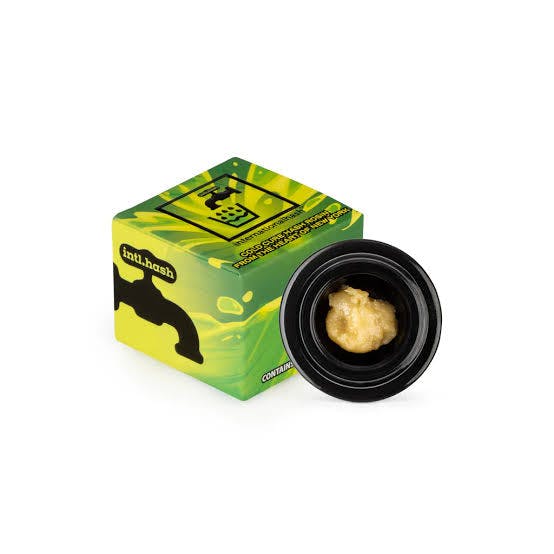
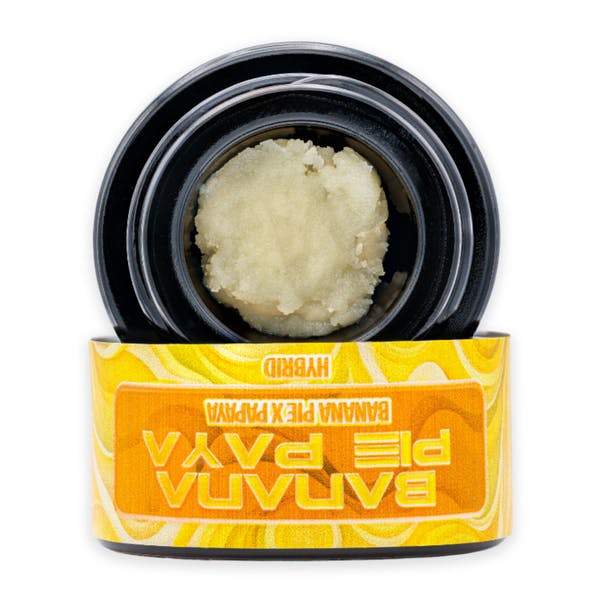
THC 75.73%Hybrid
INTERNATIONAL HASHInternational Hash | Cold Cure Hash Rosin | Grapefruit Hybrid · 1g
$66.37
$75after tax
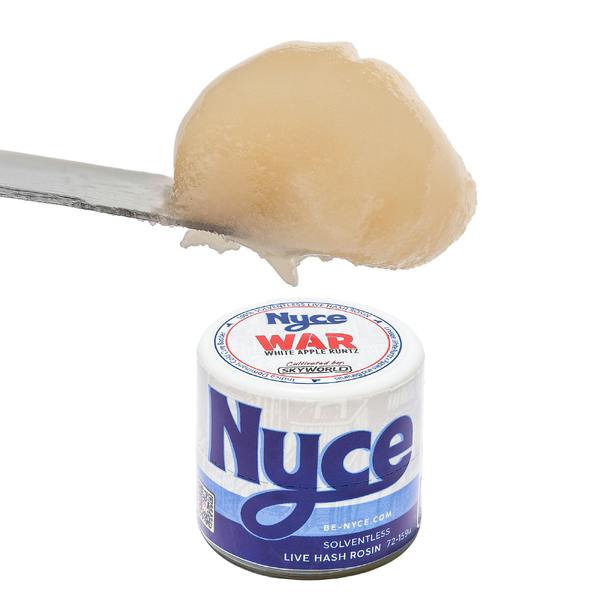
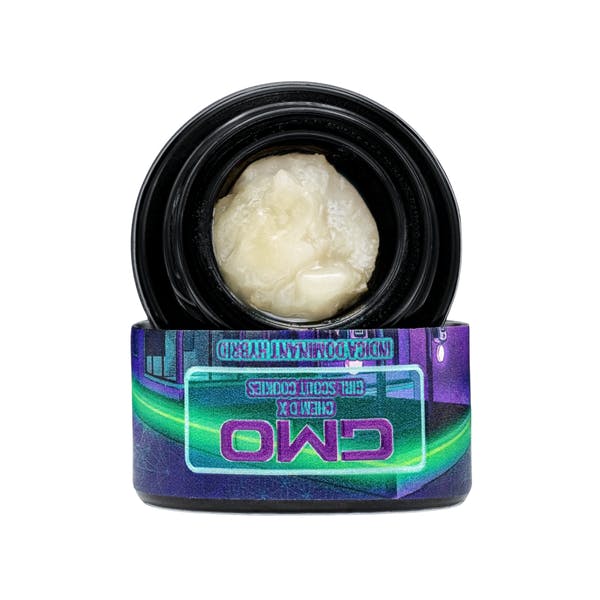
THC 77.52%Hybrid
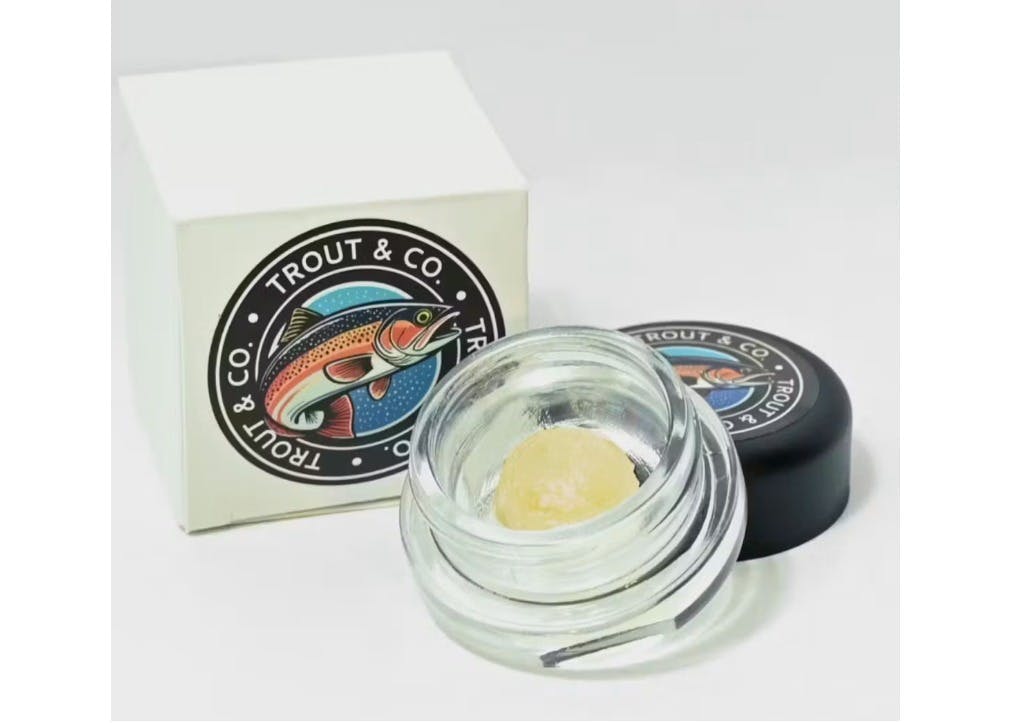
Trout & Co.Trout & Co. | Super Funk | Live Rosin Private Reserve · 1g
$88.50
$100after tax
Rosin in Long Island City — answers
What exactly is rosin, and how is it different from other cannabis concentrates available in Long Island City dispensaries?+
Rosin is a solventless concentrate produced by applying heat and pressure to cannabis material — flower, kief, or ice-water hash — to extract a resin rich in cannabinoids and terpenes. Unlike BHO, CO2 oil, or distillate, no chemical solvents are involved at any stage of production. This makes residual solvent testing largely a formality for genuine rosin, and it means the product's flavor and effect profile reflects the source material with minimal alteration. Licensed New York dispensaries serving the LIC area are required to carry COA documentation for all concentrate products, so you can verify the distinction.
Is live rosin significantly better than cured rosin, or is the price difference hard to justify for someone new to concentrates?+
Live rosin is pressed from fresh-frozen cannabis material harvested at peak ripeness, which preserves a fuller spectrum of volatile terpenes that would otherwise degrade during the drying and curing process. The aromatic complexity and nuance of effect are genuinely different, and many experienced concentrate consumers consider it the category's benchmark. That said, cured rosin is a refined, high-quality product in its own right — often easier to handle, more shelf-stable, and available at more approachable price points. For someone exploring concentrates for the first time, starting with a well-made cured rosin from a licensed New York processor is a sensible approach before investing in the live tier.
What consumption method is most practical for enjoying rosin in Long Island City — near Gantry Park, for example, or before a gallery opening on Vernon Boulevard?+
The answer depends on your setup and context. At home, a dab rig or e-rig delivers the most complete expression of the rosin's terpene profile and allows precise temperature control — low-temperature dabs in the 450–550°F range are widely considered optimal for flavor-forward solventless rosin. For more casual or on-the-go situations near the waterfront or around the Vernon Boulevard corridor, a rosin-filled vape cartridge or a rosin-infused pre-roll offers a discreet, portable format. Note that New York law prohibits public cannabis consumption; any use should occur in private spaces or designated areas. Start with a very small quantity regardless of format.
How should I store rosin purchased from a licensed dispensary to maintain its quality in an LIC apartment?+
Rosin is sensitive to heat, light, and air exposure. The warm, humid summers characteristic of Long Island City and the broader Queens waterfront area can cause rosin to soften, separate, or lose volatile terpenes if stored improperly. The standard guidance is to keep rosin in a sealed, airtight glass or silicone container — never an open or loosely covered dish — stored in a cool, dark location such as a refrigerator or a climate-controlled interior drawer. If refrigerating, allow the container to reach room temperature before opening to prevent condensation from contacting the product. Properly stored rosin can retain its quality for several weeks to a few months.
What terpenes should I look for on the COA when choosing a rosin for an energizing, creative experience versus a relaxing evening wind-down?+
For an uplifting, creative-leaning experience, look for rosin with elevated levels of limonene, terpinolene, or ocimene — terpenes common in sativa-leaning cultivars and often described as bright, citrusy, or floral. For a more grounding, relaxing evening profile, myrcene and linalool are the primary markers; these appear frequently in indica-leaning and hybrid cultivars and are associated with a heavier, more body-centered character. Caryophyllene adds a spicy, woody note and is often appreciated for its balancing quality in hybrid rosin. New York licensed dispensaries are required to provide COA data, so request the terpene breakdown before purchasing.
Are there rosin-infused pre-rolls or hash holes available at licensed dispensaries near Long Island City?+
Yes — rosin-infused pre-rolls and hash hole joints, which feature a coil of rosin or hash pressed into the center of a joint for slow, even combustion, have become increasingly available in the licensed New York adult-use market. These formats appeal to consumers who prefer flower's ritual and ease of consumption but want the elevated potency and terpene complexity that rosin provides. They are a particularly practical option for LIC residents who do not own a dab rig but want to experience solventless concentrate quality. Check the product's COA for total THC by weight and proceed cautiously, as infused pre-rolls are substantially more potent than standard flower joints.
How does the THC percentage on rosin compare to what I might be used to seeing on flower, and how should I adjust my approach?+
Flower sold in licensed New York dispensaries typically tests between 18% and 30% THC by dry weight. Licensed rosin, by contrast, commonly ranges from the mid-50s to the low-80s percent total THC — a two- to four-fold difference. This means the quantity needed for a satisfying experience is dramatically smaller. A rice-grain-sized portion, sometimes described as approximately 0.05 grams, is a widely cited starting point for dab-style consumption. The adult-use principle of starting low and going slow is especially important with concentrates; the onset from dabbing is rapid, and it is straightforward to consume more if needed but not possible to reverse overconsumption.
What should I expect to pay for quality rosin at a licensed New York dispensary, and what drives the price variation?+
In the licensed New York adult-use market, cured flower rosin typically retails in the range of $40–$70 per gram depending on the producer and cultivar. Live rosin from fresh-frozen material generally falls between $60 and $100 per gram, with limited-run or single-cultivar artisan expressions occasionally exceeding that range. Hash rosin sits roughly between these tiers. Prices reflect the labor intensity of the process — particularly for bubble hash starting material, which requires significant hand-washing and freeze-drying time before pressing — as well as yield rates, which are considerably lower per pound of input than solvent-based extraction. Purchasing through a licensed dispensary or delivery service ensures you are paying for a tested, compliant product.
Can I have rosin delivered to my apartment in Long Island City's 11101 or 11109 ZIP codes through a licensed service?+
Yes — licensed adult-use cannabis delivery is legal in New York State, and both 11101 and 11109 are covered by qualifying delivery operators. ZenZest Cannabis Dispensary offers free same-day delivery on orders exceeding $100 to more than 80 New York ZIP codes, including Long Island City. Orders must be placed by an adult aged 21 or older with valid identification available at the time of delivery. Delivery is conducted by licensed personnel in accordance with OCM regulations. This is a practical option for LIC residents who want access to a curated concentrate selection without the commute to a physical store.
Is solventless rosin a good option for someone who is sensitive to the harshness sometimes associated with other concentrate types?+
Many consumers who find hydrocarbon or distillate-based concentrates harsh report a noticeably smoother experience with solventless rosin, particularly when consumed at lower temperatures using an e-rig or a carb-cap dab setup. The absence of residual solvents and the intact terpene matrix are the most commonly cited reasons. Low-temperature dabbing — keeping the nail or banger below 550°F — further reduces the harshness of the vapor and preserves the flavor. That said, all concentrated cannabis products are more potent than flower, and individual tolerance and respiratory sensitivity vary considerably. New York licensed products are tested for pesticides, microbials, and residual solvents, providing an additional baseline of safety assurance.