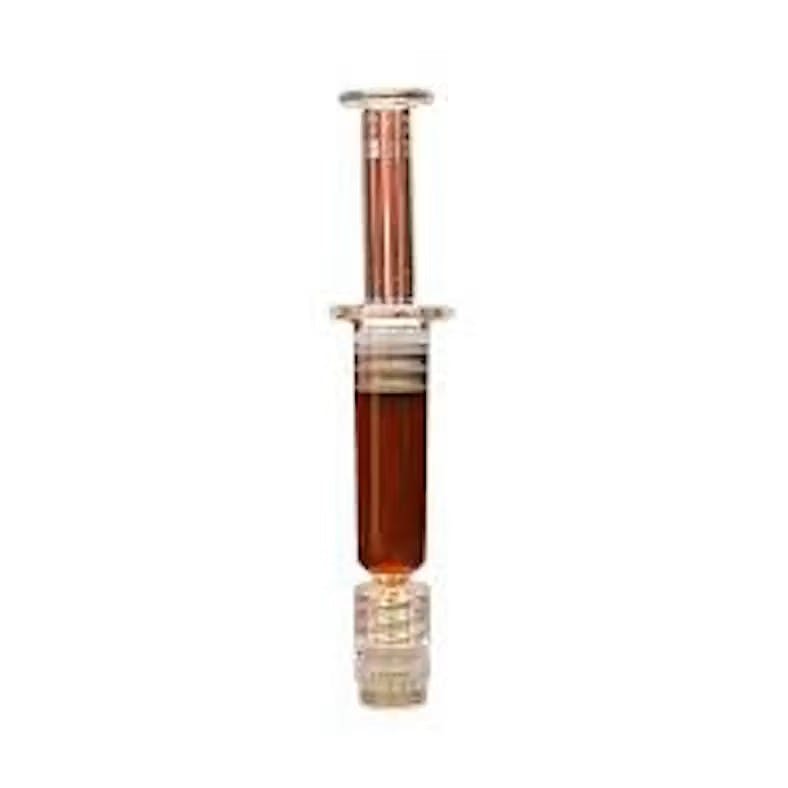
THC 66.28%·CBD 0.13%Hybrid
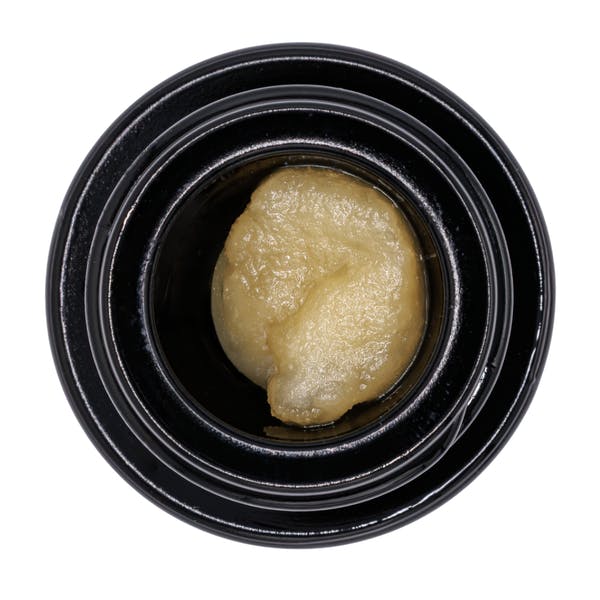
Veteran's Choice CreationsFECO | Full Extract Cannabis Oil · 1g
$39.82
$45after tax
weeddispensarynearme.com
You must be 21 years or older to enter. By entering, you confirm you’re of legal age in your state to purchase cannabis.
For use only by adults 21+ • Keep out of reach of children
Lindenhurst, the South Shore Suffolk County village where Wellwood Avenue meets the salt air drifting off the Great South Bay, has quietly developed a discerning cannabis culture. For residents of ZIP 11757 who value precision and potency, concentrates represent the category that rewards the informed shopper most generously — refined, efficient, and built for those who know exactly what they want.
About Concentrates
Concentrates occupy a distinct tier within the New York licensed cannabis market. Produced through solvent-based or solventless extraction processes, they deliver cannabinoid and terpene profiles that are measurably more concentrated than flower, making them a category where product literacy genuinely pays off. In New York's regulated adult-use framework, every concentrate on a licensed dispensary shelf carries a certificate of analysis, meaning shoppers can review potency figures, residual solvent testing, and terpene content before making a decision — a level of transparency the legacy market never offered. The category itself is broad. Live resin captures the terpene spectrum of fresh-frozen plant material, preserving aromatic complexity that cured-flower extracts sometimes lose. Rosin, produced through heat and pressure without solvents, has become the preferred choice for those who prioritize clean-input processing. Badder and budder offer whipped, workable textures that appeal to consumers who use dab rigs or portable electronic devices. Distillate, by contrast, is nearly odorless and maximally refined, frequently appearing in vape cartridges and as an additive in edibles or capsules. New York's Office of Cannabis Management mandates that all concentrates sold through licensed retailers pass testing for pesticides, heavy metals, microbials, and residual solvents. This regulatory infrastructure gives shoppers in Suffolk County real assurance that what is labeled on the package reflects what is inside. When you see a total THC figure of 70 percent on a live rosin, that number has been independently verified. For adults 21 and older in Lindenhurst who are exploring this category for the first time, a general principle worth carrying into any purchase is to start low and go slow. Concentrates deliver effects more rapidly and at higher intensity than most other formats, and pacing one's experience accordingly is simply good practice.
Concentrates for Lindenhurst shoppers
Lindenhurst sits comfortably on the South Shore of Long Island, a waterfront-adjacent community where the rhythm of life is shaped by the seasons, the commuter rail, and the casual proximity to the Great South Bay. Wellwood Avenue anchors the village's commercial character — practical, unfussy, community-oriented — while Montauk Highway connects residents eastward toward the more resort-inflected Hamptons corridor and westward toward Bay Shore and the broader island. The ZIP code 11757 draws a cross-section of Long Island life: tradespeople, commuters who ride the Babylon Branch into Penn Station, families, and a growing cohort of adults who have shifted their weekend wellness routines away from alcohol and toward cannabis. Concentrates fit naturally into the South Shore lifestyle in specific ways. For the Lindenhurst commuter who boards the Long Island Rail Road early and returns late, a precisely dosed hit from a concentrate vape pen requires no preparation, no grinding, and no lingering odor — it fits into an evening decompression ritual without disrupting a household. For the residents who spend summer weekends on the water, live resin products with bright, citrus-forward terpene profiles can complement the sensory environment of a bay sunset in a way that a less nuanced product simply cannot. The South Shore's maritime climate also matters in a practical sense. Suffolk County winters bring genuine cold and wind off the water, which affects how concentrates are stored and used. Certain textures — particularly crumble and some badders — can become brittle in colder temperatures, while rosin stored improperly may separate. Understanding these physical properties is part of being a confident buyer in this region.
What to look for
Selecting a concentrate in a licensed New York dispensary begins with understanding which extraction method aligns with your priorities. Solventless options — rosin and dry-sift hash — appeal to shoppers who want minimal processing between plant and product. Live resin and live rosin occupy a premium tier because they are made from fresh-frozen material, preserving a broader and more accurate terpene fingerprint than products made from cured biomass. If terpene complexity matters to you — and for many experienced consumers it is the primary driver of effect character — live resin and live rosin are the formats to examine first. Terpene content is worth reading beyond simple THC percentage. Myrcene contributes a sedative, earthy quality and is common in indica-leaning profiles. Limonene skews bright and uplifting, making it a reasonable match for daytime use or social settings. Caryophyllene is the only terpene that binds directly to cannabinoid receptors and is often associated with a grounded, stress-modulating character. Terpinolene appears frequently in sativa-forward cultivars and carries a floral, slightly herbal quality. On a licensed product's certificate of analysis, total terpene content above one percent is generally considered expressive; above two percent is notably aromatic. For Lindenhurst shoppers specifically, format practicality matters as much as chemistry. A glass jar of live rosin is ideal for home use with a dab rig or electronic nail, but it is not the most travel-friendly option. Concentrate vape cartridges — typically filled with distillate or live resin oil — offer the portability and discretion that suit a commuter or outdoor lifestyle. Consider the occasion first, then select the format that matches it. Potency figures in the 60 to 85 percent total THC range are common for quality concentrates; anything labeled above 90 percent warrants a closer look at the COA to understand what has been purged or refined away.
Why ZenZest for concentrates in Lindenhurst
For residents of Lindenhurst and the broader 11757 ZIP code, ZenZest Cannabis Dispensary's Queens location at 272-06 Union Tpke, Bellerose, NY 11004 is the nearest licensed retail option, sitting approximately 18.4 miles to the west. The store curates a concentrates selection that reflects the range of extraction methods and formats described above — from solventless rosin to live resin cartridges — sourced from New York-licensed producers operating under OCM compliance standards. The staff is trained to walk shoppers through certificate of analysis data, terpene profiles, and format trade-offs without pressure, which is the kind of retail experience that category-new and experienced consumers alike benefit from. It is worth noting that while ZenZest offers free same-day delivery on orders over $100 across more than 80 New York ZIP codes, Lindenhurst's 11757 ZIP code does not currently fall within the active delivery zone. Suffolk County shoppers planning a visit to the Bellerose Queens store are encouraged to browse the online menu in advance, confirm product availability, and consider timing the trip to coincide with other errands along the Queens–Nassau corridor.
ZenZest Queens · 272-06 Union Tpke, Bellerose, NY 11004 · 18.4 miles from Lindenhurst.
$45after tax
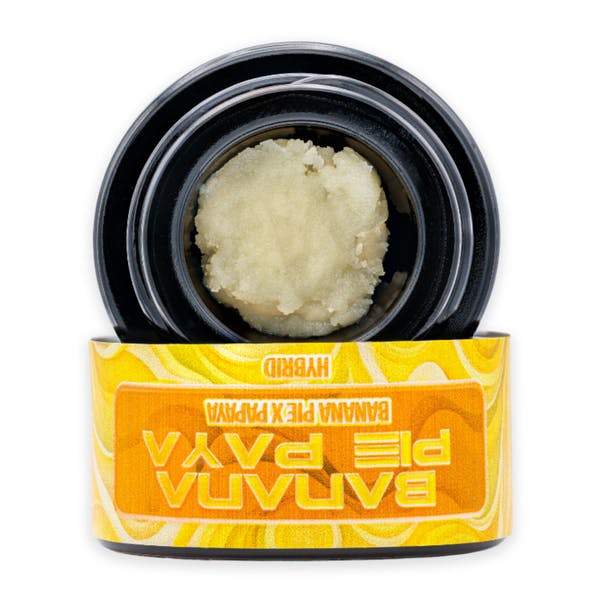
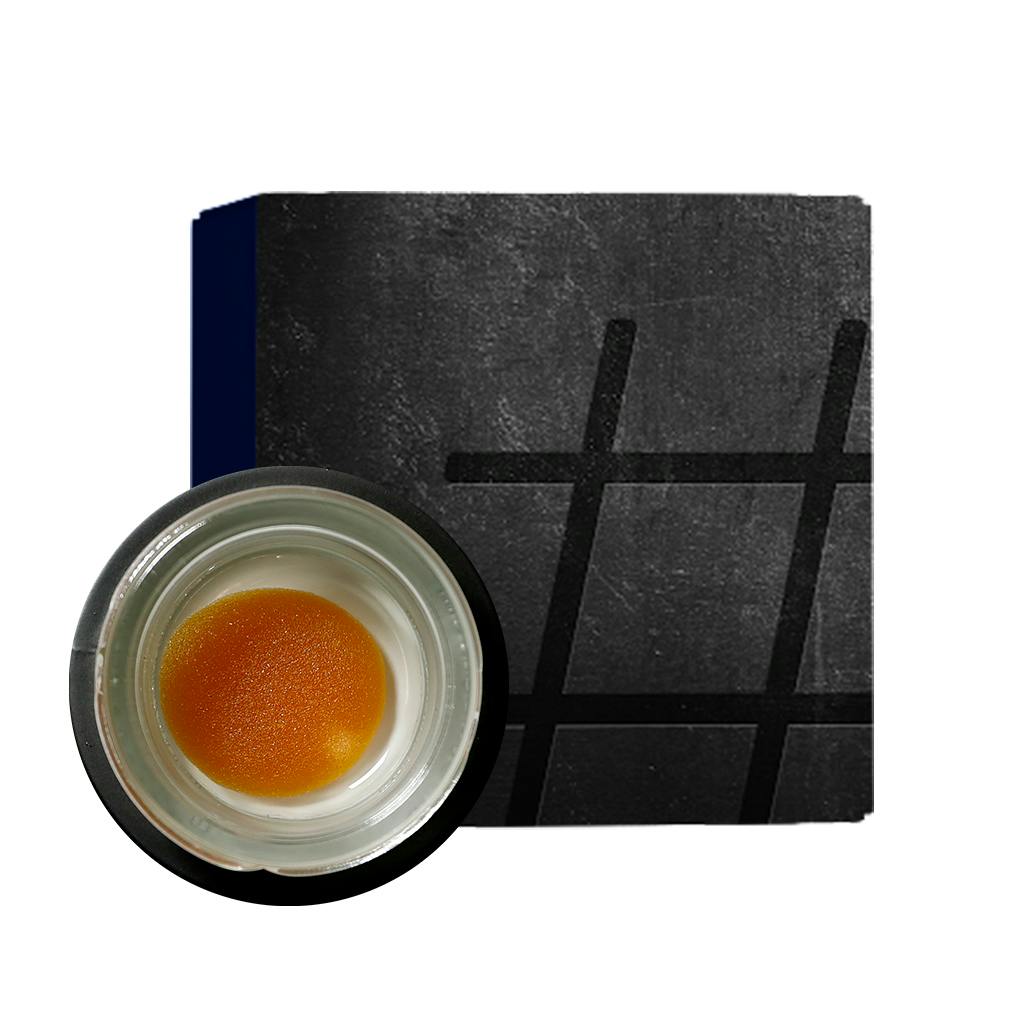
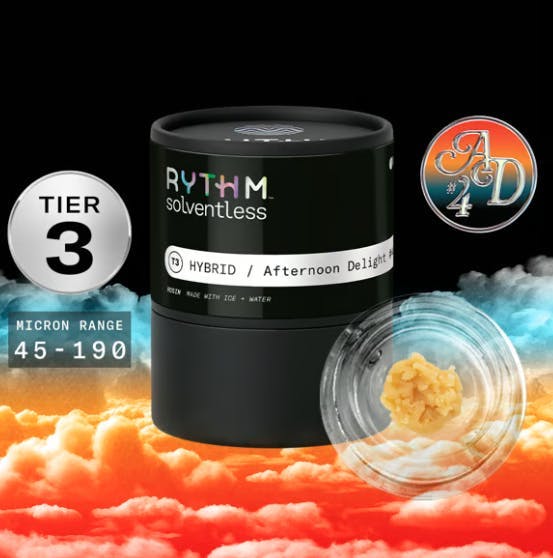
$82after tax
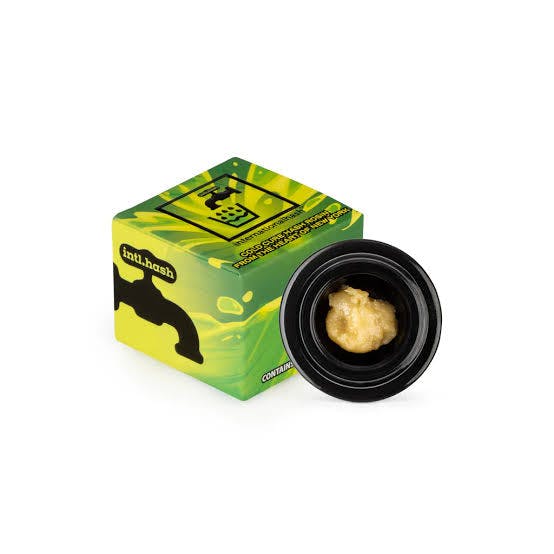
$75after tax
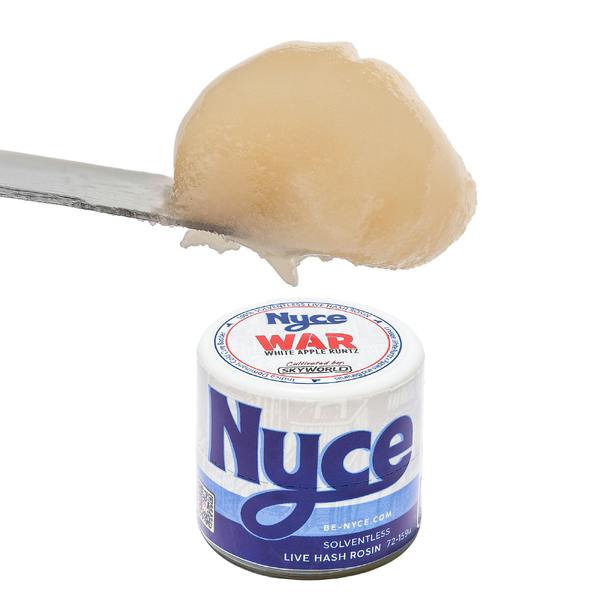
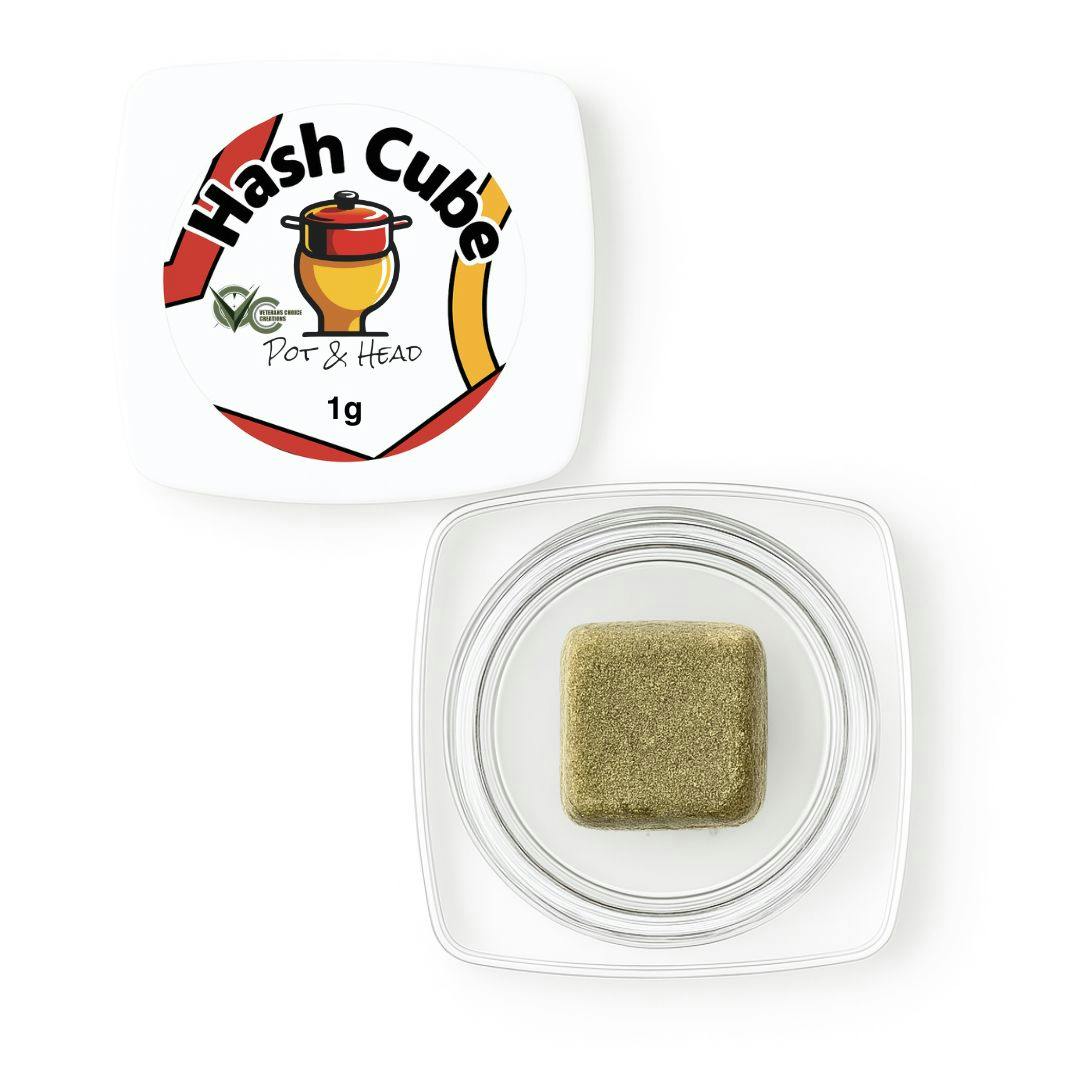
Licensed New York dispensaries generally stock a range that includes live resin, live rosin, distillate, badder, budder, crumble, and concentrate-filled vape cartridges. The specific menu varies by retailer and shifts seasonally as New York's licensed cultivator and processor base expands. Shoppers in Lindenhurst visiting ZenZest's Queens store will find that the menu is updated regularly, so checking online before making the trip from 11757 is a practical first step.
Live rosin is produced by applying heat and pressure to fresh-frozen cannabis material — no chemical solvents are involved. Live resin is made using hydrocarbon or CO2 solvents to extract from fresh-frozen material, then purged to safe residual levels. Both preserve a rich terpene profile, but rosin is considered a fully solventless product. For a Lindenhurst shopper new to concentrates who wants clean-input assurance, rosin is often the recommended starting point, though live resin frequently offers more accessible price points at comparable terpene quality.
Most quality concentrates available through licensed New York retailers fall in the 60 to 85 percent total THC range. Some distillates push closer to 90 percent or above, though refinement at that level often removes terpenes along with other compounds. Solventless rosins from premium cultivars frequently land between 65 and 80 percent, with a more complex terpene profile than ultra-refined distillate. Newcomers should approach any figure above 75 percent with appropriate caution and observe a start-low, go-slow approach.
Cold temperatures — which are genuine on the South Shore of Long Island between November and March — can affect concentrate texture. Crumble and some dryer badders become brittle and difficult to work with when cold. Rosin can separate if temperature fluctuates between warm and cold repeatedly. The standard guidance is to store concentrates in an airtight, lightproof container at a stable cool room temperature, away from direct heat sources. Refrigeration is suitable for long-term rosin storage if the container is sealed tightly to prevent moisture intrusion when it returns to room temperature.
Concentrate vape cartridges are among the most commuter-compatible cannabis formats available. They are discreet, require no preparation, produce minimal odor compared to flower, and deliver consistent doses with each draw. For a Lindenhurst resident arriving home via the Babylon Branch, a cartridge filled with a myrcene-forward live resin or a calming indica-leaning distillate can slot into an evening routine efficiently. As with all concentrates, starting with one or two draws and pausing to assess before continuing is sensible, particularly for those whose tolerance varies.
For a daytime or socially active occasion — which on the South Shore might mean a summer afternoon on the Great South Bay or a weekend afternoon along Montauk Highway — look for concentrates with elevated limonene, terpinolene, or ocimene content. These terpenes are broadly associated with brighter, more energetic character. Pinene, which carries a fresh evergreen quality, is also frequently cited alongside alert and focused experiences. Review the terpene breakdown on the product's certificate of analysis; a total terpene content above 1.5 percent generally signals an expressive and aromatic product.
Both formats can contain high-quality concentrate oil, but there are meaningful differences worth understanding. Cartridges attach to a reusable 510-thread battery, giving the consumer more control over temperature settings and long-term cost. Disposable pens are self-contained and require no separate battery, which makes them convenient for new users or travel. Oil quality depends on the extraction source — live resin carts generally offer a more complex flavor profile than plain distillate carts, and that distinction applies equally to cartridges and disposables. Check the label for extraction method and terpene content regardless of format.
A certificate of analysis, or COA, is a third-party lab report that should accompany every licensed New York concentrate product. Key sections to review include total THC and total CBD percentages, terpene content listed individually by compound, and pass or fail results for residual solvents, pesticides, heavy metals, and microbials. For a solventless product like rosin, the residual solvent panel should show non-detect across the board. For live resin, confirm residual solvents are well below the NY-permitted thresholds. ZenZest staff can help shoppers locate and interpret COA data for specific products.
Pricing in New York's licensed concentrate market varies meaningfully by format and source quality. Distillate vape cartridges typically begin in the thirty to fifty dollar range for a half-gram. Live resin cartridges and disposables often fall between fifty and eighty dollars. Solventless rosin — particularly from small-batch or single-cultivar runs — can range from sixty dollars to over one hundred dollars per gram, reflecting the more labor-intensive production process. For Lindenhurst shoppers making the drive to ZenZest's Queens location, reviewing the online menu for current pricing before the trip is a practical way to plan the visit.
New York State's adult-use cannabis regulations apply uniformly across all counties, including Suffolk. Adults 21 and older may purchase cannabis concentrates from any licensed retailer, with no county-level restrictions on product type that differ from the statewide framework. The Office of Cannabis Management oversees licensing, testing, and retail compliance standards across all jurisdictions. Suffolk County municipalities retain some authority over retail siting and local zoning for dispensary locations, but those regulations affect where stores can open rather than what licensed adults can purchase.
Pick your store
We'll show pricing, deals, and delivery zones for the store you pick. You can switch any time from the header.