
Manhattan · Rosin
Best Rosin in Kips Bay, Manhattan
Kips Bay, the quietly sophisticated stretch of Manhattan anchored by Second Avenue, First Avenue, and the green corridor of Bellevue South Park, has developed a discerning appetite for solventless cannabis concentrates. Rosin — pressed from flower or hash using only heat and pressure — is the category that rewards exactly the kind of thoughtful, quality-first mindset that defines this neighborhood's character.
About Rosin
Rosin occupies the highest rung of the solventless concentrate ladder, and for good reason. Unlike butane hash oil or other hydrocarbon extracts, rosin is produced without chemical solvents — only calibrated heat and mechanical pressure transform fresh flower, dry sift, or bubble hash into a translucent, terpene-rich oil that captures the plant's full aromatic profile. The result is a product that sophisticated consumers and cannabis purists consistently return to: clean, complex, and remarkably expressive of the cultivar it came from. Within the New York licensed market, rosin has become a meaningful category as the state's adult-use framework matured. Operators licensed under the Office of Cannabis Management now produce rosin across several sub-formats — flower rosin, hash rosin, and live rosin — each representing a different starting material and, consequently, a different price point and flavor depth. Live rosin, made from freshly frozen plant material, tends to command the highest prices but delivers the most vivid terpene expression. Hash rosin, pressed from bubble hash, offers a refined middle ground between accessibility and complexity. Flower rosin, the most approachable entry point, works well for consumers exploring concentrates for the first time. Consistency and transparency are two qualities that distinguish reputable rosin producers in the NY market. Look for batch-specific certificates of analysis, clear labeling of the starting material, and third-party lab verification of terpene percentages alongside cannabinoid totals. The best producers will also note the press temperature and wash micron on their packaging — small details that signal genuine craft intention. For adult-use consumers over 21 in New York, rosin is consumed most commonly via a dab rig, an electronic nail device, or a purpose-built concentrate vaporizer. Each method produces a different thermal experience and intensity, so understanding your hardware is as important as selecting the rosin itself.
Rosin for Kips Bay shoppers
Kips Bay occupies the ZIP codes 10010 and 10016 — a sliver of Manhattan that runs between the bustle of Midtown South and the quieter residential rhythm of Gramercy. The neighborhood draws a notably diverse cross-section of residents: healthcare professionals affiliated with the NYU Langone and Bellevue Hospital corridor along First Avenue, graduate students from nearby institutions, and long-tenured apartment dwellers who appreciate the relative calm of Second Avenue's tree-lined blocks compared to the avenues further west. This is not a neighborhood that trends toward novelty for its own sake. Residents here tend to research before they purchase. That orientation toward quality-over-spectacle makes rosin a natural fit. After a long clinical shift, a research evening, or a slow walk through Bellevue South Park along the FDR waterfront, a small, measured session with a high-quality live rosin is an experience that aligns with the neighborhood's measured sensibility. There is no combustion, no residual smoke to carry onto the elevator, and no harsh aftertaste — qualities that matter in dense residential buildings where thoughtful consumption is a social necessity. Kips Bay also benefits from a genuine commuter reality. Many residents move between Manhattan and the outer boroughs or New Jersey daily, and the convenience of delivery — particularly for a premium, breakable product like rosin that benefits from careful packaging — is not a trivial consideration. Ordering directly from a licensed dispensary that delivers to 10010 and 10016 removes the friction of traveling to a retail location with a glass jar in your bag.
What to look for
Selecting rosin requires a slightly different framework than choosing flower or a pre-roll. The first variable to assess is starting material. Live rosin, sourced from freshly frozen whole plant, will carry a terpene profile that is broader and more volatile — expect prominent top notes alongside deeper, earthier base tones. Hash rosin, by contrast, has often gone through an additional washing and freeze-drying process that concentrates resin heads and produces a cleaner, more refined flavor. Flower rosin is more straightforward and typically the most affordable, though it may sacrifice some terpene nuance. Terpene composition matters enormously with rosin because there are no carrier oils or added flavoring to compensate for what is or is not present in the plant. For residents who prefer a calming, end-of-evening experience, look for rosin with elevated myrcene or linalool content — both terpenes associated with relaxing, grounded sensory experiences. For something more suitable to a focused afternoon or a walk along the East River Esplanade, pinene-forward or limonene-dominant batches tend toward clarity and brightness. Terpene percentages above one percent are generally considered expressive; anything above two percent in a rosin is exceptional and worth noting. THC potency in rosin typically ranges from the mid-60s to the mid-80s percent by weight, occasionally higher in particularly refined hash rosin batches. This is a significant departure from the 20-30 percent range common in premium flower. For consumers new to concentrates, a cautious and deliberate approach — starting with a very small amount and allowing adequate time between sessions — is the standard guidance across the industry. For Kips Bay residents accustomed to efficient, controlled experiences, rosin rewards exactly that kind of intentionality.
Why ZenZest for rosin in Kips Bay
ZenZest Cannabis Dispensary serves Kips Bay through its Staten Island location at 2343 Forest Ave, Staten Island, NY 10303 — approximately 12.3 miles from the neighborhood's center. While that address sits across the harbor, ZenZest's same-day delivery infrastructure makes physical distance functionally irrelevant for most residents in 10010 and 10016. Orders over $100 qualify for free same-day delivery across more than 80 New York ZIP codes, a threshold that is easily met when purchasing premium rosin, which often carries the price point its craft production warrants. ZenZest operates within New York's licensed adult-use framework, meaning every product on its menu — including its rosin selection — carries verified certificates of analysis and is sourced from state-licensed producers. For Kips Bay residents who bring the same research-oriented mindset to their cannabis purchases that they bring to every other category of consumption, that traceability matters. Browsing the ZenZest menu before placing a delivery order allows for the kind of deliberate, informed selection that rosin specifically rewards.
ZenZest Staten Island · 2343 Forest Ave, Staten Island, NY 10303 · 12.3 miles from Kips Bay.
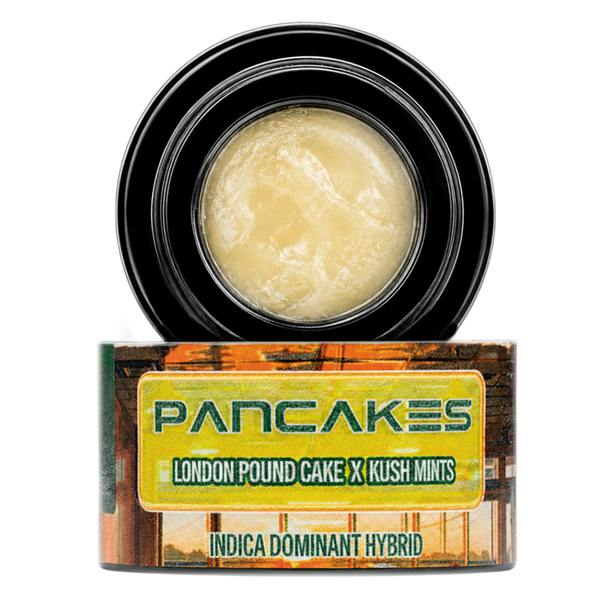
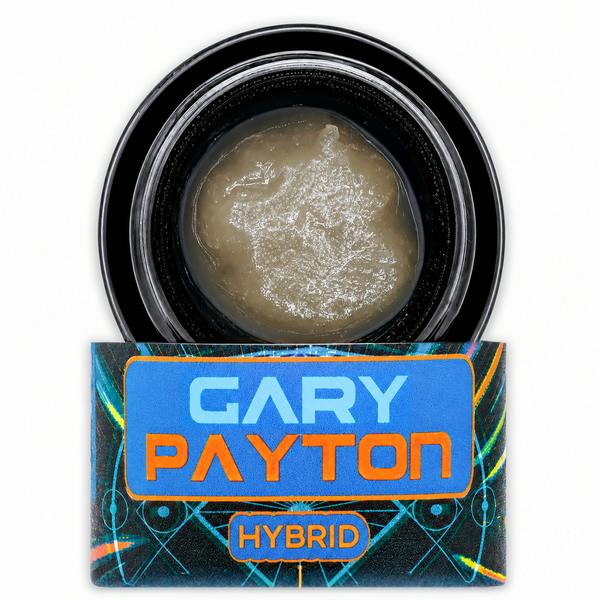
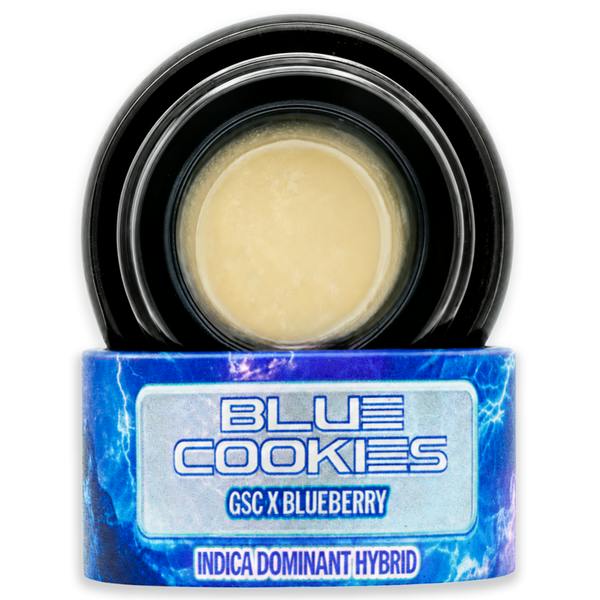
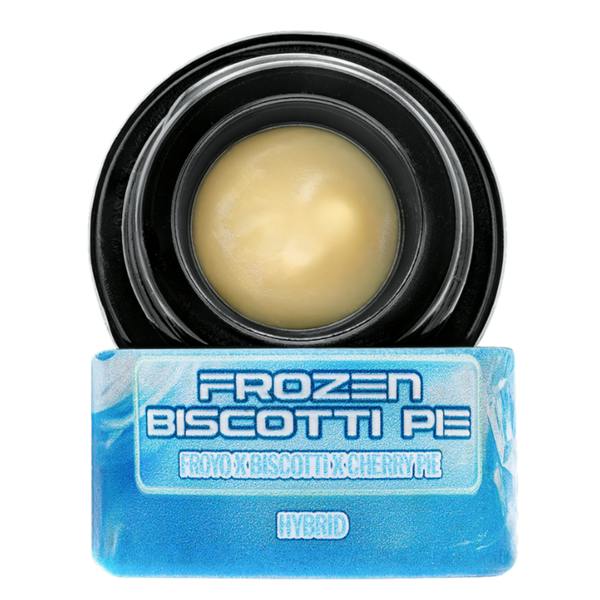
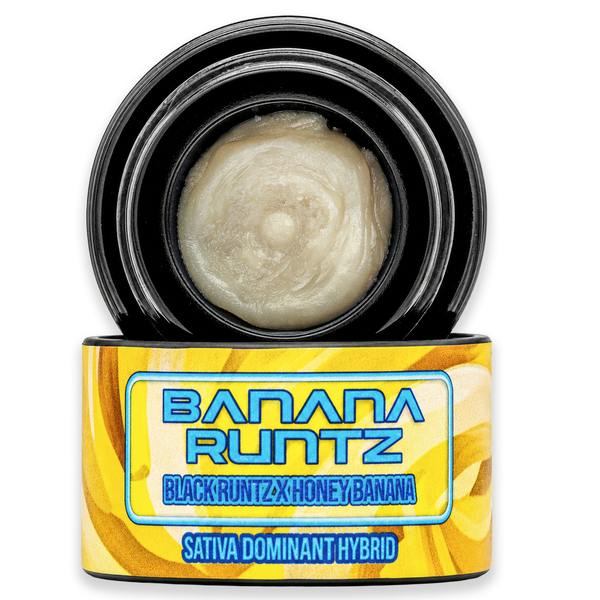
Live rosin for Kips Bay
Full rosin menu →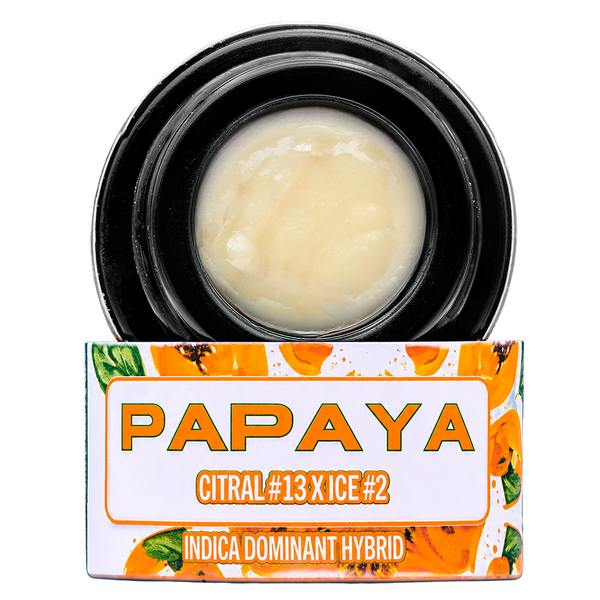
Rosin in Kips Bay — answers
What exactly is rosin, and how is it different from other concentrates available in the NY market?+
Rosin is a solventless cannabis concentrate made by applying controlled heat and pressure to flower, dry sift, or bubble hash. Unlike wax, shatter, or distillate — which use hydrocarbon or CO2 extraction — rosin contains no residual solvents by definition. In New York's licensed adult-use market, this distinction is meaningful: solventless products appeal to consumers who prioritize ingredient transparency and full-spectrum terpene retention. The absence of chemical intervention allows the starting cultivar's natural aromatic and cannabinoid profile to carry through to the final product with minimal distortion.
What are the differences between flower rosin, hash rosin, and live rosin?+
Flower rosin is pressed directly from dried, cured cannabis flower — it is the most accessible and typically the most affordable rosin format. Hash rosin uses bubble hash as its starting material, a purer resin concentrate that has been ice-water washed and freeze-dried, resulting in a cleaner, more concentrated flavor. Live rosin begins with freshly frozen whole plant or fresh hash, preserving a broader range of volatile terpenes that would otherwise degrade during curing. Each tier represents an increase in both production complexity and terpene expressiveness, though all three are legitimate solventless options for adult-use consumers in New York.
How do I consume rosin if I live in a Kips Bay apartment building?+
Rosin is most commonly consumed via a dab rig with a heated quartz banger, an electronic nail device, or a portable concentrate vaporizer. Portable e-rigs and pen-style concentrate vaporizers are particularly practical for apartment dwellers along Second Avenue and First Avenue, as they produce vapor rather than combustion smoke, dissipate quickly, and allow for more precise temperature control. Lower-temperature sessions — sometimes called cold-start or low-temp dabs — tend to produce more flavorful, less harsh vapor and are generally considered the preferred method for experiencing a quality rosin's full terpene profile.
What terpenes should I look for in a rosin if I want something suitable for unwinding after a long shift near Bellevue Hospital?+
For an evening experience oriented around decompression and calm, look for rosins with elevated myrcene, linalool, or bisabolol content. Myrcene is one of the most commonly occurring terpenes in cannabis and is broadly associated with a grounded, settled sensory experience. Linalool, also found in lavender, brings a floral quality that many consumers find conducive to relaxation. When reviewing a batch's certificate of analysis, prioritize total terpene percentage alongside the specific terpene breakdown — a rosin with a rich, diverse terpene profile will generally be more nuanced in effect than a high-THC product with minimal terpene presence.
Is rosin a good choice for someone transitioning from cannabis flower to concentrates for the first time?+
Rosin can be an excellent introductory concentrate for experienced flower consumers who want to explore a cleaner, more flavor-forward format. The key adjustment is potency: rosin typically registers between 65 and 85 percent THC by weight, compared to the 20-30 percent range common in premium flower. The general guidance consistent across the industry is to begin with a significantly smaller amount than you would with flower, allow substantial time between sessions, and prioritize a low-temperature consumption method that makes the experience easier to calibrate. Flower rosin, as the most approachable sub-format, is a reasonable starting point.
Can I get rosin delivered to my address in ZIP code 10016 or 10010?+
Yes. Both Kips Bay ZIP codes — 10016 and 10010 — fall within the delivery coverage network served by licensed dispensaries operating in the New York adult-use market. ZenZest Cannabis Dispensary offers same-day delivery on orders over $100 across more than 80 New York ZIP codes, which includes these Kips Bay addresses. Given that quality rosin is often priced in a range where a single jar or two easily meets that threshold, free same-day delivery is a practical and frequently applicable benefit for residents of this neighborhood.
How should I store rosin once it arrives to maintain its quality in a Manhattan apartment?+
Rosin is sensitive to heat, light, and air exposure — three variables that require particular attention in a Manhattan apartment environment, especially during summer months when building temperatures can fluctuate. Store your rosin in its original sealed, airtight container and keep it in a cool, dark location, such as a drawer or a small dedicated box away from windows. Refrigeration is acceptable for short-term storage, though bringing the product back to room temperature before handling prevents condensation from affecting consistency. For longer-term storage, freezing in an airtight container is the preferred method, though rosin used frequently is best kept at stable refrigerator temperature.
What hardware do I need to get started with rosin at home, and what is the approximate investment?+
The most approachable entry point is a portable electronic concentrate vaporizer or e-rig, which typically ranges from roughly $80 to $300 depending on brand and feature set. These devices heat to precise temperatures, eliminate the open-flame element of traditional dab rigs, and are compact enough for apartment use. A traditional dab rig with a quartz banger and a torch offers more control for experienced consumers and can be assembled for a similar price range. Regardless of hardware choice, a dedicated silicone or glass container for transferring rosin, a small dab tool, and basic isopropyl alcohol for maintenance are the standard accessories.
How do I read a certificate of analysis for rosin to evaluate quality before purchasing?+
A certificate of analysis, or COA, is a third-party lab document that verifies a product's cannabinoid and terpene content, as well as the absence of pesticides, residual solvents, heavy metals, and microbial contaminants. For rosin, focus first on the terpene panel: a total terpene percentage above one percent is considered expressive, and individual terpene listings will help you anticipate the product's character. Next, review total THC and THCA figures — these represent the primary active cannabinoid content. Finally, confirm that the solvent panel shows non-detected results, which is expected for a solventless product but worth verifying regardless.
Are there specific cultivars or strain profiles that tend to express particularly well as rosin?+
Rosin production rewards cultivars with dense, resin-rich trichome coverage and a well-developed terpene profile — qualities that translate directly into yield and flavor. In the New York licensed market, cultivars in the Gelato, Zkittlez, and Papaya families have earned consistent attention from solventless producers for their terpene density. Landrace-adjacent genetics and older OG-lineage strains also press well, offering deeper, more complex base notes. When shopping, look for producers who name the specific cultivar and starting material rather than using generic descriptors — that specificity signals a commitment to traceability that aligns with rosin's core identity as a transparent, artisan-oriented product.