On sale· 20% OFF
THC 32.18%Indica
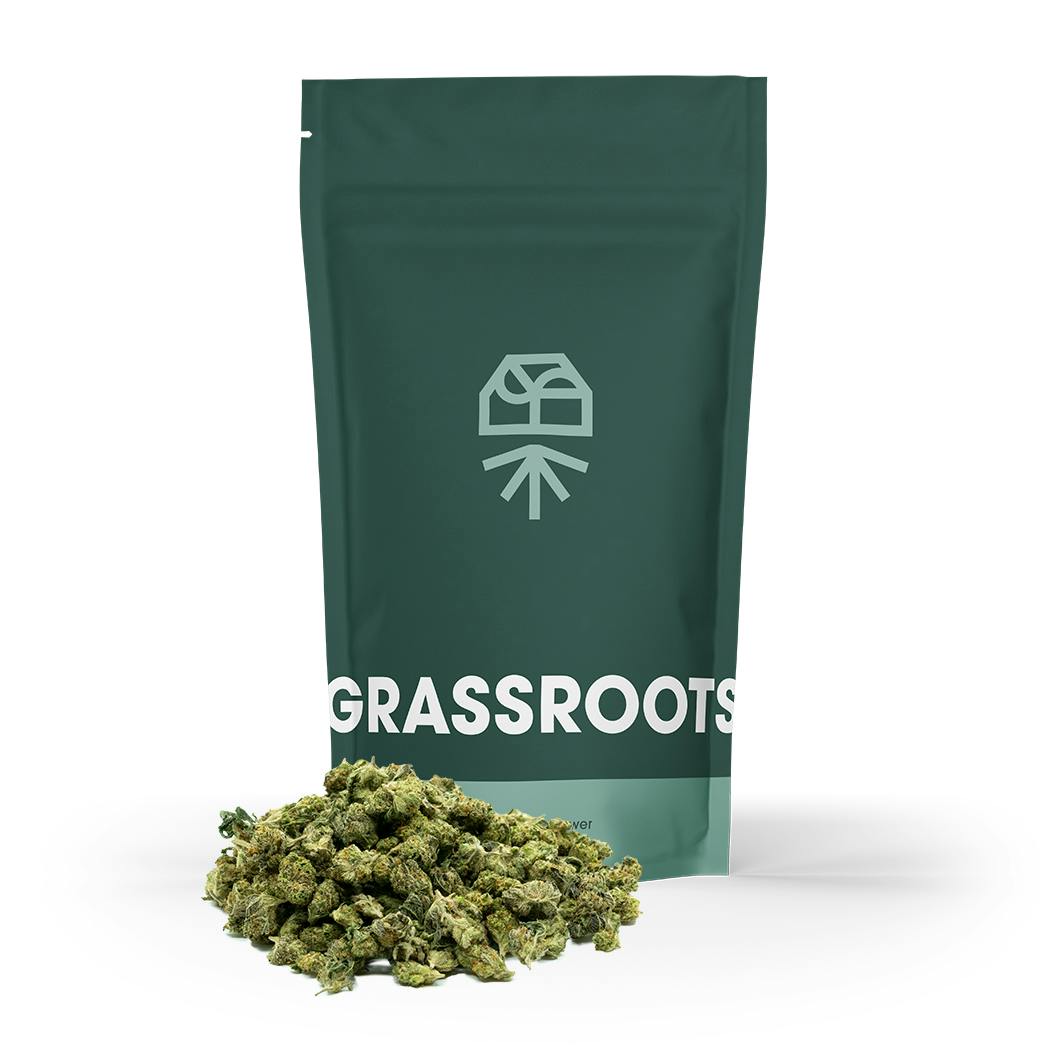
GrassrootsGrassroots Prepack Whole Flower - Indica : Pillow Mints · 28g
$140.18$175.22
$163after tax
weeddispensarynearme.com
You must be 21 years or older to enter. By entering, you confirm you’re of legal age in your state to purchase cannabis.
For use only by adults 21+ • Keep out of reach of children
Kew Gardens Hills quietly holds its own among Queens' most considered neighborhoods — a place where Kissena Park's greenery meets the steady rhythm of 75th Avenue commerce and the familiar grid of ZIP 11367. For adults 21 and older seeking premium cannabis flower, this corner of the borough rewards the deliberate shopper who values quality, transparency, and a curated selection sourced from New York's licensed cultivators.
About Flower
Cannabis flower remains the foundational format in the adult-use market, and for good reason. It is the most direct expression of a cultivar's character — the terpene profile, the cure quality, the structure of the bud itself all communicate something that a processed extract or an infused edible cannot fully replicate. For New York shoppers, the licensed adult-use market has matured steadily since the state's Office of Cannabis Management began issuing CAURD and standard retail licenses, and the flower available through compliant dispensaries now reflects genuine craft-level cultivation from farms across the state. What distinguishes licensed New York flower from unregulated product is more than legality. Every batch sold through a licensed retailer must carry a certificate of analysis from an accredited third-party lab, confirming cannabinoid potency, terpene concentrations, and the absence of pesticides, heavy metals, and microbial contaminants. That transparency is not a marketing gesture — it is the baseline that allows a thoughtful consumer to make an informed decision about what they are actually purchasing. Flower in the New York market spans a wide spectrum of cultivation approaches, from sun-grown outdoor harvests to climate-controlled indoor rooms engineered for consistency. Each method produces a distinct result: outdoor flower often carries more complex terpene expression shaped by seasonal rhythms, while indoor cultivation prioritizes visual density and tightly controlled cannabinoid levels. Greenhouse and light-deprivation grows occupy an interesting middle ground, offering some of the terroir of outdoor cultivation with greater environmental consistency. For a neighborhood like Kew Gardens Hills, where residents tend to be educated, discerning, and attentive to value, the licensed flower market offers a genuine opportunity to engage with cannabis the way a serious wine or spirits consumer engages with those categories — with curiosity, patience, and an appreciation for provenance.
Flower for Kew Gardens Hills shoppers
Kew Gardens Hills occupies a particular rhythm in Queens life. The stretch of 75th Avenue functions as a genuine main street — bakeries, bookshops, and local service businesses that have served the neighborhood for decades — while Kissena Park provides a rare urban exhale, its wooded paths and open meadows offering a counterpoint to the density that surrounds it. The neighborhood's residential streets, a mix of attached homes, garden apartments, and quiet side blocks, attract a notably diverse population: young professionals, established families, students from nearby Queens College, and longtime residents who have watched the neighborhood evolve across generations. For this community, cannabis flower fits naturally into a set of well-established leisure occasions. An early evening walk through Kissena Park — along the Perimeter Trail or toward the lake — is a context in which a mellow, lower-THC cultivar with a balanced terpene profile can complement rather than overwhelm the experience. Similarly, the neighborhood's strong culture of home hospitality, rooted in its diverse culinary traditions, creates occasions for social consumption in relaxed, familiar settings. The commute pattern in 11367 is also worth noting. Many residents travel by express bus or car to Manhattan and other Queens destinations, returning in the evening to a neighborhood that genuinely feels removed from the city's intensity. For that post-commute wind-down, flower offers a ritual quality — the preparation, the intention — that pre-rolls and edibles, for all their convenience, do not fully replicate. Seasonal rhythms matter here too: the long Queens winters make aromatic, warming cultivars particularly appealing, while summer evenings near Kissena Park invite something brighter and more citrus-forward.
What to look for
When evaluating cannabis flower at a licensed New York dispensary, the certificate of analysis is your first and most important tool. Look beyond the headline THC percentage, which is frequently overstated in consumer marketing, and examine the full cannabinoid panel. Cannabidiol, cannabigerol, and cannabichromene each contribute to what researchers informally call the entourage effect — the way multiple cannabis compounds interact to shape the overall character of the experience. A flower with 20 percent THC and a rich minor cannabinoid profile will often feel meaningfully different from a 26 percent THC product with a sparse supporting cast. Terpenes deserve equal attention. Myrcene, the most common terpene in cannabis, tends to produce a grounding, earthy quality and is found in abundance in many indica-leaning cultivars. Limonene brings a citrus brightness often associated with more uplifting effects. Caryophyllene, which also appears in black pepper and cloves, is the only terpene known to interact directly with cannabinoid receptors and is frequently present in more complex, spicy cultivars. Pinene, linalool, and ocimene each add their own dimension. For Kew Gardens Hills shoppers who may be new to evaluating flower this way, asking a budtender to walk through the terpene panel on a specific batch is always appropriate at a quality retailer. Format trade-offs within the flower category itself are worth considering. Whole-flower eighths give you the most flexibility — you can inspect the bud structure, assess the cure, and grind to your preferred consistency. Smalls and shake offer the same cultivar at a lower price point, which suits budget-conscious shoppers without sacrificing the terpene profile. Pre-ground flower in sealed packaging is convenient but offers less opportunity for sensory evaluation before purchase. As a general orientation for new consumers, starting with a lower-THC cultivar and proceeding gradually remains the most consistent guidance offered by public health authorities.
Why ZenZest for flower in Kew Gardens Hills
ZenZest Cannabis Dispensary operates two licensed adult-use retail locations in New York, and for residents of Kew Gardens Hills, the most accessible is ZenZest Queens at 272-06 Union Tpke in Bellerose — approximately 5.4 miles from the heart of 11367, a straightforward drive along Union Turnpike that passes through familiar Queens geography. The Queens location carries a rotating selection of licensed New York flower, with staff equipped to walk customers through current batch certificates of analysis and terpene profiles in the manner of a specialty retailer rather than a transactional counter. For shoppers who prefer not to make the trip, ZenZest offers free same-day delivery on orders over $100 to more than 80 New York ZIP codes, with 11367 among the eligible areas. The delivery option is particularly well-suited to the Kew Gardens Hills lifestyle — a neighborhood that values quality and efficiency in equal measure. Orders can be placed online, reviewed against the full product catalog, and delivered with the same care and compliance standards that apply to in-store purchases. All transactions require valid 21-plus identification, consistent with New York State adult-use law.
ZenZest Queens · 272-06 Union Tpke, Bellerose, NY 11004 · 5.4 miles from Kew Gardens Hills.
$163after tax
$68after tax
$163after tax
A certificate of analysis from a licensed New York dispensary will show total THC and CBD percentages, minor cannabinoid levels, a terpene panel, and results for pesticide, heavy metal, and microbial testing. For flower shoppers in 11367, the terpene panel is particularly informative — it gives you a clearer sense of the cultivar's aromatic character and likely experiential profile than the THC number alone. Look for a recent test date, ideally within the same harvest batch listed on the packaging, and do not hesitate to ask the budtender for the full document.
Yes. New York State legalized adult-use cannabis for individuals 21 and older under the Marijuana Regulation and Taxation Act. Licensed retail dispensaries may sell flower and other cannabis products to adults with valid identification. Kew Gardens Hills, within Queens County and ZIP 11367, falls under New York State jurisdiction, and purchases from licensed retailers such as ZenZest Queens are fully compliant with state law. Public consumption is subject to the same restrictions as tobacco under New York City rules — it is prohibited in many public spaces.
Outdoor-grown New York cannabis is cultivated under natural sunlight through the state's growing season, which typically runs from late spring through early fall. This approach often produces more complex terpene expressions shaped by environmental variation, and it tends to be priced more accessibly. Indoor-grown flower benefits from precise climate control, resulting in consistently dense bud structure and tightly managed cannabinoid levels. For Kew Gardens Hills shoppers new to evaluating these distinctions, asking to compare the terpene panels of an outdoor and indoor batch side by side is an instructive exercise.
For an outdoor leisure occasion like a stroll through Kissena Park, many experienced consumers gravitate toward cultivars with dominant limonene or pinene profiles — the former offering a citrus brightness, the latter a crisp, resinous quality that complements natural surroundings. Lower-THC options with these terpene profiles tend to support alertness and a gentle mood lift without the sedating weight that high-myrcene cultivars can carry. That said, individual responses to terpenes and cannabinoids vary, and a general start-low, go-slow approach is always advisable, particularly for newer consumers.
New York's licensed market offers flower across a wide THC range, from roughly 10 percent to well above 30 percent. For someone approaching flower for the first time or returning after a long break, cultivars in the 14-to-18 percent total THC range often provide a more approachable entry point than the highest-potency options that tend to dominate visual marketing. The general public health guidance applicable in New York is to start with a small amount and allow sufficient time to assess the effect before consuming more.
Yes. ZenZest Cannabis Dispensary offers free same-day delivery on orders over $100 to more than 80 New York ZIP codes, and 11367 — covering Kew Gardens Hills — is among the eligible areas. Delivery requires valid proof of age confirming you are 21 or older at the time of receipt. Orders are placed through ZenZest's online platform, where the full current inventory, including batch-level product information, is available to review before you complete your purchase.
Queens winters can be genuinely cold, and many flower consumers in the borough find that the season shifts their preferences toward cultivars with warmer, spicier terpene profiles. Caryophyllene and myrcene-forward cultivars often carry an earthy, resinous depth that many consumers describe as well-suited to indoor, colder-weather occasions. Linalool, a floral terpene also found in lavender, appears in some cultivars associated with relaxed, evening-appropriate experiences. A knowledgeable dispensary staff member can help you identify current inventory that fits a winter-evening profile.
An eighth refers to one-eighth of an ounce, approximately 3.5 grams of flower — the most common unit of sale in the New York licensed market. A quarter is double that amount, 7 grams. For a consumer trying a specific cultivar for the first time, an eighth is the standard starting point: it is sufficient to evaluate the cultivar's character across multiple sessions without committing to a larger quantity before you have a sense of whether the terpene profile and potency level suit you. New York law sets possession limits at three ounces for adults 21 and older.
At a licensed New York dispensary, flower is typically displayed in sealed, labeled packaging rather than open jars, so direct sensory inspection before purchase is limited. The most useful tools available to you are the certificate of analysis, the packaging date or harvest date, and the terpene panel. Freshness matters — flower packaged recently from a recent harvest will generally have a more pronounced aromatic profile than product that has been sitting in a warehouse. Asking the staff which batches are most current in the rotation is a straightforward and worthwhile question.
Queens College, located within the 11367 ZIP code, is a public institution and its campus and immediate surroundings are subject to all applicable New York State and New York City regulations regarding cannabis consumption and possession. Licensed dispensaries operate in compliance with state law and serve only adults 21 and older, regardless of their proximity to educational institutions. Consumers are responsible for adhering to local consumption rules, which prohibit use in public spaces, on school grounds, and in other designated areas under New York City and state law.
Pick your store
We'll show pricing, deals, and delivery zones for the store you pick. You can switch any time from the header.