On sale· 20% OFF
THC 70.7%Indica-Hybrid
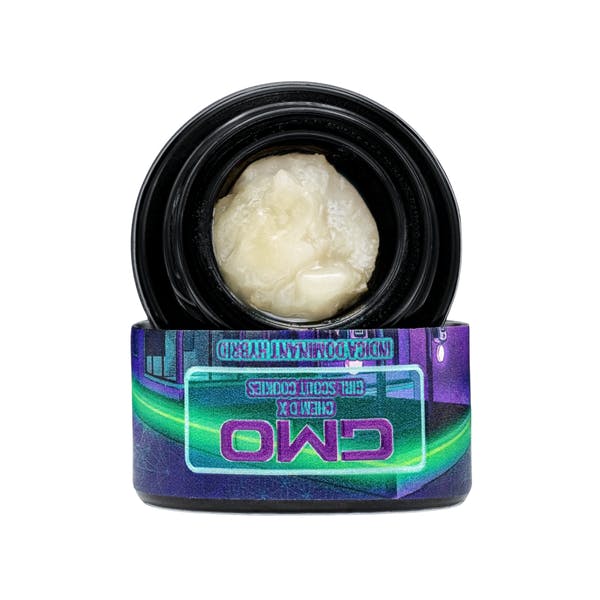
UmamiiUmamii | Live Rosin Jar | GMO · 2g
$80.00$100.00
$93after tax

weeddispensarynearme.com
You must be 21 years or older to enter. By entering, you confirm you’re of legal age in your state to purchase cannabis.
For use only by adults 21+ • Keep out of reach of children
Kensington, Brooklyn carries a quiet, unhurried character — tree-lined side streets, the measured rhythm of Church Avenue's shops, the wide sweep of Ocean Parkway just blocks away. For the adult cannabis consumer who lives here and values craft over convenience, solventless rosin has become the concentrate of choice: pure, expressive, and produced without a single drop of chemical solvent.
About Rosin
Rosin occupies a singular position in the New York licensed cannabis market. Unlike hydrocarbon extracts — butane hash oil, propane wax, or ethanol-based tinctures — rosin is made by applying precise combinations of heat and pressure to either flower, dry-sift kief, or bubble hash, causing the plant's resinous trichomes to release a translucent, full-spectrum oil. No solvents are introduced, no residual chemical compounds remain, and the resulting product is as close to the living resin of the plant as modern extraction science allows. New York's Office of Cannabis Management licenses rosin production under its concentrate regulations, meaning every gram sold through a licensed dispensary has passed third-party testing for potency, residual solvents (which, in authentic rosin, should register at zero), heavy metals, microbials, and pesticides. That regulatory backbone matters enormously when choosing a concentrate, because the extract market — more so than flower — has historically been a space where unlicensed products circulate. Buying through a licensed retailer is not merely a legal act; it is a quality guarantee. Within the rosin category, consumers encounter several distinct formats. Flower rosin, pressed directly from cured bud, tends toward slightly higher wax content and a softer, more pliable texture — ideal for cold-cure badder or crumble. Hash rosin, pressed from ice-water-extracted bubble hash, represents the pinnacle of the craft: lower in plant-matter fats and lipids, higher in cannabinoid and terpene expression, with a sauce or jam consistency that reflects the strain's aromatic signature with extraordinary fidelity. Live rosin, pressed from fresh-frozen plant material, pushes that expressiveness even further, preserving volatile terpenes that standard drying and curing would otherwise diminish. THC percentages in rosin typically range from the mid-sixties to the low eighties, with some artisan hash rosins registering even higher. Adults new to concentrates are strongly encouraged to start low and go slow — a portion no larger than a grain of rice is a sensible starting point — and to allow adequate time before reassessing.
Rosin for Kensington shoppers
Kensington is a neighborhood that tends not to announce itself. It lacks the marquee recognition of neighboring Flatbush or the boutique cachet of Windsor Terrace, and residents seem to prefer it that way. The community along Church Avenue between Coney Island Avenue and McDonald Avenue is genuinely diverse — South Asian, Caribbean, Eastern European, and long-tenured Jewish families share block associations and the same excellent bakeries. Ocean Parkway, running just west of the neighborhood's core, offers one of Brooklyn's most civilized pedestrian promenades: a wide, tree-shaded esplanade designed by Frederick Law Olmsted and Calvert Vaux that invites slow, deliberate movement rather than the transactional urgency of busier corridors. That unhurried sensibility maps naturally onto the rosin consumer. This is not a neighborhood that rewards rushed decisions. The adult cannabis enthusiast here is typically someone who takes an interest in provenance — who grew the cultivar, which farm, which extraction method — in the same way they might care about where a bottle of olive oil originates. Rosin, with its transparent production process and terroir-forward flavor profile, appeals to that disposition. Practically speaking, Kensington residents commuting via the F or G trains at Fort Hamilton Parkway or the numerous bus lines along Church Avenue often return home in the early evening looking for a ritual that marks the transition between the city's relentless pace and the relative calm of the neighborhood's residential blocks. A small dab of a well-made hash rosin — consumed responsibly at home, for adults 21 and older — fits that occasion with a precision that flower alone sometimes cannot match.
What to look for
When evaluating rosin, the first and most important distinction is source material. Flower rosin, while more accessible in price, carries a broader lipid profile that can mute terpene clarity. Hash rosin, particularly 73- or 90-micron bubble hash rosin, offers a cleaner, more defined aromatic experience. If a label specifies the micron size of the hash used, that transparency is itself a signal of a conscientious producer. Live rosin — pressed from fresh-frozen material — will display some of the most complex and true-to-strain terpene profiles available in any concentrate format. Terpenes are the primary lens through which to evaluate any rosin's character. Myrcene contributes an earthy, slightly musky warmth — common in indica-leaning cultivars and associated with a physically settling quality. Limonene brings citrus brightness and a more mentally animated profile. Caryophyllene, a sesquiterpene that also interacts with the body's endocannabinoid system, lends a peppery, almost balsamic depth. Terpinolene and ocimene appear frequently in lighter, more floral sativa-forward expressions. A lab report that breaks down the terpene panel, not merely total THC, gives a far more accurate picture of what to expect. For Kensington shoppers specifically, consider your primary consumption context. If you are looking for something that complements an evening walk along Ocean Parkway or a quiet hour with a book after the Church Avenue commute, a myrcene- and caryophyllene-forward hash rosin in the 68–76 percent THC range offers a grounded, present-focused experience without the ceiling of more extreme potency. If weekend afternoons on the Fort Hamilton Parkway greenery or a social occasion is the setting, a limonene-dominant live rosin might suit the mood. In both cases, start low, go slow, and treat the terpene profile as the menu rather than the THC number alone.
Why ZenZest for rosin in Kensington
ZenZest Cannabis Dispensary serves Kensington, Brooklyn through its Staten Island location at 2343 Forest Ave, Staten Island, NY 10303 — approximately 9.4 miles from the neighborhood's center. For residents who prefer not to make the trip across the borough, ZenZest offers free same-day delivery on orders over $100 to more than 80 eligible New York ZIP codes, with 11218 among them. That means a curated selection of licensed, tested rosin — flower rosin, hash rosin, and live rosin from New York's emerging craft extraction producers — can arrive at a Kensington address the same day without a platform fee eating into the order total. ZenZest's inventory philosophy reflects the premium, detail-oriented consumer rather than the volume buyer. The concentrate selection prioritizes solventless and artisan formats, with staff knowledgeable enough to discuss terpene panels, batch numbers, and extraction source material — precisely the level of conversation that a Kensington shopper who has already done their research will appreciate. Browsing the full rosin catalog and placing a delivery order can be done directly through the ZenZest platform, with adult-use purchase available to verified customers 21 and older.
ZenZest Staten Island · 2343 Forest Ave, Staten Island, NY 10303 · 9.4 miles from Kensington.
$93after tax
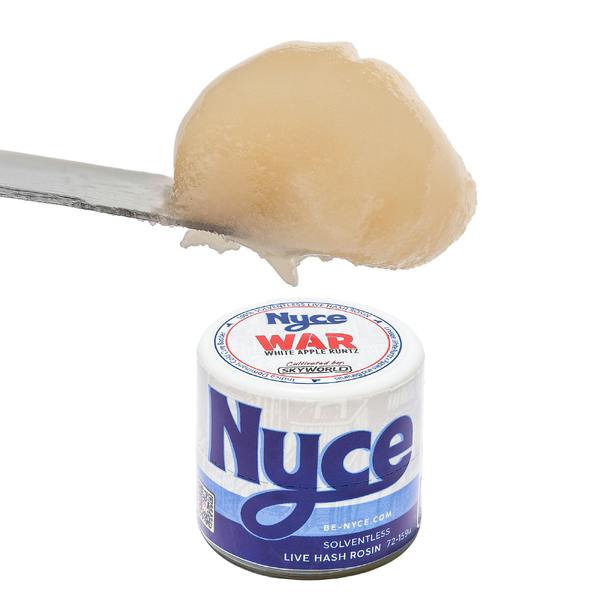
Rosin is produced using only heat and pressure — no butane, propane, ethanol, or CO₂ is introduced during extraction. For Kensington consumers who approach cannabis with the same ingredient-conscious mindset they might apply to food sourcing, that distinction is meaningful. Third-party lab certificates on licensed rosin products will show residual solvents at non-detected levels. It is one of the clearest ways to verify that the product you are consuming is as pure as the label implies.
Flower rosin is pressed directly from cured cannabis bud, which means plant fats, waxes, and chlorophyll are present alongside cannabinoids and terpenes. Hash rosin begins with bubble hash — ice-water-extracted trichome heads — which strips away much of that plant matter before pressing. The result is a more refined, terpene-forward concentrate with a cleaner flavor profile. The additional processing step is labor-intensive, which accounts for the higher price, but for a consumer focused on aromatic nuance, it is generally the more rewarding format.
Rosin is often considered a natural bridge for flower consumers because its production method and flavor philosophy are plant-forward rather than chemically amplified. That said, potency is substantially higher — where quality flower might test at 20–28 percent THC, rosin commonly falls between 65 and 80 percent. Adults making this transition are strongly encouraged to start with the smallest practical portion, wait a full fifteen to thirty minutes before reassessing, and not benchmark their experience against their flower tolerance.
Rosin consistency varies by strain, pressing temperature, and post-processing technique. You may encounter a stable, scoopable badder; a granular, crystalline sugar; a fluid, separated sauce with diamonds; or a glossy, pliable pull-and-snap sheet. All are legitimate formats. For storage, keep rosin in an airtight, opaque container in a cool, dark location — a refrigerator works well for longer storage. Allow it to return to room temperature before opening to prevent condensation from affecting the product.
A standard dab rig with a quartz banger, or a purpose-built electronic dab device, offers the most controlled and flavorful experience for rosin. Electronic devices — often called e-rigs or dab pens — are particularly practical for an apartment or home setting because temperature is precisely regulated, reducing the risk of overheating and degrading terpenes. Some rosin products are also compatible with select vaporizer systems. Regardless of device, lower temperatures in the 450–550°F range tend to preserve terpene expression better than high-heat methods.
A COA from a licensed New York testing laboratory will include total THC and CBD percentages, a terpene panel listing individual compounds and their concentrations, residual solvent testing (which should show non-detected for all analytes in authentic rosin), heavy metals screening, microbial testing, and pesticide screening. For rosin specifically, pay close attention to the terpene panel — a robust, accurately reported terpene profile is a reliable indicator of quality extraction and careful handling. Products without an accessible COA should raise questions.
Yes. ZenZest Cannabis Dispensary offers free same-day delivery on qualifying orders over $100 to more than 80 New York ZIP codes, and 11218 is among the eligible delivery areas. Orders are fulfilled from licensed inventory and comply with New York adult-use regulations. You will need to verify your age — 21 or older — at the time of delivery, so a valid government-issued ID is required upon receipt.
Kensington's residential calm — the shaded side streets off Church Avenue, the promenade culture of Ocean Parkway, the quiet evenings along Fort Hamilton Parkway — lends itself to at-home concentrate sessions that are deliberate and unhurried rather than spontaneous. Adults 21 and older who treat rosin as an evening ritual, a complement to music or reading, or a social experience shared among a small group of friends in a private setting often find that the category's flavor complexity rewards the slower pace this neighborhood naturally encourages.
For a grounding, body-present experience, prioritize rosins with elevated myrcene and caryophyllene — both are associated with a heavier, more settled quality and appear frequently in indica-leaning cultivars. For something lighter and more cerebrally engaged, look for terpinolene, limonene, or ocimene as dominant compounds — these tend toward brighter, more animated profiles. Linalool adds a floral, calming dimension that some consumers find balancing. These are general patterns, not guarantees, and individual responses vary; start low and go slow regardless of terpene profile.
The New York Office of Cannabis Management requires all licensed cultivators, processors, and retailers to operate under a chain of custody that includes mandatory third-party laboratory testing before any product reaches a dispensary shelf. Rosin sold through a licensed dispensary in Kings County — or delivered to a 11218 address by a licensed retailer — has cleared potency, residual solvent, heavy metal, pesticide, and microbial testing. Purchasing from unlicensed sources, regardless of price advantage, removes all of those consumer protections entirely.
Pick your store
We'll show pricing, deals, and delivery zones for the store you pick. You can switch any time from the header.