
Suffolk County · Rosin
Best Rosin in Huntington, Suffolk County
Huntington's tree-lined New York Avenue and the quiet draw of Huntington Harbor set a particular mood — one that rewards patience and discernment. Solventless rosin, pressed slowly from whole flower or hash, suits that temperament well. This guide covers what rosin is, why it has earned its place among New York's most sought-after cannabis concentrates, and where 11743 residents can find it.
About Rosin
Rosin occupies a distinct tier in the New York licensed cannabis market. Unlike hydrocarbon extracts that rely on butane or propane, rosin is produced entirely through heat and pressure — a process that preserves the intact terpene profile of the source material and leaves behind no residual solvents. The result is a full-spectrum concentrate that reads, to many experienced consumers, as the clearest translation of a cultivar's character. New York's Office of Cannabis Management licenses a growing number of processors to produce solventless and rosin products, and quality has risen measurably as the regulated market matures. Consumers shopping through licensed dispensary channels can expect products that carry documented cannabinoid and terpene testing, batch numbers, and clear harvest provenance — none of which is guaranteed in the gray or legacy markets that still operate across Long Island. Rosin comes in several formats. Jar rosin, sometimes called live rosin or cured rosin depending on the starting material, has a soft, budder-like consistency. Rosin badder is whipped to introduce air, giving it a lighter texture that is easier to handle at room temperature. Hash rosin — pressed from bubble hash rather than directly from flower — represents the highest rung of the category, demanding exceptional source material and labor-intensive ice-water extraction before the press ever touches it. Prices reflect that labor. For adult-use consumers 21 and older in New York, concentrates like rosin are sold in half-gram and full-gram formats, occasionally in two-gram jars for hash rosin. Potency typically ranges from the mid-60s to the low 80s in total THC, though numbers alone tell an incomplete story. The terpene load — often 5 to 15 percent in a well-made rosin — is what distinguishes a memorable experience from a merely potent one.
Rosin for Huntington shoppers
Huntington village moves at a pace that a weekend farmer's market or a slow dinner on New York Avenue tends to set. There is a cultivated unhurriedness to the harbor district, where sailboats sit in their slips and the light off Huntington Harbor carries that particular Long Island softness in the late afternoon. That sensibility maps naturally onto solventless rosin, a product that rewards attention — tasted slowly on a low-temperature quartz banger rather than torched aggressively. The 11743 ZIP covers a demographic that skews toward professionals who commute into Manhattan via the LIRR Huntington station or work locally in the medical, legal, and creative industries that have quietly concentrated in this part of Suffolk County. For that audience, the provenance of what they consume tends to matter. Solventless production, whole-plant sourcing, and third-party lab testing carry real weight with consumers who read ingredient labels at the co-op and ask questions at the wine shop. Rosin fits that profile. Seasonally, Huntington's cold winters and the penetrating harbor dampness of late autumn create a natural occasion for concentrate formats that can be enjoyed at home. The summer months, when Heckscher Park fills and the outdoor dining along Gerard Street extends late into the evening, shift the use occasion somewhat — but rosin's portability in a dab pen or electronic rig keeps it relevant year-round. The key is having access to licensed, tested products, which requires knowing where to shop.
What to look for
Shopping for rosin in the New York licensed market begins with understanding the source material hierarchy. Flower rosin, pressed directly from cured bud, is the most accessible entry point and typically the most affordable. Live rosin, made from fresh-frozen biomass, retains a broader volatile terpene spectrum — more citrus, more fuel, more of the cultivar's raw character. Hash rosin, as noted, demands the most from both the processor and the consumer's budget, but delivers a complexity and cleanliness that is difficult to replicate. Terpenes to look for will depend on the experience a consumer is seeking. Myrcene-dominant rosins tend toward earthiness and physical ease, making them a logical choice after a long LIRR commute. Limonene and terpinolene profiles skew brighter — fitting for a Saturday afternoon when the harbor is visible and the mood is social. Caryophyllene, a peppery, woody terpene that also binds to CB2 receptors, offers a middle register that many seasoned concentrate consumers find grounding without being sedating. Consistency and color are useful visual proxies for quality. A well-pressed rosin from clean starting material will range from pale gold to amber. Darker coloration can indicate oxidation, excessive heat during pressing, or lower-grade source flower. That said, hash rosin pressed from darker cultivars can appear deeper in hue without any quality penalty — which is why reading the terpene panel matters more than color alone. For those new to dabbing, the general guidance of starting low and going slow applies with particular force to concentrates, where potency is compressed into very small volumes.
Why ZenZest for rosin in Huntington
ZenZest Cannabis Dispensary operates its Queens location at 272-06 Union Tpke in Bellerose, NY 11004 — approximately 17.7 miles from central Huntington. For Suffolk County residents willing to make the drive west, ZenZest's curated concentrate selection represents one of the more considered rosin offerings in the greater New York metro area. The staff is trained to speak to sourcing, processing method, and terpene profiles with the specificity that concentrate consumers tend to expect. It is worth noting that ZenZest's same-day delivery program — available on orders over $100 within 80 or more New York ZIP codes — does not currently extend to the 11743 ZIP code, meaning Huntington-area shoppers will need to visit the Queens store in person. Given the caliber of product available and the expertise on the floor, that trip tends to justify itself. Combining a visit with other errands in Queens or western Nassau County makes the round trip a practical afternoon.
ZenZest Queens · 272-06 Union Tpke, Bellerose, NY 11004 · 17.7 miles from Huntington.
Live rosin for Huntington
Full rosin menu →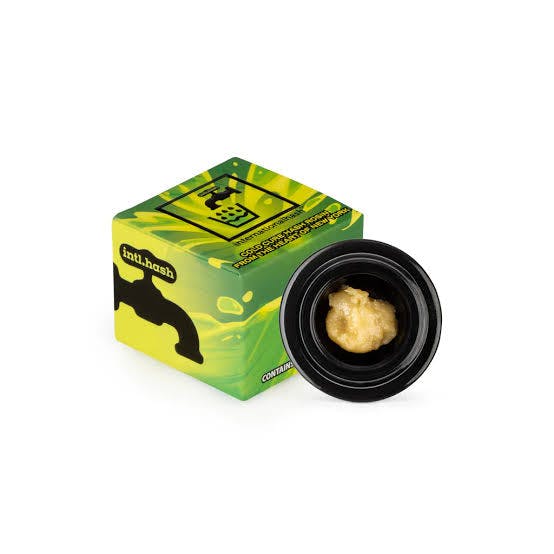
THC 75.73%Hybrid
INTERNATIONAL HASHInternational Hash | Cold Cure Hash Rosin | Grapefruit Hybrid · 1g
$66.37
$75after tax
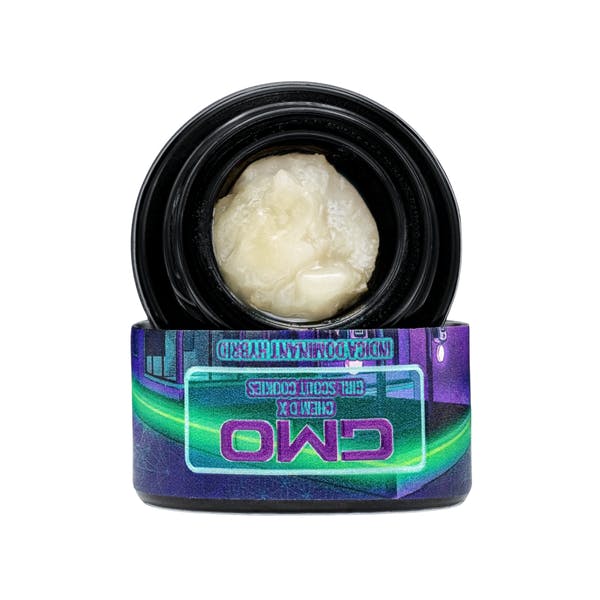
THC 77.52%Hybrid
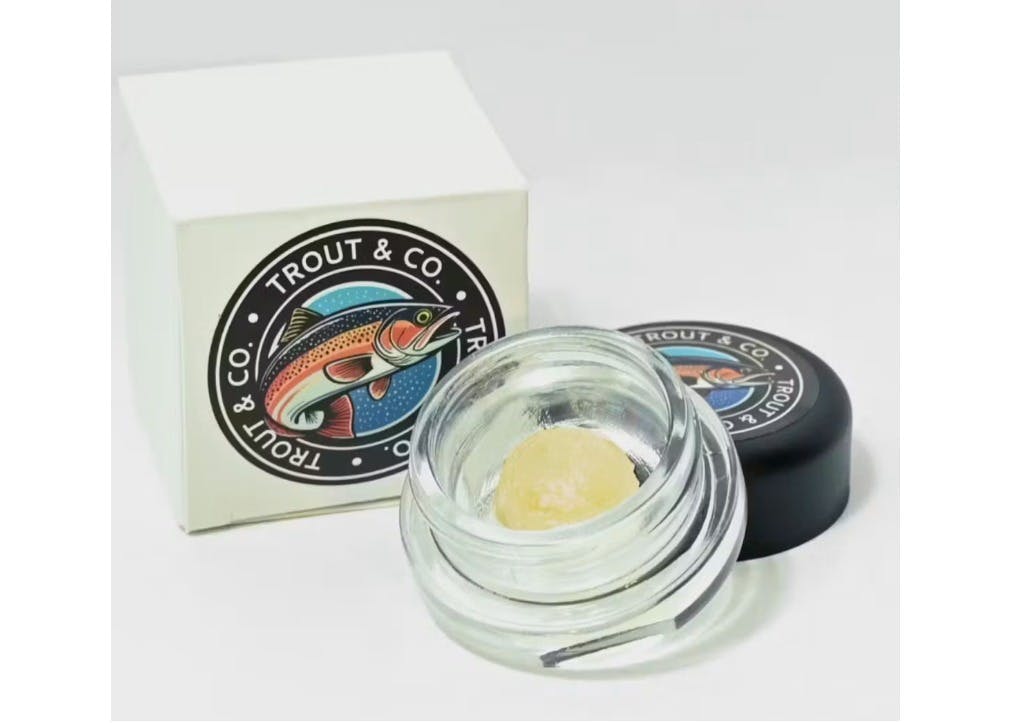
Trout & Co.Trout & Co. | Super Funk | Live Rosin Private Reserve · 1g
$88.50
$100after tax
Rosin in Huntington — answers
What exactly is rosin, and how does it differ from other concentrates sold in New York dispensaries?+
Rosin is a solventless cannabis concentrate made by applying controlled heat and pressure to flower, kief, or bubble hash. Unlike BHO (butane hash oil) or CO2 extracts, no chemical solvents are introduced at any point in production. The result is a concentrate that retains the full terpene and cannabinoid profile of the source material. In New York's licensed dispensary market, all concentrates including rosin must pass third-party testing for potency, residual solvents, pesticides, and heavy metals before reaching shelves.
Is rosin appropriate for someone who primarily smokes flower and is new to concentrates?+
Rosin can be a thoughtful first concentrate for flower-to-concentrate transitions precisely because it is solventless and the flavor profile tends to feel familiar — it resembles the cultivar it came from rather than introducing the chemical notes some hydrocarbon extracts carry. That said, potency is significantly higher than flower, typically in the 65 to 82 percent total THC range. Starting with a very small amount — well under what a new consumer might assume a 'dose' looks like — is the standard guidance for any adult new to concentrates.
What equipment do I need to consume rosin at home in Huntington?+
The most common method is dabbing, which requires a dab rig (a water pipe modified for concentrates), a banger (typically quartz), a torch or e-nail, and a dabber tool. Electronic rigs such as the Puffco Peak eliminate the torch entirely and are popular among consumers who prefer temperature precision. For those not ready to invest in a rig, rosin can be added to a bowl of flower, rolled into a joint, or used in a concentrate-compatible vaporizer. All of these formats are discreet and practical for home use in a Huntington residence.
Why does hash rosin cost significantly more than flower rosin at New York dispensaries?+
Hash rosin requires two complete production stages. First, the flower is processed through ice-water agitation to separate trichome heads, which are then dried into bubble hash. That hash is then pressed under heat and pressure to yield rosin. The labor, yield loss, and source material quality required at each stage compound into a higher cost structure. A premium hash rosin from a single-source small batch can represent dozens of pounds of flower reduced to a few hundred grams of finished product, which explains the price differential on any licensed New York menu.
How should I store rosin purchased from a dispensary to maintain quality through Huntington's humid summers?+
Rosin is sensitive to both heat and light. For short-term use within one to two weeks, a cool, dark drawer at room temperature is adequate. For longer storage, an airtight silicone or glass concentrate container placed in the refrigerator will preserve terpenes and prevent the consistency from breaking down. Avoid freezer storage unless the container is completely airtight and moisture-free, as condensation during the thaw cycle can degrade the product. Huntington's harbor-adjacent humidity in July and August makes temperature-controlled storage more than a minor consideration.
What terpenes should I look for in a rosin if I want something that complements a relaxed evening near Huntington Harbor?+
For a calm evening use occasion — reading on a porch, unwinding after a commute from Penn Station, or sitting near the water — myrcene-forward rosins are a logical starting point. Myrcene is associated with an earthy, slightly herbal quality and tends to anchor rather than elevate the experience. Cultivars like GMO, Garlic Cookies, or any heavy Kush expression will often carry this profile. Linalool, a floral terpene also found in lavender, appears in some rosins and similarly suits a quieter, unhurried occasion.
Does New York law allow me to consume rosin outside, such as in Heckscher Park or along the Huntington waterfront?+
New York's adult-use cannabis law prohibits consumption anywhere tobacco smoking is prohibited, which includes public parks, beaches, and most outdoor public spaces in municipalities that have adopted corresponding restrictions. Suffolk County and the Town of Huntington have their own overlay regulations. In practice, rosin consumed via a portable electronic rig or concentrate pen is not exempt from these rules. Consumption is generally safest in a private residence. Consumers are encouraged to review current Town of Huntington guidelines before making any assumptions about outdoor use.
How does rosin compare to live resin, which I also see on dispensary menus in New York?+
Both live rosin and live resin use fresh-frozen cannabis as their starting material, which preserves volatile terpenes lost during curing. The difference is in extraction method: live resin uses hydrocarbon solvents (typically butane or a butane-propane blend), while live rosin uses only heat and pressure. Live resin is often less expensive due to higher yields per pound of input. Live rosin commands a premium for its solventless purity. Flavor profiles between the two can be strikingly similar when sourced from the same cultivar, making the choice partly philosophical and partly budgetary.
Can I find single-source or small-batch rosin from New York-licensed cultivators at dispensaries serving the Huntington area?+
New York's licensed cannabis market has seen steady growth in single-source, small-batch rosin since CAURD and OCM-licensed processors came online. Some processors work exclusively with one or two cultivators, which creates traceability from seed to press. When shopping in person — as Huntington residents accessing ZenZest Queens will be doing — asking staff to point to products with documented farm relationships is a reasonable and often productive question. Batch numbers on licensed packaging can frequently be cross-referenced with the processor's own transparency documentation.
What is the difference between 'cured' and 'live' rosin, and does it matter for a consumer in Huntington purchasing from a licensed dispensary?+
Cured rosin is pressed from flower that has been harvested and dried through the standard post-harvest process. Live rosin is pressed from fresh-frozen material — plants that go directly from harvest into a freezer, skipping the dry-and-cure stage entirely. Live rosin retains more of the volatile monoterpenes (the lighter, more aromatic compounds) that evaporate during curing. For consumers who prioritize a vivid, complex terpene experience, live rosin is generally the more expressive product. Cured rosin offers a more mellowed, integrated flavor profile and is typically priced lower, which is a practical consideration for regular concentrate consumers.