
Suffolk County · Edibles
Best Edibles in Huntington, Suffolk County
Huntington's tree-lined New York Avenue and the quiet pull of the harbor set a particular pace — unhurried, deliberate, rooted in the pleasures of a well-chosen evening. Cannabis edibles fit that rhythm naturally. For adults 21 and older exploring licensed dispensary options in ZIP 11743, this guide covers everything worth knowing before your next purchase.
About Edibles
Edibles have matured into one of the most sophisticated segments of New York's licensed adult-use cannabis market. Where early iterations leaned heavily on novelty — gummies shaped like bears, brownies wrapped in foil — today's regulated products reflect a genuine commitment to consistency, precise milligram dosing, and culinary craft. New York's Office of Cannabis Management requires that every licensed edible product carry accurate labeling of total THC and CBD content per serving and per package, giving consumers a level of transparency that was simply unavailable in the unregulated market. The format range has expanded considerably. Gummies remain the category's most accessible entry point, prized for their portability and the relative predictability of a measured 5 mg or 10 mg serving. Chocolate bars, mints, beverages, hard candies, and baked goods round out the shelf, each carrying its own onset profile and duration. Lipid-soluble formats like chocolates may absorb differently than water-soluble beverage powders, and savvy shoppers are beginning to account for those nuances when they browse. Onset timing is the variable that distinguishes edibles most sharply from inhalation products. Digestion-based absorption typically begins between 30 minutes and two hours after consumption, with effects that can persist for four to eight hours depending on metabolism, body composition, and whether the product was consumed with food. New York-licensed dispensaries are required to provide dosing information on packaging, and the general guidance across the industry — start low, go slow — remains sound counsel for new and returning consumers alike. Quality signals in the category have also sharpened. Licensed operators now source distillate, live rosin, and full-spectrum oil inputs from cultivators whose genetics and extraction methods are documented in the supply chain. The result is an edible landscape where the difference between a $12 gummy pack and a $30 artisan chocolate tile is legible on the ingredient panel, not merely a matter of branding.
Edibles for Huntington shoppers
Huntington carries a dual identity that shapes how its residents approach leisure and, by extension, cannabis. On weekdays, New York Avenue moves with the quiet efficiency of a commuter village — the LIRR station a few blocks inland funnels professionals toward Penn Station before sunrise and returns them well past dusk. An edible purchased on a Thursday evening, timed thoughtfully before a Saturday morning free of obligations, is a distinctly Huntington kind of pleasure: planned, earned, unhurried. On weekends, that register shifts. Huntington Harbor draws sailboat owners, kayakers, and the kind of families who regard a fish fry at a waterfront restaurant as a reasonable Saturday itinerary. The village's restaurant row along Gerard Street and the boutique stretch along New York Avenue support a dining and entertainment culture that skews toward quality over volume — a sensibility that transfers naturally to the edibles aisle. Consumers here tend to ask thoughtful questions and respond well to products that reward attention: single-origin chocolate, small-batch gummies with named terpene profiles, beverages formulated with water-soluble cannabinoids for faster onset. Suffolk County's 11743 ZIP also trends toward consumers who commute long distances and may be cautious about anything that could compromise a morning routine. That caution makes edibles an appealing category precisely because of their delayed, bounded onset — a 5 mg gummy on Friday night poses a different calculation than a pre-roll on a Tuesday commute. The combination of Huntington's established professional demographic and its genuinely beautiful harborside leisure culture creates a consumer who values discretion, predictability, and a product that fits a specific moment rather than defining every one.
What to look for
Evaluating edibles requires a different lens than evaluating flower or vapes. Potency, as measured by milligrams of THC per serving, is the primary axis — but it is not the only one. Format determines onset speed: traditional digestion-based edibles (gummies, chocolates, baked goods) absorb through the gastrointestinal tract and typically take 45 minutes to two hours to register, while nano-emulsified or water-soluble products, increasingly common in beverage and dissolvable formats, can produce perceptible effects in 15 to 30 minutes. Understanding which you are buying matters especially if you have a specific occasion — a harbor sunset, a dinner party in Cold Spring Harbor — in mind. Terpene content is worth scrutinizing even in edibles. Full-spectrum and broad-spectrum products retain the plant's original terpene profile, which many researchers and formulators believe contributes to differentiated effects through what is commonly called the entourage effect. Products made from distillate alone — clear, odorless, and flavorless — offer potency without that complexity. For a Huntington consumer seeking a relaxed harborside evening, a product with myrcene-forward or linalool-dominant terpene inputs may complement that intent more precisely than a high-THC distillate gummy calibrated purely for strength. Packaging transparency is a meaningful quality filter in New York's licensed market. Look for products that list total THC and CBD per serving and per package, name the extraction method, and identify the cultivar or oil input where possible. Shelf life and storage instructions matter too — chocolate and baked goods have shorter windows than shelf-stable gummies, and Suffolk County summers can compromise temperature-sensitive formats if left in a car. For first-time edible consumers or those returning after a significant break, starting with a 2.5 mg or 5 mg serving and waiting a full two hours before reassessing remains the most reliable approach.
Why ZenZest for edibles in Huntington
ZenZest Cannabis Dispensary operates two licensed retail locations in the New York metropolitan area, with the Queens store at 272-06 Union Tpke in Bellerose — approximately 17.7 miles from central Huntington — serving as the nearest physical option for Suffolk County shoppers willing to make the trip across the Nassau-Queens line. The Bellerose location carries a curated selection of licensed New York adult-use products across all major categories, and its edibles shelf reflects the same editorial approach that defines the brand: fewer, better-chosen products rather than an overwhelming wall of options. For Huntington residents in ZIP 11743, it is worth noting that ZenZest's same-day delivery program — available on orders over $100 across more than 80 New York ZIP codes — should be confirmed for current Suffolk County eligibility before placing an order, as delivery coverage can expand over time. Regardless of fulfillment method, ZenZest's staff approach product conversations with the kind of measured, knowledgeable tone that suits a Huntington consumer who already knows what questions to ask. More information is available directly through the dispensary.
ZenZest Queens · 272-06 Union Tpke, Bellerose, NY 11004 · 17.7 miles from Huntington.
Live edibles for Huntington
Full edibles menu →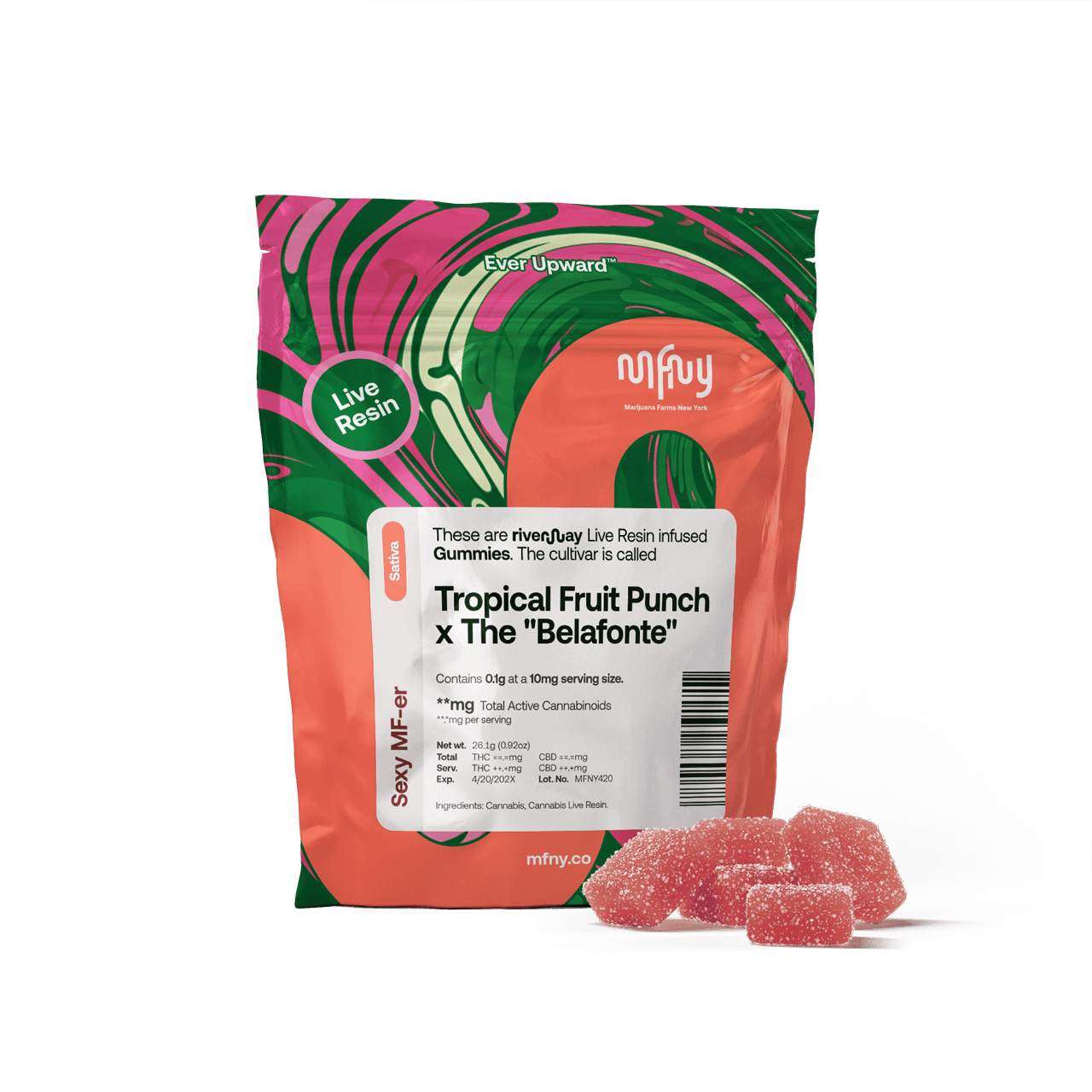
On sale· 15% OFF
THC 100mgSativa
MFNYTropical Fruit Punch x The Belafonte Live Resin Gummies | 10 pk · .1g
$18.80$22.12
$22after tax

THC 0.18%Hybrid
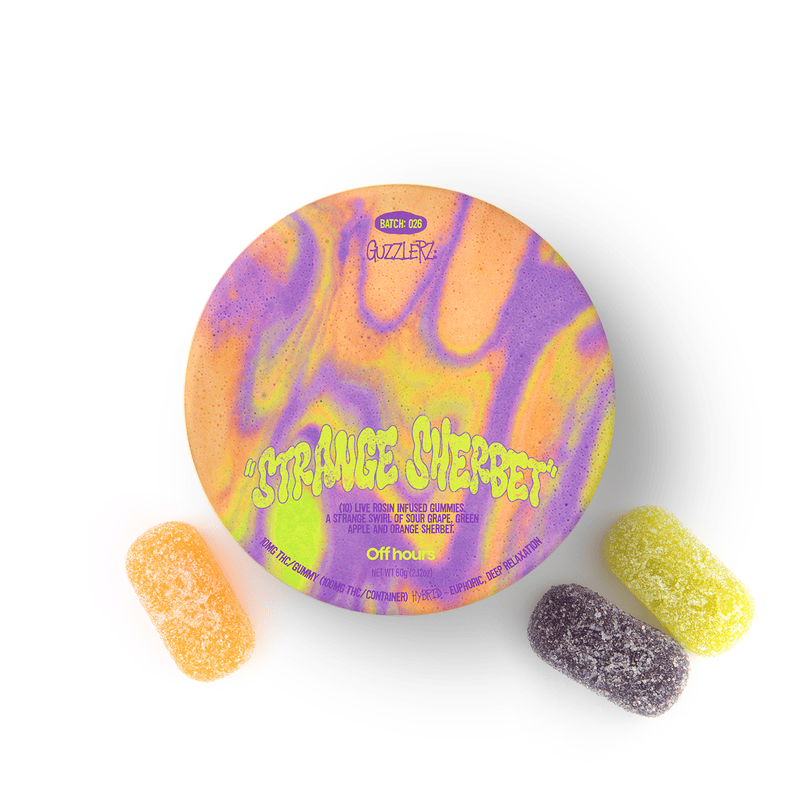
Off HoursOff hours - Live Rosin Gummies Batch 026 - Guzzlerz - Strange Sherbet · .1g
$38.05
$43after tax


THC 0.14%Hybrid
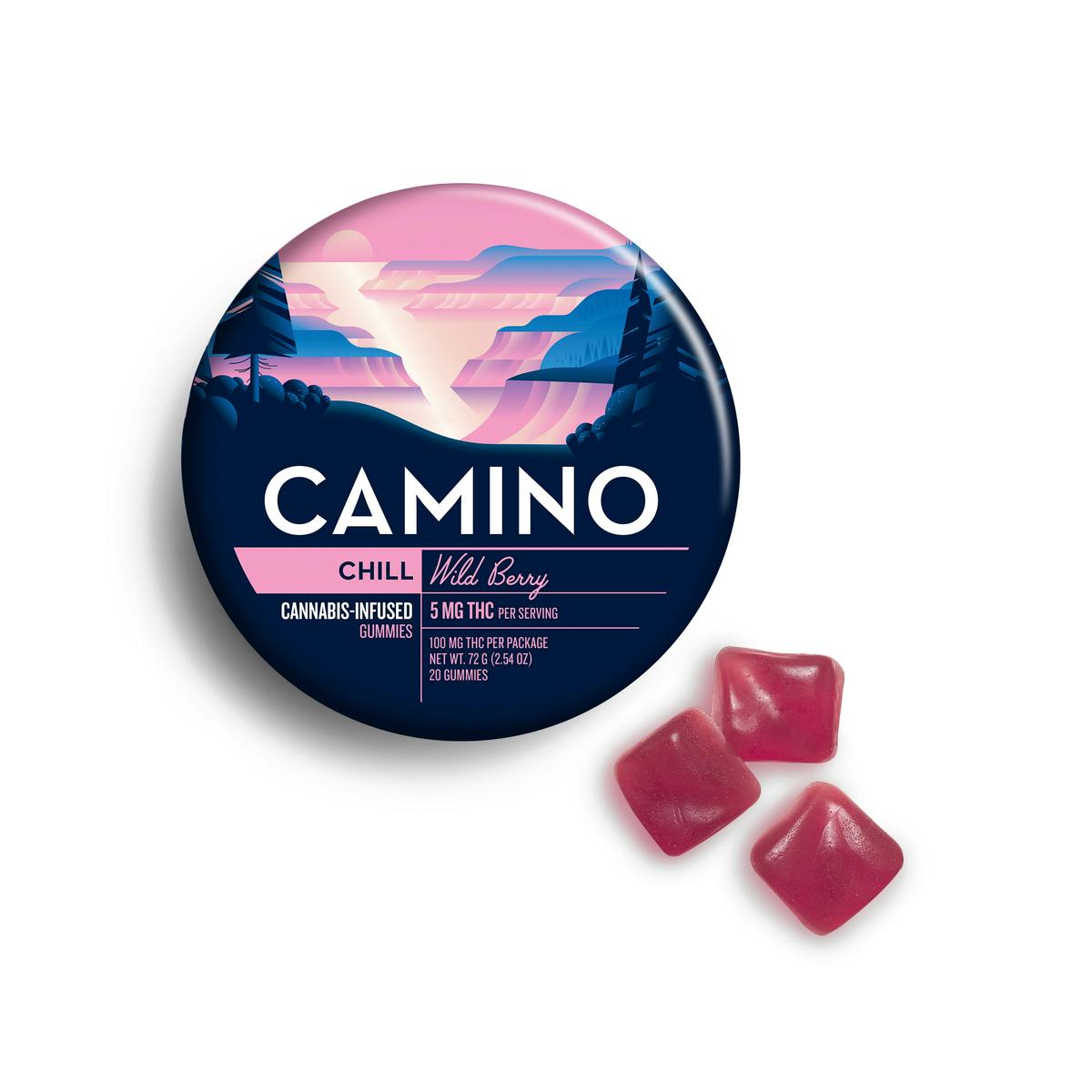
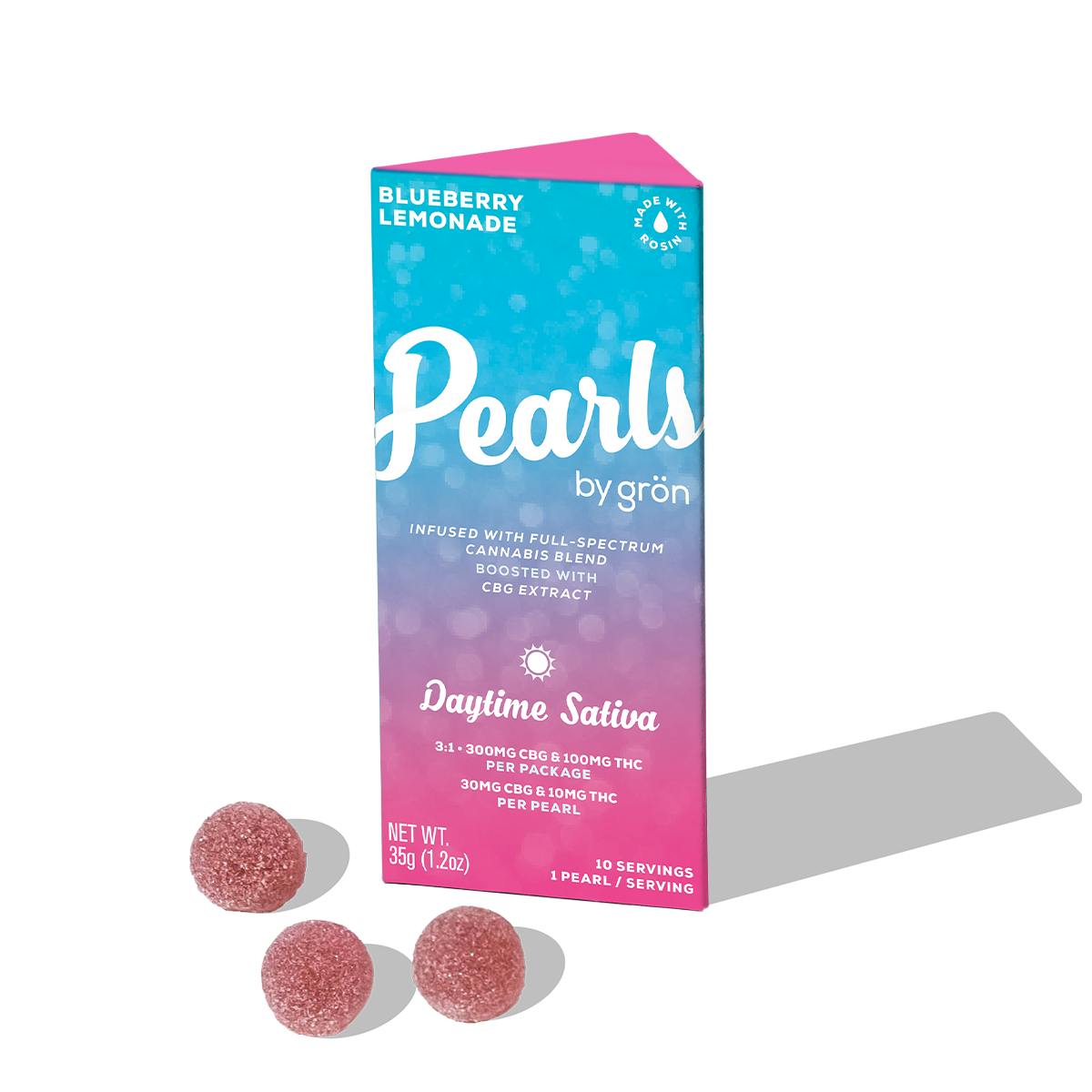
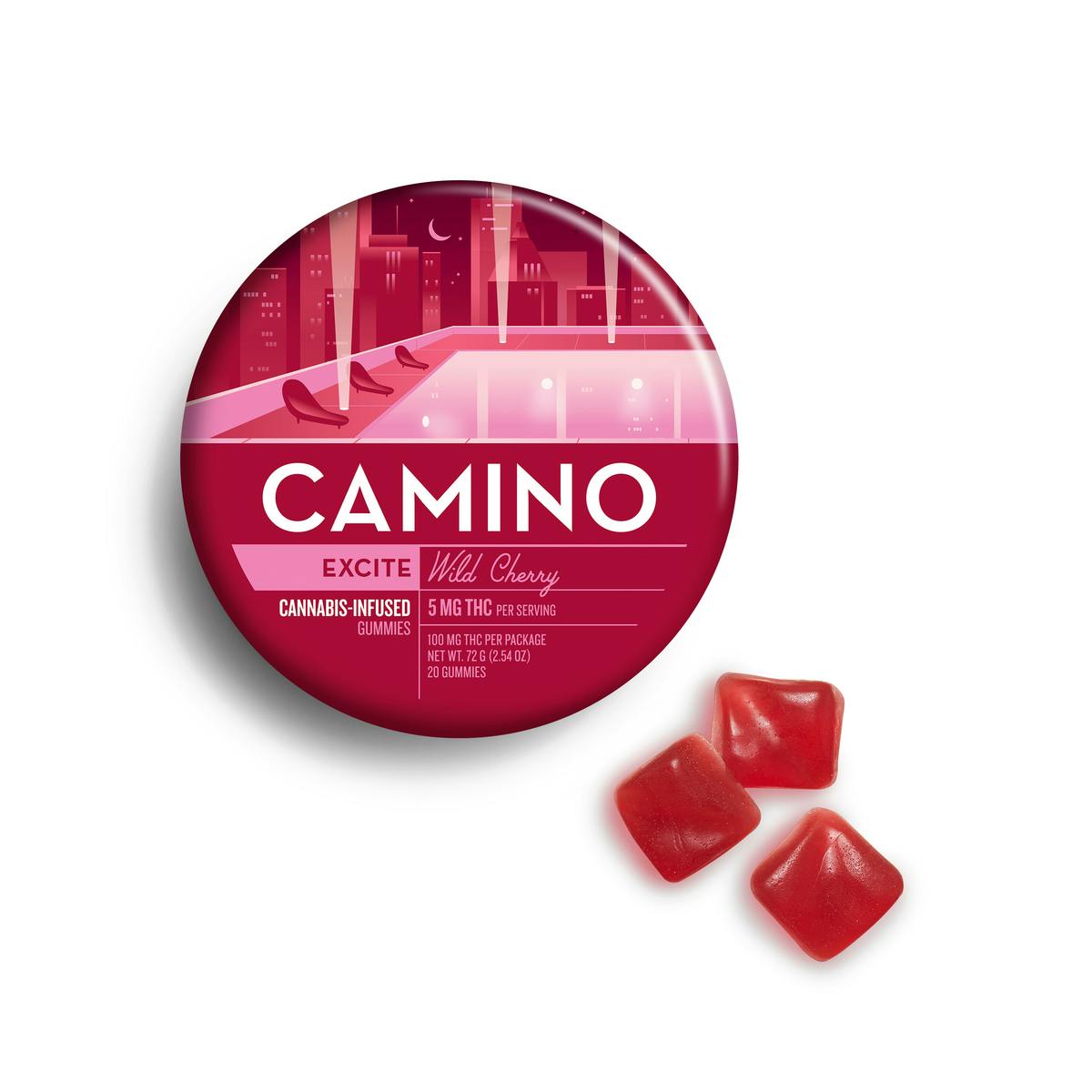
CaminoCamino | Recover | Freshly Squeezed | CBG Gummies | 100 mg | 20pk · .1g
$30.00
$34after tax
Edibles in Huntington — answers
Are cannabis edibles legal to purchase in Huntington, NY (ZIP 11743)?+
Yes. New York State's Marihuana Regulation and Taxation Act legalized adult-use cannabis for residents 21 and older, and that law applies throughout Suffolk County, including Huntington's 11743 ZIP. Products must be purchased from a licensed dispensary — not an unlicensed shop or delivery service — to be legal, properly tested, and accurately labeled. Possession of licensed edible products in public is permitted within the state's guidelines, though consumption in public spaces is restricted.
How long do edibles take to work, and why does it vary so much?+
Most digestion-based edibles — gummies, chocolates, baked goods — take between 45 minutes and two hours to produce noticeable effects. The range depends on individual metabolism, body composition, stomach contents, and the fat content of the product itself. Eating a chocolate edible after a full meal slows absorption compared to consuming a gummy on an empty stomach. Water-soluble or nano-emulsified formats, found most commonly in beverages and dissolvable powders, can work within 15 to 30 minutes because they bypass some stages of gastrointestinal processing.
What THC milligram range is appropriate for someone new to edibles?+
New York licensed products are typically sold in 5 mg per serving increments, with 2.5 mg servings also available from some producers. Most cannabis educators and licensed dispensary staff suggest that adults new to edibles begin with 2.5 mg to 5 mg, wait at least two hours before considering a second serving, and treat the first few experiences as calibration sessions rather than peak experiences. This approach is sometimes summarized as 'start low, go slow,' and it remains genuinely useful counsel regardless of prior experience with other cannabis formats.
Can I bring cannabis edibles on the LIRR from Huntington station?+
Under New York State law, adults 21 and older may transport legally purchased cannabis in sealed, original packaging. However, the Long Island Rail Road is operated by the MTA under federal jurisdiction, and federal law does not recognize state-level cannabis legalization. Consuming cannabis products in any form on LIRR trains or platforms is prohibited, and transporting cannabis on federally regulated transit carries its own legal risks. Huntington commuters should review MTA and relevant agency policies directly before transporting any cannabis products.
What is the difference between full-spectrum edibles and distillate-based edibles?+
Full-spectrum edibles are made with oil inputs that retain the cannabis plant's natural range of cannabinoids, terpenes, and minor compounds — not just THC. Proponents argue this produces a more complex, nuanced experience sometimes called the entourage effect. Distillate-based edibles use a highly refined oil that isolates THC, removing most other compounds. The result is a consistent, potent product with little flavor carry-through from the plant. Neither is objectively superior — the right choice depends on what you are looking for and how you respond to each format.
Are there edible formats better suited to Huntington's warm harbor summers?+
Temperature is a genuine consideration for edible storage in coastal Suffolk County summers. Chocolate-based formats are vulnerable to heat degradation and should not be left in a parked car or direct sunlight. Gummies and hard candies are considerably more stable across temperature ranges, making them practical for outdoor occasions around Huntington Harbor or Cold Spring Harbor State Park. Beverage formats, particularly single-serve pouches or canned options, offer their own convenience for outdoor settings and typically carry water-soluble formulations with faster onset profiles.
How does eating food before consuming an edible affect the experience?+
Food intake at the time of consumption meaningfully influences how and when edible cannabis absorbs. Fatty foods — cheese, avocado, a full restaurant meal on Gerard Street — can accelerate and intensify the absorption of lipid-soluble THC, sometimes producing stronger effects than anticipated. Conversely, eating immediately before a water-soluble beverage product may slow its otherwise rapid onset. There is no universal formula, which is part of why experienced consumers encourage a consistent approach during initial sessions: same time of day, similar meal context, same dose.
Do edibles expire, and how should I store them at home?+
New York licensed edible products carry expiration or best-by dates as required by state labeling regulations. Storage conditions matter: most edibles perform best in cool, dark environments away from humidity, which rules out bathroom medicine cabinets and sun-facing kitchen shelves. Chocolate products benefit from refrigeration in summer months. Gummies and hard candies are more forgiving but still degrade with prolonged heat exposure. Childproof, opaque storage containers — many licensed products already ship in compliant packaging — serve double duty as organizational and freshness tools.
What terpenes should I look for if I want a calm, relaxing edible experience?+
Terpenes associated with relaxing or sedative qualities in anecdotal and preliminary research include myrcene, linalool, and beta-caryophyllene. Myrcene, which carries earthy and musky notes, is among the most common terpenes found in cannabis and is often cited in connection with physical ease. Linalool, also present in lavender, is associated with calm. Beta-caryophyllene, which also appears in black pepper and cloves, interacts with the body's endocannabinoid system through CB2 receptors. Full-spectrum and broad-spectrum edibles will list terpene content where the input oil supports it.
Is there a licensed dispensary closer to Huntington than the ZenZest Queens location?+
The New York licensed dispensary landscape across Suffolk County continues to develop as the Office of Cannabis Management processes applications and issues new Conditional Adult-Use Retail Dispensary licenses. At the time of this publication, ZenZest's Queens location at 272-06 Union Tpke in Bellerose is among the nearest accessible licensed retail options for Huntington residents. Checking the OCM's public-facing dispensary map is the most reliable way to identify newly licensed retail locations in or near 11743 as the market matures.