On sale· 20% OFF
THC 70.7%Indica-Hybrid
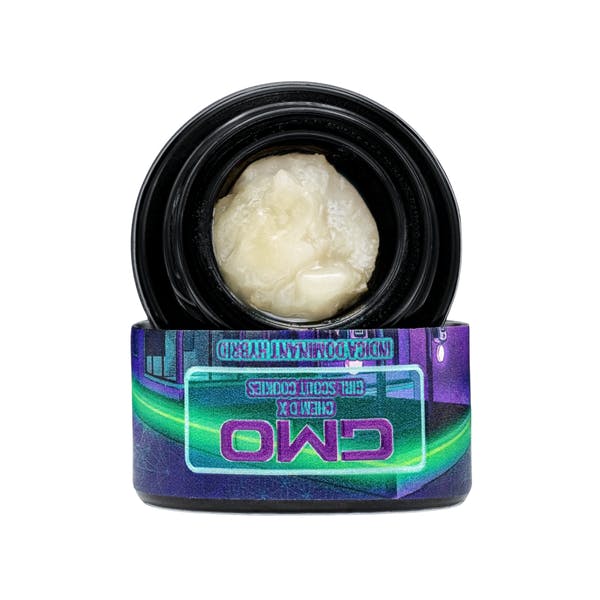
UmamiiUmamii | Live Rosin Jar | GMO · 2g
$80.00$100.00
$93after tax

weeddispensarynearme.com
You must be 21 years or older to enter. By entering, you confirm you’re of legal age in your state to purchase cannabis.
For use only by adults 21+ • Keep out of reach of children
Huguenot, tucked into Staten Island's quieter southern edge along Amboy Road and the wooded margins of Wolfe's Pond Park, has cultivated a reputation for unhurried, discerning living. That sensibility translates naturally to solventless rosin — the premium extract category defined by purity, craft process, and an aromatic depth that rewards the connoisseur willing to slow down and pay attention.
About Rosin
Rosin occupies a distinct and increasingly respected tier within New York's licensed adult-use cannabis market. Unlike hydrocarbon or CO₂ concentrates, rosin is produced entirely without chemical solvents — heat and hydraulic pressure are the only tools required to coax resin from flower, hash, or kief. The result is a full-spectrum extract that retains a broad range of cannabinoids, terpenes, and minor compounds in proportions that closely mirror the living plant. For consumers who prioritize transparency in process and complexity in flavor, rosin is the natural endpoint of that inquiry. Within New York's licensed dispensary ecosystem, rosin arrives in several distinct forms. Fresh-press rosin is processed immediately after harvest, preserving volatile terpenes that would otherwise degrade during curing. Live rosin, the market's current benchmark, is made from fresh-frozen whole plant material, capturing an even more vivid and complete terpene profile. Cured flower rosin — more accessible in price — uses dried and cured input material and delivers a subtler, earthier result. Hash rosin, pressed from ice-water hash (bubble hash), is generally considered the apex of the category: cleaner melt, finer texture, and an aromatic precision that is immediately apparent on the inhale. New York's Office of Cannabis Management licenses producers who must meet strict testing and labeling standards. Every rosin product on a licensed shelf carries a verified certificate of analysis covering potency, residual solvents (confirming the solventless claim), terpene content, and microbiological safety. For 10312 shoppers accustomed to evaluating quality in food, wine, or craft goods, that documentation is simply the baseline — the sensory experience is where differentiation truly begins. Total THC in rosin typically reads between 65 and 85 percent, though live hash rosin from premium cultivars can approach 90 percent in exceptional batches. Those figures make dosing discipline essential: New York-licensed products carry clear labeling, and the adult-use standard of starting low and increasing gradually is especially pertinent with any concentrate category.
Rosin for Huguenot shoppers
Huguenot is a neighborhood that moves at its own tempo. The residential streets radiating off Huguenot Avenue and the stretch of Amboy Road near the 10312 boundary are lined with single-family homes, mature oaks, and the kind of front-yard gardening that signals genuine investment in place. Wolfe's Pond Park, just minutes from most of the neighborhood, offers freshwater pond access, wooded trails, and a beach on Raritan Bay — a genuinely rare natural amenity for a New York City address. This outdoor orientation shapes how many residents think about their leisure time and, by extension, their cannabis preferences. Rotin fits that outdoor-adjacent lifestyle with particular elegance. A small amount of high-quality rosin, consumed responsibly before a trail walk along the park's forested perimeter, produces a sensory engagement with the natural environment that many users describe as heightened presence rather than sedation. The terpene-forward profiles of live rosin — citrus, pine, earthy petrichor, floral linalool — echo the literal landscape of the neighborhood's wooded edge in ways that mass-produced distillate products simply do not. Commute context also matters. Many Huguenot residents rely on the Staten Island Railway at the nearby Huguenot station or drive to the Outerbridge Crossing for New Jersey access, making evenings and weekends genuinely distinct down-time rather than an extension of a rushed urban schedule. Rosin, as a category that invites ritual — precise temperature settings, a dedicated dab rig or quality vaporizer, a moment of considered preparation — aligns well with that unhurried evening culture. It is a concentrate for people who have already decided that the quality of an experience matters more than its convenience.
What to look for
Selecting a quality rosin in a licensed New York dispensary requires a slightly different framework than choosing flower or an infused pre-roll. Begin with the input material: live hash rosin made from ice-water extracted bubble hash commands the highest prices and the most complex terpene expression. Fresh-press flower rosin sits a tier below in price but still delivers a solventless experience with notable aromatic fidelity. Cured flower rosin is the entry point — worthwhile for exploration, but noticeably less vivid in flavor. Terpene profiles are the most reliable guide to the experiential character of a specific rosin. Myrcene-dominant rosins tend toward relaxed, body-focused effects and pair naturally with the wind-down hours that Huguenot evenings often invite. Limonene-forward profiles offer a brighter, more energized quality suited to afternoon outdoor activity near Wolfe's Pond. Pinene, common in cultivars with Pacific Northwest lineage, adds an almost literal forest-floor quality that resonates particularly well in a neighborhood so close to greenbelt. Caryophyllene contributes a peppery warmth that many users find grounding. Consistency of texture is a meaningful quality signal. Premium live hash rosin should present as a stable, homogeneous badder, jam, or cold-cure consistency — not separated, not excessively oily. Color ranges from pale gold to amber; darker coloration in rosin generally indicates oxidation or less careful processing, though cured-flower rosin will naturally read darker than live-material product. THC concentration in the 70 to 82 percent range is a reasonable target for experienced consumers; those newer to concentrates should approach even a single small inhale as a complete session and allow thirty minutes of assessment time before considering more. A quality vaporizer capable of precise temperature control between 450°F and 560°F will extract the full terpene profile without combustion byproduct.
Why ZenZest for rosin in Huguenot
ZenZest Cannabis Dispensary's Staten Island location at 2343 Forest Ave — approximately 6.6 miles from Huguenot's core — is the closest licensed destination for 10312 residents seeking a curated rosin selection. The Forest Avenue address places it within a reasonable drive through the borough's mid-island corridor, accessible via Richmond Avenue or the Staten Island Expressway depending on time of day. Staff at ZenZest are trained to speak specifically to concentrate categories: input material sourcing, terpene profiles, and consumption format guidance are standard parts of the in-store conversation rather than afterthoughts. For Huguenot residents who prefer to shop from home, ZenZest offers free same-day delivery on orders over $100, servicing 10312 and more than 80 additional New York ZIP codes. That threshold is easily met when rosin — a category where a single gram of live hash rosin often retails between $60 and $90 — is the primary purchase. The delivery option extends the dispensary's reach directly to Amboy Road, Huguenot Avenue, and every quiet street between them, bringing licensed, lab-verified product to the neighborhood without requiring a trip across the borough.
ZenZest Staten Island · 2343 Forest Ave, Staten Island, NY 10303 · 6.6 miles from Huguenot.
$93after tax
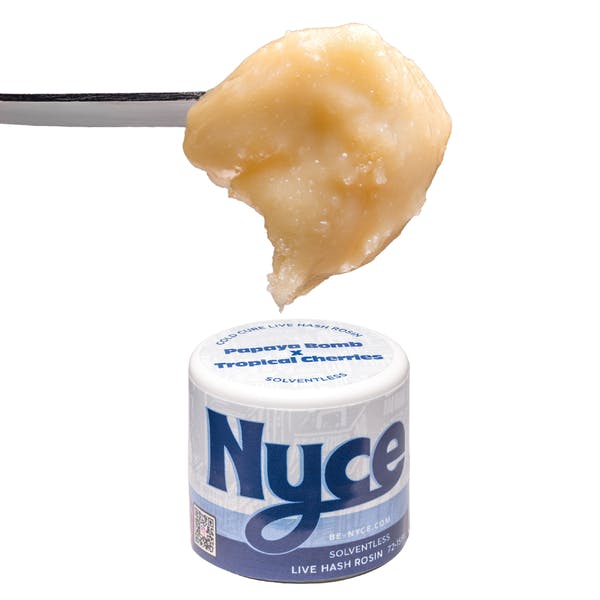
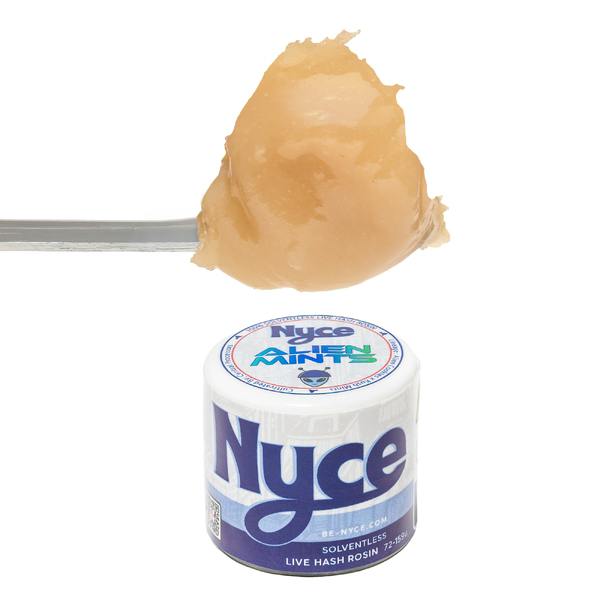
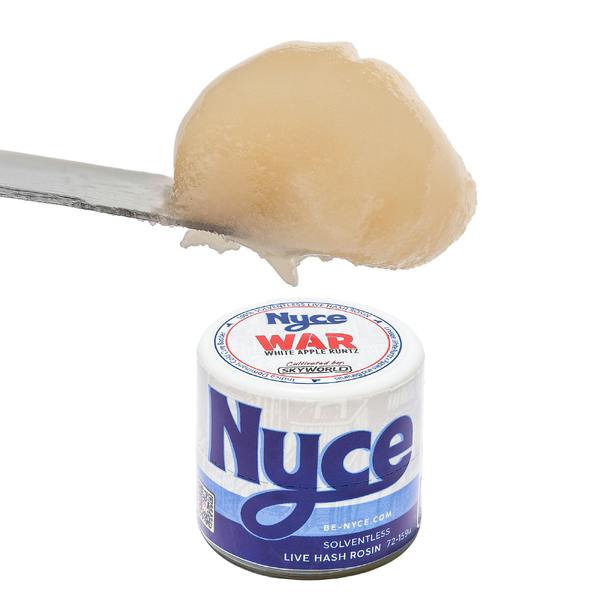
Rosin is a solventless cannabis extract made exclusively through the application of heat and pressure to cannabis plant material — flower, kief, or ice-water hash. No chemical solvents such as butane, propane, or ethanol are involved in the process. This distinguishes it from many other concentrates on licensed New York shelves. Because no solvent residue is possible by definition, rosin is often the preferred choice for consumers who prioritize process transparency. The trade-off is typically a lower yield relative to solvent-based extraction, which contributes to its higher retail price point.
For a first-time concentrate consumer in Huguenot, cured flower rosin is a reasonable entry point precisely because it costs less and allows exploration without significant financial commitment. However, the difference in aromatic complexity between cured flower rosin and live hash rosin is genuinely substantial — the live product captures volatile terpenes that degrade within days of harvest. If you have experience with premium flower and care about flavor as a primary criterion, the incremental investment in live rosin tends to be justified by the sensory result.
Temperature control is one of the most consequential variables in concentrate consumption. For rosin, lower temperatures — generally in the 450°F to 520°F range — preserve the most terpene character and produce a flavorful, relatively smooth experience. Temperatures above 560°F begin to degrade delicate terpenes and can introduce harshness. Many experienced consumers use a temperature-controlled e-nail or an electronic dab device rather than a torch to maintain consistency. This is general guidance only; individual devices vary, and the start-low approach applies to temperature settings as much as to serving size.
Yes, several portable concentrate vaporizers are designed specifically for use with rosin and similar solventless extracts. These devices offer temperature control and discretion appropriate for outdoor settings. It is worth noting that consuming cannabis in New York City public parks is subject to the same rules that govern public consumption generally — permitted areas are limited. Any use near Wolfe's Pond Park or along Amboy Road should remain in compliance with applicable local regulations. Checking current NYC Parks Department guidelines is advisable before assuming any specific location is appropriate.
Rosin is sensitive to heat, light, and air exposure — all of which accelerate terpene degradation and can alter texture. The standard recommendation is refrigeration in an airtight, non-stick silicone or glass container for short-term storage, and freezing for anything intended to be held longer than two to three weeks. Allow refrigerated rosin to return to room temperature before handling to avoid condensation. Staten Island's humid summers mean ambient storage is particularly inadvisable during warmer months; a small dedicated refrigerator compartment is the most reliable approach for 10312 households.
For consumers who spend time along the trails and waterfront of Wolfe's Pond Park, rosin profiles that emphasize pinene and limonene tend to complement active outdoor engagement. Pinene offers an alert, clear-headed quality with an aroma that mirrors the neighborhood's wooded surroundings. Limonene adds a bright citrus lift often associated with elevated mood. Myrcene-dominant rosins, by contrast, are better suited to the relaxed evening hours at home. Every licensed New York rosin product should carry terpene data on its certificate of analysis, which a knowledgeable dispensary staff member can help interpret.
ZenZest Cannabis Dispensary offers free same-day delivery on orders over $100 within its eligible ZIP code coverage, which includes 10312. Given that a single gram of quality live hash rosin commonly retails in the $60 to $90 range at licensed New York dispensaries, a two-gram order or a combination of one rosin product with supporting accessories or flower will typically satisfy the threshold comfortably. There is no requirement to purchase more than you intend to consume — the threshold is simply a minimum order value, not a volume mandate.
Yes. Every product sold at a New York Office of Cannabis Management-licensed dispensary, including ZenZest, must pass third-party laboratory testing before reaching the retail shelf. For rosin specifically, testing covers total cannabinoid potency, confirmation that no residual solvents are present (an important quality-assurance check even for a solventless product), microbiological safety, and in many cases terpene profiling. The certificate of analysis for any specific batch is typically available in-store or via QR code on packaging. This regulatory framework is one of the primary reasons to purchase exclusively from licensed retailers.
Hash rosin is produced by applying heat and pressure specifically to ice-water hash — itself made by agitating cannabis flower in ice water and collecting the separated trichome heads through filtration screens. The result is a more refined input material, which yields a rosin with exceptional clarity, a stable texture, and a terpene expression of notable precision. Flower rosin uses whole dried cannabis as the starting point, which is more straightforward to produce and more accessible in price. In Staten Island's growing licensed market, both formats are increasingly available; hash rosin represents the category's premium tier.
New York's licensed cannabis supply chain is still maturing, and while most rosin on shelves originates from producers upstate or in other cultivation-dense regions of the state, the Office of Cannabis Management's licensing framework actively supports New York-grown inputs. Asking dispensary staff at ZenZest's Forest Avenue location about New York-cultivated rosin options is worthwhile — provenance is increasingly a point of pride among New York producers, and staff familiar with the current inventory can point to batches where the cultivar, farm, and processor are all New York-based, an increasingly meaningful distinction for discerning 10312 consumers.
Pick your store
We'll show pricing, deals, and delivery zones for the store you pick. You can switch any time from the header.